Most Ford Explorers use sizes like 235/65R17, 245/60R18, or 255/50R20 depending on trim.
I’ve worked on tires for years and have guided many Explorer owners through sizing choices. This article explains what tire size does the Ford Explorer use, how to read those numbers, which sizes are common for different trims and years, and how to pick a safe, smart replacement or upgrade. Read on for clear, practical advice you can use today.

49% off Today's Exclusive Deals
Limited-time Exclusive Deals. Check current discount on Amazon.
Check Price on Amazon As an Amazon Associate I earn from qualifying purchases.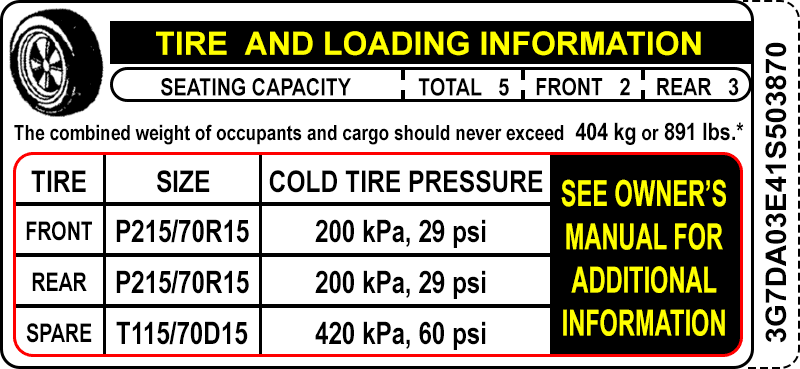
Common OEM tire sizes by model year and trim
Ford fits the Explorer with several factory tire sizes across model years and trims. Here are common OEM sizes you’ll see and why they vary.
- 17-inch examples: 235/65R17 — common on base and lower trims for a ride-focused setup.
- 18-inch examples: 245/60R18 — often fitted for a balance of comfort and grip.
- 20-inch examples: 255/50R20 — common on mid to higher trims for sharper handling and style.
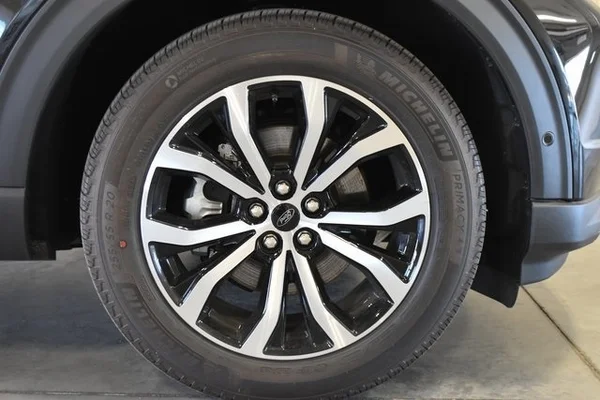
- 21-inch and 22-inch examples: 255/45R21 and 275/40R22 — found on sport and appearance packages for a more aggressive look and firmer ride.
Exact fit depends on the year, drivetrain, and trim level. Always check the driver’s door placard or the owner’s manual to see the specific size for your Explorer. If you ask a tire shop “what tire size does the Ford Explorer use?” they will check those factory details before recommending options.
49% off Today's Exclusive Deals
Limited-time Exclusive Deals. Check current discount on Amazon.
Check Price on Amazon As an Amazon Associate I earn from qualifying purchases.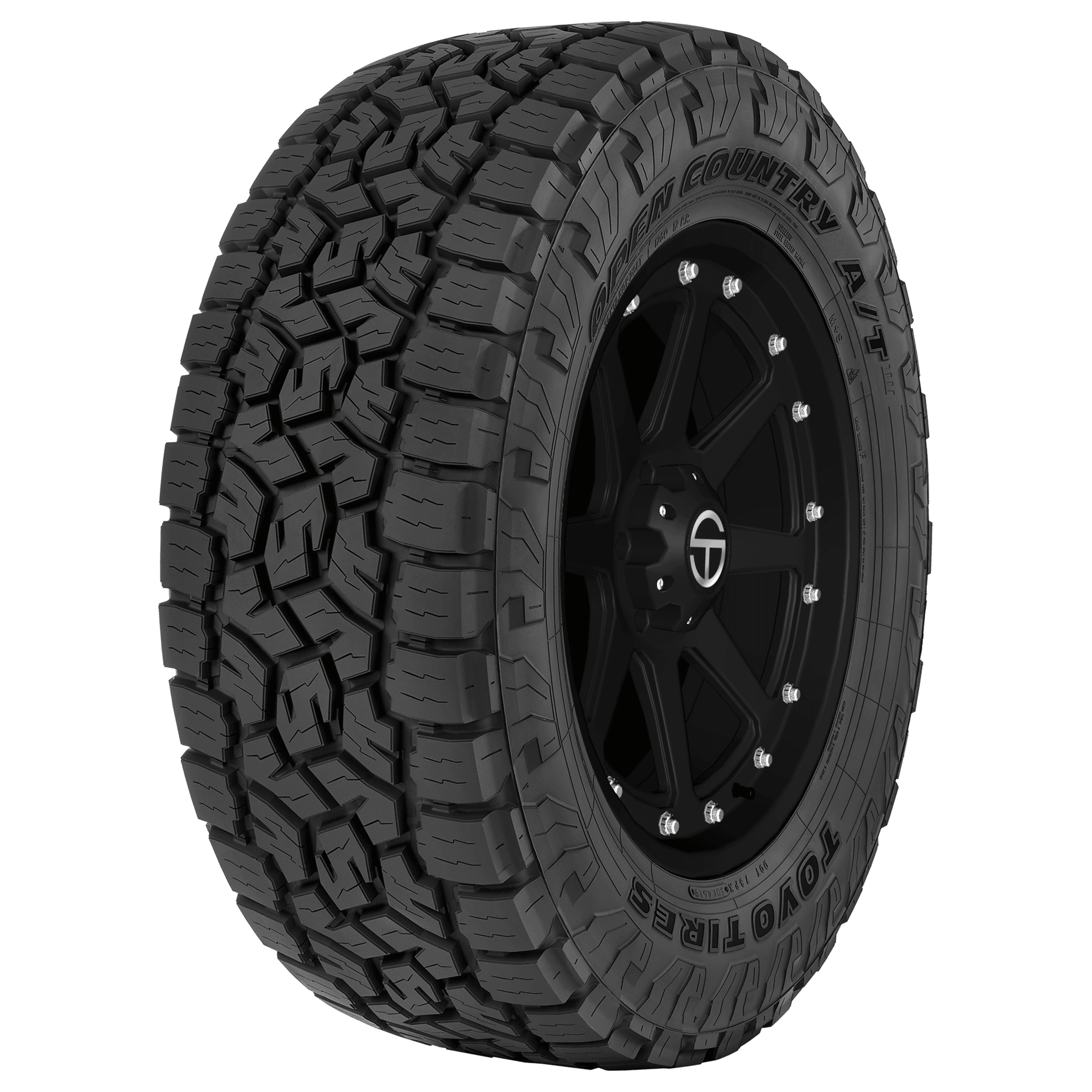
How to read an Explorer tire size
Knowing how to read tire markings helps you pick the right replacement. Here’s a simple breakdown using 255/50R20 as an example.
- 255 — Tire width in millimeters.
- 50 — Aspect ratio (sidewall height is 50% of the width).
- R — Radial construction.
- 20 — Wheel diameter in inches.
- Load index and speed rating follow, for example 109V, which tells load capacity and top speed rating.
Also note the tire sidewall shows manufacturing date, treadwear, traction, and temperature grades. When someone asks “what tire size does the Ford Explorer use?” the right answer includes width, profile, wheel diameter, and matching load/speed ratings.

49% off Today's Exclusive Deals
Limited-time Exclusive Deals. Check current discount on Amazon.
Check Price on Amazon As an Amazon Associate I earn from qualifying purchases.How to choose the right tire size for your Explorer
Choosing tires is about safety, comfort, and fit. Follow these steps to make a confident choice.
- Verify the factory size on the driver’s door placard or the owner’s manual.
- Match or exceed the original load index and speed rating to keep towing and carrying capacity safe.
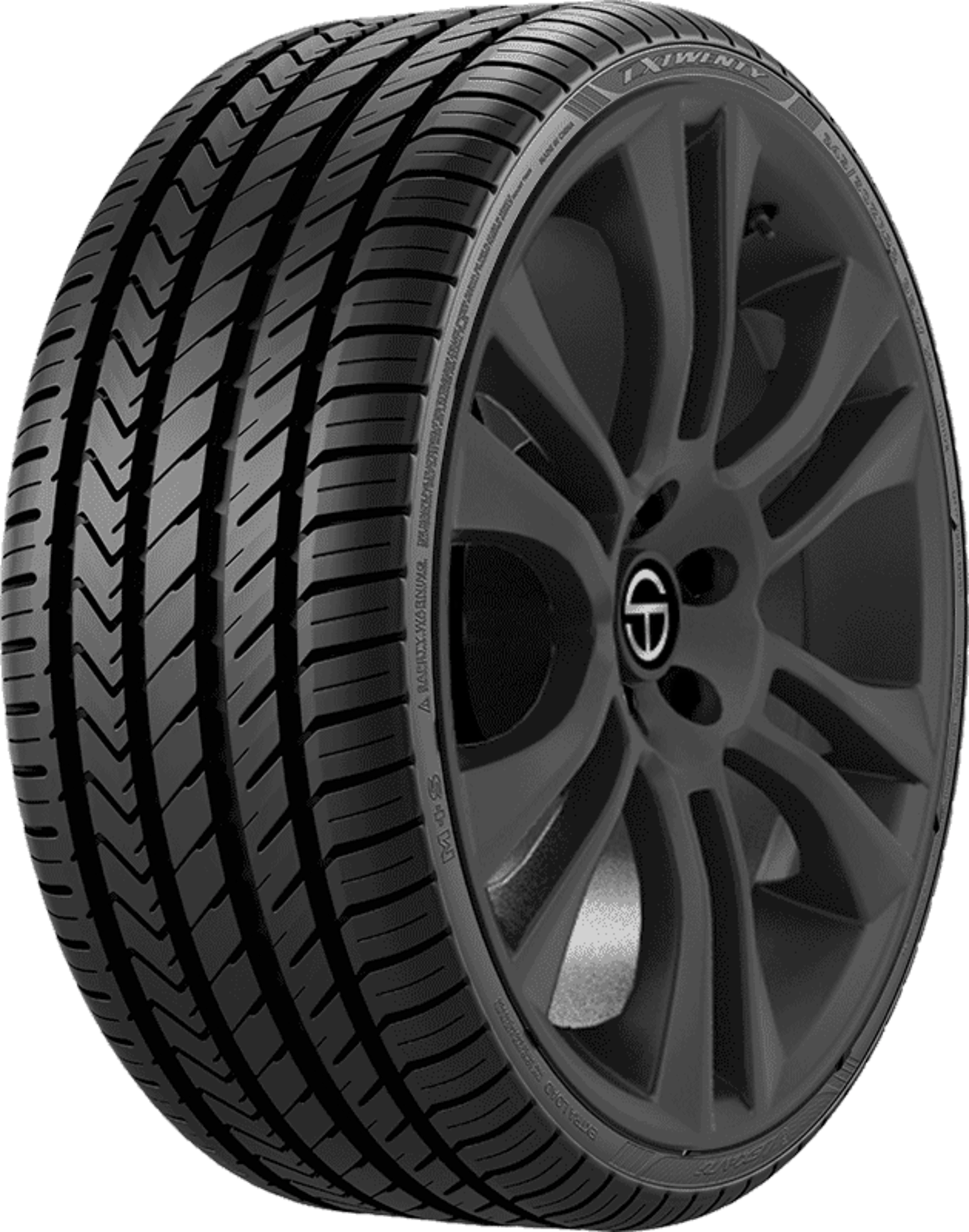
- Consider seasons: all-season for year-round use, summer for performance, winter for cold and snow.
- If you want a different size, stay close in rolling diameter to avoid speedometer and stability issues.
People often ask: Will larger tires affect the speedometer and fuel economy? Yes — larger tires increase rolling circumference, which lowers speedometer readings and can slightly reduce fuel economy. Keep changes within about 3% of the OEM rolling diameter to limit side effects.

Upgrading, plus-sizing, and compatibility tips
Many drivers want bigger wheels or wider tires for looks or handling. Here’s how to plan upgrades safely.
- Plus-sizing basics: increase wheel diameter while lowering profile to keep overall height close to stock.
- Check clearance: larger widths or taller tires can rub on fenders, struts, or sway bar links.
- Maintain load rating: a larger tire with lower load index can reduce the vehicle’s safe load.
- Recalibrate instruments: a shop can recalibrate the speedometer or the vehicle’s computer if the new tire size changes readings too much.
Keep in mind the common question “what tire size does the Ford Explorer use?” When you upgrade, use a reputable tire fitment guide or a trusted tire professional to verify compatibility with your trim and suspension.
Maintenance and tire care tips for Explorer owners
Proper care makes tires last and keeps your Explorer safe. These tasks are simple and effective.
- Check tire pressure monthly and before long trips. Use the pressure listed on the driver’s door placard.
- Rotate tires every 5,000 to 7,500 miles to even wear.
- Balance and align wheels when new tires are installed or if you notice vibration or uneven wear.
- Monitor tread depth and replace tires at 2/32 inch minimum; consider replacement sooner for wet or snowy climates.
- Keep TPMS sensors cared for; replace batteries or sensors when needed to avoid false readings.
When people wonder “what tire size does the Ford Explorer use?” remember that correct maintenance matters more than a small stylistic size change.
Personal experience: lessons learned and mistakes to avoid
I’ve changed tires for many Explorer owners. Here are real lessons from the shop and the road.
- Lesson 1: Never guess the size. One driver bought a “close” tire and found heavy rubbing. Check the placard first.
- Lesson 2: Match load and speed ratings. A lower-rated tire can feel fine at first but fail under heavy load or highway speeds.
- Lesson 3: Don’t chase looks at the cost of comfort. Big wheels with skinny sidewalls look sharp but make rough rides and more wheel damage.
- Mistakes to avoid: ignoring TPMS warnings, delaying rotation, and buying tires based solely on price.
If you ask a friend who owns an Explorer, they’ll say the best fit is the one that matches factory specs and driving needs.

Frequently Asked Questions of What tire size does the Ford Explorer use?
What tire size does the Ford Explorer use for older models?
Older Explorers commonly used sizes like 235/65R17 or 245/60R18, though exact sizes vary by year and trim. Always confirm using the door placard or owner’s manual.
Can I install larger tires than the factory size?
You can, but you should keep the overall diameter within about 3% of the OEM size to avoid issues with speedometer error, gearing, and clearance. Have a professional check for rubbing and recalibrate instruments if needed.
How do I find the correct tire pressure for my Explorer?
Find the recommended tire pressure on the driver’s door placard and follow it for best ride and tire life. Do not use the maximum pressure stamped on the tire sidewall.
Will changing tire size affect fuel economy?
Yes, larger or heavier tires can lower fuel economy because they change rolling resistance and effective gearing. Small changes have small effects, but big upsizes will be noticeable.
Are winter tires needed for an Explorer?
If you drive in cold, snowy, or icy conditions, winter tires greatly improve traction and safety compared to all-season tires. Fit them on matching wheels for easier seasonal swaps.
What should I do if my Explorer’s tire sidewall is damaged?
Avoid driving on a damaged sidewall; it can fail suddenly. Replace the tire and have a professional inspect the wheel and suspension for any related damage.
Conclusion
Understanding what tire size does the Ford Explorer use helps you make safe, smart choices for replacements and upgrades. Check your door placard, match load and speed ratings, and aim to keep diameter changes small. Follow simple care steps like pressure checks, rotations, and seasonal swaps to get the best life and performance from your tires. If you’re unsure, talk to a trusted tire professional or leave a comment below with your Explorer’s year and trim — I’ll help you narrow down the best sizes and options.