Are you struggling to get the perfect sound from your car or home audio system? Knowing how to set fade and balance settings can transform your listening experience.
These simple adjustments help you control where the sound comes from, making every song, podcast, or movie feel clearer and more immersive. In this guide, you’ll learn easy steps to find the right fade and balance settings tailored just for you.

49% off Today's Exclusive Deals
Limited-time Exclusive Deals. Check current discount on Amazon.
Check Price on Amazon As an Amazon Associate I earn from qualifying purchases.Keep reading, and you’ll discover how a few quick tweaks can make your audio feel like it’s made just for your ears.
Basics Of Fade And Balance
Fade and balance settings help you control sound distribution in a vehicle or audio system. These controls adjust how the sound reaches your ears from different speakers. Understanding these basics improves your listening experience.
Simple adjustments can make music clearer and more enjoyable. Knowing what each control does allows you to set sound exactly how you like it.
49% off Today's Exclusive Deals
Limited-time Exclusive Deals. Check current discount on Amazon.
Check Price on Amazon As an Amazon Associate I earn from qualifying purchases.What Fade And Balance Control
Fade controls the sound level between front and rear speakers. Move the fade toward the front for more front sound. Move it toward the rear for more rear sound.
Balance controls the sound level between left and right speakers. Shift balance to the left or right side to favor that side’s speakers. Both controls help create a perfect sound space.
Importance In Audio Experience
Proper fade and balance settings make music feel more natural. They help place sounds where they belong in your listening space. This creates a better, more immersive audio experience.
Without these settings, sound may feel one-sided or unclear. Adjusting fade and balance avoids sound distortion and uneven volume. Your music becomes more enjoyable and comfortable to listen to.
49% off Today's Exclusive Deals
Limited-time Exclusive Deals. Check current discount on Amazon.
Check Price on Amazon As an Amazon Associate I earn from qualifying purchases.Types Of Audio Systems
Audio systems come in different types. Each one needs unique fade and balance settings. Adjusting these settings helps create the best sound experience. Understanding the types of audio systems makes this easier. Here are three common types you will find.
Car Audio Systems
Car audio systems often have multiple speakers placed around the vehicle. This setup requires careful fade and balance adjustments. Fade controls sound from front to back. Balance controls sound from left to right. Proper settings ensure everyone in the car hears music clearly.
Home Stereo Systems
Home stereo systems usually have speakers in a room. These can be floor-standing or bookshelf speakers. Fade settings may not be available in all home systems. Balance settings help center the sound. This creates a natural and comfortable listening space.
Headphones And Earbuds
Headphones and earbuds deliver sound directly to your ears. Balance settings adjust the volume between left and right earphones. Fade is not used here because sound comes from only two points. Correct balance prevents ear fatigue and improves audio clarity.
Adjusting Fade Settings
Adjusting fade settings helps you control sound direction inside your car. It balances audio between front and rear speakers. This ensures a pleasant listening experience for all passengers. Proper fade adjustment makes music clear and evenly spread.
Front To Rear Sound Distribution
Fade controls the volume split between front and rear speakers. Moving fade toward the front raises sound in front seats. Moving fade toward the rear increases sound in back seats. A balanced fade setting gives equal sound to all areas.
Many cars let you fine-tune this balance. You can customize sound to match your seating preference. It is helpful for drivers who want louder sound near them. Or for passengers who prefer more sound in the back.
Step-by-step Adjustment Process
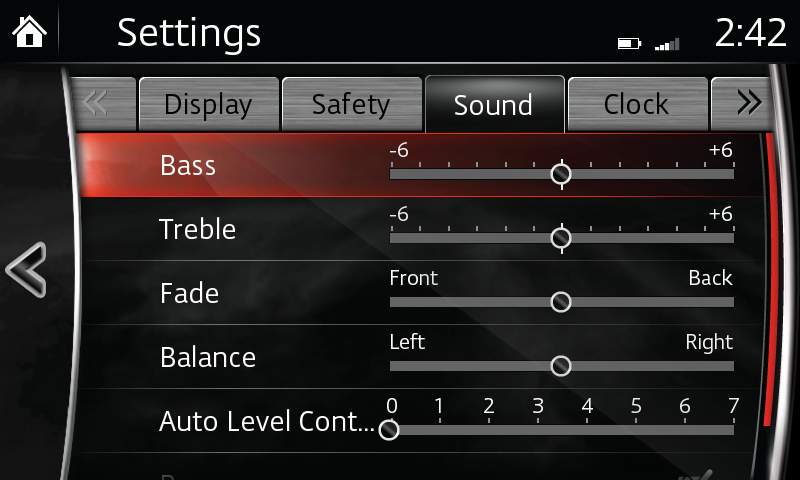
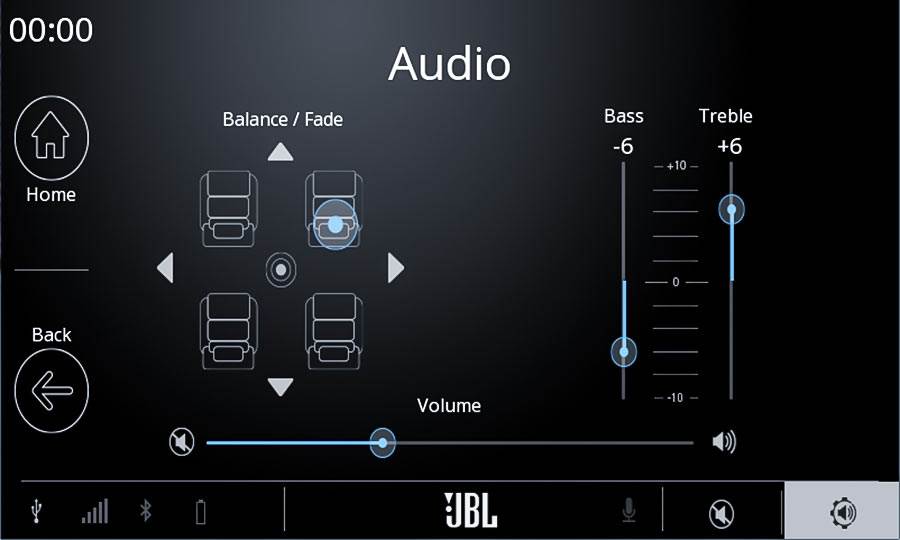
Start your car and turn on the audio system. Find the audio or sound settings menu on your display. Look for the fade option, often labeled as “FAD.” Use the control knob or touchscreen to adjust fade.
Slide or turn the control toward “Front” for more sound upfront. Move it toward “Rear” to boost sound at the back. Adjust slowly and listen carefully to changes in sound. Stop when the sound feels balanced and clear.
Test the fade setting with different music styles. This helps confirm the best sound spread for you. Save the setting if your system allows. Repeat adjustments anytime the seating changes or preferences shift.
Setting Balance Controls
Setting balance controls helps you adjust the audio between left and right speakers. This setting creates a better listening experience. You can move sound more to the left or right side, depending on your needs. Balance controls are useful in many situations, such as fixing uneven speaker placement or personal preference.
Left To Right Audio Positioning
The balance control moves sound from left to right speakers. Sliding it to the left makes sound louder on the left side. Sliding it to the right makes sound louder on the right side. Keep the balance in the center for equal sound from both sides. This is ideal for most music and movies. Small adjustments can improve clarity and comfort.
Common Mistakes To Avoid
Avoid setting balance too far to one side. It can cause uneven sound and fatigue. Do not confuse balance with volume control. Balance shifts sound left or right; volume changes loudness. Avoid extreme balance settings in stereo recordings. It may cut out important sounds or voices. Test balance adjustments at low and moderate volume levels for best results.
Using Audio Apps And Software
Using audio apps and software makes adjusting fade and balance simple. These tools help control sound levels between speakers or headphones. You can create smooth transitions and clear audio experiences. Both mobile devices and computers offer many options for these settings. Understanding how to use these apps improves your listening and editing skills.
Mobile App Controls
Many mobile apps allow easy fade and balance adjustments. Music players and audio editors have sliders or buttons. Slide left or right to balance sound between left and right channels. Use fade controls to gradually increase or decrease volume. Some apps offer presets for quick settings. These controls help customize sound on the go. No extra equipment needed, just your phone or tablet.
Pc And Mac Audio Tools
Computers provide powerful tools for fade and balance settings. Built-in sound settings let you adjust speaker balance. Audio editing software offers precise control over fades. Programs like Audacity or GarageBand have easy-to-use fade tools. You can set fade-in or fade-out effects for smooth audio changes. Adjust balance to fix uneven sound between speakers. These tools work well for music, podcasts, and videos.

Customizing Settings For Different Environments
Adjusting fade and balance settings helps improve sound quality in different places. Each environment changes how you hear music or voices. Custom settings make sound clear and pleasant. You get better audio by changing settings for specific spots.
Driving Conditions
In a car, road noise affects sound. Set balance to focus on the front speakers. This keeps voices clear and music rich. Fade should lean slightly toward the front seats. It helps drivers hear better without turning up volume too high.
Room Acoustics
Rooms have echoes and soft spots. Adjust fade and balance to match speaker placement. Balance sound evenly across the room for all listeners. Fade settings depend on where you sit. Make small changes to reduce echo and improve clarity.
Outdoor Listening
Outside, sounds spread differently. Wind and open space lower sound quality. Increase volume slightly for better hearing. Balance settings should focus on the center speakers. Fade can be adjusted to avoid sound loss on one side. This keeps music clear in open areas.
Troubleshooting Common Issues
Troubleshooting common issues with fade and balance settings helps improve your audio experience. Problems can arise from settings or hardware. Knowing how to fix these issues saves time and effort. This section covers simple solutions to common audio problems.
Uneven Sound Levels
Uneven sound levels cause one side to sound louder than the other. Check your balance control first. Make sure it is centered. Sometimes, sound levels differ because of speaker placement. Move speakers to equal distances from your listening spot. Also, check volume settings on each device connected. Resetting the fade control to the middle can help balance front and rear speakers.
Distorted Audio
Distorted audio makes sound unclear or fuzzy. Lower the volume if distortion occurs at high levels. High volume can overload speakers or headphones. Check audio cables for damage or loose connections. Bad cables cause poor sound quality. Try using different cables or ports. Adjust equalizer settings to reduce bass or treble that causes distortion. Ensure your audio drivers are up to date for smooth playback.
Hardware Limitations
Hardware limits affect fade and balance control. Some older devices may not support full fade range. Check your device manual for supported features. Low-quality speakers or headphones may not produce clear sound. Consider upgrading if sound issues persist. Audio interfaces or sound cards can also limit control. Test your setup on another device to isolate hardware problems.
Frequently Asked Questions
What Is Fade And Balance In Audio Settings?
Fade controls the sound volume between front and rear speakers. Balance adjusts audio distribution between left and right speakers. Together, they enhance listening experience by customizing sound placement inside a vehicle or room.
How To Adjust Fade And Balance On A Car Stereo?
Use your car stereo’s audio menu to find fade and balance settings. Adjust fade to shift sound front or rear. Modify balance to shift sound left or right. Save changes for personalized audio output while driving.
Why Is Setting Fade And Balance Important?
Proper fade and balance settings create a more immersive sound experience. They prevent sound distortion and ensure even audio distribution. This customization improves clarity and comfort, especially in vehicles with multiple speakers.
Can Fade And Balance Settings Affect Sound Quality?
Yes, correct fade and balance settings improve sound clarity and depth. Incorrect settings may cause sound distortion or uneven volume. Proper adjustment ensures balanced audio, enhancing overall sound quality and listener comfort.
Conclusion
Setting fade and balance controls helps improve your sound experience. Adjust these settings step-by-step for better audio clarity. Small changes can make a big difference in how music sounds. Practice often to find the right balance for your ears. Remember, clear and balanced sound makes listening more enjoyable.
Keep experimenting until you feel comfortable with the settings. Enjoy your favorite music with better sound quality every time.