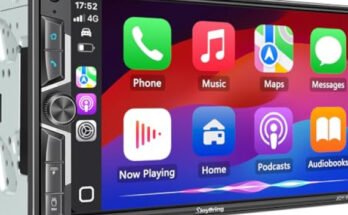
Choosing the right car stereo with navigation can change the way you drive. Imagine having clear directions, great sound, and easy controls all in one device.
But with so many options out there, how do you pick the perfect one for your needs? This guide will help you understand what features matter most and how to find a stereo that fits your car and lifestyle. Keep reading, and you’ll be ready to make a confident choice that keeps you on the right path every time you hit the road.

49% off Today's Exclusive Deals
Limited-time Exclusive Deals. Check current discount on Amazon.
Check Price on Amazon As an Amazon Associate I earn from qualifying purchases.Key Features To Consider
Choosing the right car stereo with navigation means focusing on key features. These features affect how well the system works for daily use. Pay close attention to these points to find the best fit for your car and needs.
Screen Size And Resolution
The screen must be large enough for easy viewing. A bigger screen shows maps clearly and helps control settings. High resolution makes images sharp and text easy to read. Avoid screens that are too small or blurry.
Navigation System Accuracy
Accurate navigation saves time and stress. The system should provide real-time updates on traffic and routes. Check if it uses reliable maps and updates often. Good accuracy helps avoid wrong turns and delays.
49% off Today's Exclusive Deals
Limited-time Exclusive Deals. Check current discount on Amazon.
Check Price on Amazon As an Amazon Associate I earn from qualifying purchases.Connectivity Options
Connectivity lets you link your phone and other devices. Look for Bluetooth, USB, and Wi-Fi support. These options enable hands-free calls, music streaming, and app use. More connections mean more convenience on the road.
Audio Quality And Power
Clear sound improves your driving experience. Choose a stereo with strong power output and good speakers. Look for features like equalizers to adjust sound settings. Better audio keeps you focused and entertained.
Compatibility With Your Car
The stereo must fit your car’s make and model. Check the size and wiring compatibility before buying. Some systems work only with certain vehicles. Proper fit avoids installation problems and extra costs.

Types Of Car Stereos With Navigation
Choosing the right car stereo with navigation can improve your driving experience. Different types of systems offer various features and installation methods. Understanding these types helps you pick what fits your needs and budget.
49% off Today's Exclusive Deals
Limited-time Exclusive Deals. Check current discount on Amazon.
Check Price on Amazon As an Amazon Associate I earn from qualifying purchases.Explore three main types: built-in systems, aftermarket head units, and portable navigation devices. Each type has pros and cons. Learn how they work and what to expect.
Built-in Systems
Built-in systems come pre-installed in many new vehicles. They blend well with the car’s interior design. These systems usually offer seamless integration with your car’s controls.
Navigation maps update through the car manufacturer or software apps. The screen size and quality depend on the car model. Built-in systems often support voice commands and Bluetooth.
Aftermarket Head Units
Aftermarket head units replace your car’s original stereo. They offer more features than some built-in systems. You can choose models with large touchscreens and advanced navigation.
Installation requires some effort or professional help. These units support apps like Google Maps and Apple CarPlay. They often include better sound options and smartphone connectivity.
Portable Navigation Devices
Portable devices are easy to carry and move between cars. They come with their own GPS and maps preloaded. These devices do not need internet to work.
Mount them on your dashboard or windshield for clear viewing. Portable devices are usually cheaper but offer fewer features. They suit drivers who travel in multiple vehicles.
Installation Options
Choosing a car stereo with navigation means thinking about how to install it. Installation affects how well the system works and fits in your car. You can pick professional help or do it yourself. Each choice has its benefits and things to consider.
Professional Installation
Professional installers have experience with many car models. They ensure the stereo fits well and works perfectly. Experts handle wiring safely and avoid damage to your vehicle. Installation is faster and usually includes a warranty. This option suits people who want peace of mind and a clean finish.
Diy Installation Tips
Installing a car stereo yourself saves money. Start by reading the manual carefully for instructions. Use the right tools to avoid breaking parts. Disconnect the car battery before working on wiring. Take your time to connect wires properly and test the system before finalizing. Watching online videos can help understand the process better.
Software And Map Updates
Software and map updates keep your car stereo navigation accurate and reliable. Road conditions and routes change often. Updated software helps avoid wrong turns and delays.
Choosing a system with easy updates ensures smooth navigation without extra hassle. Consider update frequency, costs, and how simple the updating process is.
Update Frequency
Maps should update regularly. Some systems offer updates every month. Others update once or twice a year. Frequent updates catch new roads and traffic changes fast. Check how often updates come with each model.
Cost Of Updates
Updates can be free or paid. Some brands include free updates for several years. Others charge for each update. Think about update costs over time. Free updates save money and keep your system current.
Ease Of Updating
Updating should be easy and quick. Some stereos update via Wi-Fi automatically. Others need a USB drive or computer connection. Choose a system with simple update steps. Complex updates waste your time and cause frustration.
Budget And Value
Choosing a car stereo with navigation involves thinking about budget and value. Your budget sets the limits on what you can buy. Value means getting good features for the money spent. Both matter to avoid spending too much or getting less than expected.
Price Ranges
Car stereos with navigation come in different price ranges. Basic models start low, around $100 to $200. These usually have simple navigation and sound. Mid-range options cost between $200 and $400. They offer better maps and extra features like Bluetooth. High-end models go over $400. These include large touchscreens, fast processors, and many apps.
Balancing Features And Cost
Think about which features you need most. A clear screen and reliable GPS are important. Extra features like voice control or smartphone support add value. Avoid paying for features you will not use. Choose a stereo that fits your daily driving habits. This helps keep costs reasonable while meeting your needs.
Long-term Value
Look for a stereo that lasts long and stays useful. Regular updates for maps keep navigation accurate. Good brand support means easier fixes and upgrades. Consider energy use and installation cost too. A product with good durability saves money over time. Choose wisely to enjoy your stereo for years.

User Interface And Controls
The user interface and controls of a car stereo with navigation affect your driving experience. Clear and simple controls help you stay safe and focused. You need to decide how you want to interact with the system. Choose a setup that feels natural and easy to use.
Touchscreen Vs Physical Buttons
Touchscreens look modern and offer many features. You can tap, swipe, and zoom maps quickly. But they may distract you more while driving. Physical buttons provide tactile feedback. You can feel the controls without looking away. Some stereos combine both for better control. Think about your comfort and safety first.
Voice Commands
Voice commands let you control the stereo without using hands. Speak directions, play music, or make calls easily. This keeps your eyes on the road. The system should recognize simple words clearly. Check if voice control works well in noisy cars. It makes driving safer and less stressful.
Ease Of Use While Driving
Controls must be simple to use while driving. Large buttons and clear icons help quick access. Avoid complex menus that take time to navigate. The screen should be bright and readable in sunlight. A good interface keeps distractions low and focus high. Choose a stereo that helps you drive safely.
Additional Features To Explore
Choosing a car stereo with navigation is more than just maps and directions. Many models come with extra features that improve your drive. These extras make your trips safer, easier, and more fun.
Explore these additional features to find a stereo that fits your needs.
Bluetooth And Hands-free Calling
Bluetooth lets you connect your phone to the stereo without wires. You can play music or answer calls while driving. Hands-free calling keeps your hands on the wheel and eyes on the road. It helps you stay focused and follow traffic rules.
Smartphone Integration
Some stereos work directly with your phone’s apps. You can use maps, music, and voice assistants easily. This feature allows quick access to your favorite apps. It keeps your phone safe and your drive less distracting.
Backup Camera Support
A stereo that supports a backup camera makes parking safer. You see what is behind your car on the screen. It helps avoid accidents and makes reversing easier. This feature is useful in tight or busy places.
Customizable Settings
Customizable settings let you adjust sound and display to your liking. Change bass, treble, or screen brightness quickly. You can save your preferences for different drivers. This makes every ride more comfortable and personal.

Frequently Asked Questions
What Features Matter Most In Car Stereos With Navigation?
Key features include touchscreen clarity, GPS accuracy, smartphone compatibility, and audio quality. Also, consider ease of use and connectivity options for the best experience.
How To Check Compatibility With My Car Model?
Verify the stereo’s size and wiring harness match your car. Consult your vehicle manual or seller for exact fit and compatibility.
Are Built-in Navigation Systems Better Than Phone Apps?
Built-in systems offer offline maps, better integration, and less phone distraction. However, phone apps provide frequent updates and real-time traffic info.
Can I Update Navigation Maps Easily?
Most car stereos allow map updates via USB or Wi-Fi. Regular updates improve accuracy and add new routes or points of interest.
Conclusion
Choosing the right car stereo with navigation improves every drive. Focus on features that match your needs and budget. Consider screen size, map updates, and ease of use. Good sound quality makes your trips more enjoyable. Don’t forget compatibility with your phone and car.
Take time to compare models before buying. A smart choice leads to safer, more fun journeys. Your perfect stereo is out there—just find it.