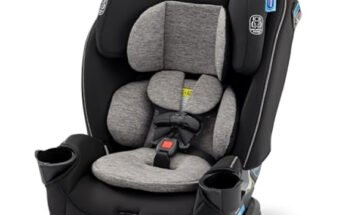
Keeping your child comfortable in a car seat can feel like a daily challenge. You want your little one to stay safe, but you also want them to be happy and calm during every ride.
If your child fusses, wiggles, or cries in the car, you’re not alone—and there are simple ways you can help. You’ll discover easy tips and smart tricks to make every car trip smooth and comfortable for your child. Ready to turn those stressful car rides into peaceful moments?

49% off Today's Exclusive Deals
Limited-time Exclusive Deals. Check current discount on Amazon.
Check Price on Amazon As an Amazon Associate I earn from qualifying purchases.Let’s get started.
Choosing The Right Car Seat
Choosing the right car seat is crucial for your child’s comfort and safety. The correct seat supports your child’s body properly. It also makes car rides more enjoyable for both of you. Understanding the key factors helps you pick the best option.
Size And Weight Guidelines
Every car seat has size and weight limits. These rules keep your child safe and comfortable. Check the label to match your child’s current size. A seat too big or too small can cause discomfort. Make sure the seat fits your child snugly but not tightly.
49% off Today's Exclusive Deals
Limited-time Exclusive Deals. Check current discount on Amazon.
Check Price on Amazon As an Amazon Associate I earn from qualifying purchases.Types Of Car Seats
There are several types of car seats. Infant seats are designed for newborns and small babies. Convertible seats adjust as your child grows. Booster seats help older children sit higher and use the car’s seat belt properly. Each type fits different ages and sizes.
Expiration Dates And Safety Standards
Car seats have expiration dates. Materials can wear out over time. Using an expired seat risks your child’s safety. Look for labels showing the manufacture date and expiry. Also, check if the seat meets current safety standards. This ensures it passed important crash tests.
Proper Installation Techniques
Proper installation of a car seat is key to keeping your child safe and comfortable. A well-installed seat reduces movement and protects your child during travel. It also helps your child relax and enjoy the ride.
Follow clear steps to ensure the car seat fits perfectly. Check the car seat manual and the vehicle guide for specific instructions. Use the right tools and techniques to secure the seat.
49% off Today's Exclusive Deals
Limited-time Exclusive Deals. Check current discount on Amazon.
Check Price on Amazon As an Amazon Associate I earn from qualifying purchases.Using Latch And Seat Belts
Most modern cars have a LATCH system to attach car seats easily. LATCH stands for Lower Anchors and Tethers for Children. Use the lower anchors and tether strap to secure the car seat tightly.
If your car does not have LATCH, use the seat belts. Thread the seat belt through the car seat’s belt path. Lock the seat belt by pulling it tight. Make sure the seat belt holds the car seat firmly in place.
Checking For Secure Fit
After installing the car seat, test its stability. Grab the seat near the belt path and shake it. The seat should not move more than one inch side to side or front to back.
Check the angle of the seat. Some seats have indicators to show the correct recline. A proper angle prevents your child’s head from falling forward and keeps them comfortable.
Common Installation Mistakes
One common mistake is leaving the seat loose. A loose seat can cause injury during sudden stops. Tighten straps and belts until the seat does not shift.
Another mistake is using the wrong belt path. Always follow the car seat manual for the correct route. Using the wrong path can reduce the seat’s safety.
Avoid installing the seat in the front passenger seat. The back seat is safer and recommended for children. Airbags can be dangerous for car seats in the front.
Adjusting The Harness And Straps
Adjusting the harness and straps is key to your child’s comfort and safety in a car seat. The right fit keeps your child secure and helps them sit comfortably during trips. Tightening or loosening the straps properly ensures no pinching or slipping.
Correct Harness Position
The harness should sit at or just above your child’s shoulders. This position holds your child safely in place. For rear-facing seats, straps go below the shoulders. For forward-facing seats, they go above. Always check the car seat manual for exact guidance.
Avoiding Over-tightening
Straps should be snug but not too tight. You should fit one finger between the harness and your child’s collarbone. Too tight causes discomfort and skin marks. Too loose risks safety in a crash. Balance tightness for comfort and security.
When To Re-adjust
Adjust the harness after each growth spurt. Also, re-check after adding bulky clothes or blankets. If your child moves a lot, check the straps more often. Regular adjustment keeps the fit safe and comfortable during every ride.
Clothing Tips For Comfort
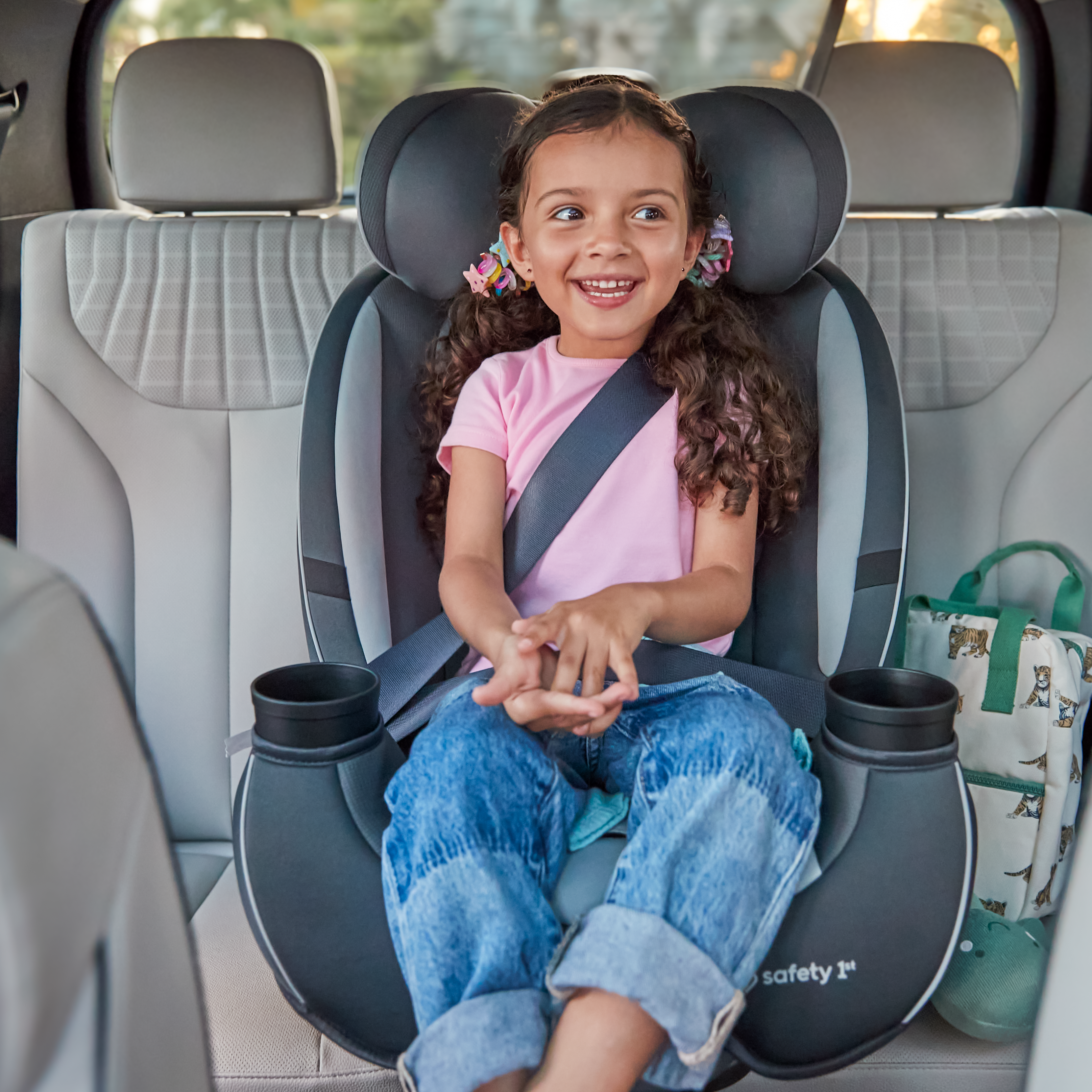
Choosing the right clothes helps keep your child cozy in their car seat. Comfort matters a lot on every trip. Clothes that fit well and suit the weather make a big difference. They keep your child relaxed and safe while strapped in. Follow these simple clothing tips for better comfort during car rides.
Avoiding Bulky Clothes
Bulky clothes like thick jackets can cause safety risks. They make the car seat straps loose. Straps must be snug to protect your child. Instead of heavy coats, use thin layers under the harness. Remove big coats before strapping your child in. Keep the seat belts tight and safe.
Layering For Temperature Control
Layering clothes helps control your child’s temperature easily. Start with a soft cotton shirt as the base layer. Add a light sweater or jacket for warmth. Layers can be taken off or added during the trip. This way, your child stays comfortable without overheating or feeling cold.
Seasonal Clothing Advice
Dress your child according to the season for best comfort. Use warm hats and mittens in winter, but avoid thick gloves in the car seat. In summer, choose lightweight, breathable fabrics like cotton. Avoid clothes that make your child sweat. Proper seasonal clothing keeps your child happy and comfy.
Keeping Your Child Entertained
Keeping your child entertained in a car seat makes trips easier for everyone. It helps prevent fussiness and keeps your child calm. Simple activities can make car rides fun and peaceful. Here are some ideas to keep your child happy and busy.
Safe Toys And Accessories
Choose soft toys that attach safely to the car seat. Avoid small parts that can be choking hazards. Look for toys with bright colors and different textures. These toys keep your child’s hands busy and mind engaged. Use toys that are easy to clean and durable.
Interactive Games
Play simple games like “I Spy” or counting cars. Use picture books with large, clear images. Let your child point to colors or animals you name. These games help your child learn and stay focused. Keep the games short and change them often.
Music And Audiobooks
Play gentle songs or nursery rhymes your child enjoys. Audiobooks with stories can hold their attention for longer rides. Choose stories with clear voices and simple plots. Singing along or listening quietly helps your child relax. Use volume low enough to protect little ears.

Maintaining A Comfortable Temperature
Keeping your child comfortable in a car seat means managing the temperature well. Cars can get very hot or cold quickly. A good temperature helps your child stay calm and happy during the ride. Here are easy ways to keep the car seat cozy and safe.
Using Sunshades
Sunshades block direct sunlight from hitting your child. They reduce heat inside the car. Attach them to the windows near the car seat. This keeps bright light and heat away. Your child stays cooler and avoids sunburn. Sunshades are simple tools that work well on sunny days.
Ventilation Tips
Good airflow helps balance the car’s temperature. Open windows a little for fresh air. Use the car’s air conditioning or fan to circulate air. Avoid blowing cold air directly on your child. Aim for gentle airflow around the car seat. Ventilation keeps the space fresh and comfortable.
Monitoring Child’s Comfort
Check your child often during the trip. Feel their neck or back to see if they are too hot or cold. Look for signs like sweating or shivering. Adjust clothing layers to match the temperature. Bring a small blanket for cooler weather. Watching your child’s comfort helps prevent distress and keeps the ride peaceful.
Frequent Breaks And Movement
Keeping your child comfortable in a car seat means more than just a good seat. Frequent breaks and movement help prevent fussiness and discomfort. Sitting in one spot too long can make children restless and cranky.
Stopping often lets your child stretch and move. This also helps reduce pressure on their body and keeps them calm. Regular breaks make the trip safer and more enjoyable for everyone.
Recommended Break Intervals
Plan to stop every 1 to 2 hours on longer trips. Shorter drives may need fewer breaks. Frequent pauses let your child change position and relax muscles. These breaks help avoid stiffness and restlessness.
Stretching And Walking
Use breaks for simple stretches and walking. Let your child stand up and move their arms and legs. Walking around a bit gets blood flowing and eases tension. Try small games or activities to keep it fun and light.
Signs Your Child Needs A Break
Watch for signs like fussiness, crying, or squirming. If your child pulls at the straps or tries to climb out, it’s time to stop. Yawning or rubbing eyes also signals tiredness. Taking breaks at these moments keeps your child happy and safe.
Safety Checks During Trips
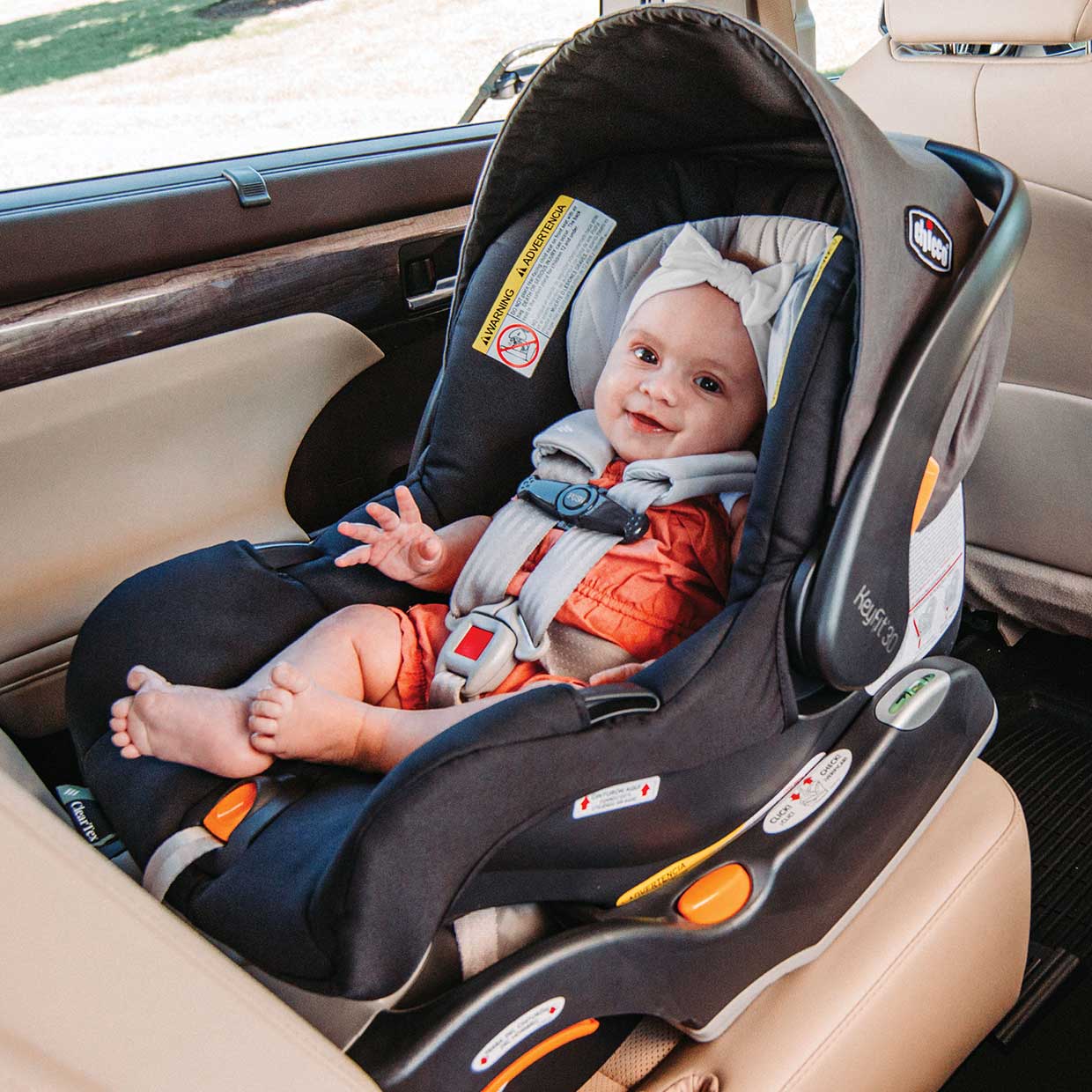
Keeping your child safe and comfortable during car rides is very important. Regular safety checks help prevent discomfort and danger. These checks ensure the car seat fits well and protects your child properly. Small adjustments can make a big difference in comfort and safety.
Monitoring Harness Tightness
Check the harness before each trip. It should be snug but not too tight. You should not be able to pinch any slack. A loose harness can cause injury during sudden stops. A tight harness keeps your child secure and comfortable.
Adjusting For Growth
Children grow fast. Adjust the car seat straps as your child grows. The harness should sit at or just above the shoulders. Make sure the headrest supports the head well. Regular adjustments keep the seat effective and comfy.
Emergency Preparedness
Always keep emergency supplies in the car. Have a small first aid kit and water. Know how to quickly release the harness. Being prepared helps you stay calm during unexpected situations. Safety is more than just the car seat.
Frequently Asked Questions
How Can I Prevent My Child From Overheating In A Car Seat?
Dress your child in lightweight clothes and use a breathable car seat cover. Avoid heavy blankets. Ensure proper ventilation by cracking windows or using sunshades to keep the car cool during trips.
What Is The Best Way To Adjust Car Seat Straps For Comfort?
Straps should be snug but not too tight. Position the harness at or below shoulder level for infants, and at or above for toddlers. Check regularly to ensure straps aren’t twisted and fit securely.
How Often Should I Take Breaks On Long Car Rides?
Plan breaks every 1. 5 to 2 hours to let your child stretch and move. This helps reduce fussiness and discomfort. Use breaks to offer snacks, drinks, and change diapers if needed.
Can I Use Car Seat Accessories To Improve Comfort?
Only use accessories approved by the car seat manufacturer. Avoid aftermarket products not tested for safety. Properly designed head supports or padding can enhance comfort without compromising safety.
Conclusion
Keeping your child comfortable in a car seat takes simple steps. Choose the right seat size and adjust straps properly. Use soft blankets or covers for extra comfort. Take breaks on long trips to stretch and relax. Watch your child’s mood and fix any discomfort quickly.
Small changes make rides safer and happier. Enjoy every trip with your little one calm and cozy. Comfort and safety go hand in hand on the road.