Have you ever tried cleaning your car with a vacuum and wondered, “Is this noise really necessary?” If you’re tired of loud, buzzing vacuums shaking your nerves, you’re not alone. You want a clean car without the headache of a noisy machine.
You’ll discover why car vacuums can be loud, what affects their noise levels, and how to find one that keeps your ride spotless without driving you crazy. Keep reading—you’ll learn how to enjoy a quieter, cleaner car in no time.

49% off Today's Exclusive Deals
Limited-time Exclusive Deals. Check current discount on Amazon.
Check Price on Amazon As an Amazon Associate I earn from qualifying purchases.Noise Levels Of Car Vacuums
Car vacuums are useful tools for keeping your vehicle clean. Noise levels matter because loud vacuums can be annoying. Understanding how loud these vacuums are helps you pick the right one. Noise depends on several factors that we will explore below.
Typical Decibel Range
Most car vacuums make noise between 60 and 80 decibels. This range is about as loud as a normal conversation or background music. Some quieter models run at around 60 decibels, while more powerful ones reach up to 80 decibels. Noise at 80 decibels can feel loud but usually does not cause hearing damage if exposure is short.
Factors Influencing Noise
Motor power strongly affects noise levels. Stronger motors tend to produce more sound. The vacuum’s design also matters. Compact and well-insulated models reduce noise better. The surface being cleaned changes sound too. Hard surfaces reflect sound, making the vacuum seem louder. Soft surfaces absorb sound and lower noise. Maintenance plays a role as well. A clogged filter or dirty vacuum parts increase noise during use.
49% off Today's Exclusive Deals
Limited-time Exclusive Deals. Check current discount on Amazon.
Check Price on Amazon As an Amazon Associate I earn from qualifying purchases.
Credit: www.caranddriver.com
Types Of Car Vacuums
Car vacuums come in different types. Each type has its own features and noise levels. Knowing these types helps you choose the right vacuum for your car.
Corded Models
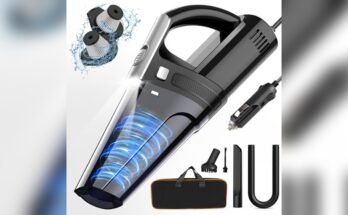
Corded car vacuums plug into a power outlet. They usually have strong suction power. These models can be louder due to their powerful motors. The cord limits how far you can move around the car.
Cordless Models
Cordless vacuums run on batteries. They are quieter and easy to carry. You can move freely without worrying about a cord. Battery life can limit cleaning time. These are good for quick cleanups.
49% off Today's Exclusive Deals
Limited-time Exclusive Deals. Check current discount on Amazon.
Check Price on Amazon As an Amazon Associate I earn from qualifying purchases.Wet And Dry Vacuums
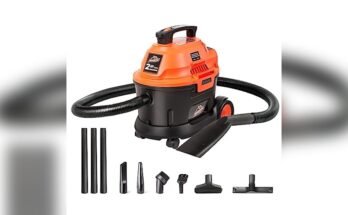
Wet and dry vacuums clean both liquids and dirt. They are heavier and may be louder. These vacuums are useful for spills and regular dust. Noise levels vary by brand and model.
Comparing Car Vacuum Noise To Household Vacuums
Car vacuums and household vacuums serve similar purposes but differ in noise levels. Understanding their noise differences helps choose the right vacuum for your needs.
Car vacuums are usually smaller and designed for quick cleaning. Household vacuums are bigger and made for deep cleaning large spaces. This size difference affects how loud they are.
Car vacuums tend to be quieter due to smaller motors. Their noise usually stays around 60 to 70 decibels. This level is similar to normal conversation or background music. The compact design helps reduce loud sounds inside cars.
Noise Levels Of Household Vacuums
Household vacuums often produce noise between 70 and 85 decibels. This is louder than car vacuums. The bigger motor creates more suction but also more noise. This noise can be uncomfortable in small rooms or apartments.
Why Car Vacuums Are Quieter
Car vacuums use less power and have smaller motors. They clean smaller spaces, so less suction is needed. This lowers the noise output. Also, many car vacuums have noise-reducing features. This makes them better for quick, quiet cleaning in cars.
When Noise Matters Most
Quiet vacuums are important for shared spaces or late-night use. Car vacuums fit well in these cases. Household vacuums are better for big jobs but can disturb others. Consider noise if cleaning time or place matters.

Credit: www.caranddriver.com
Impact Of Loud Noise On Users
Loud noise from car vacuums can affect users in several ways. It is important to understand how this noise impacts hearing and comfort. Loud sounds may cause discomfort and long-term issues.
Hearing Concerns
Car vacuums often produce noise above 70 decibels. Prolonged exposure to such noise can harm hearing. Users may experience ringing or temporary hearing loss. Children and older adults are more sensitive to loud sounds. Protecting ears during vacuum use is crucial to avoid damage.
User Comfort
Loud noise can make cleaning stressful and tiring. Users may avoid vacuuming because of discomfort. High noise levels also cause headaches and fatigue. Quiet vacuums improve user experience significantly. Comfortable cleaning encourages regular use and better car care.
Ways To Reduce Car Vacuum Noise
Car vacuums can be noisy, which may bother some users. Reducing this noise improves your cleaning experience. Several simple steps help lower the sound levels. These steps make your car vacuum quieter and more pleasant to use.
Choosing Quieter Models
Select car vacuums designed for low noise. Check product descriptions for decibel levels. Models with noise reduction features work best. Smaller motors often produce less sound. Reading user reviews reveals which vacuums run quietly.
Maintenance Tips
Keep your car vacuum clean and well-maintained. Empty dust containers regularly to avoid blockages. Clean or replace filters often for smooth airflow. Remove debris from brushes and nozzles. A clean vacuum motor runs quieter and longer.
Using Noise Dampening Accessories
Use mats or pads to absorb vacuum noise. Placing the vacuum on soft surfaces helps too. Silicone or rubber covers reduce motor vibrations. Noise dampening accessories limit sound transmission. These simple additions lower the vacuum’s noise output.
When Is Noise Level A Dealbreaker?
Noise level is a key factor when choosing a car vacuum. Loud vacuums can cause discomfort or disturb others. Knowing when noise is a dealbreaker helps pick the right tool. Some situations need quiet operation for a better experience. Others require a balance between power and noise.
Situations Requiring Quiet Operation
Quiet vacuums suit shared spaces, like apartments or offices. They prevent disturbing family members or neighbors. Using them at night calls for low noise. Parents cleaning around sleeping babies need silence. Quiet operation also helps in small cars, avoiding echoes.
Balancing Power And Noise
Power and noise often go hand in hand. Strong suction usually means louder sound. Some vacuums offer good power with less noise. Noise reduction features help, but may reduce strength. Finding a balance depends on your cleaning needs. Consider how often and where you will use it.
Future Trends In Car Vacuum Design
Car vacuums are evolving quickly. Designers focus on making them quieter and more efficient. New technology helps reduce noise and improve power. These changes make car cleaning easier and more pleasant.
Future models will have better noise control and smarter motors. These improvements will help users clean without loud distractions. Let’s explore some key trends in this area.
Advancements In Noise Reduction
Noise reduction is a top priority for car vacuum makers. New materials absorb sound better than before. Special designs block noise from reaching the ear. Soft rubber and foam parts reduce vibration sounds.
Some models use double walls or soundproof covers. These features lower the vacuum’s noise without losing power. Quiet operation means users can clean anytime without disturbing others.
Innovative Motor Technologies
Motor design plays a big role in noise levels. New motors run smoother and use less energy. Brushless motors are popular for being quiet and strong. They last longer and need less maintenance.
Some car vacuums use smart sensors to control motor speed. This helps adjust power based on the dirt level. The vacuum stays quiet during light cleaning and powers up only when needed.
:max_bytes(150000):strip_icc():focal(1999x0:2001x2)/peo-car-vacuums-test-dirt-devil-scorpion-plus-corded-handheld-cleaner-sd30025b-walmart-dburreson-020-10-1-60d02502982545b6b1b4d1707dee7e1d.jpeg)
Credit: people.com
Frequently Asked Questions
Are Car Vacuums Generally Loud Or Quiet?
Car vacuums vary in noise levels. Most models produce moderate noise around 60-70 decibels. Some premium vacuums are designed to be quieter, making cleaning less disruptive.
What Factors Affect The Noise Level Of Car Vacuums?
Noise depends on motor power, vacuum design, and suction strength. Higher suction usually means louder noise. Sound insulation and motor quality also influence overall noise.
Can Loud Car Vacuums Damage Your Hearing?
Using a loud vacuum briefly is unlikely to harm hearing. However, prolonged exposure above 85 decibels may cause hearing damage. Always use ear protection if vacuuming for long periods.
Are Cordless Car Vacuums Quieter Than Corded Ones?
Cordless car vacuums tend to be quieter due to smaller motors. However, their suction power is often less than corded models, affecting cleaning efficiency.
Conclusion
Car vacuums can be noisy, but noise levels vary by model. Some are quieter and better for small spaces. Choosing one depends on your noise comfort and cleaning needs. Remember, a louder vacuum may mean stronger suction. Always check product details before buying.
Quiet or not, car vacuums help keep your vehicle clean. Find the right balance for your car and peace.