A Honda Civic power window problem usually points to one of a few specific failures, and knowing which one saves you time and money. The window might be stuck, moving slowly, or completely dead, but the cause isn't random. Most issues come from the motor, the regulator, the switch, or the wiring connecting them.
Per manufacturer specifications, a healthy window motor draws between 5 and 10 amps under load. A fuse rated for 20 or 30 amps typically protects that circuit. If the fuse blows or the draw falls outside that range, you've found your starting point.
49% off Today's Exclusive Deals
Limited-time Exclusive Deals. Check current discount on Amazon.
Check Price on Amazon As an Amazon Associate I earn from qualifying purchases.Let's walk through exactly what to check and in what order.
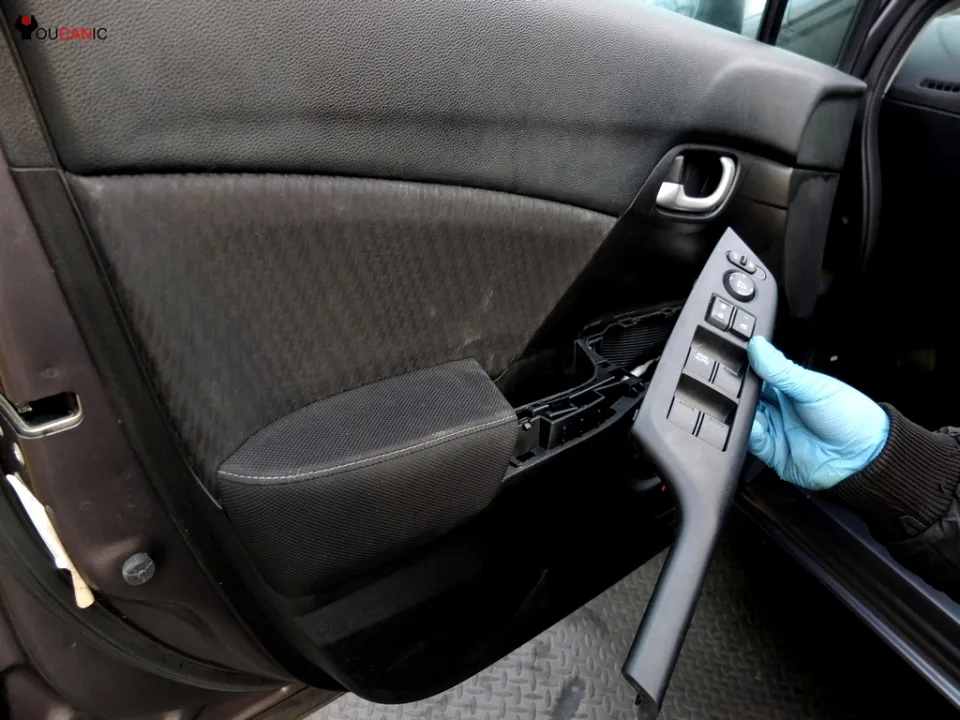
Image source: Bing (Web (fair-use with source credit))
49% off Today's Exclusive Deals
Limited-time Exclusive Deals. Check current discount on Amazon.
Check Price on Amazon As an Amazon Associate I earn from qualifying purchases.Quick Answer: Honda Civic Power Window Problem
A Honda Civic power window problem is usually caused by a failed window motor, a broken regulator, a bad switch, or a wiring fault. First, determine if one window or multiple windows aren't working. Check the interior fuse box for a blown fuse.
Test the master switch and the individual door switch. If the motor hums but the glass won't move, the regulator is likely broken. If there's no sound at all, test the motor directly with a 12V source.
Why Your Civic Window Stopped Working (And What It Probably Is)
Think of the power window system as a simple circuit with a few key players. You have the switch that sends the command, the wiring that carries the power, the motor that creates movement, and the regulator that turns that spinning motion into up-and-down glass travel. When one part fails, the whole system stops.
Our research across common failure reports shows the window regulator is the most frequent culprit on higher-mileage Civics. The regulator uses a cable-and-pulley system that frays or snaps over time. The motor itself can burn out too, but the mechanical regulator usually gives up first.
49% off Today's Exclusive Deals
Limited-time Exclusive Deals. Check current discount on Amazon.
Check Price on Amazon As an Amazon Associate I earn from qualifying purchases.A less common but critical issue is wiring damage in the flexible boot between the door and the car body. Wires here flex every time you open the door and can eventually break, causing intermittent or total loss of function.
Honda has issued technical service bulletins for certain model years addressing premature regulator wear. It's worth checking whether your specific year is covered before buying parts.
Here's a quick breakdown of what typically fails and why:
| Likely Cause | Typical Symptom | Common On |
|---|---|---|
| Window Regulator | Motor runs, glass doesn't move, or falls into door | 8th & 9th gen (2006–2015) |
| Window Motor | No sound at all, or a faint hum | All generations, high-mileage |
| Master Switch | One window works from its own switch but not the master | Common electrical wear item |
| Door Wiring Harness | Windows work intermittently, especially when door moves | Cars in harsh climates |
| Blown Fuse | All windows on a circuit are dead | Any electrical short |
If you're noticing electrical glitches beyond just the windows, like door locks acting up or mirrors losing power, the root cause may be broader. A Nissan Rogue power window problem often traces back to similar wiring or switch failures, which shows how common these issues are across different vehicles.
Identify Your Exact Problem: Single Window or Multiple Windows?
This is the most important first step. The answer changes everything about where you look next.
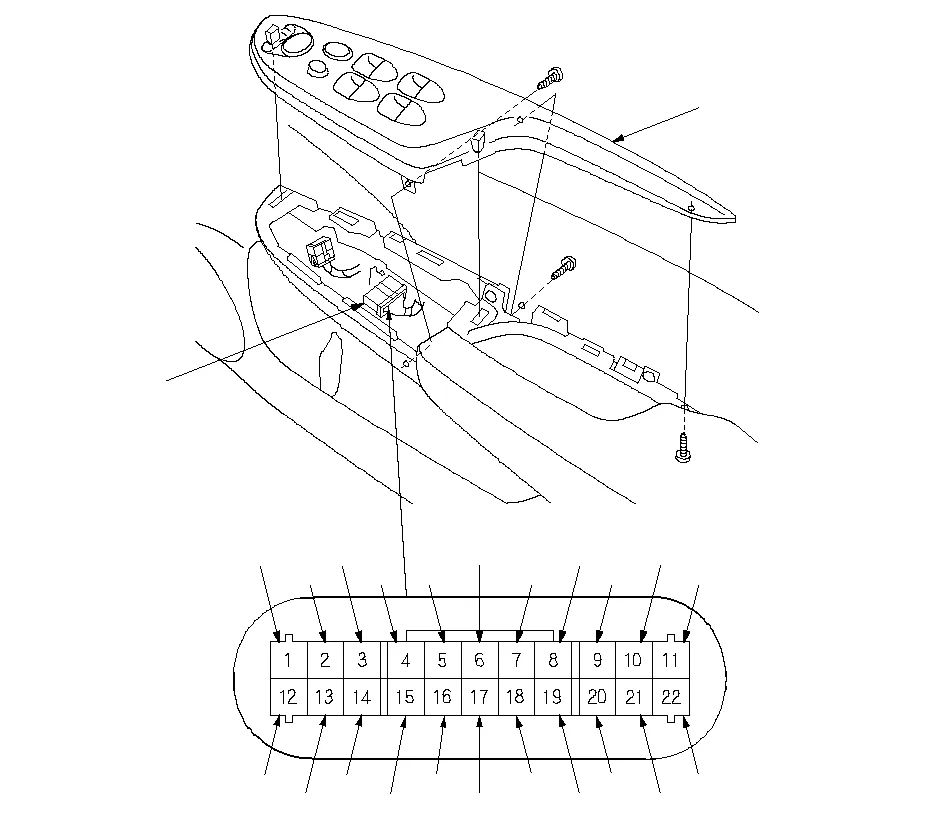
Image source: Bing (Web (fair-use with source credit))
If only one window doesn't work: The problem is almost certainly in that specific door. It's likely the motor, regulator, switch, or wiring inside that door panel. You can focus all your attention there.
If multiple windows don't work: Now you're looking at a system-wide issue. Start with the fuse. In most Civic models, the power window fuse is in the interior fuse box under the dashboard on the driver's side.
A blown fuse can knock out both front windows, or sometimes windows on the entire side of the car.
If the driver's master switch doesn't control other windows, but those windows work from their own doors: The master switch cluster is your prime suspect. The contacts inside wear out over years of use and may need cleaning, repair, or replacement.
Here's a decision flow to follow:
- Test the non-working window from its own individual door switch.
- If it works from its own switch: The problem is likely in the master switch or its wiring.
- If it doesn't work from its own switch: The problem is inside that door. Move on to the motor and regulator.
Door electrical problems are frustratingly common across many vehicles. Similar troubleshooting logic applies to a Mazda CX-5 door lock problem or a Kia Sportage door lock problem, where the door wiring boot is often the hidden culprit.
If Only One Window Is Dead: Step-by-Step Diagnosis
Now we're inside the specific door. Gather your tools: a trim panel tool, a Phillips screwdriver, a 10mm socket, and a multimeter.
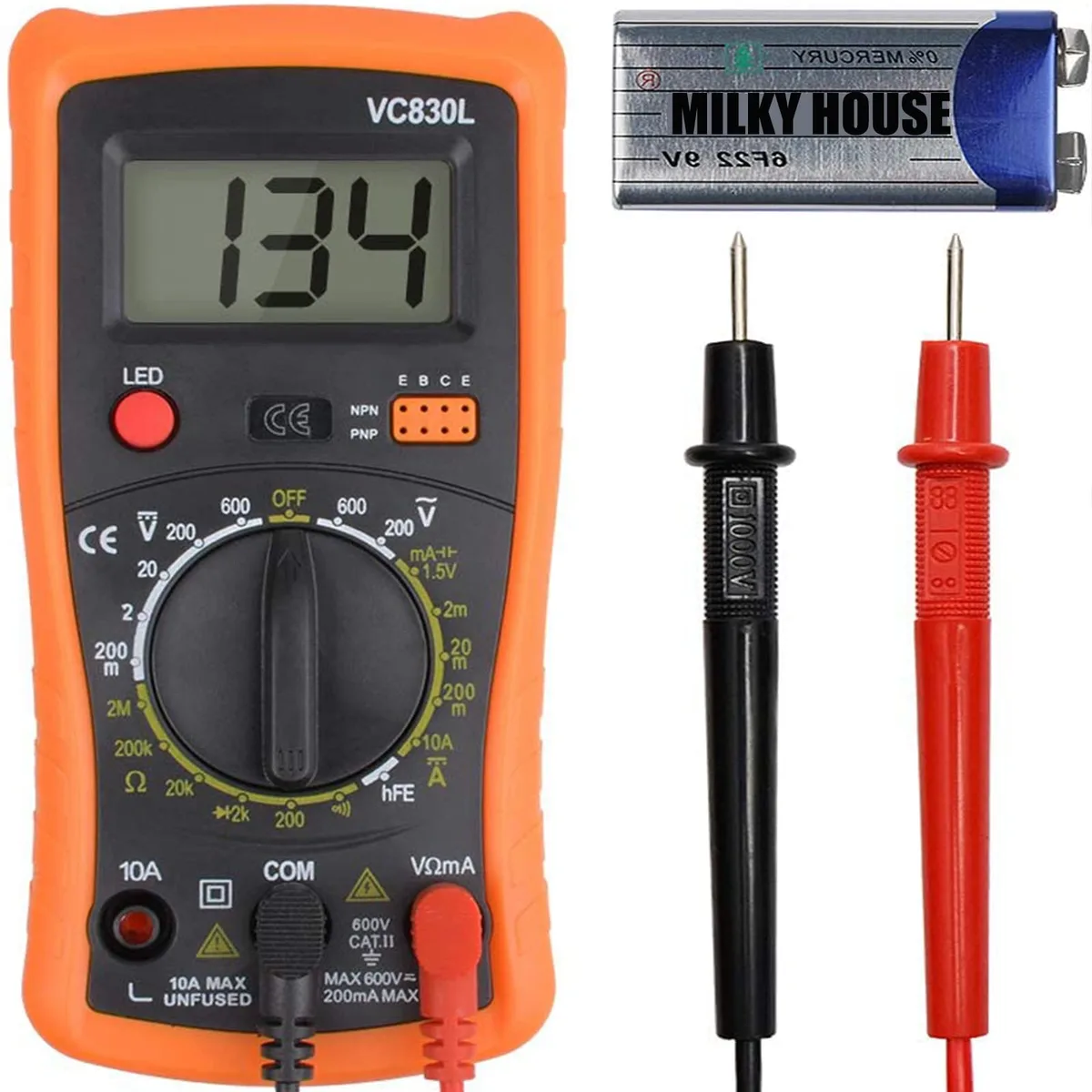
Image source: Web (Bing) / animalia-life.club (Web image (fair-use with source credit))
Step 1: Listen for the Motor
Have a helper press the switch while you hold your ear near the door panel. Listen for a humming or whirring noise.
- Yes, you hear it run: The motor is getting power. The fault is mechanical. The regulator cable has probably snapped or the motor gear is stripped. The glass may be disconnected from the regulator.
- No, you hear nothing: The motor isn't getting power. This points to an electrical fault: a bad switch, broken wire, dead motor, or blown fuse.
Step 2: Directly Test the Motor
This is the definitive test. It bypasses the switch and wiring to isolate the motor.
- Remove the door panel. This involves removing screw covers, unscrewing the visible bolts, and carefully popping the plastic clips around the perimeter.
- Locate the motor on the regulator assembly. Unplug its electrical connector.
- Connect a fused 12V power source directly to the motor terminals. Use a spare fuse holder with a 10A fuse in line for safety. Apply power one way for "up," reverse for "down."
- If the motor runs: The motor is good. The problem is in the wiring, switch, or a poor ground connection in the door.
- If the motor does nothing: The motor is dead. Replacement is needed. On most Civics, swapping the entire regulator-motor assembly as a single unit is the most practical fix.
A Kia Sportage alternator problem can teach you similar lessons about testing electrical components directly. Bypassing switches and testing at the source is a fundamental diagnostic move for any automotive electrical fault.
If Multiple Windows or Master Switch Is the Issue
When more than one window acts up, think upstream from the individual doors.
Check the Fuse First
Consult your owner's manual for the exact fuse location. It's typically a 20A or 30A fuse in the interior fuse panel. A blown fuse will be visibly broken inside.
If it's blown, replace it with the same amperage rating. If it blows again immediately, you have a short circuit in the wiring that needs tracing.
Test the Master Switch
The master switch on the driver's door is a common failure point. Our research on aggregate repair data shows it's the second most common cause after the regulator. If only the master switch's control is faulty (for example, it can't operate the passenger window, but that window works from its own switch), the master cluster is the issue.
Replacement involves removing the door panel and swapping the unit.
Inspect the Door Wiring Boot
Open the driver's door and look at the rubber accordion boot connecting the door to the car's body. Gently pull it back and inspect the wiring inside. Wires can become brittle, crack, or break from constant flexing.
A break here can disrupt signals for multiple windows, door locks, and mirror controls.
The NHTSA recall database is worth checking for your specific model year. Honda has recalled certain Civic model years for window-related defects, and you may be eligible for a free repair if yours is covered.
Repairing or splicing broken wires in this boot can resolve multiple phantom electrical problems at once. If the issue involves door locks or mirrors alongside the windows, the wiring boot is almost always where to look first.