If your Nissan Rogue power window problem has left you stuck, literally, you're not alone. Aggregate owner reports show power window failures rank among the top electrical complaints for Rogue models from 2014 through 2020. The good news is most of these issues trace back to a handful of common culprits, and many are fixable in your driveway.
In most cases, a basic diagnosis takes under 15 minutes with a fuse puller and your ears. Repair costs range from $5 for a blown fuse to around $200 for a master switch assembly, depending on what's actually wrong. As of 2026, parts availability for Rogue window components remains strong across both OEM and aftermarket suppliers.
49% off Today's Exclusive Deals
Limited-time Exclusive Deals. Check current discount on Amazon.
Check Price on Amazon As an Amazon Associate I earn from qualifying purchases.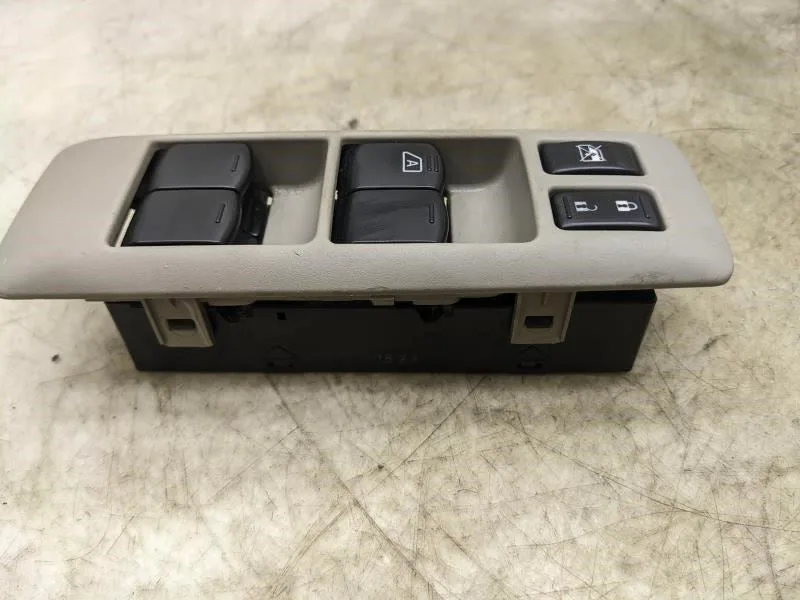
Image source: Bing (Web (fair-use with source credit))
What's Going On — The 5 Most Likely Causes of a Nissan Rogue Window Failure
When a Rogue window stops working, the problem almost always falls into one of five categories. Knowing which one saves you from replacing parts you don't need.
49% off Today's Exclusive Deals
Limited-time Exclusive Deals. Check current discount on Amazon.
Check Price on Amazon As an Amazon Associate I earn from qualifying purchases.1. Blown Fuse or Faulty Relay
The window circuit is protected by a 10A or 20A fuse in the under-dash fuse box. If the fuse is blown, all windows on that circuit die at once. This is the cheapest and easiest fix.
2. Failed Master Switch
The driver's master switch controls all four windows. If your driver's window works from the master but not from its own switch, or if multiple windows fail simultaneously, the master switch assembly is the prime suspect. Nissan issued technical service bulletins for switch failures in certain model years.
49% off Today's Exclusive Deals
Limited-time Exclusive Deals. Check current discount on Amazon.
Check Price on Amazon As an Amazon Associate I earn from qualifying purchases.3. Bad Window Motor or Regulator
Hear a grinding noise or notice the window moving sluggishly before stopping? The motor or regulator is likely failing. The regulator is the mechanical track system that moves the glass.
When its cables snap or the motor burns out, the window may drop right into the door.
4. Broken Wiring in the Door Jamb
The wiring harness between the door and body flexes every time you open the door. Over years of use, wires fatigue and break inside the rubber boot. This causes intermittent failures that come and go with the weather or road vibration.
5. Corroded Switch Contacts
Moisture or spills can corrode the contacts inside the switch itself. This is especially common in rear door switches where kids or passengers spill drinks. Cleaning the contacts sometimes buys you time, but replacement is usually the permanent fix.
For a related window issue on a different SUV, our guide on the Hyundai Tucson power window problem covers similar diagnostic steps.
Before You Spend a Dime — The 60-Second Checks Anyone Can Do
Image source: Web (Bing) / lease.amtauto.co.uk (Web image (fair-use with source credit))
Before you buy parts or book an appointment, run through these quick checks. They rule out the easiest fixes first.
Step 1: Check the Window Lock
Make sure the window lock button on the driver's door isn't engaged. It disables all passenger window switches. Sounds obvious, but it's the number one false alarm.
Step 2: Test Each Switch Individually
Try operating each window from its own door switch. If a window works from its own switch but not from the master, the problem is likely the master switch. If it doesn't work from either, move to the next step.
Step 3: Locate and Inspect the Fuse
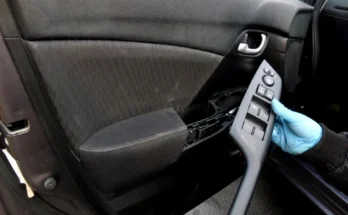
The interior fuse box sits under the dashboard to the left of the steering wheel. Pull the cover and find the fuse labeled "POWER WINDOW." A blown fuse shows a broken metal strip inside. Replace it with one of the same amperage.
Never go higher.
Step 4: Listen for Sound
Press the window switch and listen.
- Silence means an electrical issue (fuse, wiring, or switch).
- Clicking or humming means the motor has power but the regulator is stuck.
- Grinding means the regulator gears are stripped.
If the fuse blows immediately after replacement, you have a short circuit in the wiring. That's where most DIYers hit a wall. For electrical issues that seem simple but aren't, our Hyundai Tucson battery keeps dying article explains how intermittent drains can mimic other problems.
The Full Diagnostic Flowchart — Follow the Path That Matches Your Symptoms
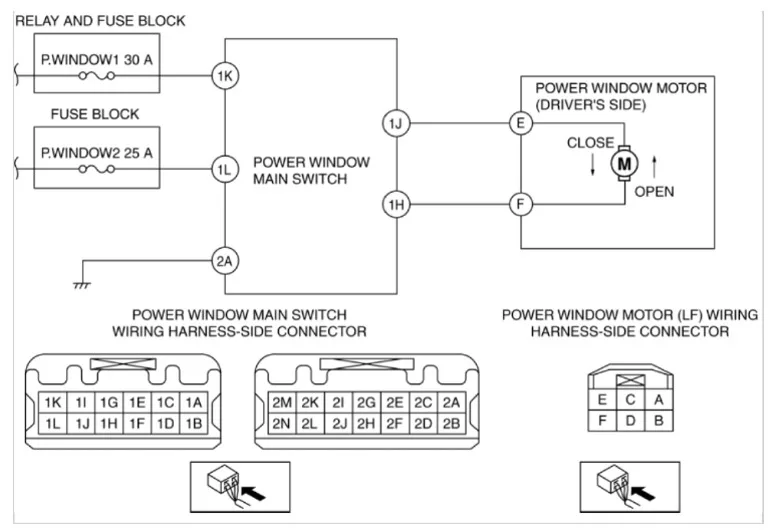
Image source: Bing (Web (fair-use with source credit))
Use this flowchart to narrow down the cause based on what you observe.
No windows work at all
Check the main power window fuse first. If it's good, test the ignition switch and battery voltage. A weak battery can starve the window circuit.
If the battery is strong, suspect a Body Control Module fault or a main wiring issue. This typically requires a Nissan Consult scan tool.
Only one window doesn't work
Test that window from its own switch. If it works from there but not from the master, clean or replace the master switch contacts. If it doesn't work from either switch, remove the door panel and test the motor directly with a 12V power source.
If the motor runs with direct power but not from the switch, check the wiring between them. If the motor doesn't run at all, replace the motor or regulator assembly.
Window moves slowly or gets stuck
Clean the window run channels with silicone spray. Check for debris or obstructions in the track. If the window is off its track, realign it by loosening the mounting bolts and reseating the glass.
If alignment doesn't help, the regulator cables are likely fraying.
Window falls into the door
This is a broken regulator. The cables have snapped. You'll need to remove the door panel and glass, then replace the entire regulator assembly.
There's no shortcut here.
Window reverses immediately after closing
The anti-pinch sensor needs recalibration. With the window fully closed, hold the switch up for 5 seconds after it reaches the top. If that doesn't work, the sensor or the motor's hall effect counter may need replacement.
Our Hyundai Tucson door lock problem guide walks through similar electrical troubleshooting in a different vehicle.
Fix It Yourself or Take It In? A Real Cost Breakdown
Here's what common window repairs cost in 2026, whether you DIY or visit a shop.
| Repair Scenario | DIY (Parts Only) | Independent Shop | Nissan Dealer |
|---|---|---|---|
| Fuse replacement | $5–$15 | $50–$80 | $100–$160 |
| Single window switch | $20–$50 | $100–$180 | $150–$280 |
| Master switch assembly | $80–$150 | $200–$350 | $300–$500 |
| Window motor only | $40–$80 | $180–$280 | $250–$400 |
| Regulator plus motor assembly | $60–$120 | $200–$350 | $300–$500 |
Dealer diagnostic fees run $100 to $160 as of 2026. Independent shops often waive the diagnostic fee if you approve the repair.
DIY switch replacement takes about 30 to 45 minutes per door. A full regulator swap runs 1.5 to 2.5 hours. Professional shops typically complete the same work in 30 to 90 minutes.
DIY makes sense for fuse issues, switch replacement, and basic regulator swaps if you're comfortable removing door panels. For intermittent electrical gremlins, wiring faults in the door jamb, or BCM-related faults requiring Nissan-specific scan tools, pay a professional. Our Hyundai Tucson check engine light article explains how onboard diagnostics can reveal deeper electrical issues beyond what a visual inspection catches.
The 7 Mistakes That Turn a Cheap Fix Into an Expensive One
1. Forcing a Stuck Window
Keep pressing the switch on a stuck window and you'll burn out the motor. Troubleshoot the mechanical issue first.
2. Ignoring a Slow Window
A window that moves sluggishly is the regulator telling you it's about to fail. Fix it now or it drops into the door later and requires a tow.
3. Using the Wrong Fuse Amperage
Putting a 25A fuse in a 10A slot bypasses circuit protection. You risk melting wires and starting a fire. Always match the amperage printed on the fuse box cover.
4. Skipping the Battery Disconnect
Disconnect the negative battery terminal before working on door electronics. This prevents short circuits and, on some model years, accidental airbag connector damage.
5. Breaking Plastic Clips During Door Panel Removal
Use proper plastic trim tools, not flathead screwdrivers. Replacement clips cost a few dollars but are a hassle to source mid-project. Keep a small bag of spares on hand.
6. Not Lubricating the Run Channels After Repair
New regulators need silicone lubricant on the window run channels. Skipping this step causes premature wear and slow operation within months.
7. Replacing Parts Without Testing First
Many people replace the master switch when the actual problem is a broken wire in the door jamb. Always test before you buy. The Hyundai Tucson heater not working guide covers another common repair where misdiagnosis leads to unnecessary part purchases.
When to DIY and When to Hand It to a Pro
The decision comes down to three things: your comfort with basic tools, the nature of the problem, and the risk of making it worse.
Go DIY if the issue is a blown fuse, a straightforward switch swap, or a regulator replacement on a door you've worked on before. You'll need a plastic trim tool, a Phillips screwdriver, a 10mm socket, and about an hour. Aggregate user reviews show most Rogue owners with basic mechanical experience complete a regulator swap in under two hours.
Go to a professional if the problem is intermittent, involves multiple windows failing at once, or persists after you've already replaced a part. These symptoms point toward wiring faults, BCM communication errors, or short circuits that require a Nissan-specific scan tool to diagnose properly. The Hyundai Tucson transmission problem guide covers a similar scenario where specialized diagnostics save real time and money.
Check your warranty before spending anything out of pocket. The basic warranty covers defects for 3 years or 36,000 miles. Some 2017 and 2018 Rogue models had covered switch defects.
You can check your VIN on the NHTSA complaints database for active recalls or technical service bulletins.
The gray area: if you've replaced the motor and the window still won't move, the wiring between the door jamb and body is the next suspect. Testing requires a multimeter and patience. It's doable for a confident DIYer, but it's also where many people get stuck.
Our Hyundai Tucson engine stalling article explains how to trace intermittent electrical faults without specialized equipment.
A fuse or switch replacement is a great first project. Anything involving wiring diagnosis or BCM faults, unless you own a scan tool and have electrical experience, is worth paying a professional for.
Frequently Asked Questions
Can I reset the Nissan Rogue power window without a dealer?
Yes. Disconnect the negative battery terminal for 15 minutes. Reconnect it, then hold the window switch up for 10 seconds after the window fully closes.
This recalibrates the auto-up feature. It works on most 2014 and newer Rogue models.
Why does my Rogue window work sometimes but not others?
Intermittent operation usually points to a wiring issue in the door jamb or a loose connector at the switch. The wires flex every time the door opens, and fatigue breaks are common after 5 to 7 years of daily use.
Is it safe to drive with a window stuck down?
It's legal in most states but not advisable. Rain, debris, and security risks become immediate concerns. In cold climates, interior moisture freezes on the windshield and blocks your view.
How long do Nissan Rogue window regulators last?
Aggregate owner reports suggest regulators typically last 80,000 to 120,000 miles. In harsh climates with frequent temperature swings, that number can drop to around 60,000 miles.
Does Nissan cover power window repairs under warranty?
The basic warranty covers defects for 3 years or 36,000 miles. Power windows fall under this basic coverage, not the powertrain warranty. Always check your VIN for outstanding technical service bulletins before paying for a repair that may already be covered.


One Comment on “Nissan Rogue Power Window Problem”