If your Hyundai Tucson is jerking, hesitating, or shifting roughly, you're not imagining things. The Hyundai Tucson transmission problem has become one of the most searched issues among compact SUV owners. Certain model years, especially 2016 through 2020 with the 1.6-liter turbo engine, report far more transmission complaints than the rest of the lineup.
Manufacturer specifications confirm the 7-speed EcoShift dual-clutch transmission in those models runs without a traditional torque converter. That design makes it sensitive to stop-and-go traffic. As of 2026, Hyundai has issued multiple technical service bulletins and a handful of recalls, but no blanket fix covers every troubled Tucson.

49% off Today's Exclusive Deals
Limited-time Exclusive Deals. Check current discount on Amazon.
Check Price on Amazon As an Amazon Associate I earn from qualifying purchases.Let's break down what's failing, when to worry, and how to handle repairs without overpaying.
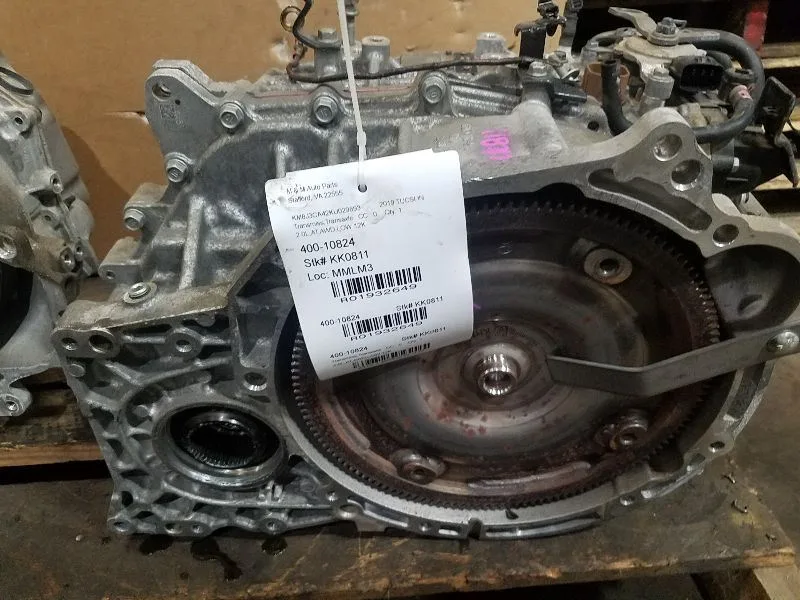
Image source: Bing (Web (fair-use with source credit))
49% off Today's Exclusive Deals
Limited-time Exclusive Deals. Check current discount on Amazon.
Check Price on Amazon As an Amazon Associate I earn from qualifying purchases.Are You Dealing with a Real Transmission Problem?
Symptoms That Are Hard to Ignore
A loud clunk pulling away from a stop. A shudder that shakes the cabin during acceleration. A gear slipping out at highway speed.
These are clear red flags. Something inside the drivetrain is wearing, and waiting makes the repair more expensive. Never ignore a transmission warning light, even if the car still seems to drive fine.
Intermittent Weirdness vs. Actual Failure
The trickier cases are intermittent. Maybe the Tucson hesitates on a cold morning. Maybe the shifts feel rough after a long drive, then smooth out once the car warms up.
Use this rule of thumb. If the behavior repeats consistently or worsens over two to three weeks, it's real. If it happens once and never comes back, it's likely a sensor glitch or software quirk.
49% off Today's Exclusive Deals
Limited-time Exclusive Deals. Check current discount on Amazon.
Check Price on Amazon As an Amazon Associate I earn from qualifying purchases.The seven-speed dual-clutch transmission feels different from a conventional automatic. Some cold-start roughness is baked into the design. Don't panic over a few firm shifts on a cold morning.
But persistent shuddering during every acceleration isn't a quirk. Per the NHTSA complaint database, transmission issues are the most-cited powertrain problem for the 2016-2020 Tucson. That's a documented pattern.
Common Symptoms and What They Actually Mean
Jerking, Shuddering, and Hesitation
This is the most reported symptom cluster. Jerking or shuddering during acceleration usually points to clutch disc wear in the dual-clutch transmission. On older six-speed automatics, it often means the torque converter is struggling.
Hesitation when pulling away from a stop means clutch engagement is misaligned, or the TCM software is hunting for the right gear.
If you feel slipping between gears or the engine revs without pulling, that's worth serious attention. It's one of the clearest signals that internal components are losing their grip.
Delayed Shifts, Slipping, and Limp Mode
A long pause between gear changes is a delayed shift. An engine that revs without acceleration is slipping. Both point to internal wear.
Limp mode is the most urgent sign. The transmission locks into a low gear and caps your speed to protect itself. If you hit limp mode, stop driving and get a professional diagnosis.
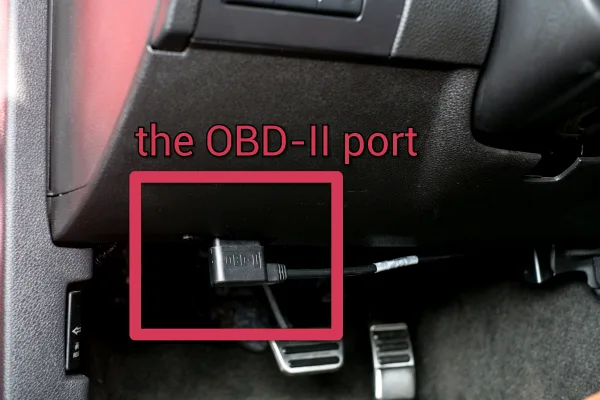
Image source: Bing (Web (fair-use with source credit))
Warning Lights and Trouble Codes That Matter
A flashing gear indicator or check engine light gives you a head start. Common codes include P0733 (gear ratio incorrect) and P0741 (torque converter clutch circuit malfunction). Pull the codes yourself with an OBD-II scanner before visiting a shop.
That data helps you diagnose shifting issues more accurately and prevents a shop from charging for unnecessary parts.
What Causes These Problems in the Tucson?
The 7-Speed DCT Clutch Issue
The 1.6-liter turbo models use a 7-speed dual-clutch transmission, and that's where most problems live. A DCT uses two clutch packs to pre-select the next gear before the current one finishes. In stop-and-go traffic, those clutches engage and disengage constantly.
That creates heat and wear that a traditional torque converter handles much more gracefully.
The dry clutch design in the EcoShift system is especially sensitive to low-speed crawling. The clutches slip more when creeping forward in traffic, and that slipping generates heat. The heat accelerates clutch wear, which leads to the shuddering and jerking owners describe.
It's the same kind of clutch problems you'd see in a manual car, but it happens automatically.
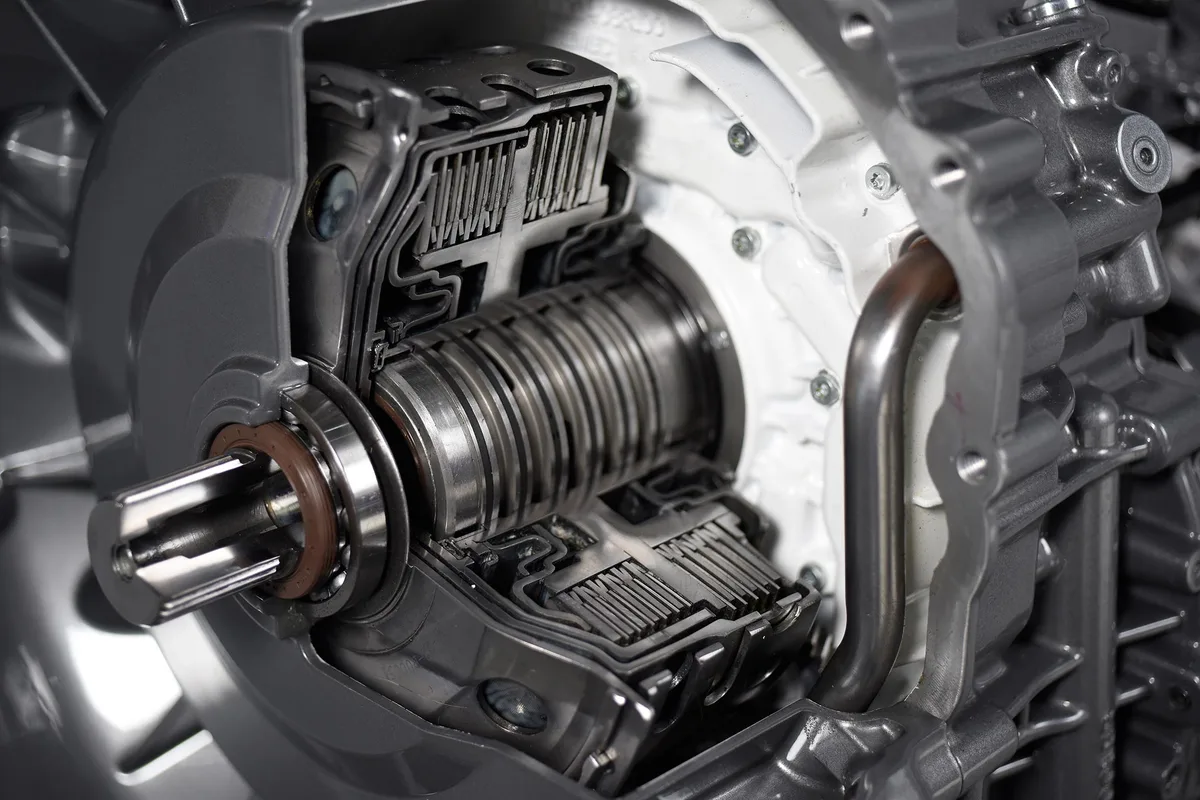
Image source: Bing (Web (fair-use with source credit))
TCM Software Glitches vs. Mechanical Failures
Some complaints have nothing to do with worn parts. Hyundai has issued Technical Service Bulletins for shifting hesitation and harsh engagement. The fix is often a software update that retimes clutch engagement.
If your symptoms are mild, intermittent, and not accompanied by clutch-related codes, a software reflash might resolve everything at low cost.
Transmission Fluid: The Overlooked Culprit
On six-speed automatic models, low or contaminated fluid causes erratic shifting. The fluid doesn't just lubricate. It carries hydraulic pressure to the clutch packs and valve body.
If the fluid is dark, smells burned, or hasn't been changed within the service interval, start there. A drain-and-fill can be the cheapest fix you'll ever get.
Watch for grinding or whining noises that worsen with temperature. That often signals a fluid pressure problem, not internal damage.
How to Get an Accurate Diagnosis Without Getting Ripped Off
What to Ask Before Any Shop Touches Your Car
Walk in armed with information. Ask what codes they pulled and why those codes matter. Ask whether a TCM software update or fluid service could resolve the symptoms.
Ask for a written estimate before approving any work. A reputable transmission shop will answer all three questions clearly. If you get pressure or vague answers, walk away.
Check Hyundai's owner resources too. Hyundai's official site has warranty and recall pages that tell you whether a repair might be covered at no cost.
Reading Codes and Understanding the Fix Tree
The diagnostic process works like a decision tree. If the codes point to a solenoid or sensor, replace that part and retest. If the codes show gear ratio errors or clutch slip, you need a deeper inspection.
If the code points to the TCM, a software reflash might clear it entirely. Test one variable at a time. That way you never replace parts that were fine all along.
When to Try a Software Update or Fluid Service First
Cheaper fixes always come first. A TCM software update costs $100 to $250 and can eliminate hesitation and harsh shifts. A transmission fluid service costs $150 to $300 and can resolve issues caused by old, degraded fluid.
Both are far cheaper than a rebuild. Try them before approving major work. If the problem persists after both, move to mechanical repairs.
If the condition worsens and you notice a stuck gear selector or long delays engaging any gear, the issue is progressing quickly. Don't defer the diagnosis.
Repair, Replace, or Trade In: The Money Decision
Cost Breakdown: Fluid Service, Rebuild, Replacement
This is where the decision gets real. Here are typical repair costs for a Hyundai Tucson as of 2026:
| Repair Option | Typical Cost | When It Makes Sense |
|---|---|---|
| Transmission fluid service | $150-$300 | Minor shifting complaints, old or burnt fluid |
| TCM software update | $100-$250 | Hesitation and harsh shifts, no mechanical codes |
| Valve body repair | $800-$1,500 | Solenoid or valve body failure |
| Used transmission, installed | $2,500-$4,000 | Budget option when car is otherwise solid |
| Rebuilt transmission, installed | $3,500-$5,500 | Mid-range with a short warranty |
| New factory transmission, installed | $4,500-$7,000 | Maximum lifespan and reliability |
Rebuilt vs. Used vs. New Transmission
Used transmissions are a gamble. You're buying someone else's wear with zero history. Rebuilt units are a better bet for most drivers.
A shop has inspected and replaced worn components, and they usually come with a 12-month warranty. New factory transmissions cost the most but bring the longest expected lifespan. For a 2016-2020 Tucson with six-figure mileage, a rebuilt unit is the sweet spot.
How to Judge Whether Yours Is Worth Fixing
Run the math before you commit. A 2018 Tucson with 150,000 miles might sell for $6,000 privately. Spending $4,500 on a new transmission doesn't make sense if tires, brakes, and suspension work are also needed.
Check current values on KBB or NADA. A good rule: if the repair costs more than 60 percent of the car's value, it's time to consider moving on.
If you're seeing red or dark brown fluid under the car, get under it and check the transmission pan. A slow leak can cause the fluid level to drop gradually, which starves the clutch packs and accelerates wear. Catching a fluid leak early saves you from a catastrophic failure later.
Warranty, Recalls, and Your Legal Safety Net
Hyundai's 10-year/100,000-mile powertrain warranty covers the transmission for the original owner. That drops to 5 years/60,000 miles for subsequent owners. Check your ownership status and current mileage before paying for any major repair.
Many owners miss this window by a few thousand miles.
Recalls and Technical Service Bulletins are not the same thing. A recall involves a safety defect. Hyundai has issued transmission-related recalls for certain 2016-2020 Tucsons.
Check your VIN on the NHTSA website to see whether your car is included.
A TSB is a guideline for a known but non-safety issue. Hyundai has several TSBs covering harsh shifts, clutch shudder, and delayed engagement. If one matches your symptoms, a dealer may apply the fix without charge.
Always ask whether a TSB applies before approving any work.
The Magnuson-Moss Warranty Act gives you another layer of protection. It prevents dealers from unfairly denying legitimate warranty claims. If you hit a wall, file a complaint with your state attorney general's office.
Keep every repair order, receipt, and photo as evidence.
Driving with a failing transmission is unsafe. A sudden loss of power at highway speed can cause a crash. If limp mode kicks in, pull over and call for a tow.
Never push the car to reach the next exit.
Frequently Asked Questions
Is the Hyundai Tucson transmission problem widespread?
Yes, particularly for 2016-2020 models with the 1.6T engine. Thousands of NHTSA complaints and owner reports highlight the 7-speed DCT as the main culprit. Hyundai has acknowledged the issue with multiple TSBs and at least one recall.
That said, many Tucsons run their full lifespan without a major transmission failure.
Can I keep driving with a shuddering transmission?
Only for a very short trip to a repair shop. If the shudder is constant or you feel slipping, stop driving. Continuing with a worn clutch pack or low fluid causes more damage.
Repair costs climb quickly, and you risk getting stranded.
How much does a Tucson transmission replacement cost?
Expect $3,500 to $7,000 depending on the source. A used unit runs $2,500 to $4,000 installed. A rebuilt transmission costs $3,500 to $5,500 with a short warranty.
New factory replacements land between $4,500 and $7,000. Get three written estimates before agreeing to anything.
Does a transmission flush fix the problem?
Sometimes, but only if old or contaminated fluid is the root cause. A flush won't repair worn clutch discs, broken solenoids, or a failing torque converter. If the fluid smells burnt or your Tucson has over 100,000 miles, a flush can dislodge debris and worsen the condition.
A drain-and-fill is the safer first step.



One Comment on “Hyundai Tucson Transmission Problem”