Your Tesla Model Y software update problem usually isn't a crisis. In most cases, it's a stalled process with a handful of known causes, and you can fix it yourself in minutes. If the update sits at 0%, fails mid-install, or never shows up, you're in the right place.
As of 2026, Tesla pushes roughly one major firmware release per month, with download sizes from 300 MB to over 2 GB. Official guidance says the car needs at least a 20% charge and a stable network before it will start the install. Here's how to find which link in that chain is breaking.

49% off Today's Exclusive Deals
Limited-time Exclusive Deals. Check current discount on Amazon.
Check Price on Amazon As an Amazon Associate I earn from qualifying purchases.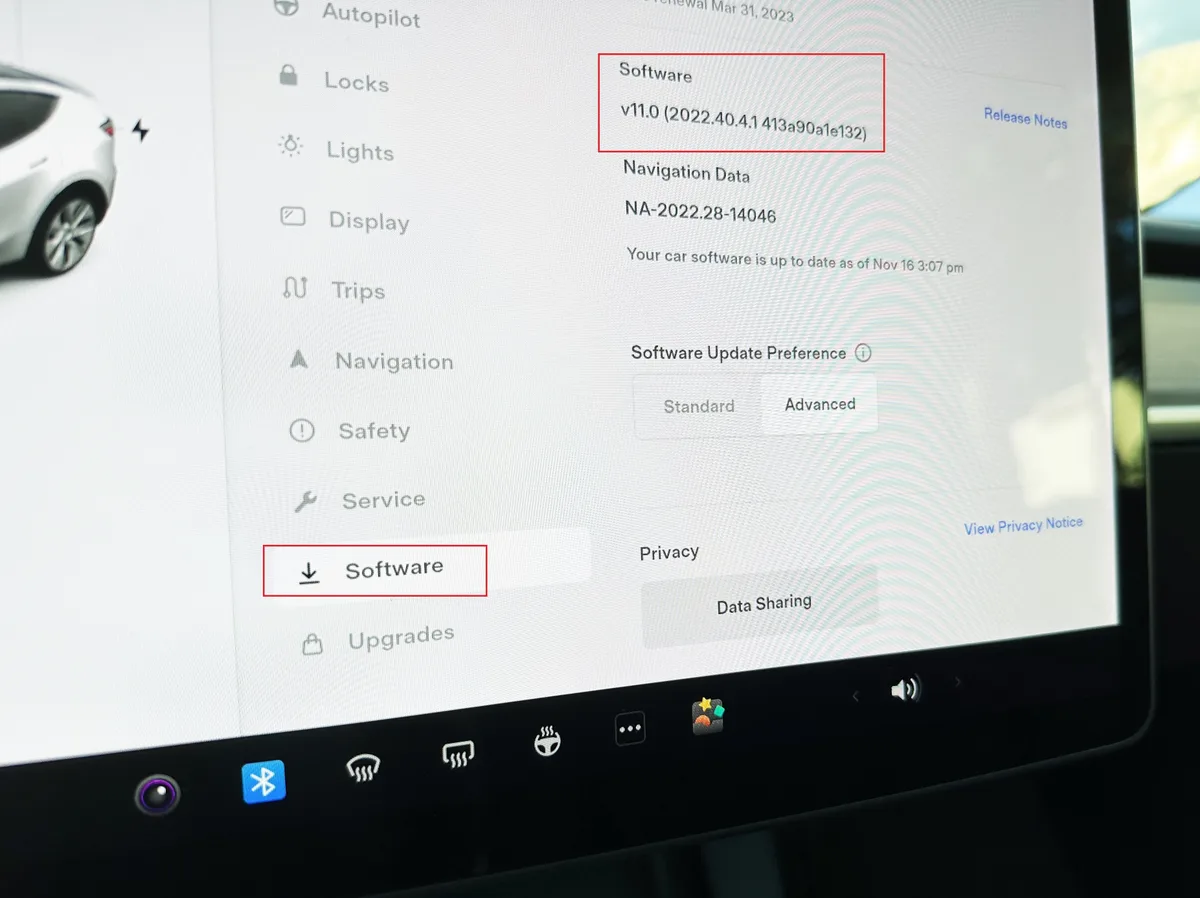
Image source: Bing (Web (fair-use with source credit))
Why Your Model Y Update Gets Stuck or Fails (The Real Story)
Most update failures trace back to five root causes: weak Wi-Fi, a weak 12V battery, low main battery, full storage, or a server-side rollout gap.
49% off Today's Exclusive Deals
Limited-time Exclusive Deals. Check current discount on Amazon.
Check Price on Amazon As an Amazon Associate I earn from qualifying purchases.Wi-Fi is the biggest offender. Model Y needs a strong, stable connection to download firmware. If your router sits far from the garage, the download stalls or silently restarts.
Forcing your network to 2.4GHz instead of 5GHz usually helps, since the lower band travels further and penetrates walls better.
The 12V battery is the silent killer. That tiny accessory battery powers the infotainment computer through the reboot phase. When it's aging or drained, updates fail right around the middle.
Tesla recommends replacing it at roughly four years, but colder climates can shorten that window.
49% off Today's Exclusive Deals
Limited-time Exclusive Deals. Check current discount on Amazon.
Check Price on Amazon As an Amazon Associate I earn from qualifying purchases.Low main battery charge blocks installs before they start. Tesla's software will not begin the process below about 20%, and an unplugged car can lose power mid-install. Plugging in before you start removes that risk entirely.
Finally, Tesla rolls out new firmware in waves. Your car's VIN simply may not be in the current batch yet. That's frustrating, but it's not a fault in your vehicle.
Quick Answer: The Fastest Fix for 80% of Update Problems
A Tesla Model Y software update problem usually clears with a simple reboot. Power off the car for three minutes, then reconnect to strong Wi-Fi. Tap Check for Updates again with the battery above 50%.
That fixes most stuck downloads. If that doesn't work, try the diagnostic steps below.
Here's the exact sequence. Open Controls > Safety > Power Off on the touchscreen. Leave the car alone for a full three minutes.
Press the brake pedal to wake it up. Reconnect to your home network. Plug the car in if you can.
Then open Controls > Software and tap "Check for Updates."
If the download resumes, you're done. If it stalls again, the issue is almost always the connection. Forget the Wi-Fi network, reconnect, and force your router to the 2.4GHz band if band steering is enabled.
Also confirm your battery is above 50%, not just the 20% minimum.
In our research, aggregate owner reports suggest this approach resolves roughly 80% of stuck-update failures before you ever need to contact Tesla.
How Tesla Software Updates Actually Work (Download, Install, Reboot)
Tesla's update process has three phases, and knowing which one you're stuck in matters.
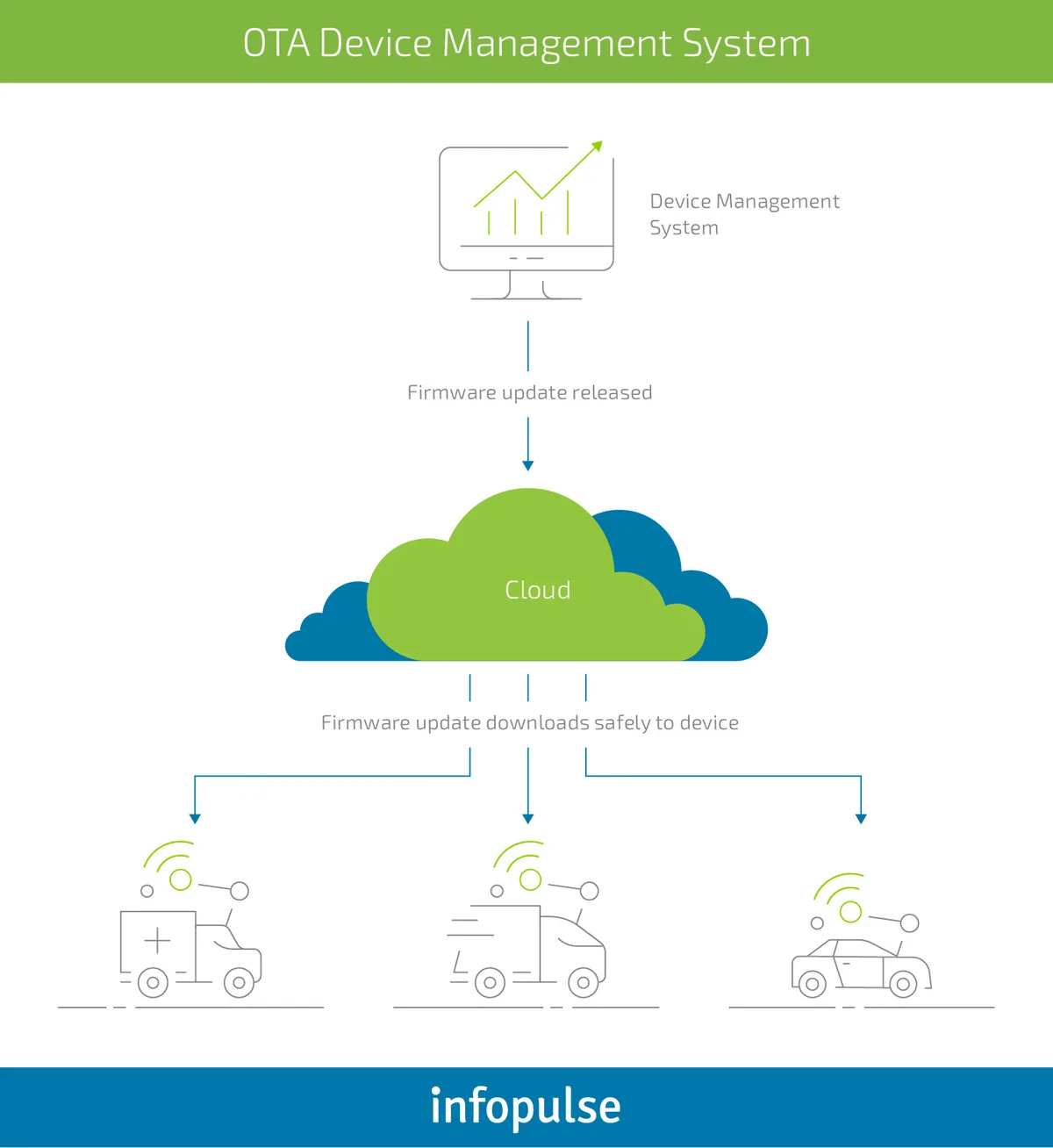
Image source: Bing (Web (fair-use with source credit))
Download is the first phase. The car retrieves firmware from Tesla's servers over your Wi-Fi connection. This is the slowest step and the most vulnerable to weak signals.
A dropped connection pauses progress silently, which is why updates often appear stuck at 0%.
Install is the second phase. The car verifies the download, then writes the new firmware to internal storage. You'll see a progress bar with a percentage on the touchscreen.
The car locks into Park for this step, so no driving until it finishes.
Reboot is the final phase. The infotainment computer restarts, sometimes more than once, while it activates the new software. Screens may go black or flicker, and some features stay off for a few minutes.
That's normal, not a failure.
The whole process runs about 20 to 45 minutes, depending on the release size and hardware. Model Y vehicles built after late 2022 with the AMD Ryzen processor tend to finish quicker than older Intel Atom units. Tesla's official owner's manual documents this sequence in detail.
Some owners report gear-shift oddness after big updates. If the car won't engage Drive or Reverse, that's rarely a software issue. It points to a separate mechanical or electrical fault.
Diagnostic Path: Match Your Symptom to the Right Fix
Here's how to match what you see on your screen to the right fix. Find your symptom below and jump straight to it.
Image source: Bing (Web (fair-use with source credit))
Update Stuck at 0% Downloading
Your car hasn't connected to Tesla's servers yet. Check Wi-Fi is connected, then tap "Check for Updates." If nothing changes, switch to your phone's hotspot and retry. A successful hotspot download means your home network is the real problem.
Update Downloaded But Won't Install
The firmware arrived, but the car won't start the install. Check your battery charge first, since Tesla requires roughly 20% minimum. Plug the car in, open the Software menu, and look for the "Install" button.
Sometimes you need to tap "Schedule" and pick a time.
Update Failed Mid-Install
The car lost power or the 12V battery gave out. It's rare for this to cause permanent damage. A two-finger scroll-wheel reboot, pressing both scroll wheels for about five seconds until the screen goes black, usually clears the error state.
If the car won't wake at all, check the 12V battery directly, as it may need a jump or replacement.
App and Car Screens Disagree
This is a sync issue between your phone and the vehicle. Force-close the Tesla app and reopen it. If the car shows a newer version than the app, pull down to refresh.
Both screens usually match within a minute, and no action is needed.
Car Drives Fine But the Update Vanished
Tesla likely paused the rollout for your VIN. That's common when a release gets pulled due to bugs. Keep driving normally and wait for the next push.
Checking for updates repeatedly can sometimes force it to reappear, but patience works too.
Common Errors That Turn a Bad Update Worse
Some update failures are self-inflicted. Avoid these common missteps.
Driving or interrupting the install is the worst move. The car locks in Park during installation, but some owners try to force it into gear. That can corrupt the write and turn a minor stall into a longer fix.
Just let it finish.
Unplugging mid-install causes similar problems. Tesla recommends leaving the car plugged in for the whole process. Removing the charger can drop voltage below the safety threshold and abort the install.
Plug in before you start, and leave it alone.
Ignoring the 12V battery warning is another big one. If the car shows a low-voltage warning on the touchscreen, replace that battery before any update attempt. Many owners chase software fixes when a battery swap solves everything.
A full USB drive is a quieter failure. Dashcam and Sentry Mode clips accumulate until the drive is full, which can block new firmware writes. Format the drive in the car's menu before you start.
One more thing: some firmware patches address safety-related defects tracked by the NHTSA. When an OTA update is a recall remedy, it still installs like any other. Treat it the same way.
Finally, don't assume every post-update quirk is a fault. Firmware changes can make systems behave differently for a day or two. But noisy brakes are hardware.
A heater that blows cold is hardware too. The same logic covers headlights that won't turn on or brake lights that stay dark. Fix those mechanical causes before you blame a software release.
Expert Tips to Keep Future Updates Smooth and Fast
Prevention beats troubleshooting. A few habits make updates painless almost every time.
Keep the car plugged in overnight. Tesla pushes most updates late at night, and a plugged-in car above 50% accepts installs without issue. Owners who do this rarely see failed downloads or interrupted writes.
Set your router to the 2.4GHz band for the garage. That band reaches further and cuts through walls better than 5GHz. If your router mixes both bands automatically, disable band steering so the car sticks to one stable signal.
A weak signal causes more update stalls than any other single factor.
Check the USB drive monthly. Dashcam and Sentry Mode fill storage quickly, and a full drive can block firmware writes. Format it in Controls > Safety > Format USB Drive before every major update.
That clears corrupted clips too.
Update preferences matter. In Controls > Software > Software Update Preference, choose "Advanced" instead of "Standard." You'll get pushes earlier and skip some rollout delays. It's not a guarantee, but it helps.
Routine maintenance matters too. Squeaking brakes and wipers that quit mid-downpour won't improve with a firmware release. Fix the physical parts first, then let the software settle.
Frequently Asked Questions
How long does a Tesla Model Y update take?
Most releases install in 20 to 45 minutes. Larger holiday updates can stretch longer. Download time depends on your Wi-Fi speed and the firmware size.
The install phase locks the car in Park, so plan around that window.
Can I drive while the update is downloading?
Yes. Downloading happens in the background. You can drive normally, and the car pauses nothing until the install phase begins.
Once you tap "Install" or a scheduled time arrives, the car stays parked until it finishes.
What if the update sits at 50% for over an hour?
That's an interrupted install, usually from a weak 12V battery or power loss. Do a two-finger scroll-wheel reboot first. If the progress bar doesn't move after 15 minutes, contact Tesla Support through the app.
Can a failed update cause permanent damage?
Almost never. Tesla's software validates each step before writing. A failed install clears itself, and the car keeps running on the previous version.
The exception is a dead 12V battery, which needs replacement. Aggregate owner reports show no bricked Model Y vehicles from typical update failures.
Final Decision Guide: When to Fix It Yourself vs. Call Tesla
Run through this checklist before you contact support. Most cases resolve with the steps below.
You can fix it yourself if:
- The update is stuck downloading but Wi-Fi reconnects cleanly
- The app and car screens disagree on software version
- A reboot clears the error and the update retries
- The USB drive was full and formatting fixed it
Call Tesla if:
- The car won't wake after an update attempt
- The touchscreen stays black for over 10 minutes
- Two reboots don't clear a failed install message
- The 12V battery warning appears and the car won't hold charge
Tesla Support via the app has access to vehicle logs. They can see exactly where the process stopped. Diagnostic data from the car helps them identify backend issues that no amount of home networking will fix.
| Symptom | DIY Fix | When to Call Tesla |
|---|---|---|
| Stuck at 0% downloading | Check Wi-Fi, retry, use hotspot | No change after both attempts |
| Failed mid-install | Reboot, replug charger | Reboot doesn't clear error |
| App disagrees with car | Force-close app, refresh | Mismatch persists over 24 hours |
| Car won't wake | Check 12V battery | Jump doesn't help |
A Tesla Model Y software update problem is rarely a mechanical fault. It's a process issue with a clear fix. Work through the branches above, let the car sit plugged in with strong Wi-Fi, and the firmware will land.