A car heater usually fails from low coolant, a bad thermostat, airflow problems, or a failing heater core.
If your car heater not working has left you shivering on the commute, you are not alone. I have seen this problem show up in all kinds of vehicles, from older daily drivers to newer cars with climate control, and the cause is often simpler than people expect. In this guide, I’ll walk you through the real reasons a car heater stops working, how to narrow down the issue, and what you can safely check before heading to a mechanic.

49% off Today's Exclusive Deals
Limited-time Exclusive Deals. Check current discount on Amazon.
Check Price on Amazon As an Amazon Associate I earn from qualifying purchases.Why a car heater not working happens
A car heater is not a separate furnace. It uses heat from the engine. Coolant absorbs engine heat, then flows through the heater core, which works like a small radiator. A fan blows air across that core and sends warm air into the cabin.
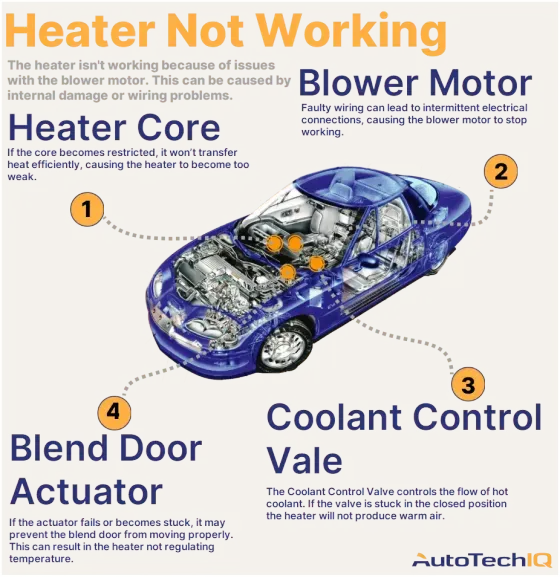
When a car heater not working issue appears, the problem is usually in one of four places:
• The engine is not getting hot enough
• Coolant is low or blocked
• Air is trapped in the cooling system
• The heater core or blend door is failing
49% off Today's Exclusive Deals
Limited-time Exclusive Deals. Check current discount on Amazon.
Check Price on Amazon As an Amazon Associate I earn from qualifying purchases.That is why the same symptom can come from very different causes. I have learned the hard way that guessing can waste time. The smart move is to follow the heat path step by step.
Common reasons your car heater not working
Low coolant level
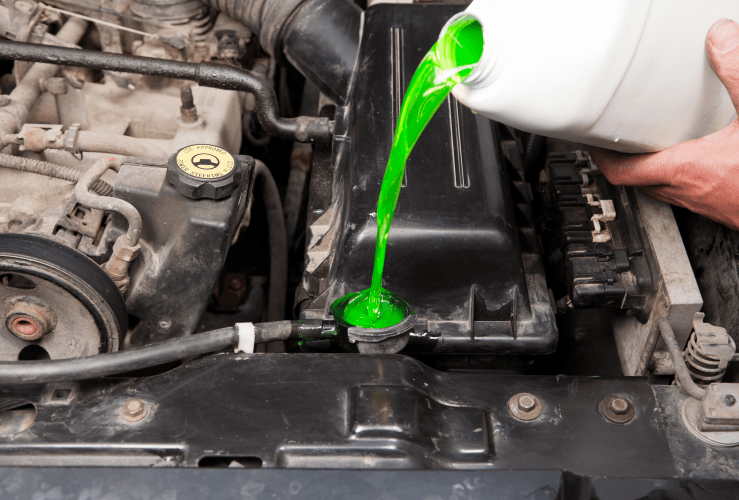
Low coolant is one of the most common reasons for a car heater not working. If there is not enough coolant in the system, the heater core may not get enough hot fluid to warm the air.
This can happen because of:
49% off Today's Exclusive Deals
Limited-time Exclusive Deals. Check current discount on Amazon.
Check Price on Amazon As an Amazon Associate I earn from qualifying purchases.• A leak in a hose
• A bad radiator cap
• A leaking water pump
• A cracked radiator
• A leaking heater core
If coolant is low, you may also notice the engine running hotter than normal, sweet smells, or damp spots under the car.
Faulty thermostat
A bad thermostat can keep the engine from reaching the right temperature. If the engine stays too cool, the heater will blow cold or lukewarm air.
A thermostat stuck open is a classic problem. I once saw this on a car that “just needed a heater service,” but the real issue was that the engine never warmed up fully. The fix was small, but the symptom felt big.
Air trapped in the cooling system
Air pockets can stop hot coolant from moving through the heater core. This can leave you with a car heater not working even when the coolant level looks fine.
Air often gets trapped after:
• Coolant top-offs
• Hose replacements
• Water pump changes
• Radiator repairs
A proper bleed procedure usually fixes this. Some vehicles are very sensitive to trapped air, so this step matters more than many people think.
Clogged heater core
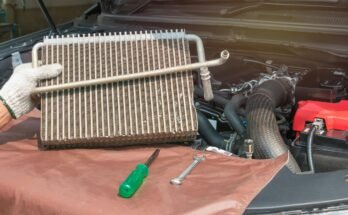
The heater core is tiny compared to the radiator, so it clogs more easily. Rust, scale, and old coolant can block flow and reduce heat output.
Signs of a clogged heater core include:
• Weak heat on one side or no heat at all
• One heater hose hot and the other cooler
• Fog inside the cabin
• Sweet coolant smell
• Wet carpet near the firewall
A partially clogged core may still give a little heat, but not enough for cold weather.
Broken blower motor or fan resistor
Sometimes the heater is making heat, but the fan is not pushing air through the vents. That can feel like a car heater not working when the real problem is airflow.
If the fan only works on one speed, the blower resistor may be bad. If it does not work at all, the blower motor, fuse, relay, or switch may be the culprit.
Blend door or actuator failure
Blend doors control whether air passes through the heater core or around it. If the actuator fails, the air may stay cold even though the engine is hot.
This issue often comes with clicking sounds behind the dash or temperature changes that do not respond to the controls. It is a common complaint on cars with automatic climate systems.
Water pump issues
The water pump moves coolant through the engine and heater core. If it fails, circulation drops and the heater may blow cold air.
Warning signs can include:
• Overheating
• Coolant leaks near the pump
• Grinding or whining noises
• Poor cabin heat
A weak pump may cause heat problems before the engine fully overheats, so do not ignore early symptoms.

How to diagnose a car heater not working
Start simple. Many heater problems can be narrowed down in minutes if you follow a clear process.
1. Check the temperature gauge
Let the engine warm up and watch the gauge. If the engine never gets near normal operating temperature, the thermostat is a likely suspect.
If the gauge climbs too high, stop driving and investigate cooling system issues right away. A car heater not working and an overheating engine should never be treated as separate problems.
2. Check coolant level when the engine is cold
Only check coolant when the engine is cool. Look at the reservoir and, if needed, the radiator cap area on vehicles that allow it.
If coolant is low, top it off with the correct type. But remember, low coolant is a clue, not the final answer. You still need to find the leak.
3. Feel the heater hoses
With the engine warm, carefully feel the heater hoses near the firewall. Both should usually feel hot.
If one hose is hot and the other is much cooler, coolant may not be flowing through the heater core. That often points to a clog or air pocket.
4. Test the blower fan
Turn the fan through all speeds. If air only comes out on high or does not come out at all, the problem may be electrical rather than cooling-related.
That distinction saves a lot of wasted work. A heater core replacement will not help if the fan motor is dead.
5. Listen for actuator noise
If the temperature changes do not respond to the control knob or buttons, listen for clicking or ticking under the dash. That often points to a failed blend door actuator.
This is especially common in vehicles with automatic climate control systems.
What to do if your car heater not working
Here are the safest first steps you can take at home:
• Check the coolant level when the engine is cold
• Look for leaks under the car
• Make sure the engine reaches normal temperature
• Test the blower on every speed
• Turn the heat to full hot and listen for control changes
• Bleed air from the system if your vehicle allows it
If you do not know the correct bleeding procedure, check your owner’s manual or service information. Some engines require special steps, and doing it wrong can trap more air.
I always tell people not to keep driving if the engine is overheating. A small heater problem can become a bigger engine problem fast.
When the heater blows cold air but the engine is warm
This is one of the most common versions of a car heater not working. The engine feels normal, but the cabin stays cold.
That usually points to one of these issues:
• Low coolant
• Air in the system
• Clogged heater core
• Blend door problem
• Poor coolant circulation
If both heater hoses are hot, the heater core may not be blocked. In that case, the blend door or temperature control system becomes more likely.
Can you drive with a car heater not working?
Yes, sometimes you can drive short distances with no heat, but it depends on the cause. If the heater is not working because of low coolant or overheating, driving can damage the engine.
It is safer to drive only if:
• The temperature gauge stays normal
• There are no coolant leaks
• The defroster still works enough for visibility
• You are not hearing strange engine noises
If the windshield keeps fogging and the defroster is weak, that is also a safety issue. Clear visibility matters just as much as comfort.
Repair costs and what to expect
Repair cost depends on the cause. A simple coolant top-off may cost very little, while a heater core replacement can be expensive because of the labor involved.
Typical repair ranges can include:
• Thermostat replacement: low to moderate cost
• Coolant flush and refill: low to moderate cost
• Heater hose repair: moderate cost
• Blend door actuator replacement: moderate to high cost
• Heater core replacement: high cost
Costs vary by vehicle, parts quality, and labor rates. Luxury cars and newer models with tight dashboard layouts often cost more to repair.
Prevention tips to avoid a car heater not working
A little maintenance goes a long way. The heating system usually fails slowly, not all at once.
To reduce the chance of a car heater not working, do this:
• Check coolant level regularly
• Replace coolant at the correct interval
• Fix small leaks early
• Use the correct coolant type
• Warm up the engine properly in cold weather
• Pay attention to temperature gauge changes
Fresh coolant helps prevent rust and scale, which can clog the heater core. That is one of those simple habits that saves money later.
Frequently Asked Questions of car heater not working
Why is my car heater blowing cold air?
Your car heater may blow cold air because the coolant is low, the thermostat is stuck open, or air is trapped in the system. A clogged heater core or blend door problem can also stop warm air from reaching the cabin.
Can low coolant cause the heater to stop working?
Yes, low coolant can absolutely cause a car heater not working problem. The heater core needs enough hot coolant flowing through it to make warm air.
Why does my car heater work only when I drive?
This often means the engine is not heating up properly at idle or coolant circulation is weak. A bad thermostat, low coolant, or a weak water pump can cause this symptom.
How do I know if my heater core is clogged?
A clogged heater core often causes weak heat, one hot heater hose and one cooler hose, or a sweet smell inside the cabin. You may also notice foggy windows or damp carpet near the firewall.
Will a bad thermostat affect the heater?
Yes, a bad thermostat can keep the engine too cool, which means the heater never gets enough heat to warm the cabin. This is one of the most common causes of a car heater not working in cold weather.
Is it safe to keep driving if the heater does not work?
It may be safe for a short time if the engine temperature is normal and there are no leaks. But if the cause is overheating or low coolant, you should stop driving and fix the problem right away.
Conclusion
A car heater not working can be annoying, but the cause is usually traceable. In many cases, the problem comes down to coolant level, thermostat issues, trapped air, a clogged heater core, or a faulty blower or blend door.
The best approach is simple: check the basics first, watch the engine temperature, and do not ignore leaks or overheating. If you take action early, you can often avoid a bigger repair and get your heat back faster.
If this guide helped you, save it for later, share it with someone who needs it, or leave a comment with the symptoms your car is showing.



7 Comments on “Car Heater Not Working: Quick Fixes And Causes”