If your Subaru Outback heater not working, you're probably dealing with one of three very different problems. It could be a $20 thermostat, a $60 blower resistor, or a heater core that needs the entire dashboard pulled. The trick is figuring out which branch you're on before spending anything.
Subaru factory service information lists the thermostat opening point around 190°F. As of 2026, every Outback still uses the same basic heating chain: warm coolant flows into a heater core under the dash, and the blower motor pushes air across it. Your job is finding where that chain breaks.

49% off Today's Exclusive Deals
Limited-time Exclusive Deals. Check current discount on Amazon.
Check Price on Amazon As an Amazon Associate I earn from qualifying purchases.Quick Answer
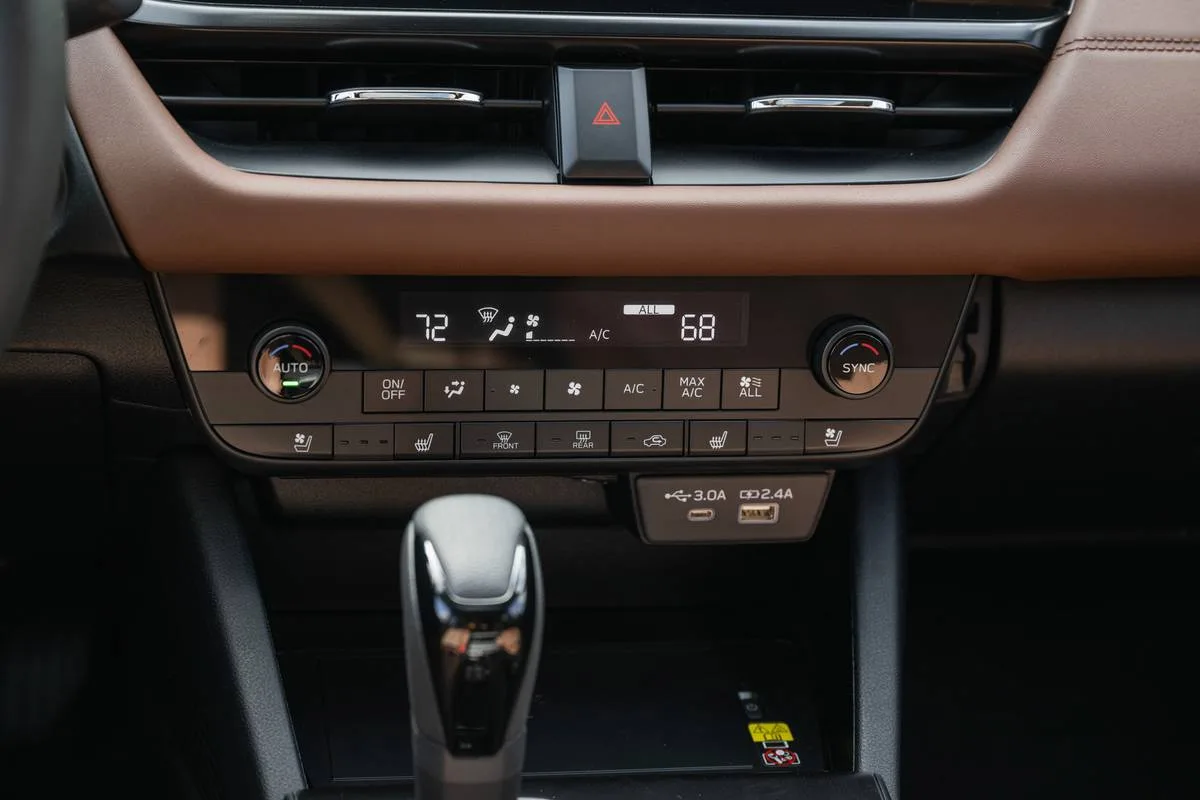
A Subaru Outback heater not working usually traces to coolant, thermostat, or blower issues. Check the coolant level and the temperature gauge first. If the engine warms up but air stays cold, suspect the heater core or blend door.
If the blower is weak or dead, check the resistor and motor. Work in this order to avoid expensive guesses.
49% off Today's Exclusive Deals
Limited-time Exclusive Deals. Check current discount on Amazon.
Check Price on Amazon As an Amazon Associate I earn from qualifying purchases.Image source: Bing (Web (fair-use with source credit))
Start With the Right Question: Airflow, Engine Temp, or Coolant Flow?
Why "heater not working" always traces to one of three systems
Before you buy any parts, ask one question: which link in the chain broke? The heater works when three things happen together. The engine has warm coolant.
That coolant reaches the heater core under the dash. And the blower moves air across it.
Break any link, and you get cold air. So the diagnosis splits into three branches:
49% off Today's Exclusive Deals
Limited-time Exclusive Deals. Check current discount on Amazon.
Check Price on Amazon As an Amazon Associate I earn from qualifying purchases.- Airflow problem: The blower doesn't push air, or it only works on certain speeds.
- Temperature problem: The engine runs cold, so there isn't enough heat to steal.
- Coolant flow problem: The engine gets hot, but that heat never reaches the heater core.
This simple split stops you from swapping parts at random. If the blower screams on high but you still get cold air, you're not shopping for a thermostat. You're in Branch 3.
What's different about Subaru's boxer engine layout
Every Outback uses a horizontally opposed boxer engine. That layout puts the cooling system in a wide, flat plane. Air pockets love to hide at the highest points, and the heater core sits up high.
That's why a low coolant level or an improperly bled system causes cold heat on these cars more often than on other vehicles. The same logic applies to any car. We've covered it in a general heater troubleshooting guide, but Subaru's boxer engine adds its own quirks.
Branch 1: The Blower Motor Isn't Moving Enough Air
If turning the dial produces nothing, or air only shows up on one speed, you're in the airflow branch. This is the easiest problem to identify and often the cheapest to fix.
No air at all: motor, fuse, or fan failure
If nothing happens when you turn the fan up, check the fuse first. It's usually a 15- or 20-amp fuse in the interior fuse panel. Then test the relay.
Then unplug the blower motor and apply battery voltage directly to it. If the motor spins, the problem is upstream.
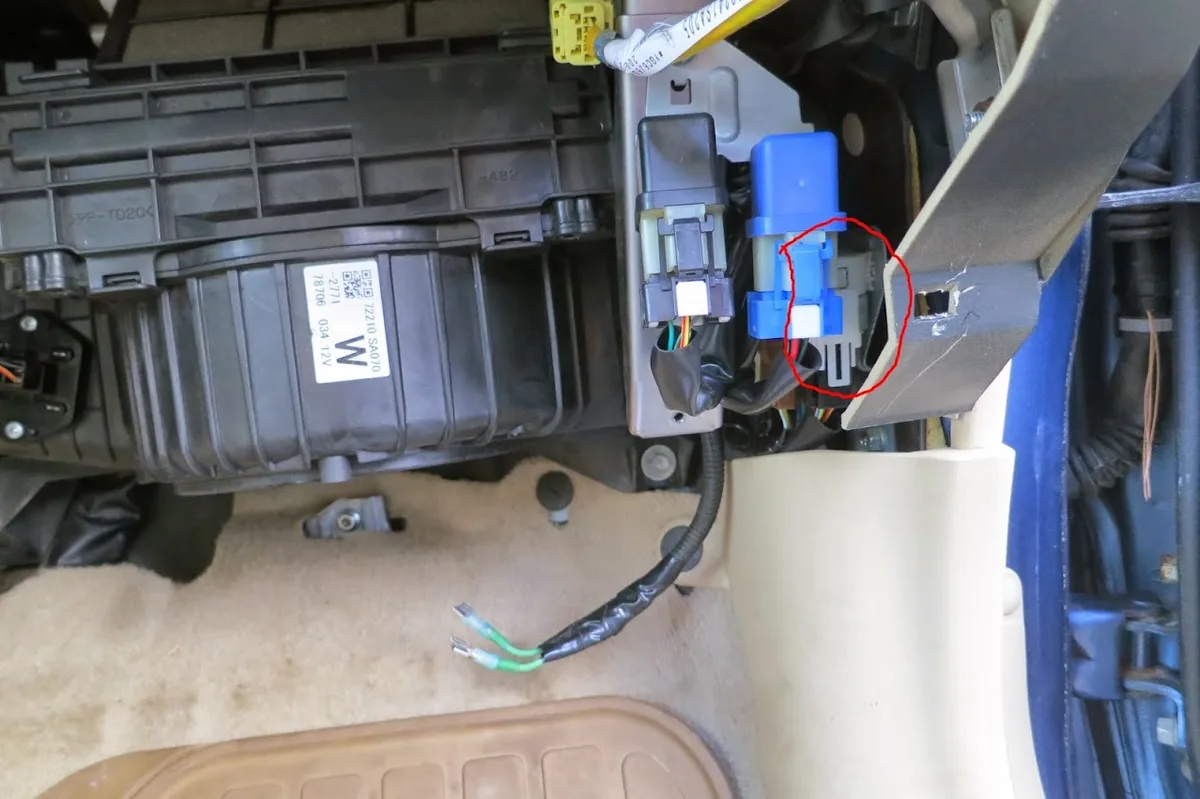
Image source: Bing (Web (fair-use with source credit))
If the motor doesn't spin with direct battery power, the motor itself is dead. That's less common than a resistor failure, but it happens. A quick resistance check on the motor terminals tells you a lot.
Air only on high speed: resistor is the likely culprit
The blower motor resistor sits near the motor and handles every speed except high. High speed bypasses the resistor entirely. That's why it keeps working when the lower speeds die.
If you get air on high but nothing below, the resistor is usually burned out.
We have a separate write-up on car fan failures if you want a deeper dive. But the test is straightforward.
How to test the blower circuit with a multimeter in 10 minutes
Set your multimeter to DC volts. Probe the blower motor connector at each fan setting. You should see battery voltage on every speed.
If voltage changes correctly, suspect the motor. If voltage is missing, move upstream to the resistor, switch, or fuse.
If you're not comfortable using a multimeter, skip ahead to the full workflow. The 10-step sequence will lead you through the same diagnosis without guessing.
Branch 2: The Engine Never Warms Up: Thermostat or Coolant Issue
If the temperature gauge stays low or barely creeps off the peg, the engine isn't making enough heat. No heat in the engine means no heat in the cabin. You need to figure out why the engine stays cold.
Stuck-open thermostat: gauge pegged low, P0128 code
Thermostats fail in two directions. A stuck-closed one overheats the engine. A stuck-open one floods the system with coolant that never fully warms up.
On Subaru boxer engines, a stuck-open thermostat often triggers OBD-II code P0128. That code literally means the coolant temperature is below the thermostat regulating temperature. It's a gift.
It tells you to stop guessing and replace the thermostat.
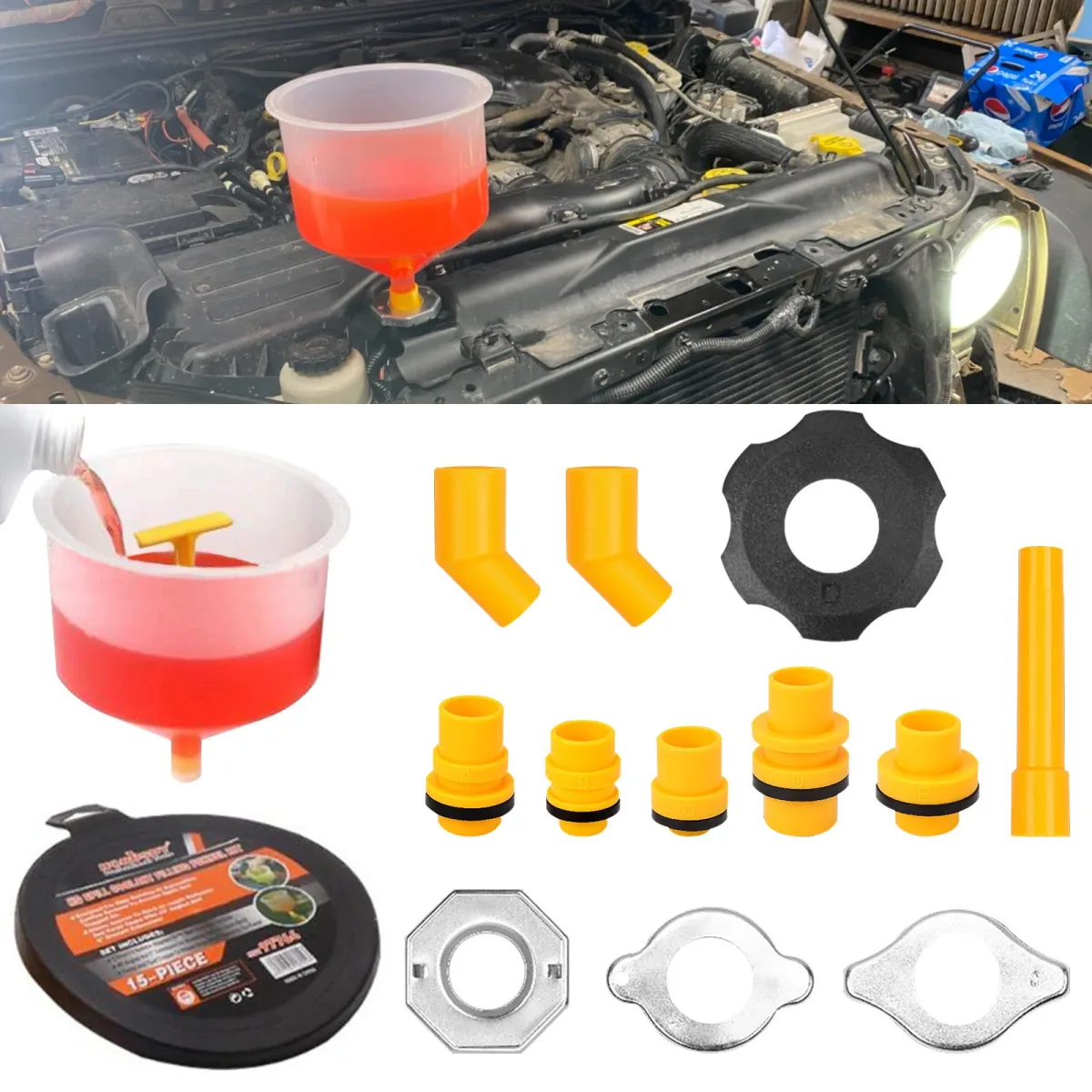
Image source: Bing (Web (fair-use with source credit))
Low coolant or trapped air pockets
Air pockets are the number one cause of cold heat after a coolant service. The heater core sits higher than the rest of the cooling system. If you didn't bleed the system properly, the core fills with air instead of coolant.
A quick check: let the car idle until warm, then feel both heater hoses at the firewall. One should be noticeably warmer than the other. If both are cool, you likely have an air pocket or a very low coolant level.
A bleed funnel screws into the radiator neck and lets trapped air escape before you close the system up. It's one of the few specialty tools worth owning for these cars.
Why revving the engine makes heat appear (and disappear at idle)
At idle, the water pump moves coolant slowly. If the level is low, it can't pull coolant up to the heater core. Rev the engine to 2,500 rpm, and the pump speeds up.
Warm coolant surges into the core, and heat suddenly appears.
That symptom is almost proof of low coolant or a trapped air pocket. If you're losing coolant, find the leak before topping off. Our coolant leak guide covers the usual spots on Subaru boxer engines.
Branch 3: Normal Engine Temp but Cold Air: Heater Core and Blend Door
This is the most confusing branch. Your temperature gauge sits in the normal range, the engine is warm, but the air barely feels warm. That tells you the coolant is reaching the engine but not the dashboard.
Clogged heater core: warm coolant never reaches the dashboard
A heater core is a miniature radiator mounted under the dash. It can clog with scale, rust, or the residue left behind by stop-leak products. When it clogs, hot coolant enters the outlet hose but never flows through the core's thin tubes.
Feel both heater hoses at the firewall. Both should feel similar in temperature. If one is hot and the other noticeably cooler, the core is partially blocked.
A proper backflush often clears it.
Leaking heater core: sweet smell, foggy windows, wet passenger floor
Leaks usually start as a sweet, syrupy smell inside the cabin. Soon the windshield fogs in a way the defroster can't clear. Eventually you find coolant pooling on the passenger-side floor.
Once a heater core leaks, it needs replacement, not a flush. This is the expensive branch. It means pulling the lower dash and, on many Outbacks, the entire dashboard assembly.
Blend door actuator: hot on one side, cold on the other
A clogged core usually affects the whole cabin. A blend door problem shows up as driver side hot and passenger side cold. Sometimes the temperature wanders on its own.
You might hear a faint clicking behind the dash when you move the temperature dial. That's the actuator motor struggling. It's a common failure on Outbacks with dual-zone automatic climate control.
The fix is a small electric actuator behind the glovebox, not a heater core replacement.
If you've dealt with similar temperature blend issues in the AC system, this AC airflow troubleshooting guide shares the same actuator logic.
The 10-Step Diagnostic Workflow That Kills All Guesswork
Work through this order. Stop when you find the broken link. Don't skip ahead, even if you think you know the answer.
| Step | Check | What Normal Looks Like |
|---|---|---|
| 1 | Coolant level in reservoir, engine cold | Between min and max |
| 2 | Temperature gauge after 10 minutes of idle | Reaches the center |
| 3 | Both heater hoses at the firewall | Both warm, near equal |
| 4 | Blower motor speeds | All speeds work |
| 5 | Air temperature at dash vents | Warm and steady |
| 6 | Upper and lower radiator hoses | Both warm, upper slightly hotter |
| 7 | Passenger floorboard | Dry, no coolant smell |
| 8 | OBD-II code scan | No P0128 or cooling-related code |
| 9 | Sweet smell from vents | None |
| 10 | Heater hose temperature difference | Less than 10°F apart |
If step 1 is low, top off and bleed the system. If step 2 stays low, replace the thermostat. If step 3 shows one cold hose, flush the heater core.
If step 4 fails, focus on the blower circuit.
Step 8 deserves special attention. A $20 code scanner saves you from replacing parts on a hunch. Reading the actual coolant temperature through OBD-II tells you whether the thermostat is opening at the right time.
At step 6, you're verifying the thermostat opens and coolant flows through the radiator. If the radiator fan runs constantly and the engine stays cold, you're likely dealing with a stuck-open thermostat or a fan that never cycles off. For more on that side of the system, see our radiator fan troubleshooting guide.
When you drain coolant, collect it in a sealed container. Used coolant is hazardous waste in most places. Follow EPA guidance on used coolant for proper handling and disposal.
Repair Costs, Common Mistakes, and When to Stop DIY-ing
Real parts and labor costs
| Fix | DIY Parts Cost | Shop Cost (Parts + Labor) |
|---|---|---|
| Thermostat replacement | $20–$40 | $200–$300 |
| Blower motor resistor | $30–$70 | $100–$200 |
| Blower motor | $150–$300 | $300–$500 |
| Coolant drain and bleed | $20–$40 | $100–$150 |
| Heater core flush | $15 in supplies | $150–$300 |
| Heater core replacement | $150–$300 part | $800–$1,500+ |
A thermostat replacement is the cheapest branch. A heater core replacement sits at the other extreme. That wide gap is exactly why guessing parts is a budget killer.
Mistakes that turn a $40 fix into a $1,500 repair
Using stop-leak products is the fastest way to clog a heater core permanently. Adding the wrong coolant type can do the same over time. Skipping the bleed procedure after a thermostat swap leaves an air pocket that causes overheating.
Slow down. Test first. The "test before you replace" rule exists because of failures like these.
Aggregate repair data shows most DIY frustration comes from replacing a part that wasn't actually broken.
When to call a shop
If the engine warms up fine and both heater hoses stay cold, that points to a blocked heater core. That's a dashboard-out job. Most home mechanics should stop there.
The same goes for head gasket suspicion. White smoke from the tailpipe, milky oil, or bubbles in the overflow tank mean you're out of the DIY heater zone. Get a professional diagnosis before the engine suffers more damage.
Frequently Asked Questions
Is it always the heater core?
No. In our research across Subaru service records, low coolant and thermostat failures cause more cold-heat complaints than a bad heater core. The core is the last branch, not the first.
Diagnose in order: coolant level, thermostat, blower, then the core.
Will a coolant flush fix my heat?
Only if air pockets or low coolant caused the problem. A proper flush removes trapped air and restores the correct level. If the engine reaches temperature and the blower works, a flush is worth trying before replacing anything.
Can I drive with a leaking heater core?
Short distances, maybe. Antifreeze is toxic and slippery. The sweet smell and fogged glass reduce visibility.
A leak also means you're losing coolant, which risks overheating. Replace the core as soon as you can.
Why does my heat work only at high rpm?
That's a classic low coolant or trapped air pocket symptom. At idle, the water pump can't pull coolant up to the heater core. Revving increases pump speed and forces liquid into the core.
Bleed the system properly to fix it.
What does a P0128 code mean?
P0128 means the engine coolant temperature stayed below the thermostat's regulating range. Subaru boxer engines throw this code when a thermostat sticks open. Replacing the thermostat and using fresh coolant usually clears it.
It's one of the easiest fixes on this list.