A car fan not working is usually caused by a bad fuse, relay, motor, resistor, wiring issue, or faulty control switch.
If your car fan not working has you worried, you are not alone. I have seen this issue pop up in everyday drivers, older cars, and newer vehicles too, and it can turn a simple drive into a stressful one fast. In this guide, I’ll walk you through what the car fan does, why it stops working, how to test the common causes, and when it is smart to call a mechanic.

49% off Today's Exclusive Deals
Limited-time Exclusive Deals. Check current discount on Amazon.
Check Price on Amazon As an Amazon Associate I earn from qualifying purchases.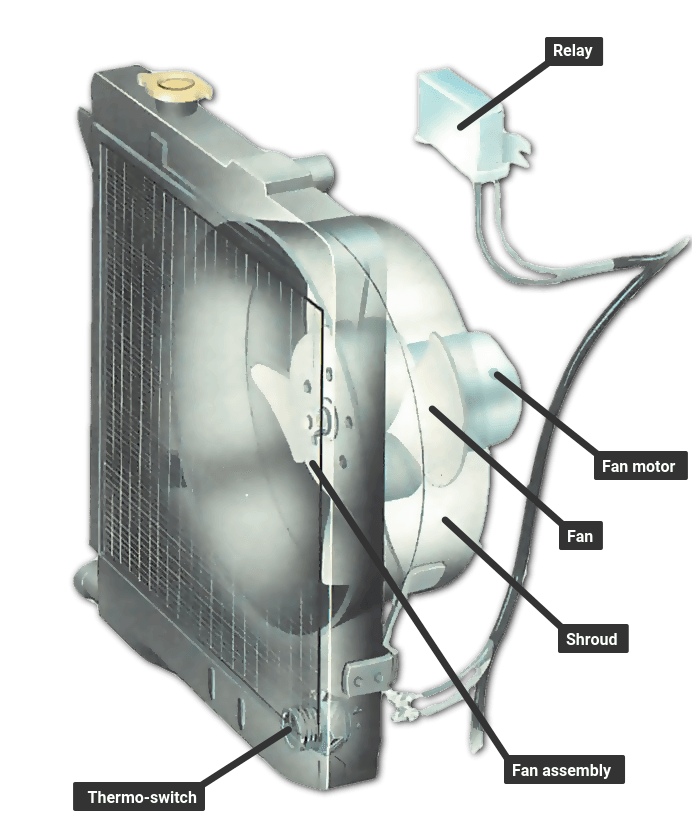
What the car fan does and why it matters
The car fan helps move air through the radiator and sometimes across the cabin vents. Its job is simple, but it is critical. When the engine gets hot, the fan pulls air across the radiator so coolant can cool down and keep engine temperature in check.
If the car fan not working, the engine can start running hot, especially in traffic, while idling, or on long climbs. That can lead to weak AC performance, warning lights, poor drivability, and in worse cases, engine damage. I have seen people ignore a dead fan for days, only to end up with a much bigger repair later.
49% off Today's Exclusive Deals
Limited-time Exclusive Deals. Check current discount on Amazon.
Check Price on Amazon As an Amazon Associate I earn from qualifying purchases.Common reasons the car fan not working
A car fan not working can mean the cooling fan, the radiator fan, the condenser fan, or even the interior blower fan has failed. The exact cause depends on which fan is dead and when the problem shows up.
Here are the most common causes:
- Blown fuse: A fuse protects the fan circuit. If it pops, the fan loses power.
- Bad relay: The relay acts like an electrical switch. If it fails, the fan may never turn on.
- Failed fan motor: The fan motor itself can wear out, seize, or burn out.
- Faulty fan resistor: On some systems, a resistor controls fan speed. If it fails, some speeds may stop working.
- Damaged wiring or connector: Broken wires, corrosion, or loose plugs can interrupt power.
- Bad temperature sensor or coolant switch: If the system never gets the right signal, the fan may not activate.
- Failed fan control module: Some modern cars use an electronic module to manage fan operation.
- Climate control issues: In cars with blower fan problems, the issue may be in the blower motor, resistor, or switch.
A helpful detail from real-world diagnostics: many people replace the fan motor first, but the real problem is often a cheap relay or corroded connector. That mistake can waste time and money.
Signs your car fan is failing
A car fan not working does not always mean total silence. Sometimes the fan works only part of the time, or it runs too slowly to do its job.
49% off Today's Exclusive Deals
Limited-time Exclusive Deals. Check current discount on Amazon.
Check Price on Amazon As an Amazon Associate I earn from qualifying purchases.Watch for these signs:
- Engine temperature rises when stopped or in traffic
- AC blows warm air at idle
- Fan does not turn on even when the engine is hot
- Fan only works at one speed
- Burning smell near the engine or fuse box
- Cooling warning light comes on
- Blown fuse keeps coming back
If you notice these symptoms, do not wait too long. Heat is one of the fastest ways to turn a small issue into a major repair.
How to diagnose a car fan not working
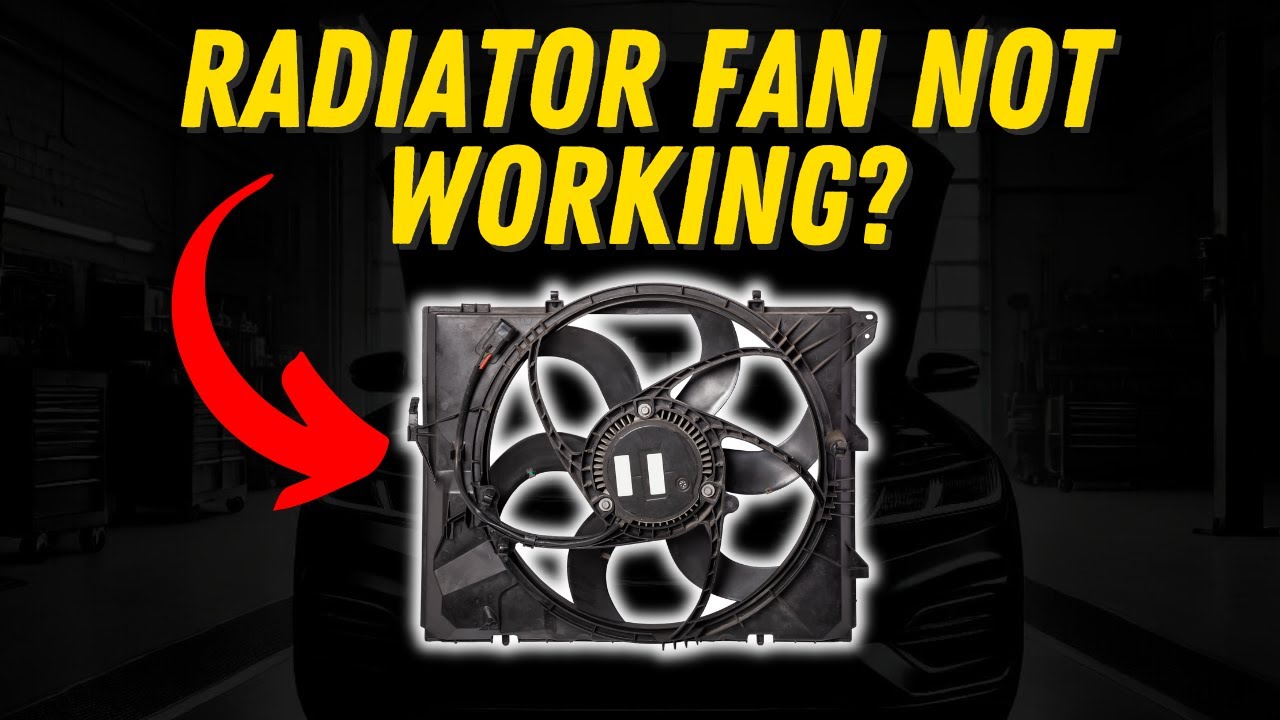
The best way to diagnose a car fan not working is to start simple and move step by step. I like this approach because it avoids guesswork and helps you find the real fault instead of swapping parts blindly.
Follow these checks:
-
Check the temperature gauge
Make sure the engine is truly overheating or running hot. Some fans do not turn on until the engine reaches a certain temp. -
Inspect the fuse
Look in the fuse box for the cooling fan or blower fuse. If it is blown, replace it with the correct rating. -
Test the relay
Swap the fan relay with another same-type relay if possible. If the fan works after the swap, the relay may be the issue. -
Check the fan itself
With the engine off and key removed, inspect the fan blades and motor area. Make sure nothing is stuck and the fan spins freely if your design allows it. -
Look at wiring and connectors
Check for melted plugs, loose wires, rust, or green corrosion. -
Test the temperature sensor
A bad coolant temperature sensor can tell the car the engine is still cool, so the fan never gets the signal to start. -
Scan for trouble codes
A basic OBD2 scan tool may reveal codes related to fan control, coolant temp, or air conditioning demand.
If you do not feel comfortable testing electrical parts, a mechanic can do this faster with a multimeter and a wiring diagram.
Car fan not working but fuse is good
This is one of the most common situations. People check the fuse, find it intact, and feel stuck. But a good fuse only means that one part of the circuit is still alive.
If the car fan not working but fuse is good, the next things to check are:
- Relay
- Fan motor
- Temperature sensor
- Control module
- Wiring and ground connection
- Fan resistor, if your vehicle uses one
A fuse is only the first gate. After that, the current still has to pass through several parts before the fan can run. I have found many cases where a poor ground caused the fan to fail even though the fuse and motor looked fine.
Car fan not working but AC is on
Some drivers notice the car fan not working but AC is on and think the two systems are unrelated. They are related more often than people realize. When the AC is on, many vehicles use the condenser fan to help keep refrigerant pressure under control.
If the fan does not run with the AC on, possible causes include:
- Bad fan relay
- Failed fan control module
- Faulty AC pressure sensor
- Blown fuse in the fan circuit
- Bad fan motor
- Wiring fault between the AC system and fan circuit
A weak condenser fan can make the AC feel weak at idle or in stop-and-go traffic. Once the car starts moving, airflow improves, so the AC may seem normal again.
Car fan not working in hot weather
A car fan not working in hot weather can become a serious problem very quickly. Warm air, traffic, and heavy engine load all raise temperatures, so the fan is under more stress than usual.
Here is what to do if this happens:
- Pull over safely if the temperature gauge climbs too high
- Turn off the AC
- Turn the heater on full blast to help pull heat from the engine
- Do not keep driving if the gauge is in the red
- Let the engine cool before checking coolant levels
This is one of those times when patience saves money. A few minutes on the side of the road is far better than a warped head gasket or damaged engine.
How to fix a car fan not working
The right fix depends on the bad part. Start with the easiest and cheapest checks first. That is usually the smartest way to handle a car fan not working issue.
- Replace a blown fuse
- Replace a bad relay
- Clean or repair corroded connectors
- Repair damaged wiring
- Replace a failed fan motor
- Replace a bad resistor
- Replace a faulty coolant temperature sensor
- Replace the fan control module
- Repair the blower motor circuit for cabin fan issues
If you are fixing it yourself, always use the correct part number and the correct fuse rating. I have seen people install the wrong fuse “just to test it,” and that can create more damage.
How much it costs to repair a car fan
Repair cost depends on the failed part and your vehicle type. A simple fuse or relay is cheap, while a fan assembly or control module can cost much more.
Typical cost ranges:
- Fuse or relay: low cost
- Wiring repair: low to moderate cost
- Fan resistor: low to moderate cost
- Fan motor: moderate cost
- Fan assembly: moderate to high cost
- Control module or sensor: moderate cost
- Professional diagnosis: often worth paying for if the issue is unclear
Luxury cars and newer vehicles with advanced cooling systems can cost more because parts are integrated. If the car fan not working is part of a larger electrical issue, the repair bill can climb fast.
What to avoid when the car fan not working
When a car fan not working issue shows up, a few mistakes can make things worse.
Avoid these common errors:
- Driving with an overheating engine
- Replacing parts without testing them
- Installing the wrong fuse
- Ignoring burned connectors or melted plugs
- Assuming the fan motor is bad just because the fan does not run
- Waiting until the engine overheats again
In my experience, the biggest mistake is delay. People often hope the problem will go away, but electrical and cooling problems usually get worse, not better.
When to see a mechanic
You should get professional help if:
- The engine overheats quickly
- The fan fuse keeps blowing
- You smell burning plastic or wiring
- The fan only works sometimes
- The car has multiple electrical problems
- You cannot safely test the circuit
A good mechanic can check power, ground, relays, sensors, and modules in a logical order. That saves time and helps avoid random part replacement.
Frequently Asked Questions of car fan not working
Why does my car fan not work when the engine gets hot?
A bad fuse, relay, fan motor, coolant sensor, or wiring fault can stop the fan from turning on. The system needs the right electrical signal before the fan will run.
Can I drive with a car fan not working?
You should avoid driving far if the engine is overheating. Short trips may be possible in some cases, but if the temperature gauge climbs high, stop and get the car checked.
Why is my AC weak when the car fan not working?
The AC often depends on airflow from the condenser fan to stay cool at idle. If the fan is not working, the AC may blow warm air when the car is stopped or moving slowly.
Is it safe to replace a car fan fuse myself?
Yes, if you use the correct fuse rating and follow your owner’s manual. If the new fuse blows again, there is likely a deeper electrical problem that needs diagnosis.
Can a bad thermostat cause the car fan not working?
A bad thermostat can affect engine temperature, but it does not always stop the fan directly. Still, cooling system parts work together, so a thermostat problem can make fan symptoms seem worse.
Conclusion
A car fan not working is more than a small annoyance. It can point to an electrical fault, a bad motor, a failed relay, or a deeper cooling system problem that needs quick attention. The good news is that many fan issues are diagnosable with a simple, step-by-step approach, and some fixes are surprisingly affordable.
If your car fan not working right now, start with the basics, stay calm, and check the simple parts first. The sooner you act, the better your chances of avoiding overheating and bigger repairs. If this guide helped, take a minute to inspect your vehicle, learn a little more about your cooling system, or share your question in the comments.



4 Comments on “Car Fan Not Working: Causes And Fixes”