Car coolant leaking usually means a bad hose, gasket, radiator, or reservoir that needs quick attention.
Car coolant leaking is one of those problems that starts small and can turn into a big repair if you ignore it. In my experience, the hardest part is not the leak itself, but finding the real cause before the engine runs too hot. If you want to understand what the signs mean, what usually causes car coolant leaking, and how to respond before damage spreads, this guide walks you through it in plain English.

49% off Today's Exclusive Deals
Limited-time Exclusive Deals. Check current discount on Amazon.
Check Price on Amazon As an Amazon Associate I earn from qualifying purchases.
What car coolant does and why leaks matter
Coolant, also called antifreeze, helps keep your engine at a safe temperature. It moves heat away from the engine and helps prevent freezing in cold weather and boiling in hot weather. Without enough coolant, your engine can overheat fast.
A small leak may seem harmless at first. But even a slow drip can lead to low coolant, poor heater performance, overheating, and long-term engine damage. I have seen drivers top off coolant for weeks, only to find out later that a cheap hose or clamp was the real issue all along.
49% off Today's Exclusive Deals
Limited-time Exclusive Deals. Check current discount on Amazon.
Check Price on Amazon As an Amazon Associate I earn from qualifying purchases.Car coolant leaking matters because the cooling system protects some of the most expensive parts in your vehicle. That includes the radiator, water pump, thermostat, head gasket, and engine block. When coolant leaves the system, those parts lose protection.

Common signs of car coolant leaking
The signs are often easy to spot if you know what to look for. Some are obvious, while others show up slowly over time.
Look for these common warning signs:
49% off Today's Exclusive Deals
Limited-time Exclusive Deals. Check current discount on Amazon.
Check Price on Amazon As an Amazon Associate I earn from qualifying purchases.- Green, orange, pink, or blue puddles under the car after parking
- A sweet smell near the engine or inside the cabin
- The temperature gauge running higher than normal
- Low coolant warning light on the dash
- Steam coming from under the hood
- White residue or crust near hoses, the radiator, or the reservoir
- Wet spots on the ground near the front of the vehicle
One thing I always tell people is this: do not wait for the temperature gauge to hit red. By then, the problem has already moved from annoying to risky. A fresh coolant leak is much cheaper to fix than an overheated engine.
Main causes of car coolant leaking
Car coolant leaking can come from several places, and the location of the leak often points to the cause. A proper inspection usually starts with the easiest parts to reach.
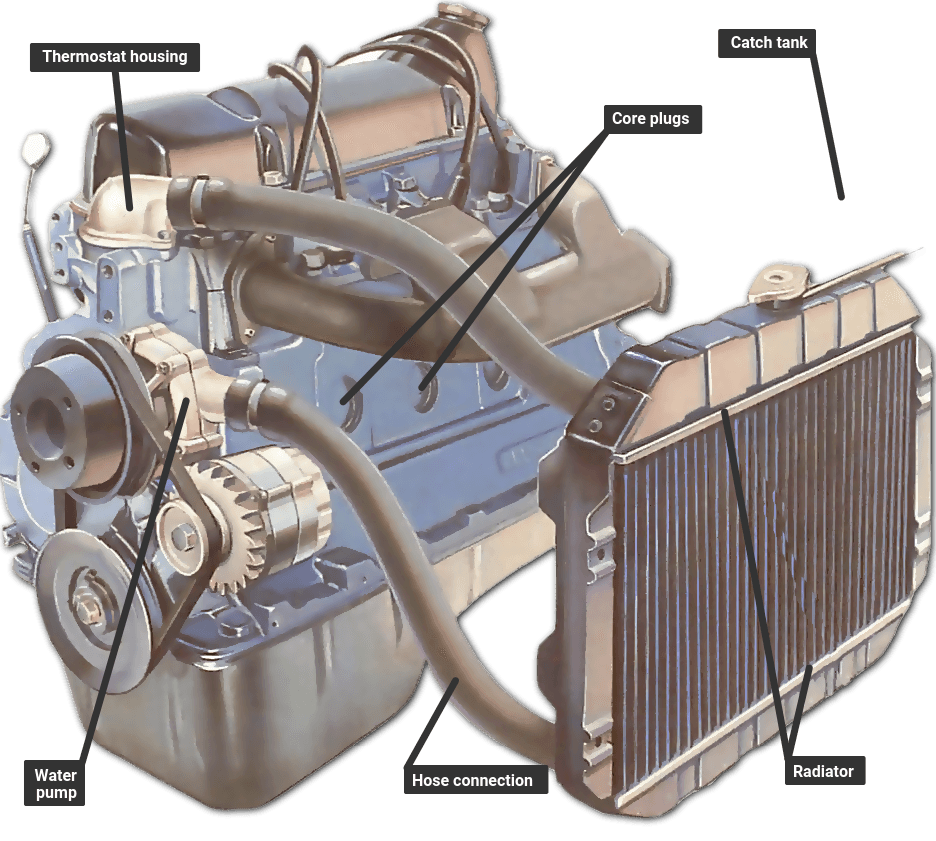
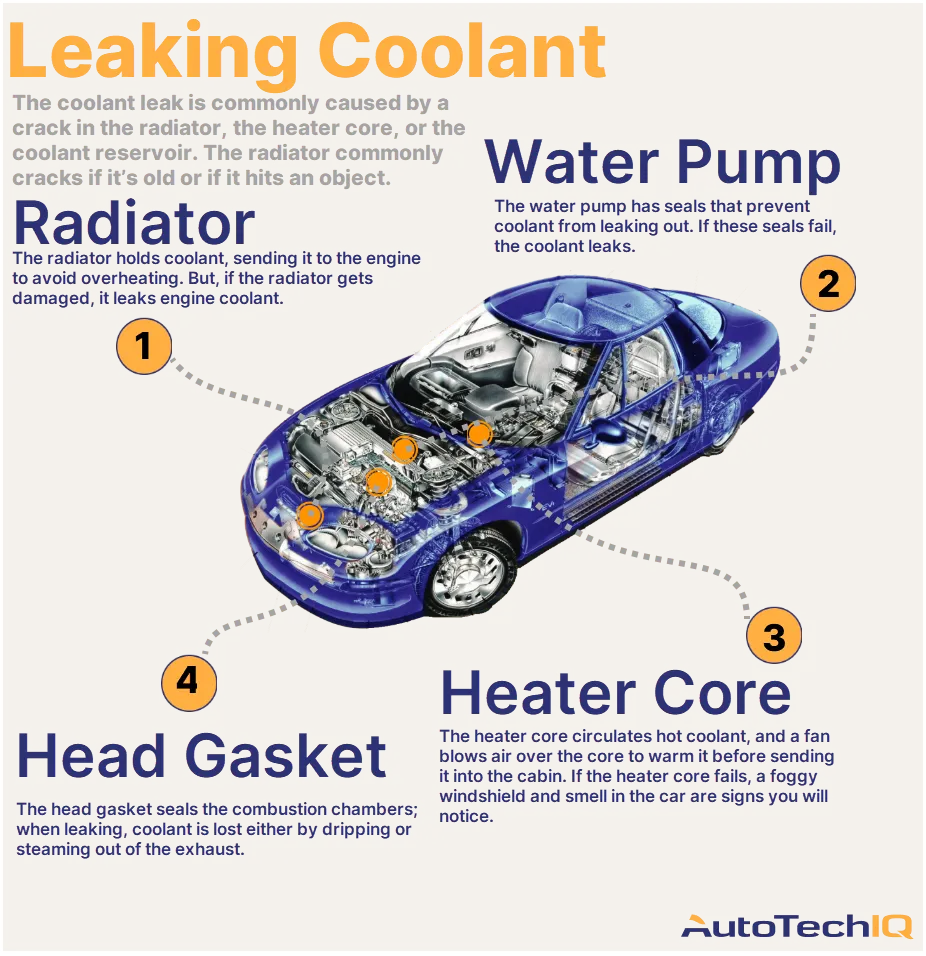
Damaged hoses or loose clamps
Hoses carry coolant through the engine and radiator. Over time, heat makes rubber hoses hard, cracked, or swollen. A loose clamp can also let coolant escape.
This is one of the most common repair jobs I have seen. It often starts with a tiny seep that becomes a steady drip when the engine warms up and pressure rises.
Cracked radiator
The radiator helps cool the engine by releasing heat into the air. A crack in the plastic tank or metal core can cause a visible leak. Road debris, old age, and corrosion are common reasons.
If the leak is near the front of the car and you smell coolant after driving, the radiator is one of the first parts to inspect.
Failing water pump
The water pump pushes coolant through the engine. If its seal fails, coolant can leak from the pump’s weep hole or gasket. You may also hear a whining noise or see damp buildup near the pump area.
A water pump leak should never be ignored. In many cars, this part is tied closely to timing components, which can make the repair more involved.
Bad radiator cap
The radiator cap helps maintain pressure in the cooling system. If it fails, coolant can escape as vapor or overflow into the reservoir. This does not always create a puddle, which makes it tricky.
I have seen people replace hoses and reservoirs before noticing the cap was the real issue. It is a small part, but it plays a big role.
Faulty coolant reservoir
The overflow tank or reservoir stores extra coolant as the engine heats and cools. Cracks in the tank, bad seams, or a loose cap can cause leaks. Plastic reservoirs can become brittle with age.
If you see coolant pooling around the reservoir area, check the tank carefully for hairline cracks. These can be hard to spot until the engine is hot.
Blown head gasket
A head gasket seals the engine block and cylinder head. If it fails, coolant can leak internally into the engine or combustion chamber. This is more serious than an external leak.
Warning signs include white exhaust smoke, rough running, milky oil, and repeated overheating. This repair is usually expensive, so early diagnosis matters.
Heater core problems
The heater core is like a small radiator inside the dashboard. If it leaks, you may notice a sweet smell inside the cabin, foggy windows, or damp carpet, especially on the passenger side.
This is one of the least pleasant leaks because it can affect both comfort and safety. I have seen drivers think they had a window seal issue when the real problem was a heater core leak.
How to find where the coolant is leaking from
Finding the source is the key step. Coolant often travels along engine parts before dripping, so the spot on the ground is not always the true source.
Use this simple approach:
- Park on a clean, flat surface
- Let the engine cool fully
- Check the coolant level in the reservoir
- Inspect hoses, clamps, radiator ends, and the water pump area
- Look for dried residue, wet spots, or cracked plastic
- Start the engine and watch for fresh dripping if it is safe to do so
- Use a cooling system pressure test if the leak is hard to find
A pressure test is one of the best tools for car coolant leaking diagnosis. It helps reveal leaks that only show up when the system is under pressure. Many repair shops use this as a first step because it saves time and guesswork.
Is it safe to drive with car coolant leaking?
Sometimes the car may still move, but that does not mean it is safe. Driving with a coolant leak can quickly lead to overheating, which can warp the cylinder head, damage the head gasket, or even seize the engine.
If the leak is small and you are near a repair shop, you may be able to drive carefully while watching the temperature gauge. But if the engine is overheating, steam is visible, or coolant is pouring out, stop driving right away.
A good rule is simple: if you need to keep adding coolant often, the vehicle needs repair, not just topping off. Temporary refills are not a real fix.
Temporary fixes vs real repairs
Some temporary products can help you get by for a short time, but they are not permanent solutions. Sealants may reduce small leaks in some cases, yet they can also clog narrow passages in the cooling system.
Here is the practical truth:
- Temporary fixes may buy time in an emergency
- Real repairs solve the actual failure point
- Guessing can waste money and cause more damage later
In my experience, many drivers spend more on repeated top-offs and quick fixes than they would have spent on a proper repair. That is why a careful diagnosis usually saves money in the long run.
How mechanics usually repair coolant leaks
The exact repair depends on where the leak is coming from. A mechanic will inspect the system, test pressure, and replace the failed part.
Common repairs include:
- Replacing cracked hoses
- Tightening or replacing clamps
- Installing a new radiator cap
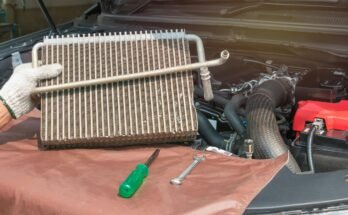
- Replacing a damaged radiator
- Fixing or replacing the water pump
- Replacing the coolant reservoir
- Repairing the heater core
- Addressing head gasket failure
After the repair, the system should be refilled with the correct coolant type and bled of air. Air pockets can cause overheating, poor heater output, and false symptoms, so the refill step matters more than many people think.
How to prevent car coolant leaking
You can lower the chance of leaks with regular care. Cooling systems age slowly, so small checks can catch problems before they become expensive.
Useful prevention steps include:
- Check coolant level during routine maintenance
- Inspect hoses for cracks, softness, or swelling
- Replace old radiator caps as recommended
- Flush coolant at the interval listed in your owner’s manual
- Keep the radiator free of dirt and debris
- Fix tiny leaks early instead of waiting
- Use the correct coolant for your vehicle
One lesson I learned early is that cooling system neglect is sneaky. The car may drive fine for months, then fail on the hottest day of the year. A few minutes of inspection now can prevent a stressful roadside problem later.
Cost factors for fixing car coolant leaking
Repair costs can vary a lot depending on the source of the leak, the car model, and labor time. A hose or clamp fix is usually much cheaper than a head gasket or heater core repair.
What affects the cost:
- Type of part that failed
- Location of the leak
- Vehicle design and accessibility
- Labor rates in your area
- Whether other cooling parts are worn too
A simple external leak may cost relatively little, while internal engine damage can cost much more. That is why early diagnosis is usually the smartest move.
Why coolant leaks sometimes come and go
Some leaks only appear when the engine is hot. Heat expands parts, raises pressure, and can open a crack that stays hidden when the car is cold.
This is why a car may seem fine in the morning but leak after a long drive. It is also why a pressure test and warm inspection can be more useful than a quick visual check alone.
Frequently Asked Questions
What is the most common cause of car coolant leaking?
The most common causes are usually worn hoses, loose clamps, or a cracked reservoir. On older vehicles, the radiator and water pump are also common leak points.
Can I drive my car if coolant is leaking?
You can sometimes drive a short distance if the leak is minor and the engine temperature stays normal. If the car is overheating or losing coolant fast, stop driving and get it checked right away.
Why does my car smell sweet but not overheat?
A sweet smell often means coolant is leaking somewhere, even if the engine has not overheated yet. The leak may be small, or it may be inside the heater core or evaporating on hot engine parts.
Will adding coolant stop the leak?
No, adding coolant only replaces what was lost. It does not fix the broken hose, cracked tank, bad gasket, or other damaged part causing the leak.
How do I know if the leak is serious?
A leak is serious if the engine overheats, the coolant level drops fast, or you see white smoke, oil contamination, or repeated warning lights. Those signs may point to a bigger issue like a head gasket problem.
Conclusion
Car coolant leaking is a warning sign you should take seriously, even when the puddle looks small. The cooling system protects your engine from heat damage, and a small leak can grow into a major repair if you wait too long.
The best move is to find the source early, check the common failure points, and repair the problem before the engine runs hot. If your car is showing signs of a leak, inspect it soon, stay alert to temperature changes, and get help from a qualified mechanic if needed. If this guide helped you, share it, bookmark it, or leave a comment with your symptoms so you can get the next step right.



5 Comments on “Car Coolant Leaking: Causes And Fixes”