Car engine overheating usually means the cooling system cannot move heat away fast enough.
Car engine overheating is one of those problems that can turn a normal drive into a stressful roadside stop fast. I’ve seen it happen on hot summer commutes, in stop-and-go traffic, and even on vehicles that seemed perfectly fine the day before. The good news is that most overheating issues give warning signs, and once you understand the causes, symptoms, and fixes, you can protect your engine and avoid expensive damage.

49% off Today's Exclusive Deals
Limited-time Exclusive Deals. Check current discount on Amazon.
Check Price on Amazon As an Amazon Associate I earn from qualifying purchases.
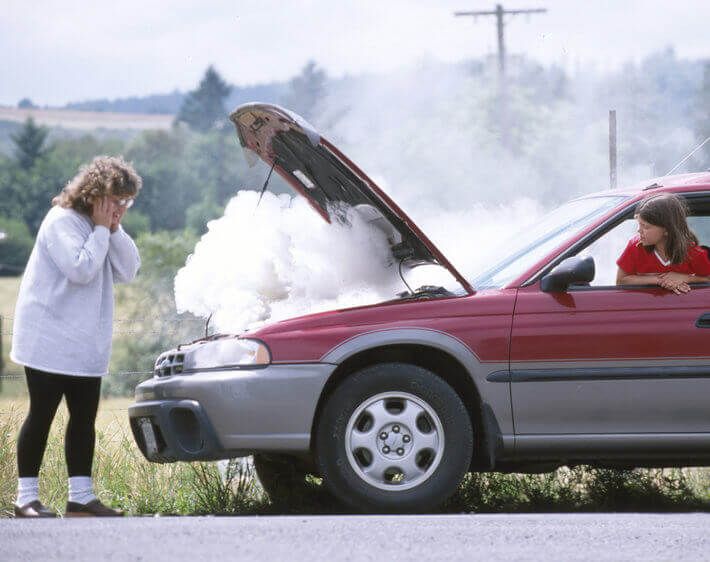
What car engine overheating really means
Car engine overheating happens when the engine runs hotter than its normal operating range. Most modern engines are designed to work around a controlled temperature, often near 195 to 220 degrees Fahrenheit, depending on the vehicle. When heat builds up faster than the cooling system can remove it, parts begin to suffer.
That extra heat can damage the head gasket, warp cylinder heads, weaken seals, and even seize the engine in severe cases. Think of the engine like a runner wearing a thick coat in summer. If the body cannot cool itself, trouble starts quickly.
49% off Today's Exclusive Deals
Limited-time Exclusive Deals. Check current discount on Amazon.
Check Price on Amazon As an Amazon Associate I earn from qualifying purchases.In simple terms, car engine overheating is not just “running hot.” It is a warning that something in the cooling system, airflow, or engine itself is not doing its job.
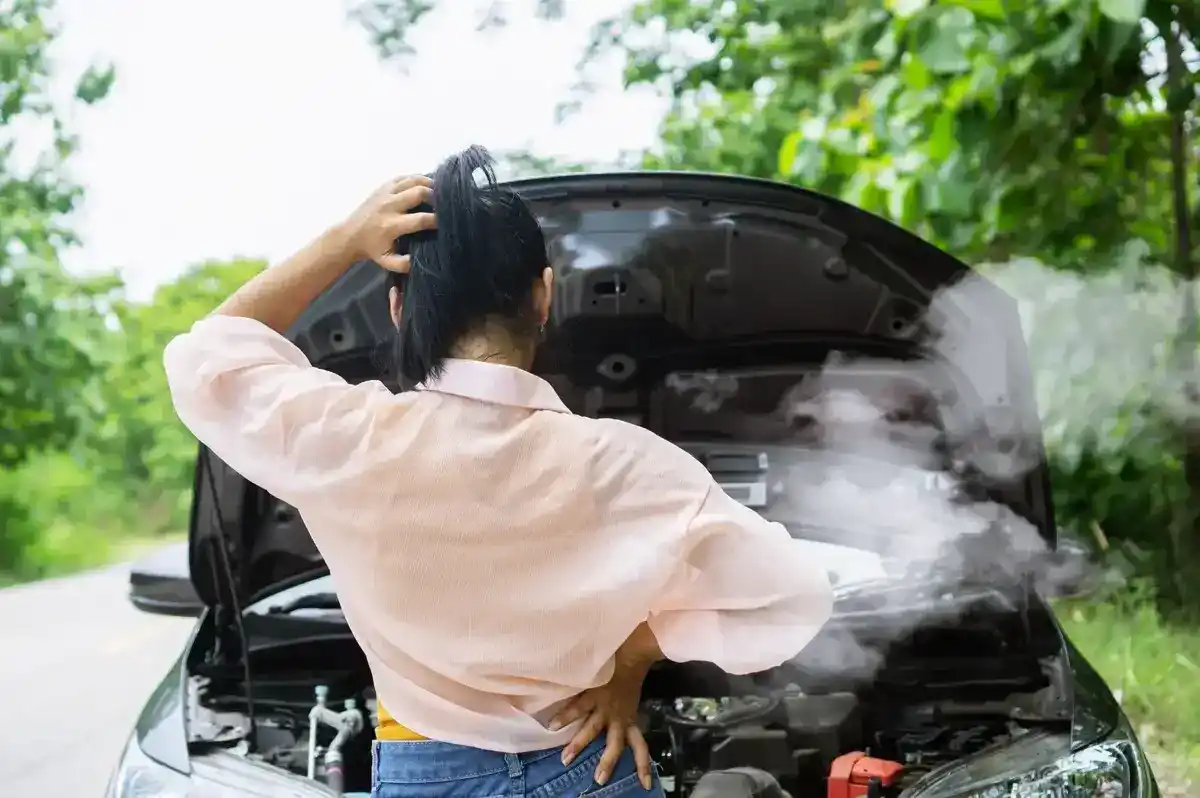
Common causes of car engine overheating
There is no single cause of car engine overheating. In real-world repairs, it usually comes down to one of a few system failures, and sometimes more than one issue shows up at the same time.
Low coolant level
Coolant carries heat away from the engine. If the level is low because of a leak, evaporation, or poor maintenance, the system cannot absorb enough heat.
49% off Today's Exclusive Deals
Limited-time Exclusive Deals. Check current discount on Amazon.
Check Price on Amazon As an Amazon Associate I earn from qualifying purchases.I once checked a vehicle that overheated only on longer drives. The driver kept adding water, but never found the real issue. The problem turned out to be a small radiator hose crack that leaked only when the engine warmed up and pressure increased.
Coolant leaks
Leaks can happen in:
• Radiator hoses
• Heater hoses
• Water pump seals
• Radiator tanks
• The thermostat housing
• The reservoir or cap
Even a slow leak can cause car engine overheating over time. Many leaks leave behind crusty white, pink, or orange residue, depending on the coolant type.
Broken thermostat
The thermostat controls coolant flow. When it sticks closed, hot coolant cannot reach the radiator, and the engine heats up fast. This is one of the most common causes of sudden car engine overheating.
If the thermostat sticks open, the engine may run too cool, which is a different issue. But a stuck closed thermostat is the one that usually leads to overheating emergencies.
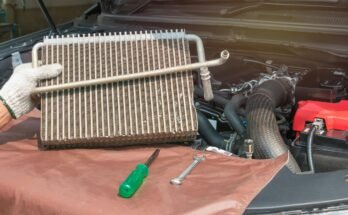
Bad radiator
The radiator is the main heat exchanger. If it is clogged inside, packed with dirt outside, or damaged, it cannot cool coolant effectively.
Common radiator problems include:
• Internal scale buildup
• Bent fins
• Blocked passages
• Damaged plastic end tanks
• External debris like bugs or leaves
Failed cooling fan
Electric cooling fans pull air through the radiator when the car is idling or moving slowly. If the fan motor, relay, fuse, or temperature sensor fails, car engine overheating may happen in traffic or at long stops.
This is a classic pattern. If the car is fine on the highway but overheats in traffic, the fan system is often the first place to look.
Bad water pump
The water pump pushes coolant through the engine and radiator. If the impeller wears out, the belt slips, or the pump leaks, circulation drops and heat rises.
A weak water pump can be sneaky. The car may overheat only under load, such as climbing hills, towing, or driving with the air conditioning on.
Air trapped in the cooling system
Air pockets block coolant flow. This often happens after coolant service if the system was not bled correctly.
Air in the system can cause:
• Random temperature spikes
• Poor heater performance
• Gurgling sounds
• Intermittent overheating
Blown head gasket
A blown head gasket can let combustion gases enter the cooling system. That adds pressure and heat, which can lead to repeated car engine overheating.
Warning signs may include:
• White exhaust smoke
• Bubbling in the coolant reservoir
• Milky oil
• Loss of coolant without visible leaks
Restricted airflow
The engine needs airflow through the radiator. Dirt, damage, a blocked grille, or a badly placed aftermarket accessory can reduce cooling.
At highway speed, airflow is usually strong. At idle, the engine relies more on fans and clean radiator fins, so restricted airflow becomes a bigger problem.
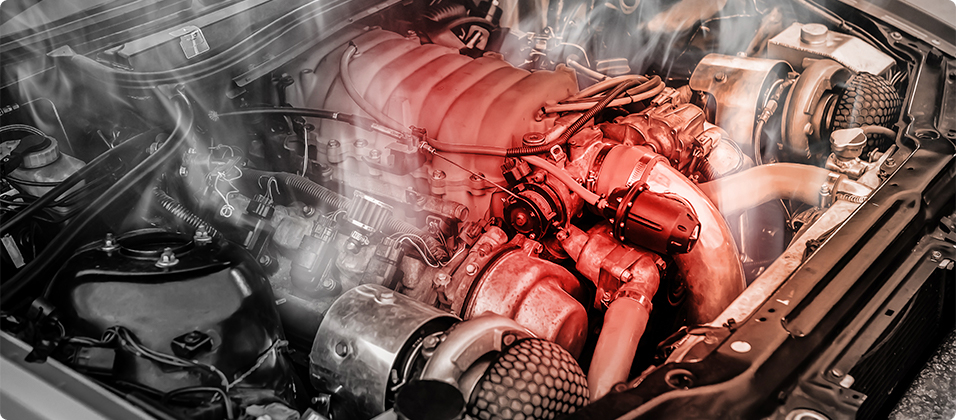
Early warning signs of car engine overheating
Most overheating problems do not appear out of nowhere. The car usually sends hints before the temperature needle climbs into the danger zone.
Watch for these signs:
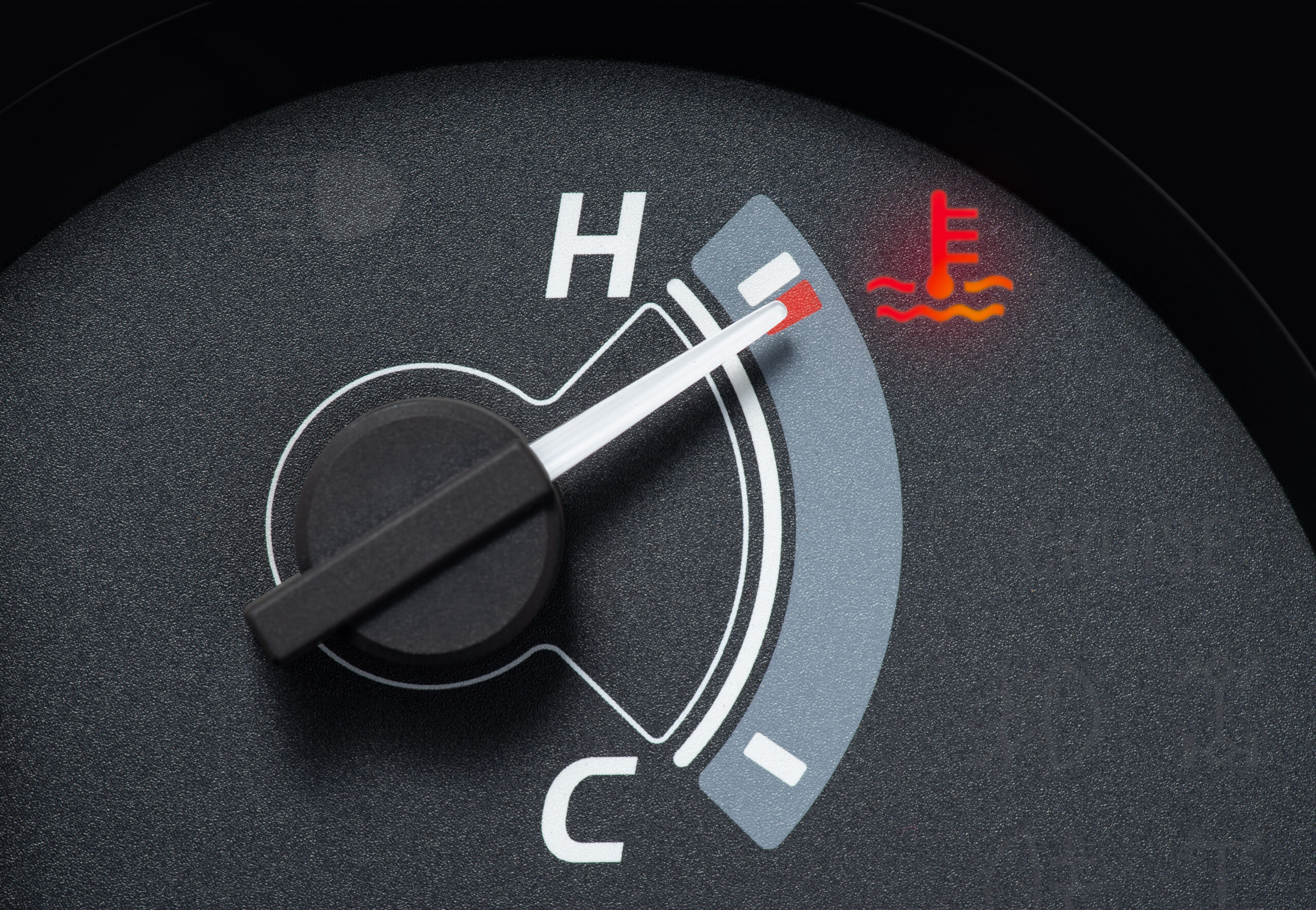
• Temperature gauge moving above normal
• Warning light or engine temperature alert
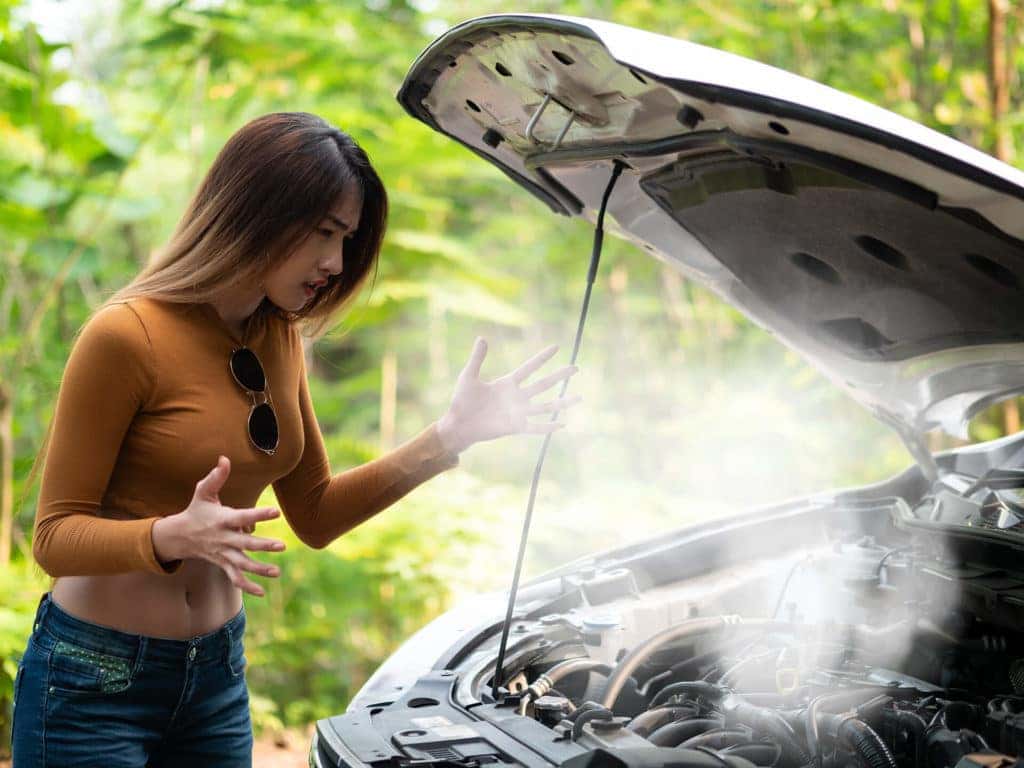
• Steam coming from under the hood
• Sweet smell from coolant
• Heater blowing cold air when it should be warm
• Loss of engine power
• Ticking, pinging, or knocking sounds
• Coolant puddles under the vehicle
One mistake I see often is drivers ignoring a slightly high temperature reading because the car still “seems okay.” That is risky. With car engine overheating, the gap between “a little hot” and “serious damage” can be very small.

What to do right away if your car engine overheats
When car engine overheating starts, your first goal is to protect the engine and stay safe.
Do this immediately
- Turn off the air conditioning.
- Turn the heater on full blast if you can safely tolerate it.
- Pull over as soon as it is safe.
- Shut off the engine if the temperature keeps rising.
- Let the car cool before opening the hood or radiator cap.
The heater can help pull some heat away from the engine, but only as a temporary move. If the needle is climbing fast, shutting the engine off is usually the safest choice.
Do not do this
• Do not open the radiator cap while the engine is hot
• Do not pour cold water on a hot engine block
• Do not keep driving if the temperature light is flashing
• Do not assume the problem will fix itself
Hot coolant can spray out under pressure and cause burns. I have seen people rush the cap and regret it immediately. Patience matters here.
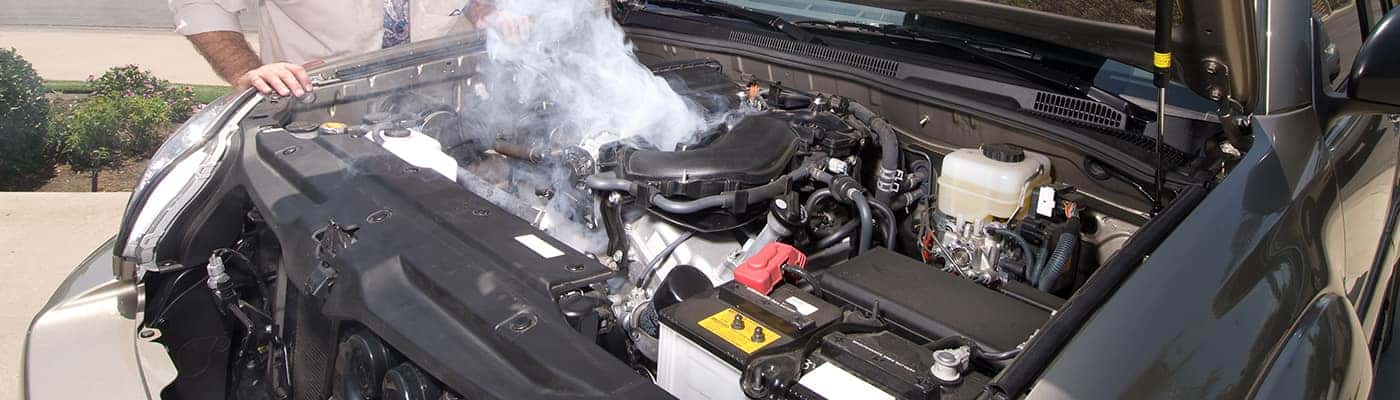
How mechanics diagnose car engine overheating
A proper diagnosis starts with basics. Good technicians do not guess first. They inspect, test, and confirm.
Common diagnostic steps
• Check coolant level and condition
• Inspect for visible leaks
• Test radiator cap pressure
• Verify fan operation
• Check thermostat function
• Look for signs of combustion gas in coolant
• Pressure test the system
• Scan for trouble codes
• Inspect belts, hoses, and pump operation
A pressure test is especially useful because it can reveal leaks that only appear under pressure. A scan tool can also point to sensor or fan control problems that may not be obvious by sight.
From experience, the worst repairs often begin with a skipped diagnosis. Replacing random parts can waste money fast if the real issue is a clogged radiator or a tiny leak.

Can you still drive with car engine overheating?
The short answer is no, not for long. Driving while the engine is overheating can turn a repairable issue into major engine damage.
If the temperature climbs briefly because of heavy traffic or a bad thermostat, you may be able to pull over safely and shut it down before damage spreads. But if car engine overheating continues, every mile increases the risk of warped metal, blown gaskets, or engine failure.
If you must move the car a very short distance, do it only to reach a safe spot or repair location. Otherwise, towing is the smarter move.
How to prevent car engine overheating
Prevention is cheaper than repair, and that is especially true for cooling systems.
Maintenance habits that help
• Check coolant level regularly
• Replace coolant at the interval in your owner’s manual
• Inspect hoses for cracks or swelling
• Make sure the radiator cap seals properly
• Keep the radiator and grille clean
• Watch for fan problems
• Fix small leaks early
• Use the correct coolant type for your vehicle
Smart driving habits
• Avoid long idling in extreme heat when possible
• Do not overload the vehicle beyond its rating
• Be cautious when towing on hot days
• Pay attention to dashboard warnings
• Have the cooling system checked before summer trips
A well-maintained cooling system is like a clean kitchen fan. It does not look exciting, but it keeps the whole place from heating up.

Cost of fixing car engine overheating
Repair costs vary a lot because the cause matters. A simple thermostat replacement may be relatively affordable, while a blown head gasket can become very expensive.
Typical repair ranges may include:
• Coolant refill or bleed: low cost
• Thermostat replacement: moderate cost
• Hose replacement: low to moderate cost
• Radiator replacement: moderate to high cost
• Water pump replacement: moderate to high cost
• Head gasket repair: high cost
The exact price depends on the vehicle, labor rates, and whether overheating caused extra damage. The longer car engine overheating is ignored, the more expensive the final bill usually becomes.
Why car engine overheating is so dangerous
Heat is one of the fastest ways to damage an engine. Metal expands, oil breaks down, and seals lose strength when temperatures rise too high.
Possible long-term damage includes:
• Warped cylinder heads
• Blown head gasket
• Cracked engine components
• Damaged pistons or rings
• Failure of plastic cooling parts
• Transmission stress on some vehicles, since fluid coolers may share the radiator
This is why even one serious overheating event should be taken seriously. Some engines survive it. Others do not. The outcome depends on how hot it got, how long it stayed there, and how quickly the driver responded.
Frequently Asked Questions
What is the most common cause of car engine overheating?
Low coolant is one of the most common causes, often because of a leak or poor maintenance. A stuck thermostat and failed cooling fan are also very common.
Can low oil cause car engine overheating?
Yes, low or degraded oil can raise engine temperature because oil helps reduce friction and carry away heat. Still, oil problems and coolant problems are different, so both systems should be checked.
Why does my car overheat only when idling?
That often points to a cooling fan problem, airflow issue, or weak radiator performance. At idle, the car depends more on fans than on road speed to move air through the radiator.
Is it okay to add water instead of coolant in an emergency?
Yes, plain water can be used temporarily in an emergency if coolant is unavailable. It is not a long-term solution, and the system should be flushed and refilled with the correct coolant mix as soon as possible.
How do I know if my head gasket is blown from overheating?
Common signs include white smoke from the exhaust, coolant loss without visible leaks, milky oil, and bubbles in the reservoir. A proper pressure test or combustion gas test can confirm the issue.
Can a bad radiator cap cause overheating?
Yes, a faulty radiator cap can let coolant boil too early or escape from the system. That lowers pressure and makes car engine overheating more likely, especially in hot weather or heavy traffic.
Conclusion
Car engine overheating is a warning you should never ignore. It usually points to a cooling system problem, and the sooner you catch it, the better your chances of avoiding serious damage. From low coolant and leaks to thermostat failure, radiator problems, and head gasket trouble, the key is to act fast, diagnose carefully, and maintain the system before heat wins.
If your temperature gauge starts climbing, treat it like the engine is asking for help. Check the basics, fix small issues early, and keep up with regular maintenance so you are not stuck on the side of the road when it matters most. If this guide helped you, consider saving it, sharing it, or leaving a comment with your own overheating story.



One Comment on “Car Engine Overheating: Causes And Quick Fixes”