Choosing the right winch can make the difference between an easy recovery and a stressful situation out in the wild. Whether you’re an off-road enthusiast, a worksite professional, or someone who needs reliable equipment for towing, understanding how to select the best winch is vital.
Many people buy winches based only on price or looks, but making the right choice requires more than that. Let’s break down everything you need to know to find the winch that truly fits your needs.

49% off Today's Exclusive Deals
Limited-time Exclusive Deals. Check current discount on Amazon.
Check Price on Amazon As an Amazon Associate I earn from qualifying purchases.Understanding Winches: What Are They?
A winch is a device used to pull, lift, or move heavy objects. It works with a spool (drum) wound with cable or rope. The motor turns the drum, pulling in the cable and moving the load. Winches are common for vehicles, boats, rescue operations, and construction. Their main role is to provide controlled pulling force.
There are two main types of winches:
- Electric winches: Powered by a vehicle battery or dedicated electrical source.
- Hydraulic winches: Operated by a hydraulic pump, often connected to the vehicle’s power steering.
Both types serve similar purposes, but their power sources and performance can vary greatly. Knowing the basics helps you decide which fits your use case.
49% off Today's Exclusive Deals
Limited-time Exclusive Deals. Check current discount on Amazon.
Check Price on Amazon As an Amazon Associate I earn from qualifying purchases.Identifying Your Needs
Before you start shopping, ask yourself why you need a winch. Not all winches are suitable for every job, and the wrong choice can even be dangerous.
Common Uses
- Off-road recovery: Getting vehicles unstuck from mud, sand, or snow.
- Worksite lifting: Moving equipment or materials.
- Boat trailers: Loading and unloading boats.
- ATVs and UTVs: Smaller vehicles for lighter tasks.
Think about how often you’ll use the winch, the typical weight you’ll pull, and the conditions you’ll face. For example, frequent use in muddy conditions requires a winch with strong waterproofing and higher pulling capacity.
Calculating Required Pulling Power
One of the most common mistakes is underestimating the pulling power needed. Always use the rule:
> Winch Capacity = Vehicle Weight × 1.5
If your vehicle weighs 4,000 lbs, you need a winch rated for at least 6,000 lbs. Overloading a winch can lead to failure or even injury.
49% off Today's Exclusive Deals
Limited-time Exclusive Deals. Check current discount on Amazon.
Check Price on Amazon As an Amazon Associate I earn from qualifying purchases.
Types Of Winches
There are many winch types, each designed for specific tasks. Choosing the right one starts with knowing their differences.
Electric Winches
These are the most popular for off-road vehicles. They’re easy to install, work with your vehicle’s battery, and are reliable for most situations.
- Pros: Simple wiring, quick operation, good for occasional use.
- Cons: Can drain battery fast, less suitable for long continuous pulls.
Hydraulic Winches
Hydraulic winches use the vehicle’s power steering pump. They’re preferred for heavy-duty tasks and professional recovery.
- Pros: Can run longer without overheating, very strong.
- Cons: Complex installation, only works when engine is running.
Hand Winches
Manual winches are powered by hand. They’re good for light loads or emergencies.
- Pros: No need for battery or engine power, lightweight.
- Cons: Slow, limited pulling capacity.
Portable Winches
These can be moved easily and attached where needed. Useful for people who don’t want a permanent installation.
- Pros: Flexible, can be used on multiple vehicles.
- Cons: Lower capacity, sometimes slower.
Key Factors When Choosing A Winch
Many buyers focus only on pulling capacity, but several factors matter. Here’s what to check:
1. Pulling Capacity
This is the most critical factor. Always choose a winch rated at least 1. 5 times your vehicle’s gross weight. Never round down. It’s safer to go higher if you often carry heavy gear or drive in extreme conditions.
2. Rope Or Cable Type
Winches use either steel cable or synthetic rope. Each has unique advantages.
| Type | Pros | Cons |
|---|---|---|
| Steel Cable | Durable, resistant to abrasion, better for rocky terrain | Heavy, can cause injury if it snaps, rusts over time |
| Synthetic Rope | Lightweight, safer if it breaks, easy to handle | Can fray, needs more care, weakened by UV and chemicals |
Synthetic rope is gaining popularity due to safety and ease of handling. However, steel cable is still preferred for harsh environments where abrasion is common.
3. Mounting Options
Winches must be mounted securely. Common mount types:
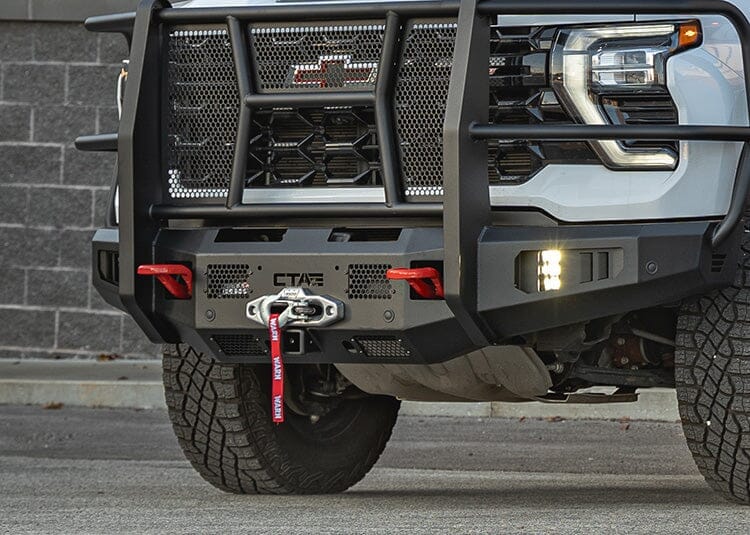
- Bumper mount: Integrated into the vehicle’s bumper, strong and stable.
- Portable mount: Temporary, attaches to tow hooks or hitch receivers.
- Frame mount: Directly on the vehicle’s chassis, best for heavy-duty use.
Check your vehicle’s compatibility before buying. Improper mounting reduces pulling efficiency and can be dangerous.
4. Line Speed
Line speed is how fast the winch pulls the rope or cable. Faster is better for quick recoveries, but too fast can be unsafe. A balanced line speed is ideal—slow enough for control, fast enough to avoid delays.
5. Motor Types
Winch motors are usually series wound or permanent magnet.
| Motor Type | Best Use | Performance |
|---|---|---|
| Series Wound | Heavy-duty, frequent use | High power, better for cold climates |
| Permanent Magnet | Light-duty, occasional use | Less power, can overheat |
Series wound motors are more expensive but handle tough conditions better. Permanent magnet motors are lighter and cheaper, but not suitable for hard pulling.
6. Control Options
Winches come with various control systems:
- Wired remote: Direct control, reliable, but limited range.
- Wireless remote: More freedom, can operate from a distance, but may have signal issues.
- Manual switch: Simple, but requires being close to the winch.
Wireless remotes are convenient, but always check their reliability in your chosen environment.
7. Waterproofing And Durability
If you’ll use your winch in wet, muddy, or snowy conditions, choose models with IP-rated waterproofing. Look for sealed motors, corrosion-resistant materials, and protected controls.
8. Gear Types
Most winches use either planetary gears or worm gears:
- Planetary gear: Fast, compact, common for electric winches.
- Worm gear: Slower, more control, self-locking (stays in place when power is off).
Planetary gears are good for speed, while worm gears are ideal for precise, controlled movements.
Comparing Popular Winch Brands
Many brands offer reliable winches, but their strengths differ. Here’s a quick comparison of three top brands:
| Brand | Main Features | Price Range | Best For |
|---|---|---|---|
| Warn | High durability, good waterproofing, strong pulling power | $400–$1,500 | Off-road, heavy-duty recovery |
| Smittybilt | Affordable, easy installation, good for beginners | $250–$700 | Light to medium duty |
| Superwinch | Balanced performance, reliable motors, solid warranty | $300–$1,000 | General use, boat trailers, ATVs |
Choosing a well-known brand increases reliability and access to support. However, smaller brands can offer good value for less demanding needs.
Safety Considerations
Safety is often overlooked but essential. A winch is powerful and can cause injury if used incorrectly.
Key Safety Tips
- Never exceed rated capacity: Always check your winch’s load limit.
- Wear gloves: Steel cables can cause cuts; synthetic ropes can burn.
- Stand clear during operation: Never stand in line with the cable.
- Use a winch dampener: Place a heavy object or dampener on the cable to reduce recoil if it snaps.
- Inspect regularly: Check for frayed rope, damaged hooks, or loose bolts before use.
Common mistake: Some users skip regular maintenance, leading to unexpected failures. Always inspect your winch after heavy use or exposure to rough conditions.
Installation And Maintenance
Proper installation is as important as choosing the right winch. If unsure, professional installation is recommended.
Installation Steps
- Choose the right mounting kit: Match your vehicle and winch model.
- Secure the winch tightly: Follow torque recommendations.
- Connect wiring: Use thick cables, avoid loose connections.
- Test operation: Run the winch empty to check performance.
Maintenance Tips
- Lubricate gears: Follow manufacturer’s instructions.
- Clean after every use: Remove mud, sand, and salt.
- Store synthetic rope away from sunlight: UV weakens it.
- Check battery health: Electric winches need strong batteries.
Non-obvious insight: Many beginners forget that winch performance drops if the battery is weak. Always check your battery before heading out.
Matching Winch To Vehicle And Environment
Not every winch fits every vehicle. Consider these points:
Vehicle Size And Weight
Heavy trucks need bigger winches. Small ATVs can use lighter models. Overkill is not always better—oversized winches add weight and may strain mounting points.
Environment
- Mud and water: Waterproofing is crucial.
- Rocky terrain: Steel cable is safer.
- Snow and ice: Series wound motors perform better.
If you often travel alone, a winch with easy controls and fast line speed helps in emergencies.

Real-world Examples
Let’s look at practical scenarios:
- Off-road Jeep owner: Drives in mud, needs a 9,500 lb winch with synthetic rope for safety and lighter weight. Chooses Warn for durability.
- Boat trailer user: Needs a 3,000 lb winch, prefers Superwinch for reliability and ease of use.
- ATV rider: Uses a 2,500 lb winch, picks Smittybilt for affordable price and simple controls.
Non-obvious insight: It’s smart to buy a winch slightly larger than your calculated need. Extra capacity gives peace of mind and flexibility.
Winch Accessories To Consider
Accessories can improve safety and performance.
- Snatch block: Doubles pulling power, changes direction of pull.
- Winch dampener: Reduces risk if cable snaps.
- Tree saver strap: Protects trees during recovery.
- Shackles: Connect straps and hooks securely.
- Remote controls: Adds convenience and safety.
Investing in accessories can prevent common mistakes and make recovery smoother.
Comparing Winch Features: What Matters Most?
Let’s compare important features side by side.
| Feature | Electric Winch | Hydraulic Winch | Manual Winch |
|---|---|---|---|
| Pulling Capacity | 2,000–12,000 lbs | Up to 18,000 lbs | Up to 2,500 lbs |
| Line Speed | Fast | Medium | Slow |
| Installation | Easy | Complex | Very easy |
| Power Source | Battery | Hydraulic system | Manual |
| Best Use | Off-road vehicles | Worksites, big trucks | Light loads, emergencies |
This comparison helps you quickly see which winch type matches your needs.
Budget And Cost Considerations
Winches range from $150 to $2,000 or more. Price depends on pulling power, features, brand, and accessories.
What To Consider
- Don’t buy cheap for heavy tasks: Low-cost winches may fail under stress.
- Mid-range models: Good for most users, balance price and reliability.
- High-end models: Needed for frequent or extreme use.
Common mistake: Many buyers skip accessories to save money, but investing in straps, blocks, and dampeners is smart.
Tip: Always budget for installation and maintenance. Saving upfront can cost more later if the winch fails.
How To Avoid Common Mistakes
- Ignoring compatibility: Always check if the winch fits your vehicle.
- Buying based on looks: Performance is more important than style.
- Skipping safety gear: Accessories like gloves and dampeners are essential.
- Not reading reviews: Learn from other users’ experiences.
- Rushing installation: Improper setup reduces safety.
It’s wise to consult experts or online communities for advice. For deeper technical info, see Wikipedia’s winch article.
Making Your Final Choice
When all factors are considered—pulling power, rope type, mounting, controls, and brand—you’ll find a winch that suits your needs and budget. Don’t rush the decision. A quality winch lasts for years and provides peace of mind in difficult situations. Always choose reliability and safety over low price.
If you invest in the right winch, you’ll enjoy smoother recoveries, less stress, and greater confidence. Remember, the winch is not just a tool—it’s a lifeline when you’re stuck or need help. Take your time, compare features, and choose wisely.
Frequently Asked Questions
What Size Winch Do I Need For My Vehicle?
The best method is to multiply your vehicle’s gross weight by 1. 5. For a 4,000 lb vehicle, choose a winch rated for at least 6,000 lbs. If you carry extra gear or travel in rough terrain, go higher.
Is Synthetic Rope Safer Than Steel Cable?
Yes, synthetic rope is lighter and safer. If it breaks, it doesn’t recoil as dangerously as steel cable. However, steel cable is stronger in rough, rocky environments.
Can I Install A Winch Myself?
Most electric winches can be installed with basic tools. Follow the manufacturer’s instructions carefully. If you are unsure, professional installation is safest.
How Often Should I Maintain My Winch?
Check your winch after every heavy use. Clean mud and dirt, inspect cables or rope, lubricate gears, and check connections. For frequent use, a monthly check is wise.
What Accessories Should I Buy With A Winch?
Essential accessories include a snatch block, winch dampener, tree saver strap, and shackles. Gloves and a reliable remote are also recommended for safety and convenience.
Choosing the right winch is a balance of power, safety, and usability. If you follow these guidelines, you’ll make a smart investment and stay prepared for anything.



One Comment on “How to Choose the Right Winch: Expert Tips for Every Vehicle”