Car air conditioning not cold usually means low refrigerant, poor airflow, a failing compressor, or a clogged system.
If your car air conditioning not cold issue has shown up on a hot day, you already know how frustrating it feels. I’ve seen this problem many times in real-world diagnostics, and the fix is often simpler than people think once you narrow down the cause. In this guide, I’ll walk you through the most common reasons your car air conditioning not cold problem happens, how to spot the clues, and what to do before small issues turn into expensive repairs.

49% off Today's Exclusive Deals
Limited-time Exclusive Deals. Check current discount on Amazon.
Check Price on Amazon As an Amazon Associate I earn from qualifying purchases.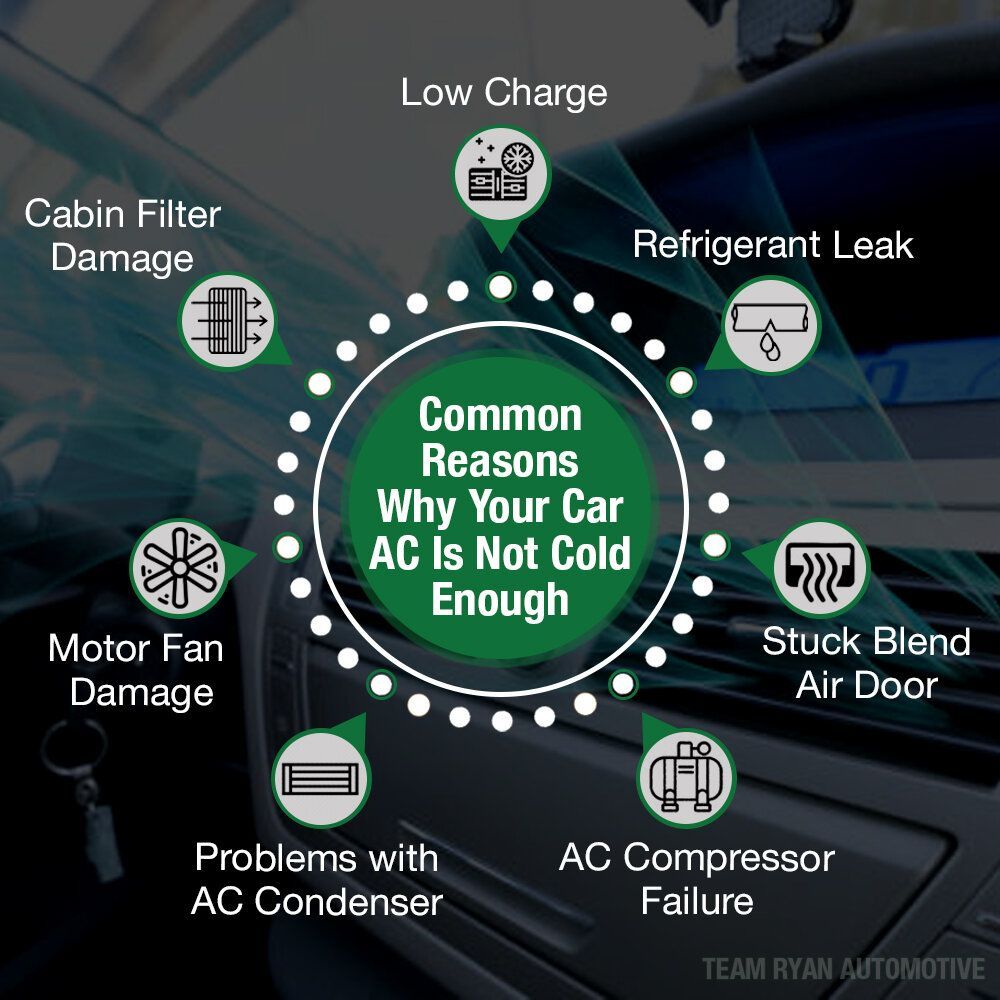
Why your car air conditioning not cold happens
A car AC system is like a loop that moves heat out of the cabin and sends it away through the condenser. When one part of that loop gets weak, the whole system loses cooling power. That is why a car air conditioning not cold complaint can come from refrigerant loss, an electrical fault, a bad sensor, or even a simple airflow problem.
In my experience, drivers often assume the compressor is the only possible problem. That is not always true. Many times, the real issue is something smaller, like a dirty cabin filter, a weak condenser fan, or a low refrigerant charge caused by a tiny leak.
49% off Today's Exclusive Deals
Limited-time Exclusive Deals. Check current discount on Amazon.
Check Price on Amazon As an Amazon Associate I earn from qualifying purchases.The key is to think in layers:
• Airflow problems affect how much cooled air reaches you
• Refrigerant problems affect how well heat is removed
• Mechanical problems affect whether the system can build pressure
• Electrical problems affect whether the system turns on correctly
When you understand those layers, the car air conditioning not cold issue becomes much easier to diagnose.
49% off Today's Exclusive Deals
Limited-time Exclusive Deals. Check current discount on Amazon.
Check Price on Amazon As an Amazon Associate I earn from qualifying purchases.Common causes of car air conditioning not cold
There are several reasons a car air conditioning not cold complaint can happen. Some are simple and cheap. Others need a trained technician and proper tools.
Low refrigerant level
Low refrigerant is one of the most common reasons for a car air conditioning not cold problem. Refrigerant does not get “used up” like fuel. If the level is low, it usually means there is a leak somewhere in the system.
A low charge can cause these symptoms:
• Air feels cool at first, then gets warm
• AC works better while driving than at idle
• Compressor cycles on and off too often
• Lines may not feel as cold as they should
I once checked a vehicle that had “no AC” complaints every summer. The owner had topped off the refrigerant twice, but the real issue was a tiny leak at an O-ring. That mistake is common. Refilling without fixing the leak is usually just a short-term bandage.
Dirty or clogged cabin air filter
A clogged cabin air filter can make the car air conditioning not cold issue feel worse than it really is. If air cannot move through the vents, the system may still be cooling, but you won’t feel much of it.
Signs include:
• Weak airflow from vents
• Dust or debris around the filter
• Musty smell inside the car
• AC seems colder when driving fast
This is one of the easiest fixes. On many vehicles, replacing the cabin filter takes only a few minutes.
Faulty compressor
The compressor is the heart of the AC system. If it fails, refrigerant cannot circulate properly, and your car air conditioning not cold problem becomes obvious fast.
Common signs of compressor trouble:
• Clicking or grinding noise when AC turns on
• AC clutch not engaging
• Warm air from vents even with the AC on
• Burnt smell from the compressor belt area
A failing compressor can sometimes work intermittently. That makes diagnosis tricky, because the system may seem fine one minute and dead the next.
Condenser problems
The condenser sits near the front of the car and releases heat from the refrigerant. If it is blocked by dirt, bugs, leaves, or bent fins, the car air conditioning not cold issue can get worse, especially in traffic.
Watch for:
• Better cooling at highway speed than in stop-and-go traffic
• Hot air at idle
• Visible dirt or damage on the front of the condenser
• Fan running louder than normal
I’ve found many cases where a simple condenser cleaning improved cooling a lot. Still, if the condenser is leaking or damaged, cleaning alone will not solve the problem.
Cooling fan failure
If the radiator fan or condenser fan stops working, heat cannot leave the system. That often creates a car air conditioning not cold complaint when the vehicle is stopped or moving slowly.
Clues include:
• AC cools while driving but not at idle
• Engine temperature rises when AC is on
• Fan does not turn on with AC enabled
• Cooling gets weaker in traffic
This is a big clue for diagnosis. Fans matter just as much as refrigerant in many systems.
Electrical or sensor issues
Modern AC systems depend on pressure sensors, relays, fuses, and control modules. A bad sensor can tell the car to shut the system down even when the hardware is fine.
Possible signs:
• Compressor never turns on
• AC light flashes or behaves oddly
• One speed only from the blower fan
• Intermittent cooling with no clear pattern
Electrical problems are often overlooked because the system may not show visible damage. That is why a proper scan tool can save time.
Blend door or actuator failure
Sometimes the AC is cold, but the car still blows warm air because the blend door is stuck on heat. This is a sneaky cause of a car air conditioning not cold complaint.
Typical symptoms:
• Temperature changes do not match settings
• Clicking behind the dash
• One side cold, one side warm
• Airflow feels normal, but temperature is wrong
This problem is common in dual-zone systems. It can feel like a refrigerant issue when it is actually a door control issue inside the dashboard.
Expansion valve or orifice tube blockage
These parts control refrigerant flow. If they clog or fail, pressure balance gets thrown off and cooling drops.
You may notice:
• Sudden loss of cooling
• Frost on certain lines
• High-side or low-side pressure readings out of range
• Cooling that comes and goes
This is a more technical issue, but it matters because many car air conditioning not cold cases come down to flow restrictions somewhere in the system.

How to diagnose car air conditioning not cold step by step
A good diagnosis starts with simple checks. You do not want to guess and spend money on the wrong part.
-
Check the airflow
Turn the fan on high and feel the vents. If airflow is weak, the problem may be the cabin filter, blower motor, or ducting. -
Check the temperature setting
Make sure the system is set to cold and not using outside air in a way that reduces cooling feel. -
Listen for the compressor
When AC is on, the compressor should usually engage or cycle. If nothing happens, electrical or refrigerant issues may be present. -
Look at the condenser
Check for dirt, bugs, bent fins, or damage. A blocked condenser can absolutely cause a car air conditioning not cold problem. -
Check for leaks
Oily residue around AC lines, fittings, or the compressor often points to refrigerant leakage. -
Test the fan operation
Make sure the condenser fan and radiator fan run when the AC is on. -
Use pressure readings
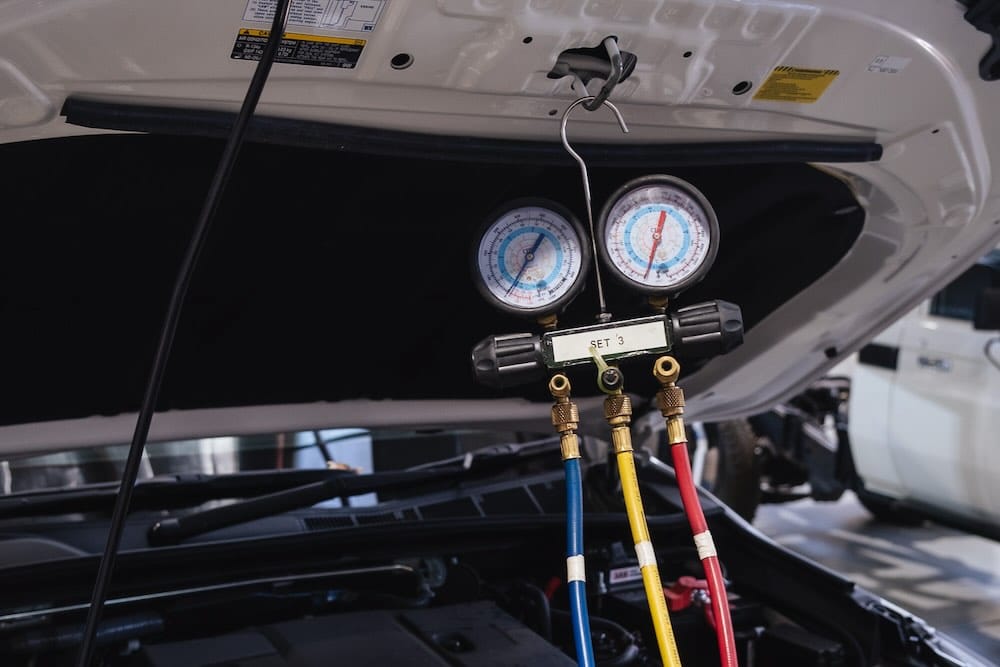
A manifold gauge set or professional scan data can confirm whether the system is low, blocked, or overcharged.
From experience, this step-by-step process saves a lot of money. It is much better to find the actual failure than to keep replacing parts based on guesses.

What you can check at home before calling a mechanic
Some car air conditioning not cold issues can be narrowed down without special tools. You do not need to be a professional to spot the basics.
Try these checks:
• Replace the cabin air filter if it looks dirty
• Inspect the front of the condenser for debris
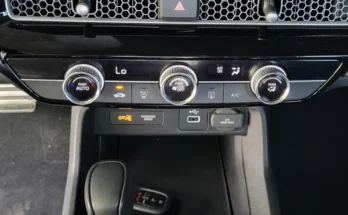
• Confirm the AC button lights up and the blower works
• Listen for unusual noises when AC starts
• Check whether cooling improves while driving
• Look under the car or hood for oily stains near AC lines
If you have a pressure gauge set and know how to use it safely, you can get more information. But if you are not confident, do not open the system yourself. Refrigerant handling requires care and proper equipment.
When the problem is more serious
Not every car air conditioning not cold issue is a small fix. Some problems need professional diagnosis right away.
You should get help sooner if:
• The compressor makes loud noises
• The AC system has been recently serviced but still fails
• There is visible refrigerant oil leakage
• The engine overheats when AC is on
• The system blows warm air only after a few minutes
These signs may point to deeper trouble, like a failing compressor, blocked condenser, or electrical control issue. In those cases, waiting usually makes the repair more expensive.
How to prevent car air conditioning not cold problems
Prevention is easier than repair. A few habits can keep the AC system healthier for longer.
• Run the AC regularly, even in cooler months
• Replace the cabin filter on schedule
• Keep the condenser clean
• Fix leaks early
• Repair weak fans before summer hits
• Have the system checked if cooling starts to fade
A small refrigerant leak can become a big repair if ignored. I have seen people wait until the compressor is damaged because the system was run too low for too long. That is an expensive lesson.
Cost factors to expect
The cost of fixing a car air conditioning not cold problem depends on the cause. A filter replacement is cheap. A compressor replacement is not.
Typical cost drivers include:
• Cabin filter replacement
• Refrigerant leak testing and recharge
• Electrical diagnosis
• Compressor replacement
• Condenser or fan replacement
• Blend door or actuator repairs
Prices vary by vehicle, labor rate, and part quality. The smart move is to diagnose first, then repair only what is actually broken.
Frequently Asked Questions
Why is my car air conditioning not cold but the fan still blows strong air?
Strong airflow means the blower is working, but the cooling system may not be. The issue is often low refrigerant, a bad compressor, or a blocked condenser.
Can I just refill the refrigerant if my car air conditioning not cold?
You can, but only as a short-term step if there is a leak. If the leak is not fixed, the system will usually lose cooling again.
Why does my AC get cold only while driving?
That often points to poor condenser airflow or a fan problem. At higher speed, more air passes through the condenser, so cooling improves.
Can a dirty cabin air filter cause car air conditioning not cold?
Yes, it can reduce airflow enough to make the AC feel weak. It will not usually stop cooling completely, but it can make the problem seem much worse.
Why does my car AC blow cold for a few minutes, then warm air?
This can happen with low refrigerant, compressor cycling issues, or a failing sensor. It may also point to an expansion valve or control problem.
Conclusion
A car air conditioning not cold issue can come from many places, but the most common causes are low refrigerant, weak airflow, compressor trouble, fan failure, or an electrical fault. The best approach is to start with simple checks, then move to deeper diagnosis if the problem stays.
If you act early, you can often save money and avoid bigger damage. Pay attention to small warning signs, keep up with basic maintenance, and do not ignore cooling that fades over time. If your AC still is not right, get it tested properly and fix the real cause before summer heat makes the problem worse.
If this guide helped you, share it, save it for later, or leave a comment with your symptoms so you can narrow down the next step.