Electric cars are no longer a rare sight on the road. More people are switching from gasoline vehicles to electric cars every year. The reasons are clear: electric cars are better for the environment, cheaper to run, and often more fun to drive. But many buyers feel confused when they look at all the types of electric cars available today. Each type comes with its own features, benefits, and challenges. If you want to understand your options, this guide will help. We’ll explore the main types of electric cars, compare their technology, and give real-world examples. You’ll learn what makes each type unique and how to choose the best one for your needs.
What Makes An Electric Car Different?
Before diving into the types, it helps to know what sets electric cars apart from traditional vehicles. An electric car uses electric motors powered by batteries or other energy sources. Unlike gasoline cars, electric cars don’t burn fuel inside an engine. This means they produce less pollution and can be more efficient. Some electric cars use only batteries, while others combine electric power with gasoline engines. These differences lead to the main types of electric cars on the market.

49% off Today's Exclusive Deals
Limited-time Exclusive Deals. Check current discount on Amazon.
Check Price on Amazon As an Amazon Associate I earn from qualifying purchases.Main Types Of Electric Cars
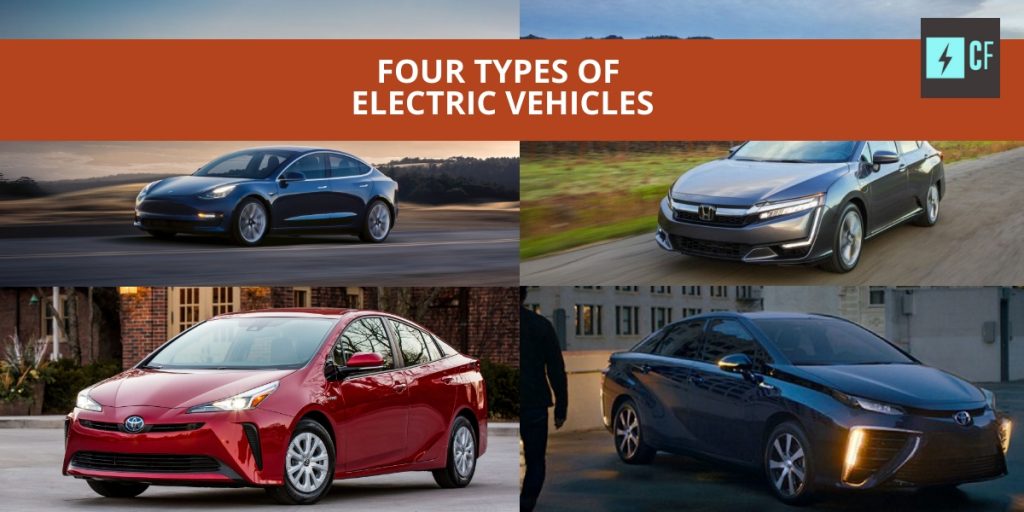
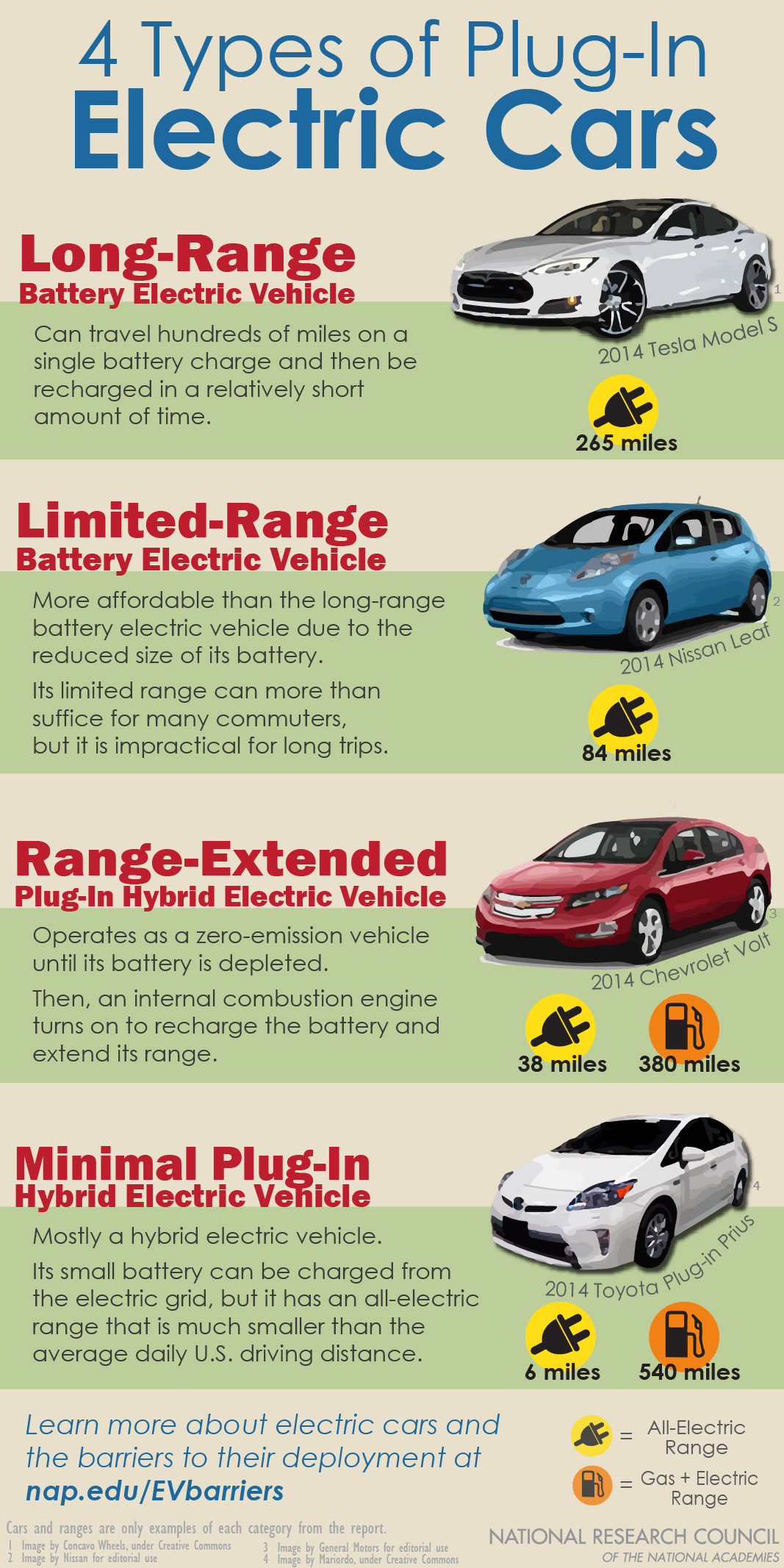
Electric cars fall into four main categories. Each category uses a different way to power the car and recharge the battery. Understanding these types will make it easier to pick the right car for your needs.
Battery Electric Vehicles (bevs)
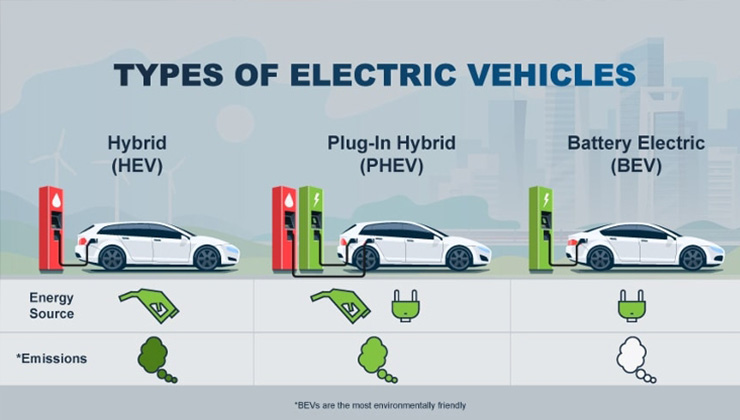
Battery Electric Vehicles are the purest form of electric cars. They run only on electricity from a battery. There’s no gasoline engine or fuel tank. When the battery runs out, you need to recharge it. BEVs are the most common type today, and they include popular models like the Tesla Model 3, Nissan Leaf, and Chevrolet Bolt.
How Bevs Work
BEVs use a large lithium-ion battery that stores energy. The battery powers one or more electric motors, which drive the wheels. You plug the car into a charging station or outlet to recharge. Charging can take from 30 minutes (fast chargers) to several hours (home outlets).
49% off Today's Exclusive Deals
Limited-time Exclusive Deals. Check current discount on Amazon.
Check Price on Amazon As an Amazon Associate I earn from qualifying purchases.Benefits Of Bevs
- Zero emissions: BEVs produce no tailpipe pollution.
- Lower running costs: Electricity is cheaper than gasoline, and BEVs need less maintenance.
- Quiet drive: Electric motors are almost silent.
- Instant torque: BEVs accelerate quickly because electric motors deliver power instantly.
Challenges Of Bevs
- Range anxiety: Most BEVs can travel 150–400 miles per charge, but charging stations are not everywhere.
- Charging time: Fast chargers help, but full charging still takes longer than refueling gasoline cars.
- Battery life: Batteries wear out over time, though most last 8–10 years.
Bev Examples
- Tesla Model 3: Up to 358 miles range.
- Nissan Leaf: 150–226 miles range.
- Chevrolet Bolt EV: 259 miles range.
- Hyundai Kona Electric: 258 miles range.
Plug-in Hybrid Electric Vehicles (phevs)
Plug-in Hybrid Electric Vehicles use both an electric motor and a gasoline engine. They can run on electricity for short trips, then switch to gasoline for longer journeys. PHEVs have a smaller battery than BEVs, but you can recharge them from a plug.
How Phevs Work
A PHEV starts with electric power. When the battery runs out, the gasoline engine turns on to keep the car moving. You can charge the battery using a wall outlet or charging station. Most PHEVs can drive 20–50 miles on electric power before using gasoline.
Benefits Of Phevs
- Flexible range: You can drive electric in the city and gasoline on long trips.
- Lower emissions: Short trips can be fully electric, reducing pollution.
- No range anxiety: The gasoline engine gives backup for longer drives.
Challenges Of Phevs
- Limited electric range: Most PHEVs can’t go far on electricity alone.
- More maintenance: You must care for both an electric system and a gasoline engine.
- Extra weight: Carrying a battery and engine makes the car heavier.
Phev Examples
- Toyota Prius Prime: 25 miles electric, 640 miles total range.
- Ford Escape Plug-in Hybrid: 37 miles electric, 520 miles total range.
- Mitsubishi Outlander PHEV: 38 miles electric, 420 miles total range.
- Honda Clarity Plug-in Hybrid: 48 miles electric, 340 miles total range.
Hybrid Electric Vehicles (hevs)
Hybrid Electric Vehicles use a mix of electric power and gasoline. Unlike PHEVs, you can’t plug them in to recharge. The battery charges during driving, using the engine or braking. HEVs are not “true” electric cars, but they use electric power to improve efficiency.
How Hevs Work
HEVs combine a small battery, electric motor, and gasoline engine. The car switches between electric and gasoline power depending on speed and driving conditions. The battery charges itself using energy from braking (called regenerative braking) or the engine.
49% off Today's Exclusive Deals
Limited-time Exclusive Deals. Check current discount on Amazon.
Check Price on Amazon As an Amazon Associate I earn from qualifying purchases.Benefits Of Hevs
- Better fuel economy: Electric power reduces gasoline use.
- No charging needed: The car charges itself during driving.
- Lower emissions: HEVs pollute less than regular cars.
Challenges Of Hevs
- Not fully electric: You can’t drive only on electric power for long.
- Less environmental impact: HEVs still burn gasoline.
- Limited electric features: Smaller batteries mean fewer electric benefits.
Hev Examples
- Toyota Prius: 56 mpg combined.
- Honda Accord Hybrid: 48 mpg combined.
- Hyundai Ioniq Hybrid: 59 mpg combined.
- Ford Fusion Hybrid: 42 mpg combined.
Fuel Cell Electric Vehicles (fcevs)
Fuel Cell Electric Vehicles use hydrogen to make electricity. They have a fuel cell, which creates power by mixing hydrogen with oxygen. FCEVs are rare, but they offer unique benefits like fast refueling and long range.
How Fcevs Work
FCEVs store compressed hydrogen in a tank. The fuel cell takes hydrogen and mixes it with air, creating electricity to power the motor. The only emission is water vapor. Refueling takes about 3–5 minutes, similar to gasoline.
Benefits Of Fcevs
- Fast refueling: No long charging times.
- Long range: Most FCEVs can travel over 300 miles per fill.
- Zero emissions: Only water comes out of the tailpipe.
Challenges Of Fcevs
- Few hydrogen stations: Refueling is hard outside major cities.
- Higher cost: Hydrogen cars are expensive to make and buy.
- Limited models: Only a few FCEVs are available.
Fcev Examples
- Toyota Mirai: 402 miles range.
- Hyundai Nexo: 380 miles range.
- Honda Clarity Fuel Cell: 366 miles range.
Comparison Of Electric Car Types
To help you see the differences, here’s a simple comparison.
| Type | Main Power Source | Electric Range | Refueling/Recharging Time | Emissions |
|---|---|---|---|---|
| BEV | Battery | 150–400 miles | 30 min–12 hours | None |
| PHEV | Battery + Gasoline | 20–50 miles electric, rest gasoline | 2–6 hours (electric) | Low |
| HEV | Battery + Gasoline | Limited (short bursts) | Not plug-in | Medium |
| FCEV | Hydrogen | 300–400 miles | 3–5 min | None |
Technology Behind Electric Cars
Electric cars use advanced technology to deliver power and improve efficiency. Let’s look at the main parts that make these cars possible.
Batteries
Most electric cars use lithium-ion batteries. These batteries are light, powerful, and can be recharged hundreds of times. Battery size affects range and performance. For example, the Tesla Model S uses a 100 kWh battery for over 370 miles of range.
Electric Motors
Electric motors turn electricity into motion. They are much more efficient than gasoline engines. Electric motors can be placed on the front, rear, or all four wheels for better performance.
Regenerative Braking
When you slow down, the car uses regenerative braking to turn some energy back into electricity. This helps recharge the battery and makes electric cars more efficient.
Charging Systems
Electric cars use three types of charging:
- Level 1: Uses a standard wall outlet, slow charging (8–12 hours).
- Level 2: Uses special home or public chargers, faster (3–6 hours).
- DC Fast Charging: Very fast, charges most batteries to 80% in 30–60 minutes.
Hydrogen Fuel Cells
FCEVs use hydrogen fuel cells. The fuel cell mixes hydrogen with oxygen to make electricity and water. This technology is clean but needs special infrastructure.
Credit: www.elementfleet.com
Environmental Impact
Electric cars are often seen as better for the planet. But the real impact depends on the type and how you use it.
Bevs And Fcevs
Both BEVs and FCEVs produce zero tailpipe emissions. This means they don’t add pollution while driving. However, making batteries and hydrogen can create pollution, especially if electricity comes from coal.
Phevs And Hevs
PHEVs and HEVs still use gasoline, so they produce some pollution. They are cleaner than regular cars, but not as clean as BEVs or FCEVs. Driving mostly electric with a PHEV helps reduce emissions.
Battery Production
Making batteries uses energy and creates pollution. Most batteries are made in large factories. Recycling batteries helps reduce this impact.
Cost Of Electric Cars
Price is often a big factor for buyers. Electric cars can cost more up front, but they save money over time.
Purchase Price
BEVs and FCEVs are usually more expensive than gasoline cars. PHEVs and HEVs cost less, but still more than regular cars. Prices are dropping as technology improves.
Running Costs
Electric cars cost less to run. Charging is cheaper than buying gasoline. Maintenance is also lower because electric motors have fewer moving parts.
Incentives
Many governments offer tax credits, rebates, or free charging to encourage electric car use. For example, the US federal tax credit is up to $7,500 for new electric cars.
Typical Costs
| Type | Average Price | Annual Running Cost |
|---|---|---|
| BEV | $35,000–$60,000 | $500–$800 |
| PHEV | $28,000–$45,000 | $700–$1,200 |
| HEV | $25,000–$35,000 | $900–$1,500 |
| FCEV | $50,000–$60,000 | $600–$900 |
Credit: www.chargedfuture.com
Charging And Refueling Infrastructure
Charging and refueling is a key factor in choosing an electric car. The right infrastructure makes electric cars practical.
Bev Charging
The US has over 50,000 public charging stations. Home charging is common, but fast chargers are needed for long trips. Tesla’s Supercharger network is famous for fast, reliable charging.
Phev Charging
PHEVs need less charging because they can use gasoline. Most owners charge at home.
Fcev Refueling
Hydrogen stations are rare. California has about 60 hydrogen stations. Outside California, refueling an FCEV can be difficult.
Hev Refueling
HEVs don’t need charging stations. They use gasoline and recharge the battery during driving.
Performance And Driving Experience
Electric cars are fun to drive. They offer unique features and benefits.
Instant Acceleration
Electric motors deliver power instantly. The Tesla Model S Plaid can go from 0–60 mph in less than 2 seconds.
Quiet Ride
Electric cars are quiet. No engine noise makes for a peaceful drive.
Handling
Batteries are heavy and low in the car. This lowers the center of gravity and improves handling.
Comfort
Many electric cars have advanced features like heated seats, touch screens, and autopilot.
Range And Practicality
Range is a top concern for buyers. Here’s how the types compare:
Bevs
Most BEVs now offer 250–400 miles per charge. This covers daily use and most trips.
Phevs
PHEVs offer 20–50 miles electric, then switch to gasoline. Perfect for city driving with backup for road trips.
Hevs
HEVs don’t focus on electric range. They use electric power to support gasoline driving.
Fcevs
FCEVs offer 300–400 miles per tank. Refueling is fast, but stations are rare.
Safety Features
Electric cars come with advanced safety features.
Battery Safety
Batteries are tested for safety. They are protected from crashes and overheating.
Driver Assistance
Many electric cars offer autopilot, lane keeping, and emergency braking. The Tesla Model 3 earned high safety scores from the NHTSA.
Crash Tests
Electric cars often score well in crash tests. The low battery placement helps in accidents.
Credit: nap.nationalacademies.org
Electric Car Adoption And Market Trends
The electric car market is growing fast. In 2023, over 2 million electric cars were sold in the US. BEVs are the fastest-growing segment. China, Europe, and the US lead in electric car sales.
Future Trends
- Longer range: Battery technology is improving.
- More models: Car makers are launching dozens of new electric cars.
- Lower prices: Costs are falling as production increases.
- Better infrastructure: More charging stations are being built.
Real-world Example
Norway is a leader in electric car adoption. Over 80% of new cars sold in Norway are electric. The country offers free charging, tax cuts, and special lanes for electric cars.
Choosing The Right Type For You
Picking the right electric car depends on your needs.
- Short city trips: BEV or PHEV is best. You can charge at home and rarely need gasoline.
- Long drives: PHEV or FCEV. PHEVs switch to gasoline, FCEVs have fast refueling.
- No charging access: HEV. You get better fuel economy without needing a charger.
- Environment focus: BEV or FCEV. Both offer zero emissions.
Common Mistakes To Avoid
- Ignoring charging options: Always check if you have access to charging stations.
- Underestimating range needs: Choose a car that fits your daily and weekly driving.
- Overlooking incentives: Research tax credits and rebates in your area.
- Not planning for maintenance: Electric cars need less, but don’t skip regular checks.
Non-obvious Insights
- Battery health matters: Hot climates can reduce battery life. Check warranty and care tips.
- Resale value is rising: Used electric cars are becoming popular as more buyers trust the technology.
Electric Car Types In The Market
Here’s a quick look at how many models are available in each category:
| Type | Number of Models (US Market) | Popular Brands |
|---|---|---|
| BEV | Over 40 | Tesla, Nissan, Chevrolet, Hyundai |
| PHEV | 30+ | Toyota, Ford, Mitsubishi, Honda |
| HEV | 50+ | Toyota, Honda, Hyundai, Ford |
| FCEV | 3 | Toyota, Hyundai, Honda |
Frequently Asked Questions
What Is The Difference Between Bev And Phev?
A BEV is a fully electric car that runs only on batteries. You need to recharge it using a plug. A PHEV combines electric power with a gasoline engine. It can run on electricity for short trips, then use gasoline for longer drives.
How Long Do Electric Car Batteries Last?
Most electric car batteries last 8–10 years or 100,000–150,000 miles. Battery life depends on use, climate, and care. Manufacturers offer warranties for up to 8 years.
Are Electric Cars Really Cheaper To Run?
Yes, electric cars cost less to run. Charging is cheaper than gasoline, and maintenance is lower. You save money on oil changes, brakes, and engine repairs.
Can I Charge My Electric Car At Home?
Most electric cars can be charged at home using a standard outlet or a special charger. Home charging is slow, but convenient for daily use.
Where Can I Find More Information About Electric Car Types And Technology?
A good source for electric car information is the Wikipedia Electric Car page. It offers detailed explanations and updated facts.
Electric cars are changing the way we drive. With many types and models to choose from, buyers can find the right match for their needs, budget, and lifestyle. Understanding the main types—BEV, PHEV, HEV, and FCEV—will help you make a smart choice.
As technology improves, electric cars will become even more practical, affordable, and eco-friendly. The world is moving toward cleaner, quieter, and smarter transportation. If you’re thinking about joining the electric revolution, now is a great time to start exploring your options.