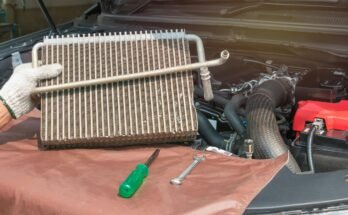
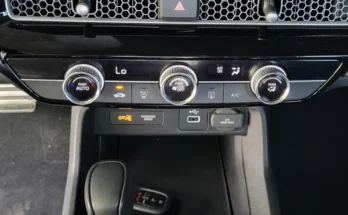
A car AC making noise usually points to loose parts, low refrigerant, debris, or a failing compressor.
If your car AC making noise has turned every drive into a little stress test, you are not imagining it. I have seen this issue come up in everything from older daily drivers to newer SUVs, and the sound often tells you a lot before the system quits completely. In this guide, I’ll walk you through the most common causes, how to identify the noise, what you can check yourself, and when it is smart to let a pro handle it.

49% off Today's Exclusive Deals
Limited-time Exclusive Deals. Check current discount on Amazon.
Check Price on Amazon As an Amazon Associate I earn from qualifying purchases.

Why your car AC making noise matters
A noisy AC system is more than an annoyance. It can be an early warning sign that something inside the system is wearing out, rubbing, or struggling to move air the way it should.
A car AC making noise can signal a small fix today and a much bigger repair later if you ignore it. I have learned over the years that AC problems rarely stay simple for long, especially when the sound changes with fan speed, engine speed, or temperature settings.
49% off Today's Exclusive Deals
Limited-time Exclusive Deals. Check current discount on Amazon.
Check Price on Amazon As an Amazon Associate I earn from qualifying purchases.Common reasons include:
- Loose cabin air filter or blower parts
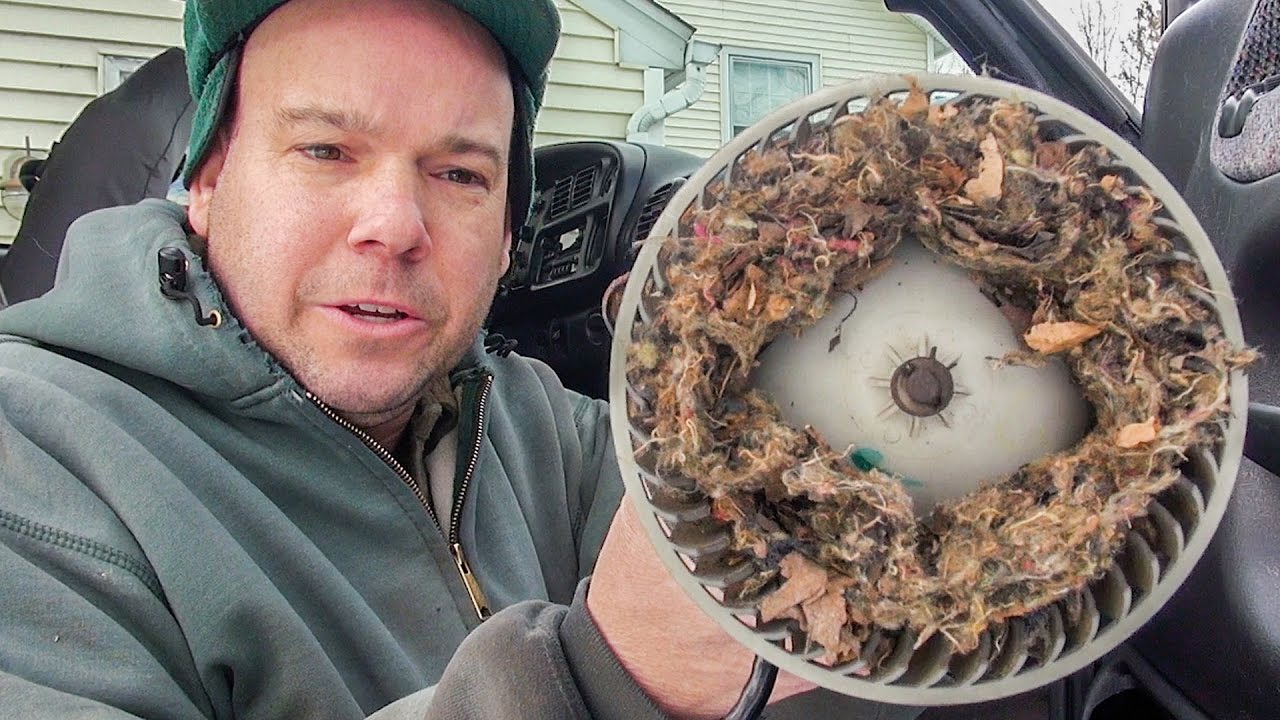
- Debris in the blower fan
- Failing compressor clutch
- Worn AC belt or pulley
- Low refrigerant or pressure issues
- Damaged condenser or fan blades
- Electrical relay or motor problems
The key is to match the sound to the source. That makes diagnosis much easier and helps you avoid replacing the wrong part.

Common types of car AC noise and what they mean
Different sounds usually point to different faults. If you listen closely, the noise can act like a clue in a puzzle.
49% off Today's Exclusive Deals
Limited-time Exclusive Deals. Check current discount on Amazon.
Check Price on Amazon As an Amazon Associate I earn from qualifying purchases.Grinding noise
A grinding sound often means a bearing, pulley, or motor is wearing out. In many cases, I’ve found this noise comes from the blower motor or the AC compressor pulley.
If the noise gets louder when the AC turns on, the compressor or clutch may be the issue. If it happens even when the AC is off, the problem may be in the belt drive or fan motor.
Clicking noise
A clicking sound can come from a bad relay, a weak actuator, or debris hitting the fan. Light clicking right after startup may also happen when blend door parts move, but repeated clicking is not normal.
If the clicking is fast and constant, it may point to an electrical issue. If it sounds like plastic tapping, check the blower area for leaves or broken trim pieces.
Whining noise
A high-pitched whine often means the compressor is under strain or the refrigerant level is off. I’ve seen this a lot when the system is low on refrigerant and the compressor is working harder than it should.
A whine can also come from a slipping belt. If the sound rises with engine speed, that is a strong clue.
Rattling noise
Rattling usually means something is loose. It may be a bracket, a vent piece, a filter, or debris inside the HVAC housing.
This is one of the easier problems to fix if you catch it early. But if the rattle is inside the dash and changes with fan speed, the blower motor may be failing.
Hissing noise
A soft hiss can sometimes be normal when refrigerant moves through the system. But a strong or steady hiss may mean a leak, especially near a hose, valve, or evaporator.
If you hear hissing and the AC is blowing warm air too, get it checked quickly. Refrigerant leaks are not something to shrug off.
Squealing noise
Squealing often points to a belt that is loose, glazed, or worn. In some cars, a weak tensioner can create the same sound.
This is one of those noises that may start small and get worse fast. I always tell people not to wait on a squeal, because belts tend to fail when you need the car most.
Main causes of a car AC making noise
A car AC making noise can come from several parts of the system. The trick is knowing where the noise starts and when it appears.
1. Blower motor problems
The blower motor pushes air through the vents. If it has worn bearings or debris inside, it can make grinding, squealing, or rattling sounds.
A damaged blower wheel can also vibrate. In my experience, this is one of the most common causes when the noise comes from behind the glove box.
2. Debris in the system
Leaves, dust, twigs, and even small bits of foam can get into the HVAC housing. Once inside, they can strike the fan and cause a ticking or rattling sound.
This is especially common after parking under trees or driving in heavy dust. A clogged cabin air filter can make the problem worse by restricting airflow.
3. AC compressor trouble
The compressor is the heart of the AC system. When it starts to fail, it may squeal, grind, or clunk when the AC engages.
A bad compressor clutch or internal wear can make the sound louder under load. If the AC makes noise and cooling drops at the same time, the compressor should be checked soon.
4. Worn serpentine belt or tensioner
Many cars use one belt to drive several accessories, including the AC compressor. If that belt is worn or the tensioner is weak, you may hear squealing or chirping.
This is a common repair because belts age naturally. Heat, oil, and mileage all shorten their life.
5. Low refrigerant or pressure imbalance
Low refrigerant can cause strange noises because the compressor is no longer getting the right pressure balance. That can lead to whine, cycling, or short bursts of noise.
Industry guidance from automotive air conditioning practices notes that pressure problems can damage compressor life if ignored. That is why refrigerant issues should be diagnosed before parts are replaced.
6. Faulty condenser fan or cooling fan
If the condenser fan is damaged or out of balance, it can create vibration and noise near the front of the car. You may hear it more when the AC is on at idle or in traffic.
A fan motor going bad may also buzz or grind. This can affect cooling and engine temperature at the same time.
7. Loose mounts or brackets
Sometimes the problem is not the AC part itself. A loose compressor bracket, line clamp, or shield can vibrate and make a sound that seems like AC trouble.
I’ve seen people replace expensive parts when the real fix was simply tightening a bracket. That is why a careful inspection matters.

How to diagnose a car AC making noise at home
You do not need a full shop to gather useful clues. A few simple checks can point you in the right direction.
Step 1: Notice when the noise happens
Ask yourself:
- Does it happen only when the AC is on?
- Does it change with fan speed?
- Does it get louder while idling?
- Does it rise with engine speed?
- Does it stop when you switch to heat or recirculation?
These details can narrow the cause fast.
Step 2: Check the cabin air filter
A dirty cabin filter can strain the blower and reduce airflow. It can also let debris move deeper into the system.
If it looks clogged, replace it. This is one of the easiest and cheapest maintenance steps.
Step 3: Listen near the glove box and hood
The blower motor is often behind the dashboard. The compressor, belt, and condenser fan are usually under the hood.
Try to tell whether the sound is inside the cabin or outside the car. That one detail can save a lot of guesswork.
Step 4: Inspect the belt and visible pulleys
With the engine off, look for cracks, fraying, glazing, or slack in the belt. If you see wobbling pulleys or oily residue, that is a warning sign.
Do not put your hands near moving parts when the engine is running. Safety comes first.
Step 5: Watch for cooling changes
If the AC noise comes with weak cooling, frosty lines, or warm air, the issue may involve refrigerant pressure or compressor performance.
A noisy system that still cools well may be a blower or fan issue. A noisy system that cools poorly is more likely to need professional diagnosis.
What you can fix yourself and what needs a mechanic
Some issues are simple. Others can turn costly fast if you guess wrong.
DIY-friendly fixes
You can often handle:
- Replacing a dirty cabin air filter
- Removing visible debris near vents or cowl areas
- Checking for loose trim or panels
- Inspecting the belt for obvious wear
- Tightening accessible fasteners, if you know the proper torque
I always recommend starting with the basics. Many people skip the simple stuff and jump straight to major repairs.
Problems better left to a pro
Let a certified technician handle:
- Compressor replacement
- Refrigerant recovery and recharge
- Leak detection
- Electrical diagnostics
- Blower motor replacement if it requires dash removal
- Pulley or clutch issues on tight engine bays
A professional can test pressures, check electrical loads, and confirm whether the system is safe to run. That matters because the wrong refrigerant service can harm the system or violate environmental rules.
How much does it cost to fix a noisy car AC?
Repair costs vary a lot based on the cause. A dirty filter is cheap, while a bad compressor can be expensive.
Typical ranges often look like this:
- Cabin air filter replacement: low cost
- Belt replacement: low to moderate cost
- Blower motor repair: moderate cost
- AC fan replacement: moderate cost
- Compressor replacement: higher cost
- Leak repair and recharge: varies widely
Labor can be the biggest factor. If the repair requires removing dash parts or opening the refrigerant system, the price goes up fast.
A good rule: never approve expensive work until the cause is confirmed. I have seen too many people pay for parts that were not the real problem.

How to prevent car AC noise in the future
A little care goes a long way. The AC system tends to last longer when you stay ahead of wear and dirt.
Keep up with regular maintenance
- Replace the cabin air filter on schedule
- Inspect the belt during oil changes
- Run the AC periodically, even in cooler months
- Keep the condenser area clear of leaves and bugs
- Fix small leaks before they grow
Running the AC now and then helps keep seals lubricated. That small habit can reduce drying and sticking in the system.
Avoid forcing the system
Do not keep blasting the AC if the noise suddenly changes or gets much louder. That can turn a small problem into a broken compressor or fan.
If the sound is new, give the system a break and inspect it. Think of it like a cough from your car: it is trying to tell you something.
Use the right service practices
If the system needs refrigerant work, use proper tools and correct specs. Automotive AC systems are sensitive, and poor service can create noise, poor cooling, and damage.
Trusted repair practices and vehicle service manuals stress correct refrigerant charge, clean components, and proper belt tension. Those details matter more than most people realize.

When a car AC making noise is an emergency
Some noises are annoying. Others need fast attention.
Get the car checked soon if you notice:
- Loud grinding or metal-on-metal sounds
- Burning smell with AC noise
- Cooling suddenly drops off
- Belt squeal becomes constant
- Compressor clutch is rapidly clicking on and off
- Noise starts after a repair or recharge
If you hear a strong mechanical grind, shut the system off and avoid driving far until it is inspected. That can prevent a small failure from spreading to other parts.
Frequently Asked Questions of car AC making noise
Why is my car AC making noise when I turn it on?
A car AC making noise when you turn it on often points to the compressor clutch, belt, or blower motor. It can also mean the system is low on refrigerant or a fan is hitting debris.
Is a noisy car AC dangerous?
Not always, but it can become a bigger problem if you ignore it. A small squeal or rattle can turn into a failed compressor, blown belt, or weak cooling.
Can low refrigerant cause a car AC making noise?
Yes, low refrigerant can make a car AC making noise, especially a whine or clicking sound. It also makes the compressor work harder, which can shorten its life.
Why does my AC sound louder at certain fan speeds?
That usually means the blower motor or fan wheel is involved. If the sound rises and falls with fan speed, the issue is often inside the cabin HVAC system.
Can I keep driving if my car AC is making noise?
You can sometimes drive a short time if the noise is mild and cooling still works, but it is not a good idea to wait too long. If the sound is grinding, squealing loudly, or paired with poor cooling, get it checked quickly.
Conclusion
A car AC making noise is usually a warning, not just a nuisance. The sound may come from the blower motor, belt, compressor, fan, or even something as simple as debris or a clogged filter.
The best approach is simple: listen carefully, check the easy stuff first, and do not ignore new sounds. If the car AC making noise is getting worse or cooling is dropping off, have a trusted technician inspect it before the damage spreads.
Take a few minutes today to listen, look, and act early. If this guide helped, save it for later, share it with a friend, or leave a comment with the noise you are hearing.