BMW 3 Series transmission slipping is a worrying symptom. You press the gas, the engine revs, but the car doesn't accelerate smoothly. It feels like a momentary loss of connection.
This issue is particularly common with the ZF 8HP 8-speed automatic transmission. Manufacturer specifications indicate it holds about 9 liters of Lifeguard Fluid 8. Let's start by understanding exactly what you're experiencing.

49% off Today's Exclusive Deals
Limited-time Exclusive Deals. Check current discount on Amazon.
Check Price on Amazon As an Amazon Associate I earn from qualifying purchases.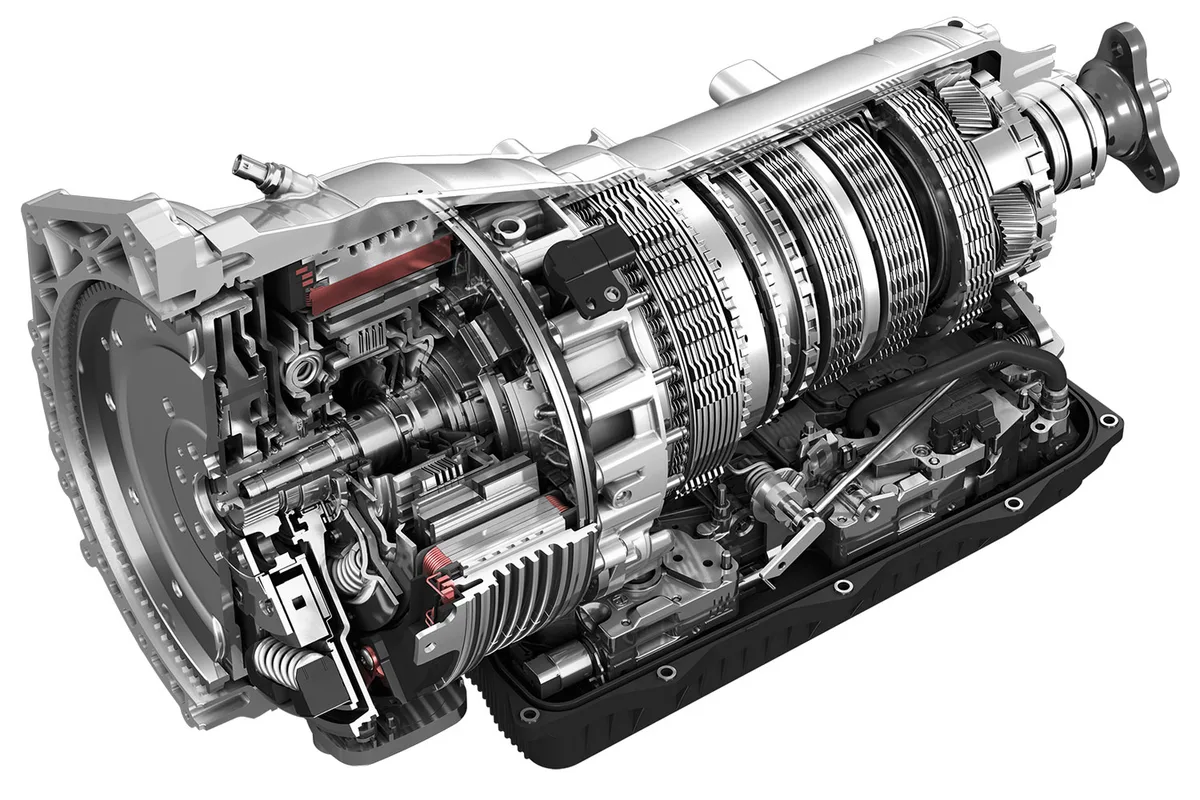
Image source: Bing (Web (fair-use with source credit))
What Transmission Slipping Feels Like in Your BMW 3 Series
Transmission slipping isn't always dramatic. It often starts subtly. You might notice a slight delay when accelerating from a stop.
49% off Today's Exclusive Deals
Limited-time Exclusive Deals. Check current discount on Amazon.
Check Price on Amazon As an Amazon Associate I earn from qualifying purchases.The engine RPMs flare before the gear engages, like the car is momentarily undecided.
It can feel like a brief hesitation or a soft, rubbery connection between the engine and wheels. In more advanced cases, you see the transmission warning light. The car could enter limp mode, locking into a single gear for safety.
Our research shows this symptom often appears between 60,000 and 100,000 miles on affected models.
Quick Answer
BMW 3 Series transmission slipping is often caused by a worn mechatronic sleeve adapter. This small component causes internal pressure loss in the ZF 8-speed transmission. Early diagnosis via a scan and fluid check can prevent total failure.
49% off Today's Exclusive Deals
Limited-time Exclusive Deals. Check current discount on Amazon.
Check Price on Amazon As an Amazon Associate I earn from qualifying purchases.A software update or sleeve replacement are common fixes, ranging from $200 to $4,000. Do not ignore the symptom.
The First Diagnostic Step: Gather Your Car's Story
Before any repair, you need a clear picture. Your first job is to collect specific details about the problem. This information is critical for a technician.
It helps them skip generic diagnosis and target the likely cause.

Image source: Bing (Web (fair-use with source credit))
Grab an OBD-II scanner. This tool reads fault codes from your car's computer. Common codes for slipping include P0730 (Incorrect Gear Ratio) and P2757.
Write down every code that appears. Note whether the check engine light is steady or flashing.
Next, check your transmission fluid. Park on level ground, start the engine, and shift through all gears before returning to park. Pull the transmission dipstick.
The fluid should be reddish-pink and smell faintly of oil. If it's dark brown, smells burnt, or has metal particles, that's a major clue.
Finally, document the driving conditions. When does the slip happen? Is it cold in the morning?
Only when the engine is hot? At a specific speed? The more details you have, the faster you'll reach the right solution.
For a deeper look at dashboard warnings, our guide on the Hyundai Tucson Check Engine Light covers diagnostic priorities that apply across vehicles.
The Decision Tree: Tracing the Slip to Its Source
With your car's story in hand, you can follow a diagnostic path. This flow helps you and your mechanic narrow down the problem efficiently.
Decision Point 1: What Do the Fault Codes Say?
If you have a P0730 or similar gear ratio code, the issue is likely mechanical or hydraulic. Follow Branch 1.
If you have no codes but the car feels wrong, the problem might be electrical or software-related. Jump to Branch 2.
Branch 1: Mechanical and Hydraulic Path
This branch assumes a pressure loss inside the transmission. The most frequent culprit is the mechatronic sleeve.
- Confirm Fluid Level and Condition: Low or burnt fluid is the first thing to rule out. A simple fluid analysis reveals a lot.
- Perform a Pressure Test: A specialist measures line pressures. Low pressure in specific circuits points directly to internal leaks, often from the sleeve seals.
- The Mechatronic Sleeve Diagnosis: If pressures are low and your BMW is a 2012 to 2018 model with a ZF 8HP, this is the prime suspect. The adapter sleeve develops wear, causing fluid to bypass and create erratic shifting.
Branch 2: Electrical and Software Path
This path involves the transmission's brain, the TCU.
- Check for Software Updates: BMW periodically releases transmission calibrations. An outdated version causes shift quality issues. A dealer or specialist with BMW ISTA software can check.
- Scan for Electrical Faults: Look for codes related to sensors or solenoids in the mechatronic unit. A wiring issue or failing solenoid mimics slipping.
- Test Adaptive Values: The transmission learns your driving style. Excessively high adaptation values indicate it's compensating for wear that a software reset cannot fix.
Common Culprits and Their Typical Fixes
Once you're on a diagnostic branch, you can identify the likely fix. Here are the most common issues, moving from simplest to most complex.
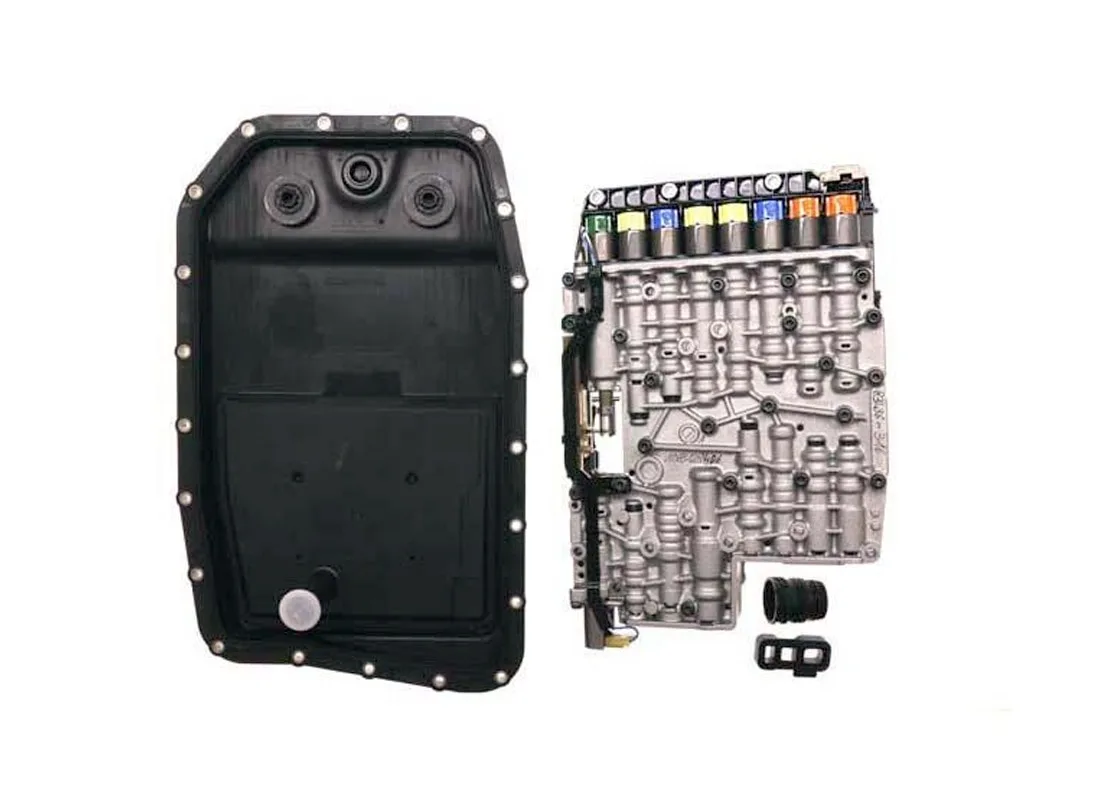
Image source: Bing (Web (fair-use with source credit))
- Low or Degraded Transmission Fluid: A full fluid and filter change using ZF Lifeguard Fluid 8 can restore proper hydraulic pressure. This resolves symptoms in many early-stage cases.
- Outdated Transmission Software: A software update recalibrates shift points and pressures. It's a quick, non-invasive fix that resolves many early symptoms.
- Worn Mechatronic Sleeve: The most common repair for ZF 8HP units in the affected year range. The sleeve is a small aluminum adapter that develops wear at its seals. Replacing it requires removing the transmission pan and mechatronic unit.
- Failing Solenoids or Mechatronics Unit: If electrical tests point to specific solenoids, they can sometimes be replaced. If multiple components are faulty, replacing the entire assembly is often the only reliable solution.
- Torque Converter Failure: Less common, but a failing converter clutch causes slip-like symptoms, often with shuddering at steady speeds. This requires major disassembly.
What This Repair Actually Costs (And Why the Price Varies So Much)
Cost depends entirely on the root cause and where you get it fixed. Dealership rates are significantly higher than independent specialists. Here's a realistic breakdown as of 2026:
| Fix | Parts Cost | Labor | Total Range |
|---|---|---|---|
| Fluid and Filter Service | $200 to $400 | $200 to $400 | $400 to $800 |
| Software Update | $0 (if under warranty) | $100 to $250 | $100 to $250 |
| Mechatronic Sleeve Replacement | $250 to $500 | $1,200 to $2,000 | $1,450 to $2,500 |
| Full Mechatronics Unit | $2,000 to $3,500 | $1,500 to $2,500 | $3,500 to $6,000 |
| Transmission Rebuild | $3,000 to $5,000+ | $1,500 to $2,500 | $4,500 to $7,500+ |
A dealer almost always recommends a full mechatronics unit or transmission replacement for a sleeve issue. An independent ZF specialist will often recommend the targeted sleeve repair first. Per ZF aftermarket service documentation, the sleeve fix has a high success rate when diagnosed correctly.
Mistakes to Avoid When Diagnosing Transmission Slip
The biggest mistake is ignoring the symptom. Transmission problems don't fix themselves. A small slip today becomes a $5,000 rebuild tomorrow.
Assuming a Software Update Will Solve Everything
A software update is cheap and easy. It's tempting to try first. But if your ZF 8HP has a worn mechatronic sleeve, no software patch fixes a mechanical pressure leak.
You waste $250 and still have the problem.
Using the Wrong Transmission Fluid
ZF Lifeguard Fluid 8 is the required specification for the 8HP. Generic ATF or a competing brand breaks down faster under operating temperature. It may also lack the correct friction modifiers.
This leads to harsh shifts and accelerated valve body wear.
Skipping the Fluid Check
Many owners jump straight to assuming the worst. They picture a full rebuild before checking something as simple as fluid level and condition. Dark, burnt-smelling fluid with visible metal particles tells a very different story than clean, reddish-pink fluid.
Always start with the basics.
Trusting a Generic OBD-II Code Reader Alone
A basic scanner pulls engine codes. It won't read transmission-specific faults on most BMW models. You need a scanner capable of accessing the transmission control module.
Tools like BMW ISTA, iCarsoft, or Autel units with full system access give you the real data. For context on warning patterns across vehicles, our piece on the Hyundai Tucson Gear Shift Problem covers common dashboard signs.
Letting a Dealership Replace the Entire Transmission Without a Second Opinion
Dealership service departments often default to the most expensive repair path. Aggregate reports from BMW owner forums show that independent ZF specialists frequently diagnose a mechatronic sleeve issue where the dealer quoted a full replacement. Always get a second opinion from a shop that specializes in ZF transmissions.
When It's Time to Call a BMW Specialist
Some symptoms you can research and monitor. Others demand professional attention immediately. Knowing the line between keep an eye on it and stop driving now protects you from catastrophic failure.
Stop Driving and Call a Specialist If:
- The transmission warning light is on and flashing, not just steady.
- The car enters limp mode, locking into a single gear.
- You hear grinding, clunking, or banging noises during shifts.
- The transmission temperature warning appears on your dashboard.
- RPMs flare above 500 over normal shift points during gear changes.
Schedule a Diagnostic Appointment Soon If:
- The slip happens only occasionally, like first thing in the morning.
- You notice a slight hesitation between gears that wasn't there before.
- The check engine light is on but the car drives mostly normally.
- You've recently had a fluid service and symptoms appeared shortly after.
What to Ask Your Specialist
Not all mechanics understand ZF transmissions. Ask directly whether they have experience with ZF 8HP mechatronic sleeve repairs. A qualified shop answers confidently.
They should own the right diagnostic tools and have a track record with this specific issue. If they recommend a full replacement without testing, find someone else.
For broader guidance on evaluating shops, our article on Hyundai Tucson Transmission Problem covers what questions to ask any mechanic.
FAQs: Quick Answers to Your Top Questions
How many miles can I drive with a slipping transmission?
You shouldn't drive any further than necessary to reach a repair shop. Continued slipping accelerates internal damage. The heat generated by slipping breaks down fluid and wears clutch packs faster.
Aggregate reports from BMW specialists suggest driving more than 100 to 200 miles while actively slipping can turn a $1,500 sleeve repair into a $5,000-plus rebuild.
Can a transmission fluid change fix slipping?
It depends on the cause. If the fluid is low or severely degraded, a full service using ZF Lifeguard Fluid 8 can restore hydraulic pressure. This resolves symptoms in many early-stage cases.
However, if the mechatronic sleeve is worn, fresh fluid won't stop the internal leak. It may temporarily improve shift quality, but the underlying mechanical issue persists.
Is transmission slipping covered under BMW warranty?
BMW's standard powertrain warranty covers transmission defects for 4 years or 50,000 miles. Extended warranties may cover it longer. Check your specific warranty documents.
Per BMW's official warranty terms, modifications or use of non-approved fluids can void coverage. Independent specialist repair costs significantly less than dealership service when out of warranty.
Should I buy a used transmission or rebuild mine?
Neither should be your first thought. In our research, the majority of slipping cases on ZF 8HP units resolve with a mechatronic sleeve replacement or a software update. A used transmission carries unknown wear history.
A full rebuild is expensive and often unnecessary. Start with a proper diagnosis before committing to major hardware.
What is the mechatronic sleeve on a BMW ZF transmission?
The mechatronic sleeve is a small aluminum adapter that connects hydraulic passages inside the valve body. Over time, its seals wear out, creating internal cross-leaks. This loss of hydraulic pressure causes erratic shifting, delayed engagement, and gear ratio errors.
It's the most common cause of slipping on 2012 to 2018 BMW 3 Series models with the ZF 8HP transmission.
How long does a mechatronic sleeve replacement take?
An experienced ZF specialist typically completes the job in 8 to 12 hours. This includes draining the fluid, removing the pan and mechatronic unit, replacing the sleeve and seals, reinstalling everything, and refilling with the correct fluid. The shop also performs a transmission adaptation reset using BMW ISTA software before returning the car.