Your Subaru Outback is making a brake noise, and you're not sure if it's normal or dangerous. That's a stressful spot to be in. The good news is that most brake noises are harmless, and the ones that aren't are straightforward to identify once you know what to listen for.
Manufacturer specifications indicate that brake pad wear indicators are designed to make contact with the rotor when friction material drops to roughly 2 to 3 millimeters. That's your earliest warning system. Below that, you risk metal-on-metal contact, rotor damage, and a much pricier repair.

49% off Today's Exclusive Deals
Limited-time Exclusive Deals. Check current discount on Amazon.
Check Price on Amazon As an Amazon Associate I earn from qualifying purchases.Let's walk through the noise types and what each one means.
Start Here: What Kind of Noise Is Your Outback Making?
Before you do anything else, listen carefully. The type of noise you hear is the biggest clue to what's wrong. Your brake system makes a few different sounds, and each one tells a different story.
- Squeal or squeak: High-pitched, often happens when cold or slightly damp
- Grind or growl: Deep, rough sound, like metal scraping metal
- Click or thump: Happens once per wheel revolution, often when stopping
- Vibration or rumble: Felt through the pedal or steering wheel, not just heard
Here's a quick reference you can bookmark:
49% off Today's Exclusive Deals
Limited-time Exclusive Deals. Check current discount on Amazon.
Check Price on Amazon As an Amazon Associate I earn from qualifying purchases.| Noise Type | When It Happens | Likely Cause | Urgency |
|---|---|---|---|
| Squeal, cold start | First few stops in the morning | Surface rust on rotors | Low |
| Squeal, consistent | Every stop, all day | Worn pads, wear indicators | Medium |
| Grind | Every stop, loud | Metal-on-metal, pads gone | High, stop driving |
| Click | Once per wheel turn | Debris, loose hardware | Medium |
| Vibration | Pedal pulses under braking | Uneven rotors | Medium |
If you hear grinding, stop driving. That's not an exaggeration. A grinding noise means your brake pads are completely gone. The metal backing plate is grinding against your rotor.
Every mile carves grooves into the rotor face. What could've been a pad replacement becomes a pad and rotor job. We cover this in more detail in our piece on brake grinding causes and fixes.
Quick Answer
Subaru Outback brake noise is usually diagnosed by noise type and timing. A morning squeal from rotor surface rust is common and harmless. A persistent squeak indicates worn pads hitting their wear indicators.
A deep grind means metal-on-metal contact requiring immediate attention. Clicking noises might signal debris or an emerging wheel bearing issue. Most noise complaints resolve with simple rotor cleaning or pad replacement.
49% off Today's Exclusive Deals
Limited-time Exclusive Deals. Check current discount on Amazon.
Check Price on Amazon As an Amazon Associate I earn from qualifying purchases.The decision tree below walks you through each symptom step by step so you can match your noise to the right fix.
The Brake Noise Decision Tree: From Squeal to Grind
Grinding or Metal-on-Metal
If you hear a deep, rough grinding sound when you press the brake pedal, your brake pads are completely worn out. The friction material is gone, and the metal backing plate is grinding against your rotor. This is the most urgent condition in this guide.
Stop driving immediately and arrange for new pads.
Aggregate reviews report that this noise often appears without much build-up. Many owners describe hearing a light squeal for a few weeks, then suddenly a loud grind. That's the wear indicator doing its job, followed by the backing plate doing damage.
You'll very likely need new rotors as well at that point.
Squealing When Cold or Wet
This is the most common Subaru Outback brake noise, and it's almost always harmless. When you park overnight, especially in humid weather, a thin layer of rust forms on the rotor surface. The first few brake applications scrub that rust off.
It creates a brief squeal that disappears after a few stops.
This is normal behavior. The same thing happens after a car wash or heavy rain. If the squeal disappears after two or three stops, you don't need a repair.
Have a mechanic inspect the system at your next service, but this alone is not a reason to spend money.
Clicking, Thumping, or Vibration
Clicking noises are trickier. A rhythmical click that speeds up as you accelerate is likely not your brakes at all. It could be a pebble stuck between the rotor and the dust shield.
Reversing and braking firmly a few times often clears it. If that fails, a mechanic can remove the wheel and clean it out in minutes.
Thumping or vibration under the brake pedal points to rotor thickness variation, often called warped rotors. The rotor surface wears unevenly, creating high and low spots. The pedal pulses under your foot at the same speed as the wheel.
If this is happening in your Outback, the rotors likely need resurfacing or replacement.
If the clicking persists without brake pedal pulsation, check the wheel bearings. A failing front wheel bearing makes a growing hum or clicking noise that changes with speed. Drive at a steady speed and gently swerve left and right.
If the noise changes with the turn, it's likely a bearing. We cover this distinction in our guide on unusual transmission and drivetrain noise.
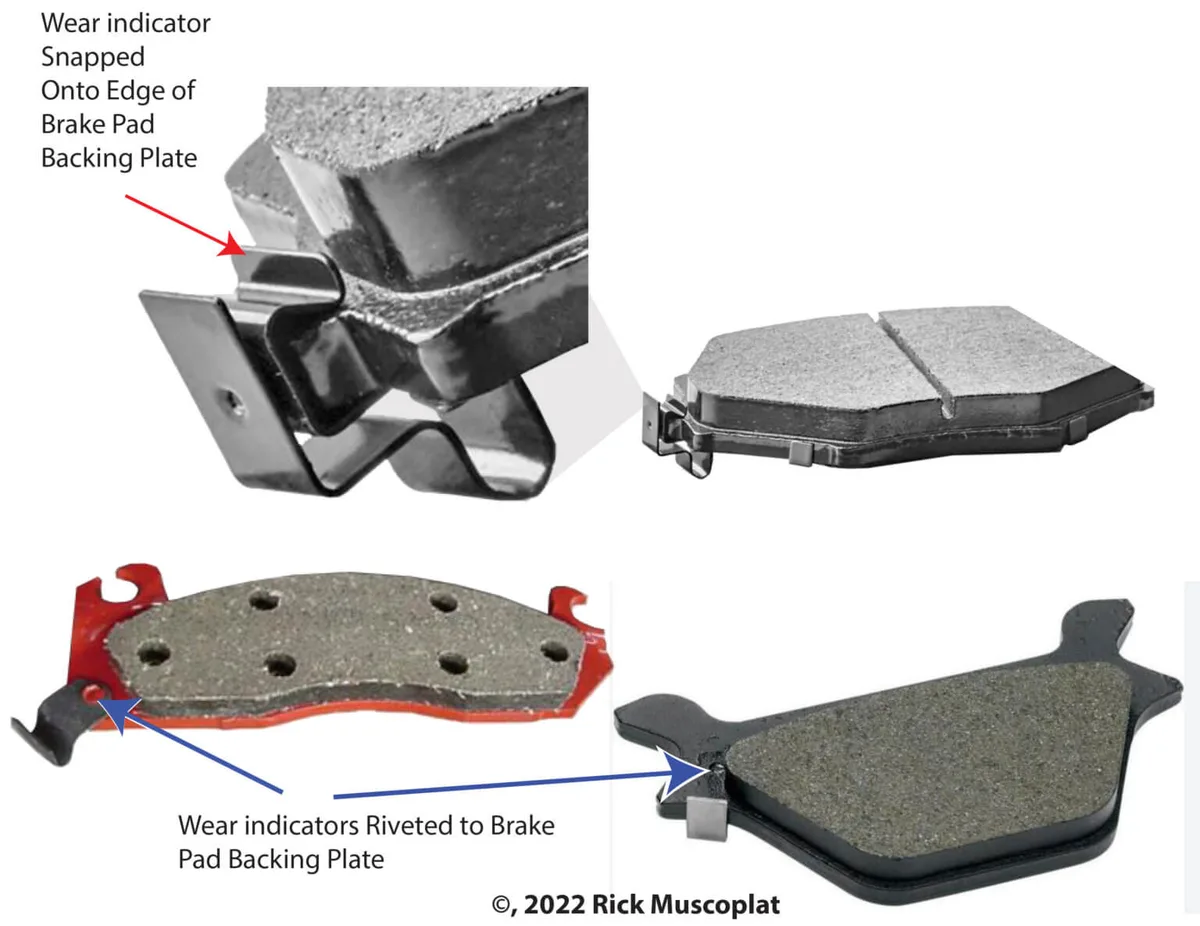
Image source: Bing (Web (fair-use with source credit))
What's Actually Going On: The Most Common Outback Brake Culprits
Rotor Rust and Corrosion
Rotor rust is the single biggest cause of annoying brake noise in Subaru Outbacks. The rotors are exposed cast iron, which rusts on the surface whenever moisture is present. After a rainy commute or a humid night, you'll have a faint rust film on the rotor face.
The first few brake presses scrub it off, creating a squeal that fades quickly.
This isn't a defect. It's physics. Every vehicle with cast iron rotors does it.
If the noise vanishes within a few minutes of driving, move on with your day. If it never goes away, you're looking at worn pads instead.
Worn Pads and Wear Indicators
Brake pads have small metal tabs attached to them. When the friction material wears down to the minimum safe thickness, those tabs contact the rotor. They produce a high-pitched squeal whenever you apply the brakes.
That's the built-in warning system telling you the pads are near the end of their service life.
Most mechanics suggest replacing pads when friction material drops below 3 millimeters. At that point, you might have a few hundred miles before the wear indicators start grinding. If you do nothing, the squeal turns into a full grind, and your rotors get damaged.
That's the difference between a $200 job and a $600 job.
Glazed Pads and Broken-In Hardware
Glazing happens when brake pads get too hot, usually from repeated hard braking or skipping the proper break-in procedure. The pad surface becomes hard and shiny, reducing friction and causing squealing. Replacement is the more reliable fix compared to scuffing with sandpaper.
New pads also squeal for a while during the break-in period. The friction material needs time to transfer evenly onto the rotor surface. This process is called bedding in.
You might have a few hundred miles of squeal before everything settles. If you've recently done a brake job, give it time before assuming something's wrong.
Seized Caliper Slide Pins
Caliper slide pins allow the caliper to move as the pads wear. If those pins seize, one pad wears faster than the other. You'll hear a metallic scraping noise even when you're not braking because the pad never fully releases from the rotor.
The Outback service manual calls for periodic caliper pin cleaning and lubrication. Many owners skip this during routine maintenance. It's a cheap check that prevents an expensive caliper replacement.
You can read more about brake failure symptoms and prevention to understand how this progresses.
How to Inspect Your Brakes at Home (No Mechanic Needed)
You don't need a lift or fancy equipment for a basic brake inspection. You need a jack, jack stands, a lug wrench, and a flashlight. The whole check takes about thirty minutes.
Check Pad Thickness Through the Caliper
The caliper has an opening on the side where you can see the outer pad. Shine a flashlight through that gap and look at the friction material. A new pad has roughly 10 to 12 millimeters of material.
At 3 millimeters, it's time to order replacements. Below 2 millimeters means you're on borrowed time.
For the inner pad, look between the caliper and the rotor. You might have a harder angle on this one. Feel it with your finger if visibility is poor.
You're checking for friction material thickness, not cleanliness.
Inspect Rotor Surface and Rust Ridge
After removing the wheel, look at the rotor face. A healthy rotor has a smooth, bright surface with fine circular lines from pad contact. Deep grooves, scoring, or a thick rust lip on the outer edge all indicate a problem.
That rust ridge at the outer edge can also cause a click or squeal if the pad catches on it.
Check the minimum thickness stamped on the rotor hat. It's usually something like 8.4 millimeters. You'll need a micrometer to measure accurately, but any shop can do this in seconds.
If your rotors are below spec, resurfacing isn't an option.
Test Caliper Slide Pin Movement
Caliper slide pins sit on the top and bottom of the caliper bracket. They let the caliper float as the pads wear. If one seizes, the caliper clamps unevenly and you get one-sided pad wear.
To test them, unbolt the caliper from the bracket. The pins should move freely without excessive resistance. If they don't, remove them, clean off the old grease, and lubricate with high-temperature brake grease.
This is a 10-minute job that prevents a much bigger problem later.

Image source: Web (Bing) / autoevolution.com (Web image (fair-use with source credit))
Handling the Electronic Parking Brake on 2020+ Models
Newer Outbacks from 2020 onward have an electronic parking brake instead of the old handbrake lever. The rear calipers use a motor to engage the parking brake. If you try to push the rear caliper pistons back without putting the system in service mode, you risk damaging the motor or the caliper itself.
The service procedure is straightforward if you know it. You activate maintenance mode through the vehicle's settings menu, and the parking brake releases the rear calipers. The physical steps are the same as any brake job after that.
If you're doing rear brakes on a 2020+ Outback, this step is non-negotiable. A shop with the right diagnostic tool handles it safely. It also explains why brake pedal feel issues sometimes surface after DIY rear brake jobs.
Brake Noise Mistakes That Cost You Time and Money
The most expensive brake noise isn't the squeal itself. It's the mistake you make while fixing it.
Skipping Shims or Anti-Noise Compound
Many aftermarket brake pads come with shims or require anti-squeal compound on the backing plate. Skip that step, and your brand new pads will squeal just like the old ones. That's not a pad defect.
It's an installation error.
The shims dampen vibration between the pad and the caliper. Without them, you get a high-frequency squeal under light braking. We cover the full process for chasing a stubborn squeal in another article.
The fix takes twenty minutes.
Replacing Rotors When Resurfacing Would Do
Shops default to new rotors because it's a bigger sale. Sometimes you need them. Often a light resurfacing is enough.
The minimum thickness is stamped on the rotor hat. If you're still above it, resurfacing is a legitimate option.
But don't cling to old parts either. On a high-mileage Outback, resurfacing labor often costs nearly as much as new rotors. In that case, replacement is the smarter call.
Ignoring the Rear Brakes
Outback stability control biases braking toward the rear wheels. That means rear pads wear faster than you'd expect. If you only check the front brakes, a grinding rear pad can go unnoticed.
Check all four corners every time.
Misdiagnosing Wheel Bearing Noise
A failing wheel bearing hums and growls like a brake problem. The difference is simple. Brake noise happens when you press the pedal.
Bearing noise happens at speed, constantly. If the pitch changes when you turn, it's a bearing. Replacing a perfectly good brake setup over that mistake is expensive and frustrating.
Outback Generation-Specific Quirks: 2010-2014, 2015-2019, and 2020+
Each Outback generation has its own brake quirks. Here's what to watch for.
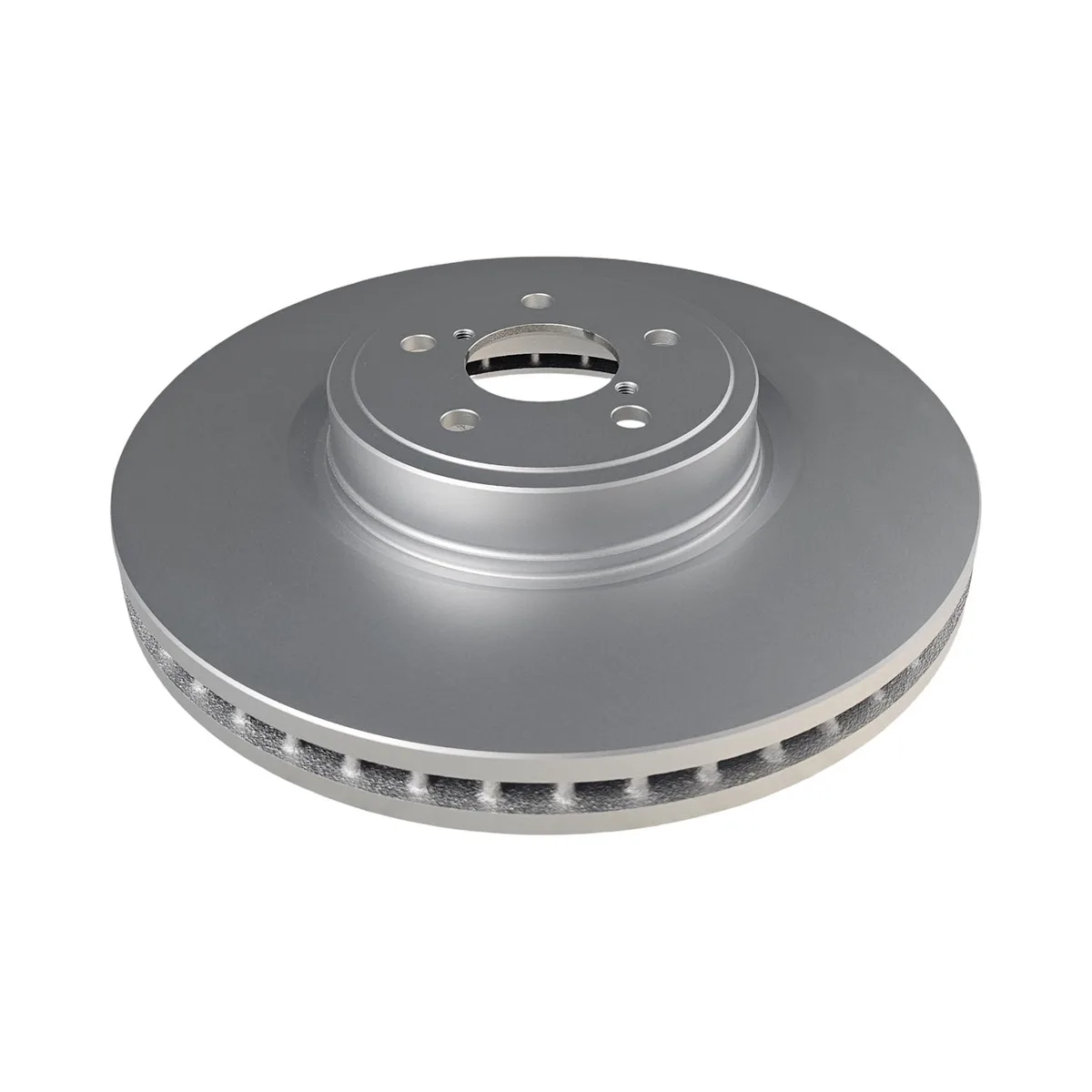
Image source: Bing (Web (fair-use with source credit))
| Generation | Parking Brake | Common Noise Quirk | Likely Fix |
|---|---|---|---|
| 2010-2014 | Drum-in-hat | Rear click after overnight parking | Clean and adjust drum shoes |
| 2015-2019 | Manual rear disc | Sudden grind from seized slide pins | Grease or replace pins |
| 2020+ | Electronic | Rear buzz when park brake engages | Dealer software procedure |
The 2010-2014 models use a small drum brake inside the rear rotor. Moisture and light rust make the shoes stick. That causes a click when you release the parking brake.
A quick cleaning fixes it.
The 2020+ Outback has an electronic parking brake that sometimes buzzes when engaging. Subaru has a service procedure for it. It's rarely a safety issue, but it's worth getting addressed.
If you have a 2015-2019 Outback in a salt-belt state, pay special attention to the caliper slide pins. Corrosion makes one pad wear faster than the other. The grind appears suddenly, often while the other pad still looks fine.
DIY or Shop? A Realistic Look at Repairs and Costs
A basic pad swap is one of the easiest jobs on an Outback. A seized caliper or electronic parking brake issue is not.
| Repair | DIY Parts Cost | Shop Estimate |
|---|---|---|
| Front pads only | $50 to $120 | $250 to $400 |
| Pads and rotors, one axle | $120 to $250 | $350 to $600 |
| Full brake job, four wheels | $250 to $450 | $700 to $1,200 |
DIY makes sense when you have basic tools, jack stands, and an afternoon. You'll save roughly half the cost. The risk is the electronic parking brake on 2020+ models.
Rear pad service requires the system in maintenance mode, and a shop scan tool does that safely.
Call a shop if you find scored rotors, seized pins, or a persistent warning light. Also call if you're unsure about the process. Brakes are not the place to learn on a whim.
Our brake failure guide lists the warning signs to watch for.
Sourcing your own parts is a good compromise. Many independent shops install customer-supplied pads and rotors for labor only. You keep control of quality and cut the markup.
Frequently Asked Questions
Why do my brakes squeal after new pads?
New pads need a break-in period. Friction material transfers to the rotor over the first few hundred miles. Light squeal during this period is normal.
If it continues past 500 miles, check the shims and anti-noise compound.
Is it safe to drive with squealing brakes?
Usually yes, when the squeal only happens when cold or wet and stops quickly. That's surface rust on the rotors, and it's harmless. Constant squealing means the pads could be at their wear indicators.
Have them checked soon. Per NHTSA data, worn components cause most brake-related complaints.
How often should brake pads be replaced on an Outback?
Most Outback pads last 30,000 to 50,000 miles under normal driving. Stop-and-go commuting, hills, and towing shorten that range. Check pad thickness at every oil change.
At 3 millimeters of friction material, schedule the replacement.
Why does the brake pedal vibrate when I stop?
That's rotor thickness variation, often called warped rotors. The rotor surface wore unevenly, creating high and low spots. Resurfacing fixes it if enough material remains.
Otherwise, replacement is the answer. A shop will measure the rotor to confirm.
Can I just replace one pad or should I do both sides?
Always replace pads in pairs on the same axle. Replacing just one side creates uneven braking force. The caliper will clamp harder on the thinner pad, leading to premature wear and potential pulling to one side during stops.