Car brakes not working can mean low fluid, worn pads, air in lines, or a serious hydraulic failure.
If your car brakes are not working, do not treat it like a small issue. I have seen this problem start with a soft pedal and turn into a full no-stop situation fast. In this guide, I will walk you through the most likely causes, warning signs, safety steps, and what to do next so you can handle car brakes not working with more confidence.

49% off Today's Exclusive Deals
Limited-time Exclusive Deals. Check current discount on Amazon.
Check Price on Amazon As an Amazon Associate I earn from qualifying purchases.
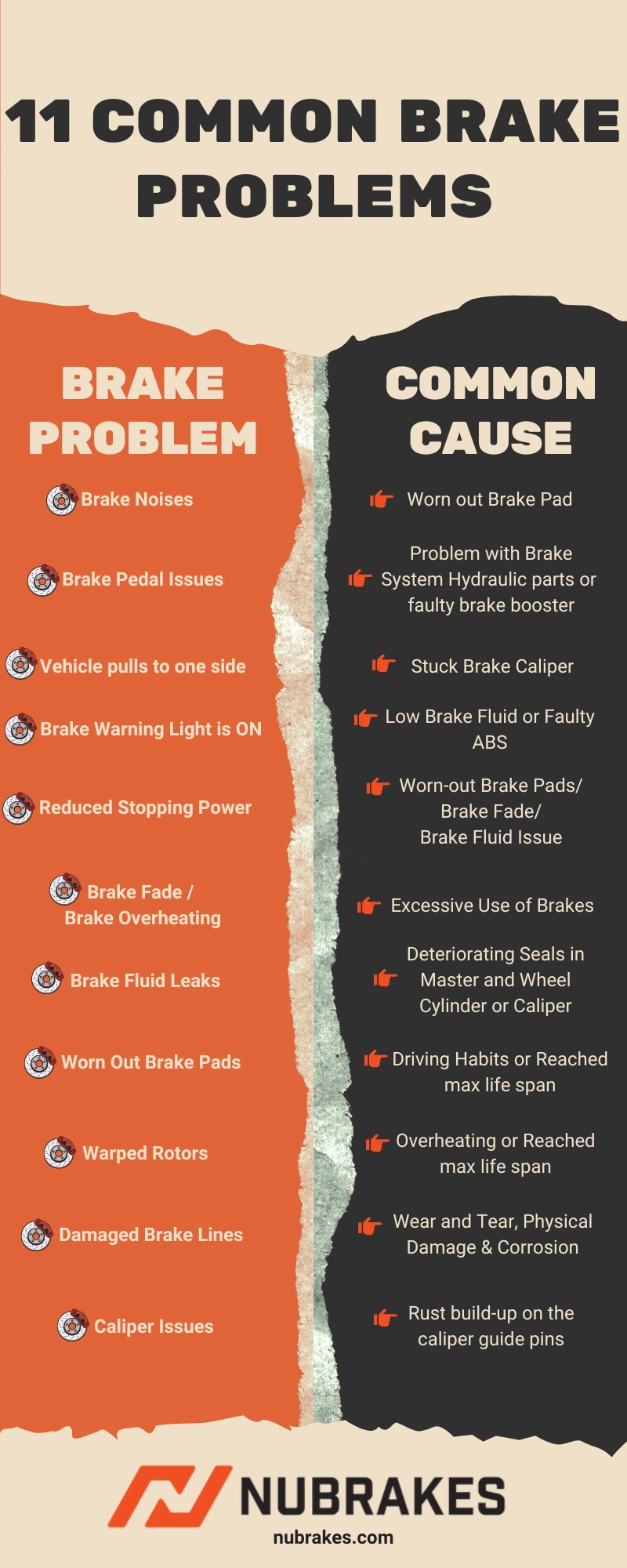
What it means when car brakes are not working
When car brakes are not working, the system is failing to slow or stop the vehicle the way it should. That can mean the brake pedal feels soft, sinks too low, takes too long to respond, or does nothing at all. In severe cases, the car may still move even when you press the pedal hard.
The brake system is a chain, and every link matters. Pads, rotors, fluid, calipers, master cylinder, brake lines, and the ABS all need to work together. If one part fails, braking power can drop fast.
49% off Today's Exclusive Deals
Limited-time Exclusive Deals. Check current discount on Amazon.
Check Price on Amazon As an Amazon Associate I earn from qualifying purchases.Common signs include:
- A soft or spongy brake pedal
- A brake pedal that goes to the floor
- Grinding or squealing noises
- The car pulls to one side
- A brake warning light on the dash
- A burning smell after braking
- Longer stopping distance than usual
From experience, many drivers notice one strange symptom first and ignore it. That is where trouble starts. If your car brakes are not working right, treat it as urgent, even if the car still stops a little.
Why car brakes are not working
There are several reasons car brakes are not working, and some are far more serious than others. The good news is that many brake problems give you warning signs before total failure. The bad news is that some do not give much warning at all.
Low brake fluid
Low brake fluid is one of the most common reasons car brakes are not working well. Brake fluid transfers force from your foot to the brake parts. If the fluid is low, pressure drops and braking gets weak.
49% off Today's Exclusive Deals
Limited-time Exclusive Deals. Check current discount on Amazon.
Check Price on Amazon As an Amazon Associate I earn from qualifying purchases.Fluid can get low because of:
- A leak in a brake line
- Worn brake pads
- A failing master cylinder
- A leaking caliper or wheel cylinder
If the brake fluid level is dropping, do not just top it off and walk away. Find the leak. I have seen people refill the reservoir over and over, only to discover a slow leak that later became a roadside emergency.
Air in the brake lines
Air in the brake lines can make car brakes not working feel soft and weak. Unlike brake fluid, air compresses. That means when you press the pedal, some of your force gets wasted.
Air can enter after:
- A brake repair
- A fluid leak
- A damaged line
- Improper bleeding after service
This problem often creates a spongy pedal. If the pedal feels like stepping on a pillow, air in the system is a strong suspect.
Worn brake pads or shoes
Worn pads are a very common reason car brakes are not working as well as they should. Brake pads create friction that slows the wheels. When they get too thin, stopping power drops and metal parts may start rubbing.
Warning signs include:
- Squealing or screeching
- Grinding sounds
- Longer stopping times
- A brake warning light on some cars
I once inspected a car where the driver thought the brakes “just felt old.” The pads were worn nearly to the backing plate. That small delay in fixing them turned a simple pad replacement into rotor damage too.
Damaged rotors or drums
If rotors or drums are warped, cracked, or badly worn, car brakes not working can feel rough or uneven. You may feel shaking in the steering wheel or brake pedal. In some cases, braking still works, but poorly and with vibration.
- Heat buildup
- Heavy braking
- Worn pads left too long
- Rust and corrosion
Rotors do not usually fail overnight. Most of the time, they give clues first.
Faulty master cylinder
The master cylinder is the heart of the hydraulic brake system. If it fails, car brakes not working can become a major safety problem. It builds the pressure that pushes brake fluid through the lines.
Signs of master cylinder trouble include:
- Pedal slowly sinking to the floor
- Brake fluid that keeps disappearing with no visible leak
- Weak braking on multiple wheels
- Brake pedal that feels different each time
This is one issue you do not want to guess at. A bad master cylinder needs proper testing and repair.
Brake line leaks or damage
If a brake line leaks, car brakes not working can happen very fast. Brake lines carry pressurized fluid from the master cylinder to the wheels. A leak means the system cannot build enough pressure.
Look for:
- Wet spots under the car
- Fluid near the wheels
- Rusted metal lines
- Cracked rubber hoses
Brake fluid is usually clear to amber and feels oily. If you see it, do not keep driving.
ABS problems
ABS, or anti-lock braking system, helps prevent wheel lockup during hard stops. If ABS fails, car brakes not working does not always mean total brake loss, but it can reduce control in emergency stops or slippery conditions.
An ABS warning light may come on if there is:
- A bad wheel speed sensor
- A module failure
- Wiring issues
- Hydraulic unit trouble
ABS is a safety system, not just a comfort feature. It matters more than many drivers realize, especially in rain or snow.
Contaminated brake fluid
Brake fluid absorbs moisture over time. That can lower performance and cause internal corrosion. Dirty or old fluid can make car brakes not working feel inconsistent, especially after heating up.
Brake fluid should be changed based on the vehicle maker’s schedule. Many drivers never think about it, but it plays a bigger role than people expect.

What to do right away if car brakes are not working
If car brakes are not working while you are driving, stay calm. Panic makes the situation worse. Your goal is to slow the car safely and get off the road.
Here are the first steps to take:
-
Ease off the gas right away
Let the car slow naturally if traffic allows. -
Pump the brake pedal
If the system has a temporary pressure issue, pumping may help build some pressure. -
Shift to a lower gear
Use engine braking to reduce speed. -
Turn on hazard lights
Warn other drivers that something is wrong. -
Use the parking brake carefully
Apply it slowly and steadily. Do not yank it, especially at high speed. -
Steer to a safe place
Aim for the shoulder, a side street, or an open area. -
Stop the car and shut it off
Do not keep driving if the brakes feel unsafe.
In my experience, one of the biggest mistakes is trying to “make it home” with bad brakes. That can turn a repair bill into an accident. If your car brakes are not working, get the car towed if needed.
How to diagnose the problem
If car brakes are not working, a basic check can help narrow the cause. You do not need to be a master mechanic to notice important clues. Still, do not open brake lines or attempt complex repairs unless you know what you are doing.
Check these items first:
- Brake fluid level in the reservoir
- Warning lights on the dashboard
- The feel of the brake pedal
- Any fluid under the car
- Strange sounds while braking
- Uneven pulling or vibration
A simple driveway test can reveal a lot:
- Start the car and press the brake pedal
- See if the pedal feels soft, firm, or sinks
- Listen for hissing, grinding, or scraping
- Look at each wheel for leaks or heavy dust buildup
If the pedal goes straight to the floor, that is a strong sign of a major hydraulic issue. If the pedal is firm but the car still does not slow well, worn pads, rotors, or caliper problems may be involved.
Can you drive if car brakes are not working?
The short answer is no, not if braking is seriously affected. Even if the car still moves and stops a little, you are taking a big risk. When car brakes are not working properly, stopping distance can jump dramatically.
The only time to move the car is if you must reach a safer spot and the vehicle still has some braking ability. Even then, go slowly, use hazards, and avoid traffic if possible. If the brake pedal feels unsafe, call for a tow.
I know some people gamble because they are close to home. I have seen that choice end badly. A few extra dollars for towing is always cheaper than a crash or injury.
How to prevent brake failure
Preventing car brakes not working starts with routine care. Brakes are wear items, just like tires. They need checks and service before they reach the danger zone.
Good habits include:
- Inspect brake pads regularly
- Change brake fluid on schedule
- Watch for warning lights
- Fix leaks early
- Replace worn rotors and calipers when needed
- Listen for new sounds
- Have the brakes inspected before long trips
According to standard service guidance used across the auto industry, brake fluid should not be ignored for years at a time. Moisture buildup and corrosion are real problems, especially in older vehicles and humid climates.
A simple rule I tell people is this: if your brakes start acting different, do not wait for them to get worse. Brakes rarely improve on their own.
Common mistakes drivers make
When car brakes are not working, people often make the situation worse without meaning to. A little knowledge helps you avoid those mistakes.
Common mistakes include:
- Driving too long with a brake warning light on
- Ignoring a soft pedal
- Adding fluid without finding the leak
- Using the parking brake too aggressively
- Waiting for grinding sounds before fixing pads
- Assuming ABS problems mean the main brakes are fine
One of the biggest traps is normalizing the problem. Drivers get used to a weak pedal because it happens slowly. But a slow brake failure is still a failure.
When to call a mechanic
Call a mechanic right away if car brakes are not working and you notice any of these signs:
- The pedal sinks to the floor
- Brake fluid is leaking
- The car pulls hard to one side
- The brake warning light stays on
- You hear grinding metal sounds
- The steering wheel shakes under braking
- The vehicle takes much longer to stop
A qualified brake inspection can test fluid pressure, inspect pads and rotors, check lines, and scan ABS codes. That kind of diagnosis saves time and helps prevent guesswork.
Frequently Asked Questions
Why do my car brakes feel soft?
Soft brakes often mean air in the lines, low brake fluid, or a hydraulic leak. The pedal may feel spongy because pressure is not building the way it should. This should be checked quickly because it can get worse fast.
What does it mean when the brake pedal goes to the floor?
A pedal that goes to the floor usually points to a serious loss of hydraulic pressure. That may come from a leak, a bad master cylinder, or severe air in the brake lines. Do not keep driving until the problem is found.
Can low brake fluid cause brakes not to work?
Yes, low brake fluid can make the brakes weak or cause them to fail. Since brake fluid creates the pressure that stops the car, even a small loss can affect performance. If the fluid is low, there is likely a leak or worn part that needs repair.
Do worn brake pads stop the car from braking?
Worn brake pads can reduce braking power and make stopping take longer. If they wear down too far, metal parts may contact the rotor and damage the system. That can turn a simple brake job into a bigger repair.
Is it safe to drive with the ABS light on?
You may still have normal braking, but the anti-lock system may not work during hard stops or slippery conditions. That means less control in emergencies, especially in rain, snow, or ice. It is smart to have the system checked soon.
Conclusion
Car brakes not working is never something to brush off. Whether the issue is low fluid, worn pads, air in the lines, or a failed master cylinder, the key is to act fast and stay safe. The earlier you spot the warning signs, the easier it usually is to fix the problem.
If your brakes feel off, trust that feeling. Slow down, get the car inspected, and do not delay a repair that protects your life and everyone else on the road. If this guide helped, keep learning about car safety and brake maintenance so you can make smarter decisions the next time your car brakes are not working.



15 Comments on “Car Brakes Not Working: What To Do Now”