Noticing a Subaru Outback oil leak is one of those small moments that can ruin your week. Your driveway has a dark patch, the smell hits you at a stoplight, and your mind jumps to worst-case costs. We get it.
Most Outback oil leaks are far less catastrophic than people fear, and the diagnostic process is straightforward.

49% off Today's Exclusive Deals
Limited-time Exclusive Deals. Check current discount on Amazon.
Check Price on Amazon As an Amazon Associate I earn from qualifying purchases.Manufacturer specifications indicate that Outbacks hold roughly 4.5 to 5.5 quarts of 0W-20 full synthetic, depending on the engine, and their boxer layout means leaks come from a predictable handful of spots. As of 2026, owner reports and service bulletins still point to the same usual suspects. Let's walk through exactly how to figure out what you're dealing with.
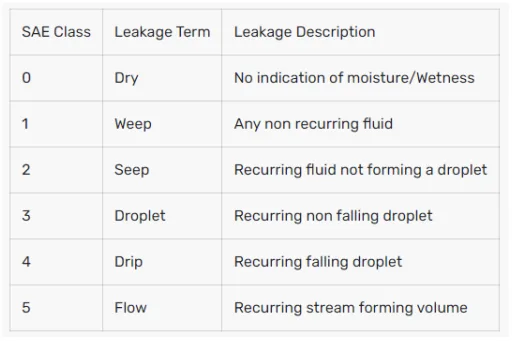
Image source: Bing (Web (fair-use with source credit))
49% off Today's Exclusive Deals
Limited-time Exclusive Deals. Check current discount on Amazon.
Check Price on Amazon As an Amazon Associate I earn from qualifying purchases.Quick Answer
A Subaru Outback oil leak usually traces to valve cover gaskets, cam carriers, the rear main seal, or the oil pan. Check your oil level first. Then match the drip location to the likely source.
The sooner you find the origin, the cheaper the fix.
First, Don't Panic: How Bad Is That Oil Leak Really?
Before you spend a dime, check the oil level. Park on flat ground, wait for the engine to cool, pull the dipstick, wipe it clean, reinsert, and pull it again. Anything between low and full means you have time to diagnose properly.
Here's the decision framework:
49% off Today's Exclusive Deals
Limited-time Exclusive Deals. Check current discount on Amazon.
Check Price on Amazon As an Amazon Associate I earn from qualifying purchases.- Oil level OK and no warning light: keep driving while you investigate the source.
- Oil level below the low mark: top it off before moving the car.
- Low oil pressure warning light on: stop the engine immediately. This overrides everything else.
Most Outback leaks start as a faint weep that owners notice as a small spot on the garage floor. That's the ideal time to catch it. If the dipstick reads at the low mark and the car smells like burning oil, you need to look closer before driving again.
A burning-oil smell usually means oil is hitting the exhaust manifold. That's not an instant fire hazard, but it tells you the leak is active and getting worse. If you're also noticing unusual brake pedal feel or other symptoms alongside the oil smell, it's worth a full walk-around inspection of the car.
Don't assume every spot under the car is engine oil. Outbacks can leak coolant, power steering fluid, or CVT transmission fluid, and they all look different. Fresh engine oil is amber to dark brown and slippery.
Coolant is sweet-smelling and often orange or blue. If you're chasing a mystery puddle, our coolant leak breakdown helps separate the two.
Step 1: Find the Drip Pattern Before Touching a Wrench
The Outback's flat boxer engine changes the diagnostic game. Instead of guessing, let gravity show you the answer. Park the car over clean cardboard or a sheet of old carpet overnight.
In the morning, note exactly where the drip sits relative to the car.
Here's what the pattern tells you:
- Front of the engine: oil pan, timing cover, front crank seal, or oil filter housing.
- Rear of the engine: rear main seal or the back edge of a valve cover.
- Middle underside: oil pan seam or the oil pressure switch.
Now clean the engine bay. A cheap degreaser and ten minutes of light scrubbing removes years of oily road film. Cover the alternator and electrical connectors with plastic bags before spraying.
Once the engine is dry, add a small bottle of UV leak detection dye to the crankcase, drive for ten minutes, then scan the engine with a UV light. That's the fastest way to confirm the exact origin.
A common mistake is trying to spot a leak by feel alone. You'll end up with greasy hands and no clear answer. Oil moves with airflow, so the source is usually several inches above the lowest wet point.
Work top-down after cleaning, and you'll find it much faster.
If the leak only shows up after highway driving, check the oil pressure switch and cooler lines first. Extra speed pushes oil through weak seals at higher pressure. That's a classic Outback pattern on higher-mileage models.
Step 2: Match the Leak to the Likely Suspect
Match what you found to the known Outback trouble spots. Because the boxer engine lays flat, oil runs along the bottom edge of the block before dripping. A leak from the left valve cover can show up near the center of the engine.
Don't trust your first glance alone.
These are the usual suspects, ranked by how often they appear:
| Leak Location | What You'll See | Most Common On |
|---|---|---|
| Valve cover gasket | Wet seam along the upper engine, oil pooling near plug tubes | All Outbacks past 80k miles |
| Cam carrier seal | Oily film on the front and sides near the timing cover seam | 2.5L FB25 engines, mostly 2013 to 2019 |
| Oil pan sealant | Drips forming under the very bottom of the engine | High-mileage cars or rough-road use |
| Rear main seal | Oil between the engine and transmission housing | High-mileage or hard-driven cars |
| Oil pressure switch | Small fresh drip above the oil filter area | Any Outback with the plastic-body switch |
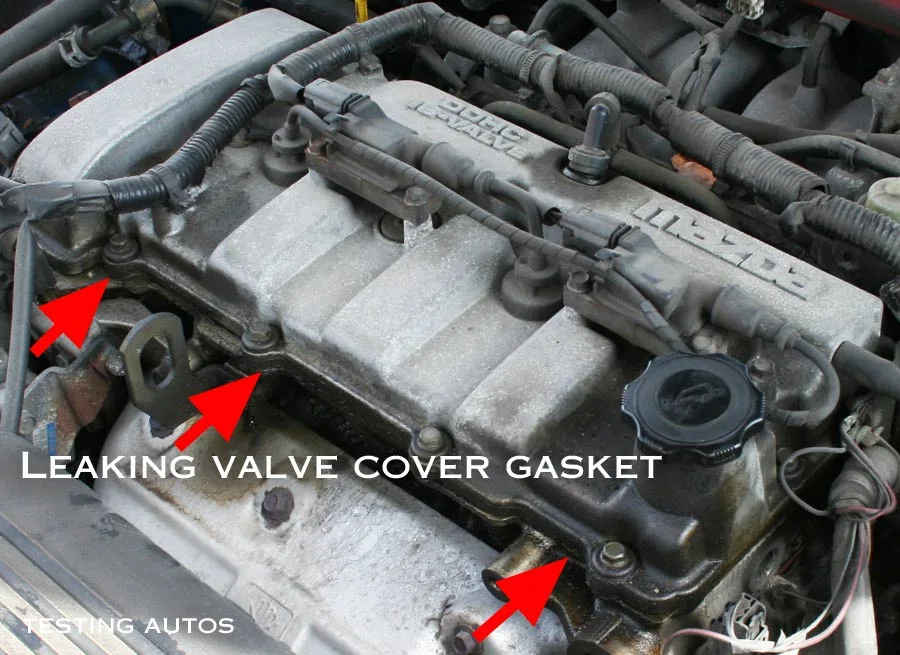
Image source: Bing (Web (fair-use with source credit))
If your leak sits on the side of the engine, valve cover gaskets are the first suspect. On a boxer engine, both heads are exposed and both gaskets age together. If one is leaking, the other will follow.
Replace both at the same time. It's a straightforward DIY job for most owners with a basic socket set and a torque wrench.
For 2.5L FB25 engines, pay attention to the cam carrier. This is the seam where the front housing meets the block. A slow weep here is extremely common on the 2013 to 2019 models.
It's a bigger job than valve covers, but it's not a catastrophic failure. Many owners monitor the oil level and schedule the repair when it's convenient.
The 3.6R engine has its own trouble spots. Oil cooler seals and the oil filter housing tend to leak there. The 2.4 turbo in 2020-and-newer Outbacks can leak from the turbo oil feed line.
Both are less common than valve covers, but neither requires a panic-driven shop visit. If your transmission is also making strange noises, note that separately, since CVT fluid leaks near the engine can be confused with oil leaks.
Step 3: Decide Urgency Based on Drip Severity
Now decide how fast you need to act. The real answer depends on how much oil you're losing and how quickly.
Three severity levels to guide you:
- Weep: the engine looks damp but nothing drips. Clean the area, check oil every other fill-up, and schedule a repair at your convenience. This is fine to live with for weeks or months.
- Drip: a drop forms every hour or two, leaving a small fresh spot after parking. Drive it for a few weeks, but book a repair soon. Check the oil every time you refuel.
- Stream: a steady line of oil with a puddle forming in minutes. This is not driveable. Park it immediately or risk seizing the engine.
The simplest measurement test: clean the suspected area, place corrugated cardboard under the car overnight, and measure the spot in the morning. A spot larger than your palm is serious. Anything smaller than a quarter is likely a weep you can manage.
Here's the part most people miss. A slow leak can turn into a fast one overnight. Gaskets fail gradually, then suddenly.
If your Outback has 150,000 miles and a damp valve cover, you can keep going. If it starts dripping steadily at a red light, that's your signal to pull over.
Another useful benchmark: if you're adding more than half a quart every 1,000 miles, you've moved past a minor weep. That level of loss needs a fix before it damages the catalytic converter or triggers oil starvation.
Repair Realities: Costs, Labor, and DIY vs Professional
Estimates vary from shop to shop, but you can build a realistic budget before picking up the phone. As of 2026, independent repair shop labor rates typically run between $100 and $150 per hour. Dealerships charge more.
A practical cost overview for the most common Outback oil leak repairs:
| Repair | Typical Total Cost | DIY Difficulty | Notes |
|---|---|---|---|
| Valve cover gasket | $300 to $700 | Moderate | Great first DIY project on a boxer |
| Oil pressure switch | $50 to $150 | Easy | One part, but easy to over-torque |
| Oil pan reseal | $400 to $900 | Hard | Obstructions on every side |
| Cam carrier reseal | $800 to $1,500 | Very hard | Needs specific RTV sealant and patience |
| Rear main seal | $700 to 1,200 | Very hard | Transmission removal required |
The valve cover gasket is the sweet spot for DIY. The boxer layout places the gaskets on the sides of the engine, easy to reach with basic tools. A torque wrench is non-negotiable here.
Over-tightening crushes the gasket and causes a new leak within months.
The cam carrier, rear main seal, and timing cover jobs demand precision. They need the right RTV sealant, specific torque sequences, and sometimes special tools. Unless you've done these before, book a Subaru specialist.
The extra cost buys peace of mind. For torque specifications, Subaru's official service manuals are the most reliable reference.
One detail many owners overlook: used engine oil is hazardous waste. When you drain or collect oil, take it to an auto parts store or collection site that follows EPA used oil management guidelines. Pouring it into a storm drain or onto the ground is illegal and genuinely harmful.
If you notice your transmission is slipping alongside the oil leak, get the car inspected sooner. A CVT fluid leak that mimics an oil leak can mask a more serious drivetrain problem.
Mistakes That Turn a Small Leak into a $2,000 Repair
A few bad habits cost Outback owners real money. Knowing what not to do is just as important as knowing what to fix.
- Using stop-leak additives. These thicken your oil temporarily and may slow a weep. They also clog oil passages, damage the oil filter, and can starve the turbo on forced-induction models. No manufacturer recommends them.
- Over-tightening the drain plug. Stripping the oil pan threads turns a simple oil change into a $400-plus repair. Use a torque wrench. Every time.
- Ignoring the PCV valve. A clogged positive crankcase ventilation valve builds internal pressure. That pressure pushes oil past every seal it can find. Replacing a $15 PCV valve can stop a leak that looks like it needs gaskets.
- Topping off without investigating. Adding oil without diagnosing the source lets the problem grow silently. The leak gets worse, oil covers more components, and the final repair bill climbs.
- Misidentifying the fluid. CVT fluid and engine oil look similar when dirty. If you fix the wrong thing, the real leak continues undetected. Clean the area first, then track the fresh drip.
Quick Decision Guide: The Right Move for Your Mileage and Leak
Pulling all of this together into a simple decision flow:
- Under 80k miles with a weep: likely normal seepage. Monitor oil level, plan to address it during your next scheduled service.
- 80k to 120k miles with a drip: schedule a diagnosis with a Subaru specialist within the next month. Valve cover gaskets are the most likely culprit and a manageable cost.
- Over 120k miles with a drip or stream: book a professional inspection this week. Multiple gaskets may need attention, and planning ahead avoids being stranded.
- Any mileage with a stream or oil pressure warning: stop driving the car. Have it towed to a shop. Engine replacement costs dwarf any repair bill you'd face by acting sooner.

Image source: Bing (Web (fair-use with source credit))
The honest truth: most Subaru Outback oil leaks are routine maintenance, not emergencies. The boxer engine's design makes certain gaskets fail on a predictable schedule. Catch it early, match it to the right suspect, and fix it once.
That's the entire playbook.
Frequently Asked Questions
How much oil loss is normal on a Subaru Outback?
Subaru classifies oil consumption under one quart per 1,200 miles as acceptable. Anything beyond that threshold indicates a real leak or excessive internal consumption. Check your level every other fill-up if you're concerned.
Can I just add oil between changes instead of fixing the leak?
You can for a short time, but you're masking a problem that typically worsens. Adding more than a quart between oil changes means the leak or consumption issue needs attention. Ignoring it risks engine damage from running low.
Is a leaking valve cover gasket worth fixing at 150k miles?
Yes, if the rest of the car is solid. Valve cover gaskets are one of the cheaper Outback repairs, typically $300 to $700. Leaving oil to drip onto hot exhaust components is a fire risk and will contaminate your catalytic converter over time.
What's the difference between a valve cover leak and a cam carrier leak?
Valve cover gaskets seal the top of the cylinder heads. They're visible, accessible, and straightforward to replace. Cam carrier seals sit deeper in the engine at the front housing seam.
They require more labor and specialized sealant. A cam carrier leak is more expensive but still a routine Subaru repair.
Should I take my Outback to a dealer or an independent shop for an oil leak?
An independent Subaru specialist often offers the same expertise at lower labor rates. Dealerships may have access to the latest technical service bulletins. Either works.
The key is choosing a shop familiar with boxer engines, not a generalist who works on inline engines all day.