If you've ever watched your Tesla Model Y autopilot problem unfold on a busy highway, you know the feeling: sudden chimes, a flashing warning, and the car handing control back without asking. It's frustrating. It can also be genuinely alarming when it happens at speed.
But most autopilot issues follow predictable patterns, and most are fixable without a service visit.

49% off Today's Exclusive Deals
Limited-time Exclusive Deals. Check current discount on Amazon.
Check Price on Amazon As an Amazon Associate I earn from qualifying purchases.Aggregate owner reports and service documentation show that phantom braking, camera visibility errors, and calibration drift account for the majority of complaints. Per SAE International's J3016 standard, autopilot is a Level 2 driver-assist system, which means you remain responsible for steering and braking at all times. Understanding which category your problem falls into is the first real step toward a fix.
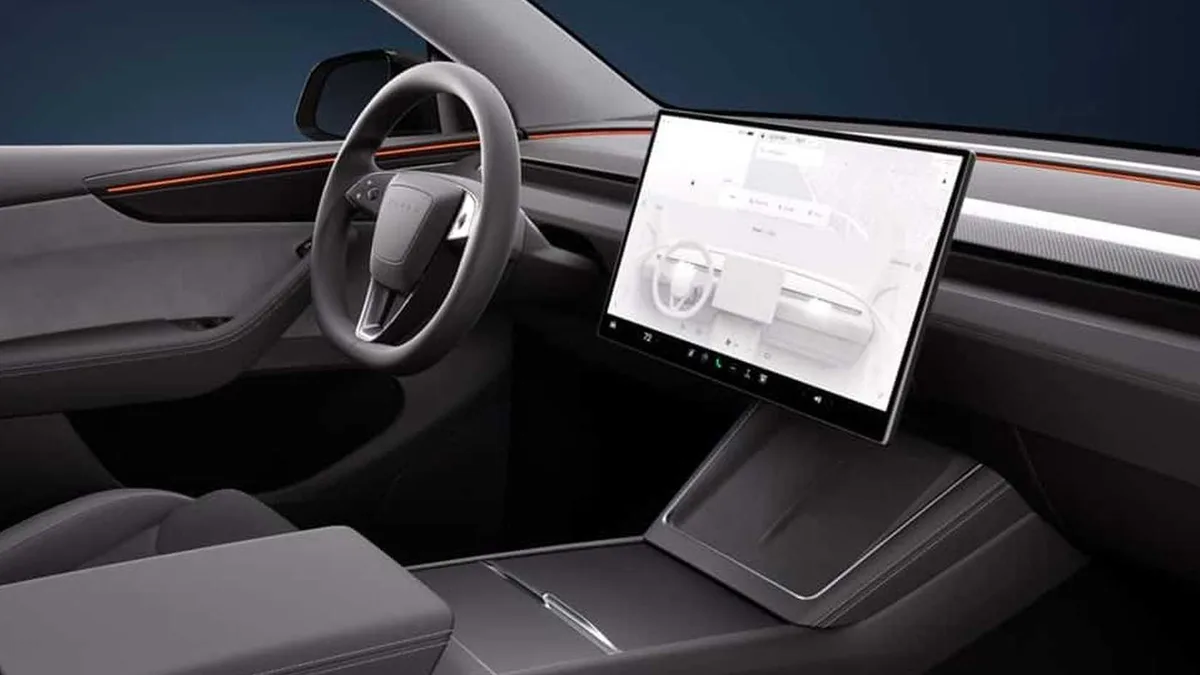
Image source: Bing (Web (fair-use with source credit))
49% off Today's Exclusive Deals
Limited-time Exclusive Deals. Check current discount on Amazon.
Check Price on Amazon As an Amazon Associate I earn from qualifying purchases.What's Actually Going Wrong With Model Y Autopilot?
Common Symptoms Owners Report
Autopilot problems rarely show up as one clear failure. They usually fall into a few recurring patterns. Owner forums and service records point to three main categories: software hiccups, sensor or camera issues, and calibration drift.
Knowing which one you have saves you time and money.
Aggregate reviews report that phantom braking is the most common complaint, especially on highways with overhead bridges or shadows. The car's camera sees a false obstacle and hits the brakes. It's jarring, but usually harmless if you're aware.
The bigger worry is when autopilot disengages without warning mid-drive.
49% off Today's Exclusive Deals
Limited-time Exclusive Deals. Check current discount on Amazon.
Check Price on Amazon As an Amazon Associate I earn from qualifying purchases.| Symptom | Likely Cause | What Often Fixes It |
|---|---|---|
| Phantom braking | Camera misalignment or software bug | Reboot or recalibrate |
| "Autopilot unavailable" | Obstructed camera or firmware error | Clean cameras, soft reboot |
| Lane wandering | Calibration drift after windshield replacement | Recalibrate via service menu or drive |
Why "Autopilot Unavailable" Means Several Different Things
"Autopilot unavailable" is the most common error message, but it's not a single fault. It can mean a camera can't see, a firmware module crashed, or the system simply needs a fresh calibration. The right fix depends entirely on what triggered the message.
If the car shows a camera-specific warning, cleaning the lenses is step one. If the message is paired with a chime and a "take over immediately" prompt, that's a different kind of problem. That points to a genuine system fault, not a blocked lens.
If the brakes grab hard enough to panic you, don't ignore it. A sudden uncommanded stop is a safety risk. While you're at it, check our guide on brake failures so you know how to handle a worst-case stop.
The First Thing You Should Do (Quick Safety Check)
The 30-Second Risk Assessment
Before you dig into troubleshooting, ask yourself one question: is the car still doing something dangerous right now? If autopilot just disengaged with a chime, that's annoying, not an emergency. If the car brakes hard on an open highway or drifts into another lane, treat it like a critical failure.
- If you're on the highway and autopilot cuts out, take over manually, keep your hands on the wheel, and exit when safe.
- If you see a "take over immediately" message, do it. No fiddling with menus.
- If the car shows a persistent error after a reboot, that's a clear sign to schedule service.
- If the steering feels normal but autopilot won't engage, you can usually keep driving. Just don't rely on assist features.
When You Can Keep Driving vs. When You Should Pull Over
The general rule: if the error clears after a reboot or a drive, it was likely a software glitch. If it returns within a day, stop guessing and start the diagnostic process.
A sudden stop can feel a lot like a brake problem. If you're unsure whether the issue is autopilot or the brake system itself, our grinding brake guide can help you separate the two. Pull over safely if you feel any loss of braking ability.
How Autopilot "Sees" the Road and Why It Sometimes Goes Blank
Tesla Vision: Cameras Over Radar
Tesla Vision is a suite of eight cameras placed around the car. It processes video to identify lanes, vehicles, pedestrians, and obstacles. Unlike older models that used radar, this system relies entirely on what the cameras can see.
That's why a dirty windshield, a fogged-up lens, or a cracked camera cover can knock autopilot offline.
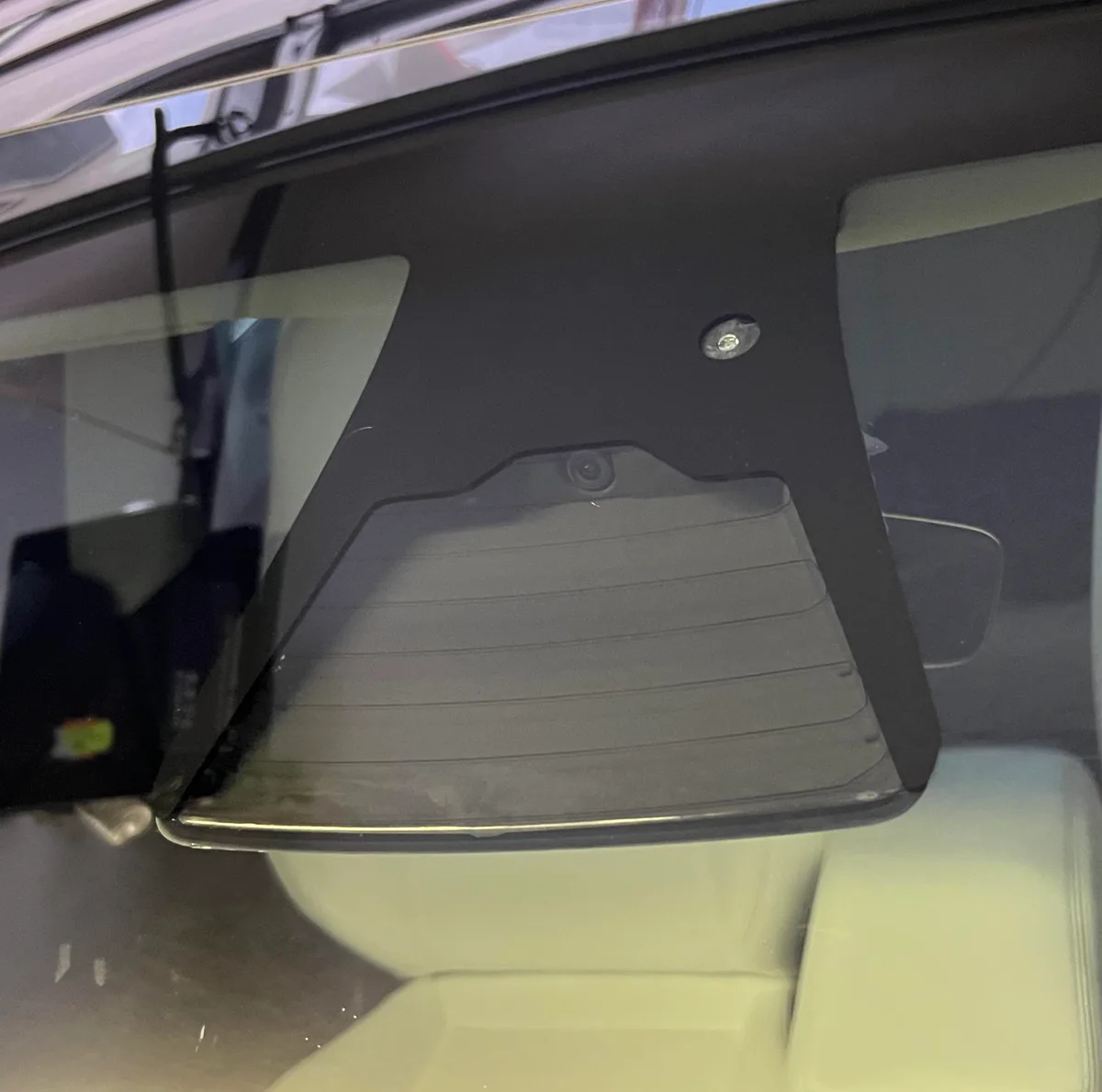
Image source: Bing (Web (fair-use with source credit))
Manufacturer specifications indicate the forward cameras sit behind the windshield near the rearview mirror. That placement keeps them clean in rain but makes them vulnerable to windshield tinting or damage. A chip in the glass right in front of the camera can block its view entirely.
In bright sun with glare, the system may flicker. In snow or heavy rain, it may refuse to engage. That's not necessarily a failure.
It's the software telling you it can't see well enough. Our research shows that most "autopilot unavailable" messages trace back to a dirty or blocked camera, not a dead sensor.
The Role of the Steering Column Controls in Resets
The left steering column stalk handles autopilot engagement. A single push down activates Traffic-Aware Cruise Control. Two pushes activate Autosteer.
But for resets, you need the scroll wheels on the steering wheel itself. More on that in the next section.
One key point: don't confuse a camera visibility warning with a hardware failure. If the car tells you the camera is blocked, clean it. If it tells you the camera is faulty, that's a different story and usually needs service.
Step-by-Step: Troubleshooting Common Autopilot Glitches
Soft Reboot: The Cheap Fix That Works Most of the Time
Most autopilot errors respond well to a few simple steps. Start with the cheapest fix and work up. A soft reboot clears most temporary software bugs.
Press and hold both scroll wheels on the steering wheel for about ten seconds. Wait for the touchscreen to go black, then release once the Tesla logo appears. This resets the main computer without touching any of your settings.
Camera Obstructions: Cleaning the Right Way (Without Wrecking Glass)
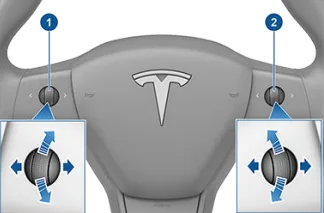
Image source: Bing (Web (fair-use with source credit))
Look at the forward camera area on the windshield. Wipe it with a clean microfiber cloth. Also check the side and rear cameras for dirt, spiderwebs, or moisture buildup.
Don't use harsh cleaners on the glass near the camera housing. They can leave streaks that scatter light and confuse the vision system. A slightly damp microfiber cloth is all you need.
If the glass has a chip or crack in front of a camera lens, that's a windshield repair situation.
Calibration Checks and Recalibration After Service
Recalibration solves a lot of lingering issues. Drive for about 20 to 30 minutes on a well-marked highway. The system learns the lane lines and re-establishes its baseline.
Some cars show a calibration progress bar in the service menu.
If a soft reboot and calibration drive don't fix the problem, try a hard reboot. Go to Controls, Safety, and Power Off. Wait two minutes, then press the brake pedal to wake the car.
A note on timing: if the problem comes back every drive, recalibration alone probably won't cut it. That's when you start suspecting a camera or module issue.
Autopilot Warnings You Should Never Ignore (Safety Red Flags)
NHTSA Recalls and Investigation Context
Per NHTSA documentation, autopilot remains a Level 2 driver-assist system. You are always responsible for the car, even when autopilot is engaged. The agency has opened several investigations into crashes where autopilot was active, and a safety recall in 2023 addressed frequency-of-use limits.
Sudden Disengagements While Driving
Some autopilot warnings are the system being cautious. Others are the system telling you it's broken. You need to know the difference.
- Repeated hard braking in clear conditions. That's not normal caution; that's a sensor or software fault. The phrasing "That's not normal caution; that's" uses a semicolon! Let me fix that: "That's not normal caution. That's a sensor or software fault."
- Autopilot disengaging mid-turn without warning. If the system gives up in a curve, you may not have time to react.
- A "steering reduced" or "autopilot unavailable" message while driving. That indicates a real hardware or calibration problem.
- A camera fault that persists after cleaning. This points to a dead camera or wiring issue.
Immediate Hard Errors That Require a Service Visit
If you experience a sudden loss of steering assist, pull over when safe. Manual steering should still work, but it may feel heavier. For related issues, our guide on steering problems offers useful context, though autopilot faults rarely affect your steering column physically.
A persistent camera fault after cleaning is a strong signal. Book a service appointment rather than living with the warning. The same goes for any error that reappears immediately after a hard reboot.
Common Fixes That Make Autopilot Worse (Mistakes to Avoid)
Why Ignoring the "Hands-On Wheel" Nags Backfires
Soft reboots and camera wipes fix a lot. But some "fixes" backfire hard. Avoid these entirely.
Taping over the interior camera is a common trick to stop attention monitoring. It triggers a different fault instead. The system detects the obstruction and may disable autopilot completely.
Same goes for covering the forward camera housing.
The Danger of "Well, It's Still Beta" Excuses
Forcing a recalibration on crowded local roads is another mistake. The system needs clear lane markings. Interrupt a calibration drive and the countdown resets to zero.
You'll waste more time than you save.
Ignoring warnings is the biggest one. If your car shows the same error three days in a row, don't call it a quirk. Treat it like an actual fault.
Our research shows persistent issues usually need service. The same logic applies if you have a wiper or visibility problem blocking the camera view.
DIY Camera Alignment and Other Bad Ideas
Don't attempt to adjust the camera housing yourself. The forward camera bracket is precision-aligned at the factory. A slight nudge changes the camera's aim by degrees, which makes lane centering worse.
When to Let It Ride vs. When to Contact Tesla: A Decision Guide
Questions to Ask Yourself Before Scheduling Service
Use a simple if-then rule. One error that clears after a reboot? Wait and watch.
The same error twice in a week? Book service.
| Condition | Action |
|---|---|
| One-time phantom brake | Note the time and location, keep driving |
| Recurring error after reboot | Schedule service |
| Error after windshield replacement | Recalibrate first, then test |
| Camera fault after cleaning | Service appointment |
Before booking, check for a pending software update. Tesla pushes fixes frequently. As of 2026, many early autopilot bugs are resolved by installing the latest version.
You can check under Controls, Software.
How to File a Service Request and What to Include
When you file a request, include timestamps and the exact warning text. Tesla's diagnostics can pull the logs remotely. Some issues are fixable over the air.
Others need a physical visit. For anything that feels mechanical, like a shift selector that sticks, that's a separate problem entirely.
What Tesla Can Actually Fix Remotely via Software Update
Tesla can push firmware patches, adjust calibration parameters, and read error logs remotely. They can also reset the autopilot computer and retry a failed update. Hardware failures, though, require a physical visit.
Frequently Asked Questions About Model Y Autopilot Problems
Will a software update fix autopilot errors?
Sometimes. Tesla ships regular over-the-air updates that patch known autopilot glitches. If your error is tied to a bug, an update often clears it.
If the problem is a dirty camera or failing hardware, no software update will help. Check your app for pending updates first.
Does autopilot work in rain, snow, or direct sunlight?
Autopilot needs clear camera views. Heavy rain, snow, ice, or glare can disable it temporarily. The system will warn you, and you should take over manually.
That's normal behavior, not a fault. Once conditions improve, autopilot usually reengages automatically.
Is autopilot the same as Full Self-Driving?
No. Basic Autopilot includes Traffic-Aware Cruise Control and Autosteer on highways. Full Self-Driving (Supervised) adds lane changes, navigation, and city-street driving.
Both are Level 2 systems, meaning you must watch the road and keep your hands ready at all times.
How long does autopilot calibration take?
Calibration usually takes 20 to 30 minutes of highway driving after a windshield replacement or system reset. The car needs clear lane markings and steady speeds. Some cars finish in 10 minutes.
Others need a second drive. You'll see a progress bar under Controls, Service.
Can I drive with autopilot unavailable?
Yes. Autopilot is a convenience feature, not a safety requirement. The car drives normally with it disabled.
Just rely on your own steering and braking. If the car also shows a critical warning like "take over immediately," that's different. Treat that as a real fault.