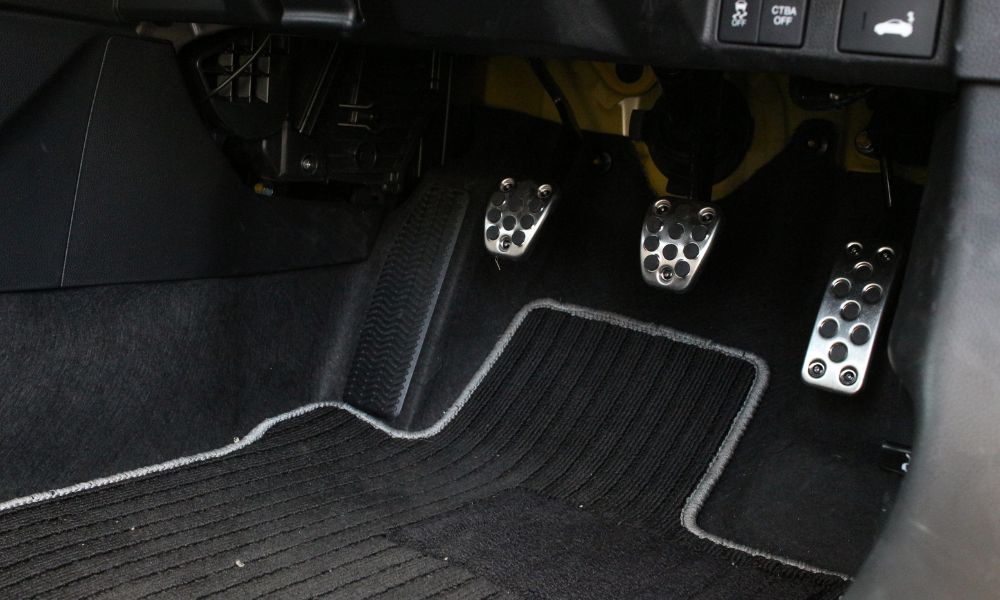
A hard clutch pedal usually points to cable, hydraulic, or release-system trouble.
If your car clutch pedal hard feels stiff, heavy, or harder than usual to press, you’re not imagining it. That change often means something in the clutch system is wearing out, out of adjustment, or low on fluid, and the sooner you catch it, the better the repair usually is. I’ve seen plenty of drivers ignore a hard clutch pedal until shifting got ugly, and by then a small fix had turned into a bigger one.

49% off Today's Exclusive Deals
Limited-time Exclusive Deals. Check current discount on Amazon.
Check Price on Amazon As an Amazon Associate I earn from qualifying purchases.What a hard clutch pedal really means
A clutch pedal should feel smooth and controlled. It should not take a leg workout just to shift gears. When the car clutch pedal hard problem shows up, it usually means extra resistance is building somewhere between your foot and the clutch itself.
In simple terms, the clutch pedal is trying to move parts that separate the engine from the transmission. If one piece sticks, binds, leaks, or wears down, the pedal gets stiff. That can happen in cable clutches, hydraulic clutches, or older mechanical setups.
From real-world experience, the first clue is usually not the pedal itself. It is the way the car starts to feel during shifts. You may notice more effort, a rougher bite point, or a pedal that does not return as cleanly as it used to.
49% off Today's Exclusive Deals
Limited-time Exclusive Deals. Check current discount on Amazon.
Check Price on Amazon As an Amazon Associate I earn from qualifying purchases.
Common causes of a car clutch pedal hard problem
There are several likely reasons your car clutch pedal hard issue is happening. Some are minor and easy to fix. Others can point to clutch wear or a failing part that needs replacement.
1. Low or dirty clutch fluid
Many modern cars use a hydraulic clutch system. If the fluid is low, dirty, or full of air, the clutch can feel heavier and less smooth. A small leak in the master cylinder or slave cylinder can cause this.
Old fluid can also absorb moisture over time. That lowers performance and can make the pedal feel strange. I’ve seen cases where a simple fluid flush restored normal feel almost immediately.
49% off Today's Exclusive Deals
Limited-time Exclusive Deals. Check current discount on Amazon.
Check Price on Amazon As an Amazon Associate I earn from qualifying purchases.2. Worn clutch cable
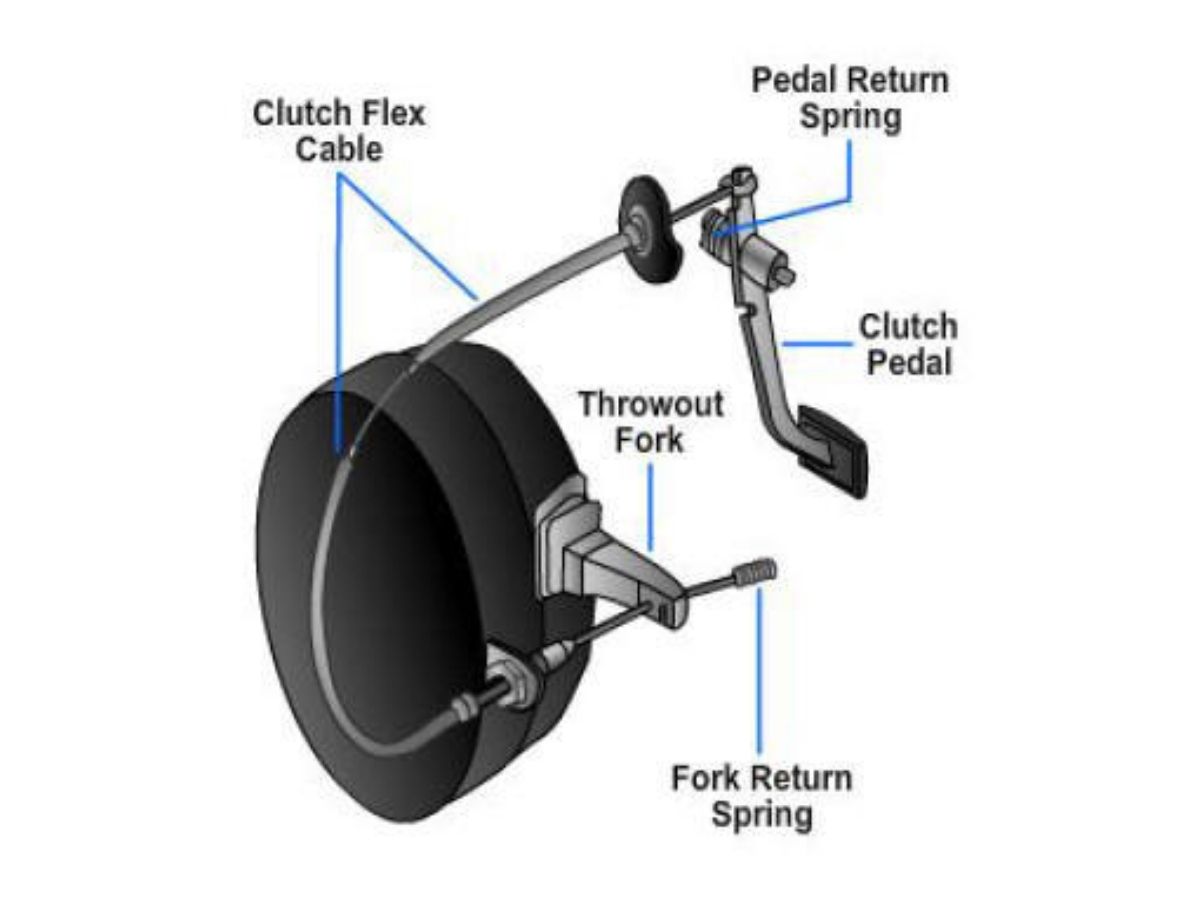
If your car uses a clutch cable, the cable may be fraying, rusted, stretched, or binding. This is one of the most common reasons a car clutch pedal hard complaint gets worse over time. The pedal may feel stiff, then suddenly inconsistent.
A cable that is dry or partially seized can make the pedal feel like it is fighting back. If the cable snaps, you may lose clutch function completely.
3. Failing clutch master or slave cylinder
In hydraulic systems, the master cylinder sends pressure and the slave cylinder helps move the clutch release fork. If either one fails, pressure can build unevenly and the pedal can become hard or unpredictable.
Warning signs often include:
• A pedal that feels stiff but does not release the clutch well
• Fluid around the cylinder or under the car
• A clutch that feels better one moment and worse the next
4. Bad release bearing or pressure plate
The release bearing helps disengage the clutch. If it wears out, the pedal can feel heavier and may make noise. The pressure plate can also become tired or warped, which increases pedal effort.
This is more common on higher-mileage vehicles or cars that have seen a lot of stop-and-go driving. In my experience, a heavy pedal paired with noise often points toward deeper clutch hardware trouble.
5. Rust, dirt, or binding in the pedal assembly
Sometimes the problem is not the clutch itself. The pedal pivot, bushings, or linkage can get dirty, dry, or rusty. That creates extra friction and makes the pedal feel hard before it even reaches the clutch system.
This is especially common in older cars or vehicles that sit for long periods. A little corrosion can act like sand in a hinge.
6. Improper adjustment
Some clutch systems need correct adjustment to work right. If the pedal free play is off, the clutch may not disengage cleanly, and the pedal may feel heavier than normal.
This can happen after repairs, part replacement, or wear over time. A small adjustment may solve the issue, but only if the rest of the system is healthy.
Symptoms that often come with a hard clutch pedal
A car clutch pedal hard issue usually does not show up alone. Other signs can help you narrow down the cause.
Watch for these symptoms:
• Hard or stiff pedal feel
• Gears that are difficult to shift into
• Grinding when changing gears
• Clutch pedal squeaking or squealing
• Clutch slipping at higher RPM
• Fluid leaks near the transmission or firewall
• A pedal that sticks or returns slowly
If the pedal feels hard and the car is also hard to shift, that is a strong sign the problem is more than just pedal comfort. It may be affecting clutch release.
How to diagnose a hard clutch pedal
You do not need to be a master mechanic to do a basic check. A few simple steps can tell you a lot.
Step 1: Check pedal feel
Press the clutch several times with the engine off. If it still feels stiff, the problem may be in the pedal assembly, cable, or hydraulic system. If it feels different with the engine running, the clutch itself may be involved.
Step 2: Inspect fluid level
If your car uses hydraulic clutch fluid, look at the reservoir. Low fluid often means there is a leak somewhere in the system. Dark or dirty fluid also tells you the system may need service.
Step 3: Look for leaks
Check around the master cylinder, slave cylinder, and under the vehicle. Even a small leak can cause a hard pedal or shifting trouble. Leaks are often the clue that gets missed first.
Step 4: Listen for noise
A squeak, chirp, or grinding sound when pressing the pedal can point to worn parts. Noise usually means friction is not where it should be.
Step 5: Test gear engagement
Try shifting through gears while parked and then while driving at low speed. If the car clutch pedal hard condition is paired with poor disengagement, the clutch may not be releasing fully.
Is it safe to drive with a hard clutch pedal?
Sometimes you can still drive short distances, but I would not ignore it. A hard clutch pedal can get worse fast, and that can leave you stuck with a car that will not shift correctly.
Driving too long with the issue can also cause extra wear on the transmission, clutch fork, release bearing, or synchros. If you need more force than usual just to shift, that is your car asking for attention.
If the pedal suddenly becomes very hard or the gears stop engaging normally, it is smarter to stop driving and get it checked. That is the kind of problem that loves to turn a quick repair into a tow bill.

How to fix a hard clutch pedal
The right fix depends on the cause. Some repairs are simple, while others need real shop time.
Common fixes include:
• Bleeding the hydraulic clutch system to remove air
• Replacing old clutch fluid
• Adjusting or replacing a clutch cable
• Replacing a bad master or slave cylinder
• Lubricating or repairing the pedal assembly
• Replacing a worn release bearing or pressure plate
• Replacing the full clutch kit if wear is severe
If you are doing this at home, start with the simple checks first. I’ve seen people replace major parts when the real problem was just air in the line or a sticking pedal pivot. That mistake costs time and money.
Preventing a hard clutch pedal in the future
A little maintenance goes a long way. The clutch system is one of those parts people forget until it starts protesting.
Good habits include:
• Checking clutch fluid during regular service
• Replacing fluid at the recommended interval
• Avoiding riding the clutch in traffic
• Keeping the pedal area clean and dry
• Fixing small leaks early
• Listening for changes in pedal feel
One of the biggest mistakes drivers make is resting their foot on the clutch pedal. That extra pressure can wear parts sooner and make the pedal feel odd over time. It seems harmless, but it adds up.
Hard clutch pedal in manual transmission cars vs. hydraulic systems
Not all clutch systems behave the same way. That matters when you are trying to figure out the cause.
In cable-operated systems, a hard pedal often points to:
• A stretched cable
• A dry cable
• A cable that is starting to seize
In hydraulic systems, a hard pedal may point to:
• Air in the line
• Old or low fluid
• A failing master or slave cylinder
• Internal clutch wear
Older manual cars often need more pedal effort than newer ones. But a pedal that suddenly gets much harder is not normal, no matter what you drive.
When you should see a mechanic
If the car clutch pedal hard problem lasts more than a day or two, or gets worse quickly, it is time for a professional inspection. You should also get help right away if:
• The car will not go into gear
• The pedal stays on the floor or sticks
• You see fluid leaks
• You hear grinding or squealing
• The clutch slips or smells burnt
A good mechanic will check the hydraulic system, pedal assembly, and clutch hardware together. That whole-system check matters because the symptom can start in one place and show up somewhere else.
Frequently Asked Questions
Why is my clutch pedal suddenly hard to press?
A sudden change usually means something is binding, leaking, or failing. Common causes include low hydraulic fluid, a bad clutch cable, or a problem with the master or slave cylinder.
Can low clutch fluid make the pedal hard?
Yes, low fluid can make the pedal feel stiff or uneven, especially in hydraulic systems. Air in the system can also change pedal feel and make shifting harder.
Does a hard clutch pedal mean the clutch is bad?
Not always, but it can be a warning sign. The issue may be in the pedal assembly, cable, hydraulics, or the clutch hardware itself.
How much does it cost to fix a hard clutch pedal?
Costs vary a lot based on the cause. A fluid service or minor adjustment may be affordable, while replacing cylinders, a cable, or a full clutch kit can cost much more.
Can I drive if my clutch pedal is hard?
You might be able to drive short distances, but it is not a good idea to ignore it. If shifting gets difficult or the pedal changes again, the car should be inspected soon.
Conclusion
A car clutch pedal hard issue is more than an annoyance. It is often an early warning that something in the clutch system needs attention, whether that is fluid, a cable, a cylinder, or worn clutch hardware.
The good news is that many causes can be diagnosed early if you pay attention to changes in pedal feel, shifting, and noise. If your clutch feels heavier than normal, start with the simple checks, fix small problems before they grow, and trust your instincts when something feels off. If you want, leave a comment with your car model and symptoms, and I’ll help you narrow down the most likely cause.