If you have ever seen a vehicle being pulled from mud, or watched a cable lift a heavy object up a steep hill, you have witnessed the powerful work of a winch. This simple yet essential tool is everywhere: on tow trucks, off-road vehicles, boats, and even construction sites. But what exactly is a winch, and how does it turn raw force into practical movement? Whether you are a curious beginner or someone looking to use a winch for the first time, understanding its mechanics and uses can make a big difference. Let’s dive into the world of winches and see how they work, what types exist, and what you need to know before using one.
What Is A Winch?
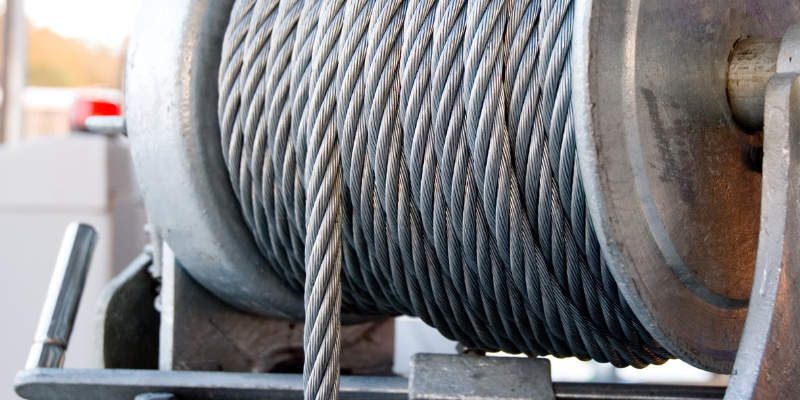
A winch is a mechanical device that pulls in, lets out, or adjusts the tension of a rope, cable, or chain. At its core, it consists of a spool (also called a drum) and a system to turn the spool. When you rotate the drum, the cable wraps around it, either pulling an object closer or releasing it away. Winches are used for lifting, hauling, and securing loads—sometimes weighing thousands of pounds.

49% off Today's Exclusive Deals
Limited-time Exclusive Deals. Check current discount on Amazon.
Check Price on Amazon As an Amazon Associate I earn from qualifying purchases.Key Components Of A Winch
Most winches share these basic parts:
- Drum (spool): The cylinder that the cable wraps around.
- Cable/rope: Usually steel or synthetic, depending on the application.
- Motor: Electric, hydraulic, or manual (hand-crank).
- Gear system: Increases pulling power by reducing speed.
- Brake: Stops the drum from spinning when you need to hold a load.
- Mounting plate: Attaches the winch to a vehicle or surface.
Each part works together to make the winch safe, strong, and reliable. For example, the gear system lets you pull heavy loads without using much force.
How Does A Winch Work?
At its simplest, a winch works by converting rotational force (turning) into linear force (pulling). When you turn the drum—by hand, motor, or hydraulics—the cable winds in or out. This pulls the attached object or releases it, depending on the direction.
49% off Today's Exclusive Deals
Limited-time Exclusive Deals. Check current discount on Amazon.
Check Price on Amazon As an Amazon Associate I earn from qualifying purchases.Step-by-step Winch Operation
- Attach the cable: Secure the cable to the object or anchor point.
- Engage the winch: Activate the winch using the motor, lever, or crank.
- Wind the cable: The drum spins, wrapping the cable around itself.
- Pull the load: The tension in the cable moves the object.
- Stop and secure: Use the brake or locking mechanism to hold the load in place.
Some winches are simple, needing manual turning. Others have powerful electric or hydraulic motors for fast, heavy-duty work.
Example: Recovering A Stuck Vehicle
Imagine an off-road truck stuck in deep mud. The driver attaches the winch cable to a tree. The winch’s motor is activated, and the drum winds the cable, pulling the truck out of the mud. The winch does all the heavy lifting, while the driver controls the process.
Types Of Winches
Winches come in many shapes and sizes. The type you need depends on the job.
Manual Winches
Manual winches use hand power. You turn a handle, which spins the drum. These are ideal for small loads and simple tasks—like pulling a boat onto a trailer.
49% off Today's Exclusive Deals
Limited-time Exclusive Deals. Check current discount on Amazon.
Check Price on Amazon As an Amazon Associate I earn from qualifying purchases.Electric Winches
Electric winches have a motor powered by a battery or the vehicle’s electrical system. They are common on tow trucks and off-road vehicles. Electric winches can pull several thousand pounds quickly.
Hydraulic Winches
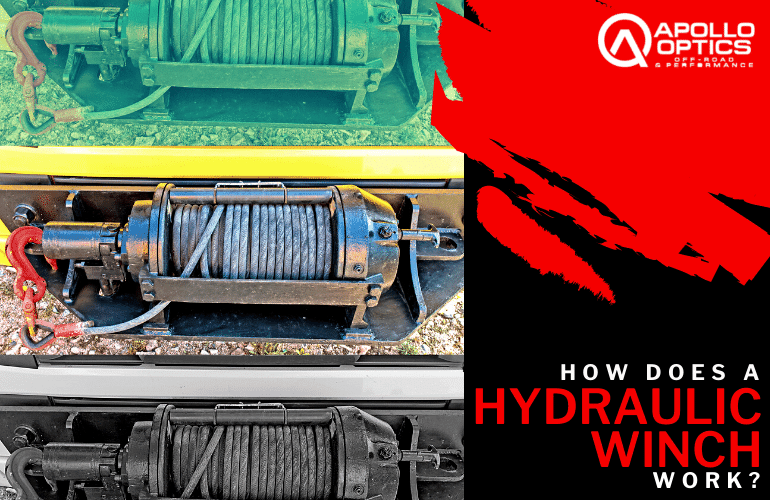
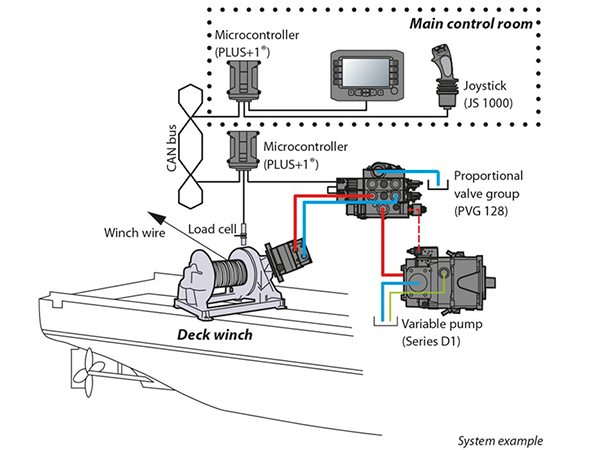
Hydraulic winches are powered by fluid pressure. They are found in industrial settings or heavy-duty vehicles. Hydraulic winches are strong and reliable but require a hydraulic system.
Capstan Winches
Capstan winches use a rotating drum (capstan) to pull rope continuously. They are popular on ships and for lifting objects vertically.
Specialized Winches
- ATV/UTV winches: Designed for small vehicles.
- Boat winches: Used for anchors and sails.
- Industrial winches: Built for construction and mining.
Quick Comparison
Here’s a comparison of common winch types:
| Type | Power Source | Typical Use | Pulling Capacity |
|---|---|---|---|
| Manual | Hand | Small boats, trailers | Up to 2,000 lbs |
| Electric | Battery/vehicle | Off-road, towing | 2,000–12,000 lbs |
| Hydraulic | Fluid system | Industry, heavy trucks | Up to 30,000 lbs |
| Capstan | Electric/hydraulic | Marine, vertical lifting | Variable |
Winch Applications In Real Life
Winches are everywhere, from rescue operations to daily tasks. Here are some common uses:
- Vehicle recovery: Pulling stuck cars, trucks, or ATVs.
- Construction: Lifting heavy materials and equipment.
- Marine: Raising anchors, adjusting sails, pulling boats.
- Industrial: Moving machinery, mining operations.
- Emergency rescue: Saving people or animals from dangerous situations.
For example, a winch on a tow truck can lift a car weighing over 4,000 pounds. In construction, winches help move steel beams safely. On a ship, a winch pulls up heavy anchors.
Key Factors In Choosing A Winch
Picking the right winch is critical for safety and efficiency. Here are the main factors to consider:
Pulling Capacity
This is the maximum weight the winch can safely pull. Always choose a winch with a capacity higher than your heaviest load. A common mistake is selecting a winch that matches the load exactly—always add a safety margin of at least 25%.
Power Source
- Manual: Good for light loads, no power needed.
- Electric: Fast, easy, needs a battery.
- Hydraulic: Strong, reliable, needs a hydraulic system.
Cable Type
- Steel cable: Strong, durable, but heavy and can fray.
- Synthetic rope: Light, flexible, safer if it breaks, but less heat resistant.
Mounting
Where will you attach the winch? Vehicle bumpers, boat decks, or fixed posts all need proper mounting brackets. Never overlook the mounting strength—a weak mount is a common cause of failure.
Control System
Some winches have remote controls, letting you operate from a safe distance. This is important for hazardous environments.
Cost And Maintenance
Winches vary in price from $100 to over $3,000. Cheap winches may lack durability or safety features. Maintenance is also key—steel cables need regular inspection, synthetic ropes need cleaning.
Comparison Of Steel Cable Vs Synthetic Rope
Here’s a quick look at the pros and cons:
| Feature | Steel Cable | Synthetic Rope |
|---|---|---|
| Strength | Very high | High |
| Weight | Heavy | Light |
| Safety | Can snap dangerously | Safer if it breaks |
| Maintenance | Needs oil, checks for frays | Needs cleaning, watch for UV damage |
Winch Safety: What Beginners Need To Know
Using a winch can be dangerous if not done correctly. Here are important safety tips:
- Wear gloves: Cable can cause cuts or burns.
- Stand clear: Never stand near the cable under tension.
- Check the cable: Look for frays, kinks, or damage before use.
- Use a damper: Place a heavy blanket or damper on the cable to reduce recoil if it snaps.
- Secure attachments: Make sure hooks and anchor points are strong and locked.
- Don’t overload: Never exceed the winch’s capacity.
- Keep bystanders away: Only trained operators should be near the winch.
A non-obvious insight: Always use a snatch block (pulley) for extra strength. It doubles the pulling power and reduces stress on your winch.
Another tip: When using synthetic rope, avoid sharp edges and excessive heat, as these can quickly damage the rope.
How A Winch’s Gear System Works
The gear system is the secret behind a winch’s strength. It lets you pull heavy loads with less effort.
Types Of Winch Gears
- Planetary gears: Most common, good balance of speed and strength.
- Worm gears: Slower, but very strong and self-locking.
- Spur gears: Simple design, often used in manual winches.
Planetary gear systems are used in many electric winches. They have multiple gears rotating around each other, which multiplies the force.
Gear Ratio Example
If a winch has a gear ratio of 200:1, it means the motor must turn 200 times to rotate the drum once. This creates huge pulling power, but slower cable movement.
Winch Installation: The Basics
Installing a winch correctly is crucial. Improper setup can cause the winch to fail or even injure people.
Steps To Install A Winch
- Choose the mounting location: Make sure it’s strong and stable.
- Attach the mounting plate: Use heavy-duty bolts.
- Mount the winch: Secure it firmly to the plate.
- Connect power: For electric winches, attach wires to the battery.
- Test the winch: Run the cable in and out to check operation.
Always follow the manufacturer’s instructions. If unsure, ask a professional.
Winch Maintenance And Troubleshooting
A winch needs regular care to stay safe and effective.
Maintenance Tips
- Inspect cables: Look for damage before every use.
- Lubricate gears: Use proper grease to prevent wear.
- Clean drum and cable: Remove mud, sand, or salt.
- Check electrical connections: For electric winches, make sure wires are tight and batteries charged.
Troubleshooting Common Problems
- Cable won’t wind: Check for jams or broken gears.
- Motor won’t start: Inspect power connections and fuses.
- Cable fraying: Replace immediately, never use damaged cable.
- Winch slipping: Make sure brake and gears are working.
If a winch fails during use, stop immediately and check all parts. Never try to force a jammed winch.
Winch Innovations And Advanced Features
Modern winches have new features for better performance and safety.
Remote Controls
Wireless remotes let you operate the winch from up to 100 feet away. This reduces risk and increases convenience.
Automatic Brakes
These brakes engage when the winch stops pulling, holding the load securely. This is especially important for lifting.
Synthetic Rope Technology
New synthetic ropes are stronger, lighter, and more resistant to water and UV damage.
Smart Winches
Some winches have built-in sensors to detect overloads or cable problems, stopping automatically to prevent accidents.
Winch Myths And Misconceptions
Many beginners believe myths about winches that can lead to mistakes.
- Myth: Bigger winch is always better. In reality, choose the right size for your load. Oversized winches are heavy and expensive.
- Myth: Steel cable is safer than synthetic. Synthetic rope is actually safer if it snaps.
- Myth: Winches are only for vehicles. They are used in many industries, including marine, construction, and rescue.
An often-missed insight: Using a winch for lifting (vertical movement) is different from pulling (horizontal movement). Not all winches are rated for lifting.
Winch Brands And Market Trends
Several brands dominate the winch market, including Warn, Superwinch, and Smittybilt. These brands are known for durability and innovation.
According to market research, global winch sales are expected to grow by 5% annually, driven by more off-road vehicles and industrial applications. Many new winches focus on safety and ease of use.
Practical Examples: Winch In Action
- Off-road adventure: A Jeep stuck in sand uses a winch attached to a buried anchor to escape.
- Boating: An electric winch lifts a 2,500-pound anchor smoothly.
- Construction: A hydraulic winch moves a steel beam weighing 10,000 pounds across a building site.
In all cases, the winch saves time, reduces risk, and allows tasks that would be impossible by hand.
Environmental Impact Of Winches
Winches themselves do not produce pollution, but their power sources do. Electric winches use batteries, which must be recycled properly. Hydraulic winches consume fluid, which can leak and harm the environment. Newer synthetic ropes are more eco-friendly than steel cables, as they require less energy to make and are recyclable.
Some manufacturers now offer winches with energy-efficient motors and recyclable materials, helping reduce their environmental footprint.
Comparing Winch Pulling Power
To understand pulling power, look at this quick comparison of typical winch capacities:
| Winch Type | Average Pulling Capacity (lbs) | Best Use |
|---|---|---|
| ATV/UTV | 2,000–4,500 | Small vehicles, light loads |
| Truck/SUV | 8,000–12,000 | Vehicle recovery |
| Industrial | 15,000–30,000 | Heavy equipment, construction |
| Marine | Variable | Anchors, sails, boats |
Frequently Asked Questions
What Is The Difference Between A Winch And A Hoist?
A winch is used for pulling (horizontal movement), while a hoist is designed for lifting (vertical movement). Winches are not always safe for lifting, unless specifically rated for it. Hoists have special brakes and safety features for vertical loads.
How Do I Calculate The Winch Size I Need?
First, know your maximum load weight. Multiply it by 1. 25 (to add a safety margin). Choose a winch with a pulling capacity higher than this number. For example, if your vehicle weighs 4,000 lbs, get a winch rated for at least 5,000 lbs.
Is Synthetic Rope Better Than Steel Cable?
Synthetic rope is lighter and safer if it breaks, but it can be damaged by heat or sharp edges. Steel cable is strong and durable but heavier and dangerous if it snaps. The best choice depends on your needs and environment.
Can I Use A Winch For Lifting Objects?
Only use a winch for lifting if it is rated for vertical loads. Most standard winches are made for pulling. Using the wrong winch can cause accidents. Always check the manufacturer’s specifications.
How Often Should I Maintain My Winch?
Inspect your winch before every use. Clean and lubricate moving parts monthly. Replace damaged cables immediately. For electric winches, check battery connections regularly. Proper maintenance keeps your winch safe and reliable.
From off-road adventures to heavy construction, winches make tough jobs possible. Knowing how a winch works, how to choose the right one, and how to use it safely gives you the power to handle challenges confidently. If you want to learn more about winches and their history, visit Wikipedia for detailed information.
Understanding winches isn’t just about pulling power—it’s about safety, efficiency, and choosing the right tool for the job. With this knowledge, you can tackle difficult tasks and avoid common mistakes. The next time you see a winch in action, you’ll know exactly what makes it work.