Car clutch slipping means the clutch can’t fully grip the engine and transmission, so power gets lost.
If you’ve ever felt your engine rev rise without a matching burst of speed, you already know how unsettling car clutch slipping can be. I’ve seen this issue show up in daily drivers, older sedans, and even well-kept manuals that seemed fine one week and weak the next. The good news is that car clutch slipping usually gives clear warning signs, and once you know what to look for, you can catch it early and avoid bigger repair bills.

49% off Today's Exclusive Deals
Limited-time Exclusive Deals. Check current discount on Amazon.
Check Price on Amazon As an Amazon Associate I earn from qualifying purchases.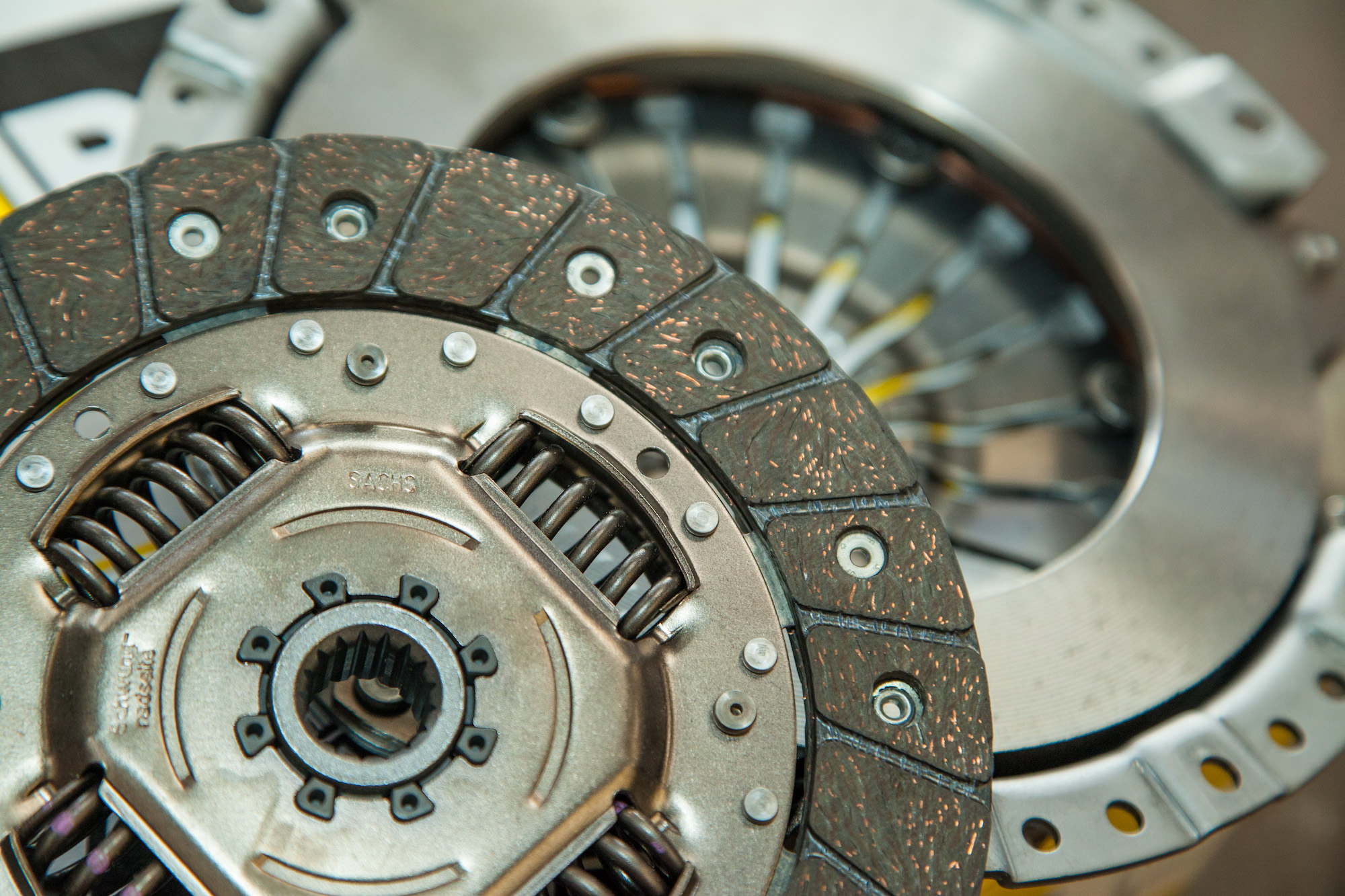
What car clutch slipping means
Car clutch slipping happens when the clutch disc does not press tightly enough against the flywheel. Instead of transferring engine power cleanly to the wheels, the clutch lets part of that power slide away as heat. That is why the engine may sound busy while the car feels slow or lazy.
In a manual transmission, the clutch is the bridge between the engine and the gearbox. When that bridge wears out or loses grip, car clutch slipping becomes more noticeable during acceleration, hill driving, or towing. It can feel a lot like trying to run on a floor that keeps giving way under your feet.
49% off Today's Exclusive Deals
Limited-time Exclusive Deals. Check current discount on Amazon.
Check Price on Amazon As an Amazon Associate I earn from qualifying purchases.A healthy clutch should engage firmly and smoothly. When car clutch slipping starts, that smooth transfer breaks down, and the car begins to feel disconnected.

Common signs of car clutch slipping
The signs of car clutch slipping are usually easy to notice once you know the pattern. Most drivers first feel it in daily driving, not on a test drive or at idle.
Here are the most common symptoms:
49% off Today's Exclusive Deals
Limited-time Exclusive Deals. Check current discount on Amazon.
Check Price on Amazon As an Amazon Associate I earn from qualifying purchases.- Rising engine RPM without matching acceleration. This is the classic sign.
- A burning smell after driving or shifting. That smell often comes from overheated friction material.
- Weak pulling power on hills. The car may struggle even when the engine revs high.
- A high clutch pedal bite point. The clutch may engage near the top of the pedal travel.
- Jerky or delayed acceleration. Power delivery may feel uneven.
- Difficulty passing or merging. The car may respond slower than usual.
I have seen people mistake these signs for “bad fuel” or a “tired engine,” but car clutch slipping usually shows a very specific mismatch: the revs climb, but the road speed does not.
What causes car clutch slipping
Car clutch slipping does not usually happen for one single reason. It often comes from wear, heat, misuse, or a part that is no longer doing its job.
Worn clutch disc
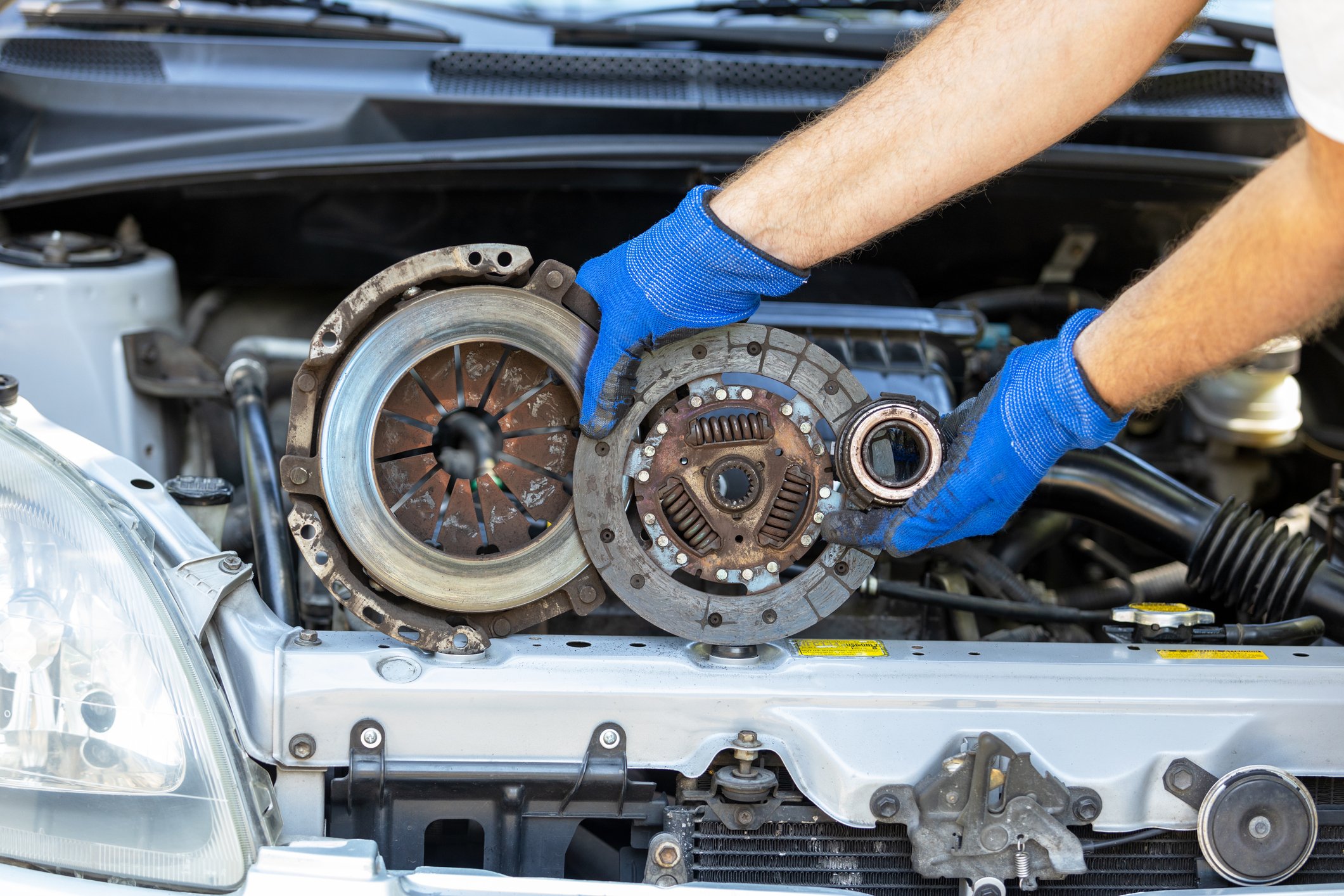
This is the most common cause. The friction material on the clutch disc wears down over time, just like brake pads. Once it gets too thin, the clutch cannot hold power properly.
Oil or fluid contamination
If engine oil, transmission fluid, or grease gets on the clutch disc, it can lose grip fast. Even a small leak can cause car clutch slipping if it reaches the friction surface.
Weak pressure plate
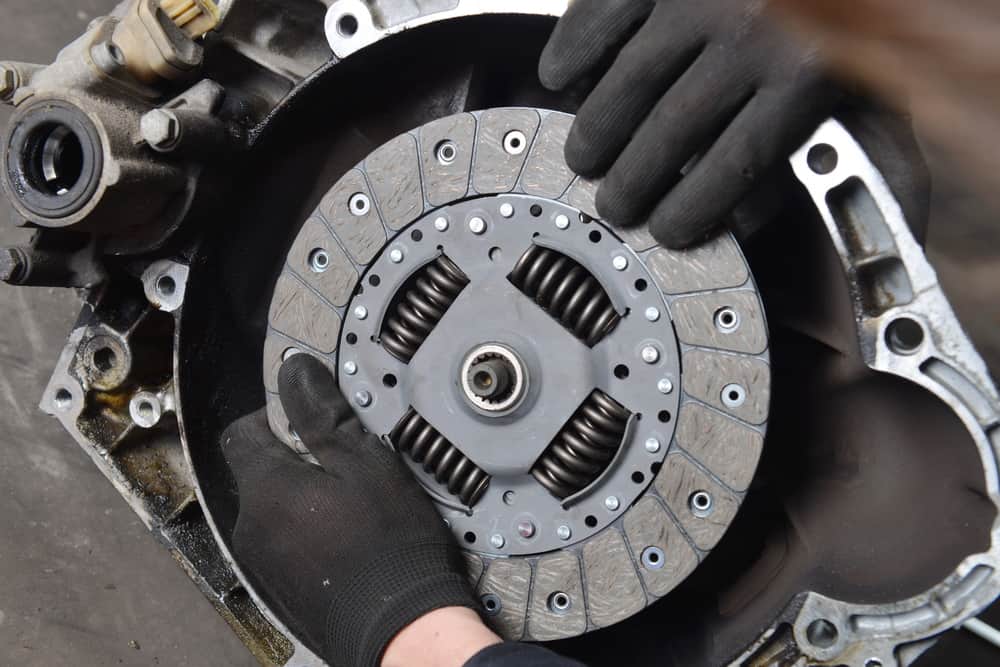
The pressure plate clamps the clutch disc against the flywheel. If its springs or fingers weaken, the clamp force drops and slipping starts.
Damaged flywheel
A warped, glazed, or heat-cracked flywheel can prevent solid contact. In that case, even a new clutch may not work well until the flywheel is repaired or replaced.
Improper driving habits
Riding the clutch, holding the car on hills with the clutch, or launching hard too often can speed up wear. I always tell drivers that the clutch is not a footrest. It is a switch, not a cushion.
Faulty hydraulic system
On hydraulic clutch systems, a bad master cylinder, slave cylinder, or low fluid can prevent full engagement. That can mimic wear and create car clutch slipping symptoms.

How to diagnose car clutch slipping
A simple check can help confirm car clutch slipping before you spend money on parts. These tests are not perfect, but they can point you in the right direction.
Road test clues
Try these signs during normal driving:
- Accelerate in a higher gear, such as third or fourth.
- Watch the tachometer.
- If RPM climbs quickly but speed does not, slipping is likely.
Hill test
Drive up a hill in a normal gear. If the engine revs rise but the car does not pull strongly, that is another red flag. This is one of the easiest real-world checks for car clutch slipping.
Smell and pedal feel
A burnt odor after hard driving often points to clutch heat. A very high pedal engagement point can also suggest wear.
Inspection by a mechanic
A shop can inspect the hydraulic system, clutch wear, flywheel condition, and leakage points. In many cases, a full diagnosis is better than guessing because car clutch slipping can be caused by more than one fault.
One lesson I learned early on is that a clutch problem can look simple from the driver’s seat but be mixed with a leak or hydraulic issue under the hood. That is why a proper inspection matters.
Is it safe to drive with car clutch slipping
Short answer: not for long.
You may still be able to drive, but car clutch slipping usually gets worse under load. The heat buildup can damage the flywheel and pressure plate, which turns a clutch job into a bigger repair. It can also leave you stranded if the clutch fails completely.
If you must drive short distances, keep it gentle. Avoid hard acceleration, steep hills, towing, and stop and go traffic when possible. Think of it like a cracked shoe sole: you might get home, but every step can make the damage worse.

How much car clutch slipping repair usually costs
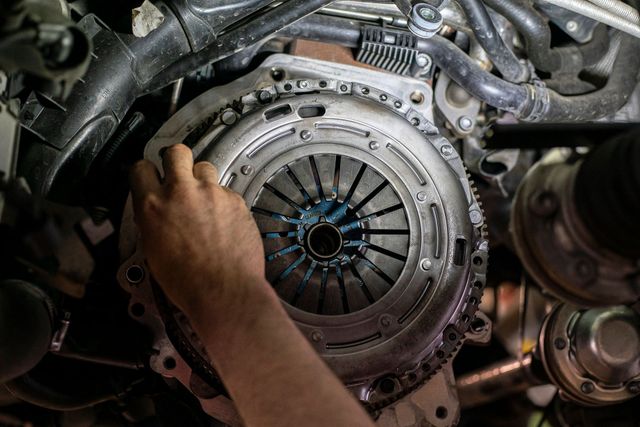
Repair cost depends on the vehicle, the damage, and whether other parts need replacement. A basic clutch replacement often includes the clutch disc, pressure plate, release bearing, and labor. If the flywheel is damaged or the hydraulic parts fail, the cost rises.
Typical cost factors include:
- Vehicle make and model
- Front wheel drive versus rear wheel drive layout
- Parts quality
- Flywheel resurfacing or replacement
- Hydraulic component replacement
- Local labor rates
For many cars, clutch repair can range from a few hundred dollars to well over a thousand. On some vehicles, especially those with tighter packaging or premium parts, the bill can be much higher. Industry repair guides and service data commonly show labor as the biggest cost driver.
How to prevent car clutch slipping
Prevention is often cheaper than repair. A clutch can last a long time if it is used with care and checked when problems first appear.
Here are practical habits that help:
- Fully release the clutch pedal after shifting. Do not rest your foot on it.
- Avoid slipping the clutch on hills. Use the brake or hill-start assist instead.
- Shift smoothly. Do not dump the clutch unless the vehicle is designed for it.
- Fix leaks fast. Oil on the clutch can shorten its life quickly.
- Do not overload the car. Heavy loads increase clutch stress.
- Service the hydraulic system when needed. Low or dirty fluid can cause poor engagement.
- Listen for changes early. Strange smells or higher RPM can be early warnings.
From experience, the drivers who get the longest clutch life are rarely the fastest shifters. They are the smoothest ones.

Related problems that can look like car clutch slipping
Not every power loss means the clutch is bad. A few other issues can feel similar, so it helps to keep an open mind.
Engine power problems
A weak engine, bad spark plugs, clogged fuel filter, or airflow issue can reduce acceleration. In those cases, the RPM response may feel different from true car clutch slipping.
Transmission issues
Worn synchros, gear problems, or low transmission fluid can create shifting trouble. These issues do not always cause slipping, but they can confuse the diagnosis.
Brake drag
If a brake caliper sticks, the car may feel slow and strained. That can be mistaken for clutch trouble, especially when the engine seems fine.
Torque converter slip
In automatic cars, torque converter slip can feel somewhat similar, but it is not a clutch issue. The diagnosis and repair path are different.
Knowing these differences saves time and money. I have seen more than one owner replace parts too early because the real issue was somewhere else.
Frequently Asked Questions
What does a slipping clutch feel like?
A slipping clutch often feels like the engine revs are racing ahead while the car barely speeds up. You may also notice a burning smell or weak acceleration on hills.
Can car clutch slipping fix itself?
No, car clutch slipping does not usually fix itself. If the cause is wear or contamination, it normally gets worse over time and needs repair.
How long can I drive with a slipping clutch?
You might drive for days or weeks, but it is risky to wait too long. Continued slipping creates heat and can damage more parts, which raises the repair cost.
What is the most common reason for car clutch slipping?
The most common reason is a worn clutch disc. Heat, age, and driving style all speed up that wear.
Can low clutch fluid cause slipping?
Yes, in hydraulic clutch systems, low fluid or a leak can keep the clutch from fully engaging. That can create symptoms that feel like slipping.
Do automatic cars have car clutch slipping?
Traditional automatic cars do not use a manual clutch pedal, but they can have similar slip-like symptoms from a torque converter or transmission problem. The fix depends on the system.
Conclusion
Car clutch slipping is one of those problems that starts small but can grow fast if you ignore it. The key signs are easy to remember: rising RPM, weak acceleration, burning smell, and a high pedal bite point. Catching it early can help you avoid extra damage and keep repair costs under control.
If your car is showing any of these symptoms, do not wait too long to inspect it. A simple diagnosis today can save you from a much bigger repair tomorrow. If this guide helped you, keep learning, stay alert to early warning signs, and consider sharing your experience or questions with a trusted mechanic.



One Comment on “Car Clutch Slipping: Symptoms And Fix Guide”