A car battery not charging usually points to a bad alternator, weak battery, or charging system issue.
A car battery not charging can leave you stranded at the worst time, but the good news is that the cause is often easy to narrow down. I have seen this problem show up in everything from older daily drivers to newer cars with smart charging systems, and the fix usually starts with a few simple checks. If you want to understand why a car battery not charging happens, how to test it, and what to do next, this guide walks you through it step by step.

49% off Today's Exclusive Deals
Limited-time Exclusive Deals. Check current discount on Amazon.
Check Price on Amazon As an Amazon Associate I earn from qualifying purchases.
What a car battery actually does
Your battery does more than start the engine. It also powers lights, modules, the radio, and other electronics when the engine is off. Once the engine runs, the alternator takes over and helps keep the battery charged.
A healthy charging system works like a relay team. The battery starts the race, and the alternator keeps it going. If one part drops the baton, you may end up with a car battery not charging even if the battery itself is not fully dead.
49% off Today's Exclusive Deals
Limited-time Exclusive Deals. Check current discount on Amazon.
Check Price on Amazon As an Amazon Associate I earn from qualifying purchases.Here are the main jobs in the system:
- Battery: stores electrical energy and starts the engine
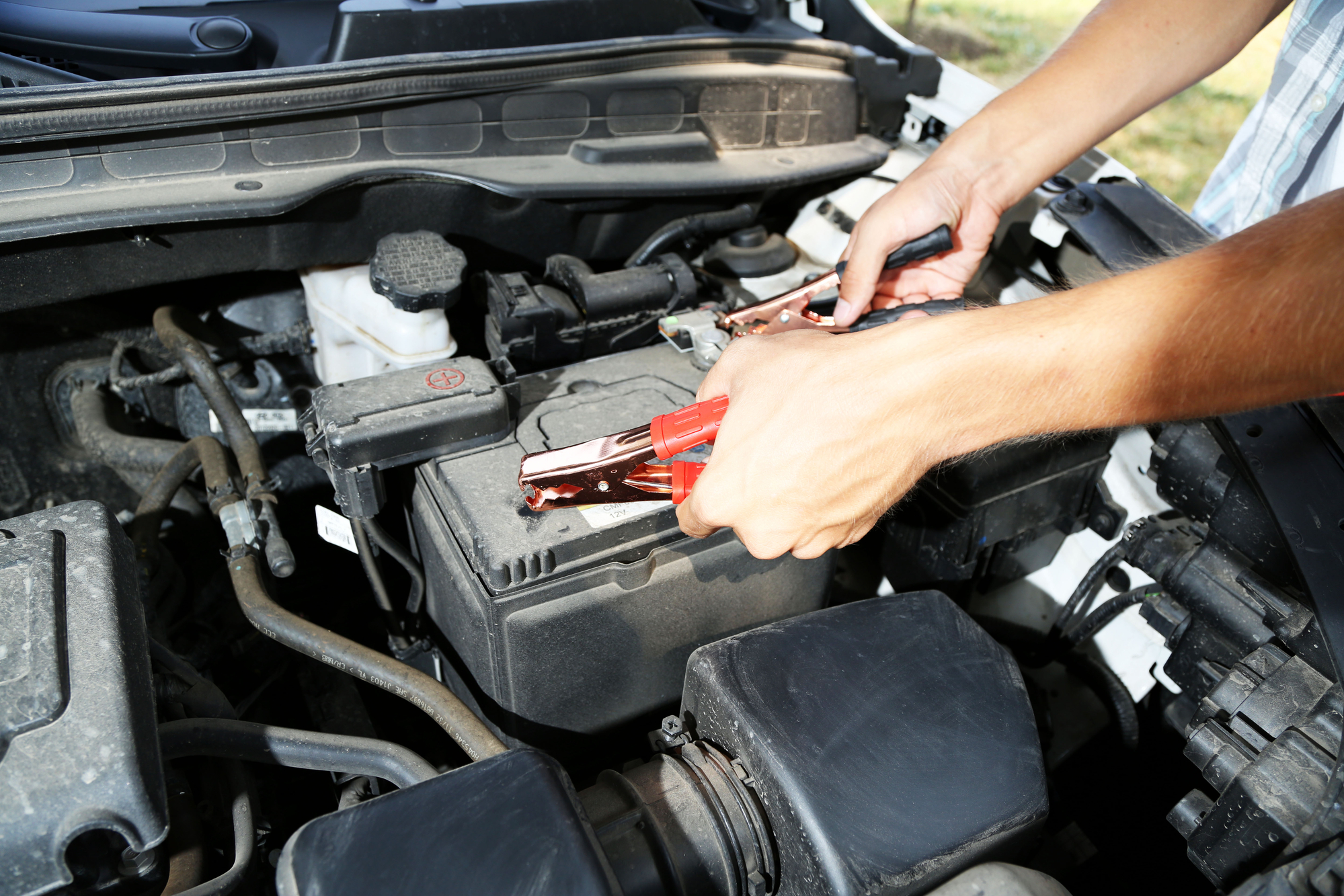
- Alternator: makes electricity while the engine runs
- Serpentine belt: spins the alternator
- Voltage regulator: controls charging output
- Wiring and fuses: carry power safely between parts
When one of these pieces fails, the battery may drain faster than it charges.
Common reasons a car battery not charging happens
A car battery not charging is often a symptom, not the root problem. The battery may be fine, but something else in the charging system is stopping it from recharging properly.
49% off Today's Exclusive Deals
Limited-time Exclusive Deals. Check current discount on Amazon.
Check Price on Amazon As an Amazon Associate I earn from qualifying purchases.The most common causes include:
- Bad alternator: This is one of the top reasons. If the alternator cannot make enough power, the battery will slowly run down.
- Loose or damaged belt: If the belt slips or breaks, the alternator may not spin well enough to charge.
- Corroded battery terminals: White or green buildup can block current flow.
- Failing battery: A worn-out battery may no longer hold a charge.
- Bad wiring or grounds: Broken wires, loose connections, or bad ground straps can interrupt charging.
- Blown fuse or fusible link: Some vehicles use protection parts that can fail and stop charging.
- Faulty voltage regulator: If voltage is too low or too high, the battery can be damaged or undercharged.
- Short trips and light use: If you only drive short distances, the battery may never fully recharge.
In my experience, people often replace the battery first and feel frustrated when the car battery not charging problem comes back. That usually means the alternator, belt, or wiring was the real issue all along.
Signs your battery is not charging
The warning signs are often easy to spot once you know what to look for. A car battery not charging usually gives you clues before it leaves you stuck.
Watch for these symptoms:
- Battery warning light on the dash
- Dim headlights or flickering interior lights
- Slow cranking when starting
- Clicking sound when turning the key
- Electrical features acting weak or strange
- Needing jump starts often
- Burning smell from the engine bay
- Dead battery after driving for a while
If the car starts with a jump but dies again later, that is a strong sign of a charging system problem. A battery alone does not charge itself while driving; the alternator must do the work.
How to diagnose a car battery not charging problem
A careful diagnosis can save time and money. You do not want to guess and replace good parts. Start with the easiest checks first.
1. Check the battery terminals
Look at the battery posts and cable ends. Clean, tight connections matter a lot. Corrosion can create resistance and make it seem like the battery is failing when the real problem is poor contact.
If you see buildup:
- Disconnect the battery safely
- Clean the terminals with a battery brush
- Tighten loose cable ends
- Reconnect securely
This small step fixes more car battery not charging complaints than many people expect.
2. Inspect the serpentine belt
A worn or loose belt can reduce alternator output. If the belt is cracked, glazed, or squealing, it may not be spinning the alternator properly.
Look for:
- Cracks in the belt
- Shiny, worn spots
- Belt noise on startup
- Slippage around the alternator pulley
A belt issue is often simple, but it can cause a major charging problem.
3. Test battery voltage
A digital multimeter is the easiest tool for this. With the engine off, a healthy 12-volt battery usually reads about 12.6 volts when fully charged.
Basic readings to know:
- 12.6 volts or higher: usually fully charged
- Around 12.2 volts: partially charged
- 12.0 volts or lower: weak or discharged
If the battery voltage is low before you even start the engine, the car battery not charging issue may be tied to poor charging or a battery that is near the end of its life.
4. Test charging voltage with engine running
Start the car and check the voltage again at the battery terminals. Most vehicles should show about 13.7 to 14.7 volts while running.
If you see:
- Below about 13 volts: alternator may not be charging enough
- Above about 15 volts: overcharging may be happening
- No change from engine off to engine on: charging system problem is likely
I have seen cases where the battery tested fine, but the alternator output stayed low at idle and dropped even more with the lights on. That is a classic car battery not charging pattern.
5. Check for parasitic drain
Sometimes the battery is charging fine, but something drains it after the car is turned off. This is called parasitic draw.
Common causes include:
- Dome light staying on
- Faulty relay
- Stuck module
- Aftermarket stereo or alarm issue
If the battery keeps dying overnight, the car battery not charging may actually be a battery drain problem instead of a charging problem.
How long should a car battery last?
Most car batteries last about 3 to 5 years, but that depends on climate, driving habits, and maintenance. Hot weather, frequent short trips, and heavy electrical use can shorten battery life.
If your battery is older than 4 years and you are dealing with a car battery not charging issue, age matters. An old battery may still start the car sometimes, but it may fail to hold a proper charge.
Signs your battery may be near the end:
- Slow starts
- Frequent jump starts
- Swollen battery case
- Repeated dead battery episodes
- Trouble holding voltage after charging
A battery can look okay on the outside and still be weak inside. That is why testing matters more than guessing.
Can you drive with a car battery not charging?
You can drive for a short time if the battery still has enough power, but it is risky. Once the battery charge drops too low, the engine may stall and electrical systems may shut down.
You may lose:
- Headlights
- Power steering on some vehicles
- Dashboard electronics
- Fuel injection control
- Ignition support
If the alternator is failing, the battery is the only thing keeping the car alive. That is like trying to run a house on a flashlight battery. It will not last long.
If the battery light comes on while driving, head to a safe place and get the charging system checked as soon as possible.
What to do if your car battery is not charging
The right fix depends on the cause. A methodical approach works best.
Start with these steps:
- Clean and tighten the battery terminals
- Check the belt and pulleys
- Test battery voltage
- Test alternator output
- Inspect fuses and wiring
- Check for battery age and wear
- Test for parasitic drain if needed
If you do not have tools, many auto parts stores can do a basic battery and alternator test for free or at low cost. That can quickly tell you whether the car battery not charging issue is the battery, alternator, or another part of the system.
Repairs and fixes that often solve the problem
Some repairs are simple. Others need a mechanic. The key is matching the fix to the cause.
- Replacing the battery terminals or cleaning corrosion
- Replacing a worn serpentine belt
- Installing a new battery
- Replacing a failing alternator
- Repairing damaged wiring or grounds
- Replacing a blown fuse or fusible link
- Fixing a parasitic drain from a stuck relay or module
One mistake I have seen many times is replacing the battery without testing the alternator. That may work for a few days, then the same car battery not charging issue returns. Testing first usually saves money.
How to prevent a car battery not charging problem
A little care goes a long way. Preventive maintenance can keep the charging system healthy.
Useful habits include:
- Drive the car long enough to recharge the battery
- Keep battery terminals clean
- Replace worn belts on time
- Test the battery before winter and summer
- Avoid leaving lights or accessories on
- Check charging voltage during routine service
- Address dash warning lights early
Think of the battery like a water tank. Short trips and high electrical loads can empty it faster than the alternator can refill it. Regular driving and maintenance help keep the tank full.
When to see a mechanic
Some problems are easy to spot, but not every car battery not charging issue should be handled at home. If the battery light stays on, the car dies after starting, or the alternator test fails, get professional help.
You should also see a mechanic if:
- You smell burning rubber or electrical odor
- The battery keeps dying after replacement
- The vehicle has multiple warning lights
- You suspect wiring damage
- The charging voltage is too high or too low
Modern cars can have smart alternators, battery management sensors, and computer-controlled charging systems. Those systems need proper diagnosis tools, not guesswork.
Frequently Asked Questions
Why is my car battery not charging while driving?
The most common reason is a failing alternator, but a loose belt, bad wiring, or corroded terminals can also cause it. If the battery light is on while driving, the charging system needs to be checked soon.
Can a bad battery cause a car to not charge?
Yes, a weak battery can make the system seem like it is not charging correctly. But if the alternator is working, the battery should still receive charge, so testing both parts is important.
How do I know if it is the alternator or battery?
A battery test and a charging voltage test usually tell the story. If the battery is weak but the alternator output is normal, the battery may be bad; if charging voltage is low, the alternator or its wiring is likely the issue.
Can a fuse stop my car battery from charging?
Yes, a blown fuse or fusible link can interrupt the charging circuit. It is not the most common cause, but it is worth checking if the battery and alternator seem fine.
How long can I drive with a battery that is not charging?
It depends on how much charge is left in the battery, but it may only be a short distance. Once the battery runs out, the engine can stall and the car may stop without warning.
Conclusion
A car battery not charging is usually caused by a problem in the battery, alternator, belt, wiring, or connections. The good news is that most cases can be diagnosed with a few simple checks before you spend money on parts. If you start with the battery terminals, belt, voltage tests, and alternator output, you will usually find the real issue faster.
The smartest move is to act early, because a small charging problem can turn into a roadside breakdown if ignored. If your battery warning light is on or your car keeps needing jump starts, use the steps in this guide and get the system tested soon. If this helped, keep learning, share it with someone who needs it, or leave a comment with your symptoms so you can narrow down the cause.



3 Comments on “Car Battery Not Charging: Causes And Fixes”