Car engine stalling usually means fuel, air, spark, or sensor problems are interrupting smooth operation.
Car engine stalling can be frustrating, stressful, and sometimes even dangerous if it happens in traffic. I’ve seen it happen in everything from older daily drivers to newer cars with stubborn sensor issues, and the pattern is often the same: the engine is trying to run, but something is cutting that balance short. In this guide, I’ll walk you through the real causes of car engine stalling, how to spot the warning signs, and what to do before a small issue turns into a costly repair.

49% off Today's Exclusive Deals
Limited-time Exclusive Deals. Check current discount on Amazon.
Check Price on Amazon As an Amazon Associate I earn from qualifying purchases.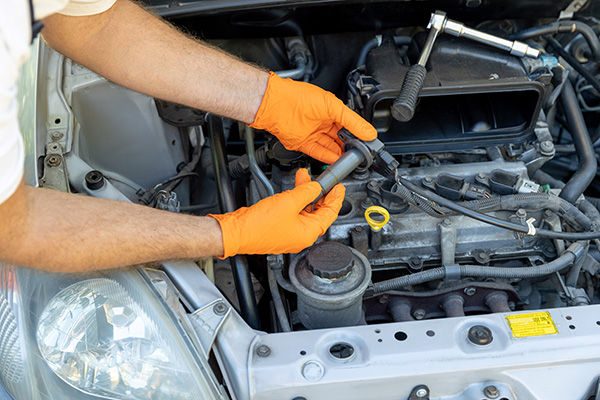
What Car Engine Stalling Means
Car engine stalling happens when the engine suddenly shuts off or loses enough power that it cannot keep running. It may happen while idling, during acceleration, at stoplights, or even while driving at speed. In simple terms, the engine stops getting the conditions it needs to stay alive.
A healthy engine needs the right mix of air, fuel, and spark. If one of those goes out of range, the engine may stumble, shake, or stall. I like to think of it like a three-legged stool. If one leg weakens, the whole thing starts to wobble.
49% off Today's Exclusive Deals
Limited-time Exclusive Deals. Check current discount on Amazon.
Check Price on Amazon As an Amazon Associate I earn from qualifying purchases.Stalling can be minor or serious. Sometimes it is caused by a dirty throttle body or weak battery. Other times it points to a failing fuel pump, a bad crankshaft sensor, or a deeper ignition problem.
Common Causes of Car Engine Stalling
There is no single cause of car engine stalling. That is why diagnosis matters so much. Many drivers replace parts at random, only to find the real issue was something simpler.
Fuel system problems
The engine may stall if it does not get enough fuel. A clogged fuel filter, weak fuel pump, dirty injectors, or bad fuel pressure can all lead to rough running and shutdowns.
Common signs include:
49% off Today's Exclusive Deals
Limited-time Exclusive Deals. Check current discount on Amazon.
Check Price on Amazon As an Amazon Associate I earn from qualifying purchases.- Long cranking before startup
- Loss of power on hills or during acceleration
- Sputtering before the engine dies
- Trouble restarting after the stall
In my experience, fuel-related stalls often show up when the car is under load. The engine may seem fine at idle, then fall flat when you ask for more power.
Air intake and airflow issues
Engines need clean airflow. If the throttle body is dirty, the air filter is packed with debris, or the mass airflow sensor is failing, the air-fuel mix can go off.
This can cause:
- Rough idle
- Hesitation when pressing the gas
- Engine shaking at stoplights
- Sudden stalling with no warning
A dirty throttle body is one of those issues that gets ignored too often. I once saw a car stall every time it came to a stop, and a deep throttle-body cleaning fixed it without replacing any major parts.
Ignition system failures
If spark is weak or inconsistent, the engine can misfire and stall. Faulty spark plugs, worn ignition coils, damaged wires, or distributor issues in older vehicles can all cause trouble.
Watch for:
- Misfire codes
- Check engine light
- Shaking engine
- Poor fuel economy
Spark problems are especially common in cars with overdue maintenance. If plugs are old or coils are weak, the engine may run just well enough to fool you for a while.
Sensor failures
Modern cars depend on sensors to control fuel and spark timing. If a key sensor sends bad data, the engine control unit may make the wrong adjustments.
Important sensors include:
- Crankshaft position sensor
- Camshaft position sensor
- Mass airflow sensor
- Throttle position sensor
- Engine coolant temperature sensor
A failing crankshaft sensor can be a classic cause of stalling. It may let the car run fine for a while, then suddenly cut the engine without much warning. That kind of fault can feel random, which makes it harder to diagnose.
Battery and charging system issues
A weak battery or failing alternator can also lead to stalling, especially in modern cars full of electronics. If voltage drops too low, critical systems may stop working.
Signs may include:
- Dim lights
- Warning lights on the dash
- Electrical glitches
- Car dying after startup or while idling
I’ve seen drivers replace the battery and think the problem is solved, only to have the car stall again because the alternator was not charging properly. That is why testing the full charging system matters.
Vacuum leaks
Vacuum leaks let unmetered air enter the engine. That throws off the air-fuel ratio and can cause rough idle or stalling.
Typical clues:
- High or unstable idle
- Whistling noise
- Engine stalls when stopping
- Lean fuel trim codes
Small vacuum leaks can be sneaky. A cracked hose may look harmless, but it can create a big enough air leak to upset the engine at idle.

Warning Signs Before a Car Engine Stalls
Most stalling problems do not appear out of nowhere. The engine usually gives hints first. Learning those signs can help you catch the issue early.
Look for:
- Engine shaking at idle
- Delayed throttle response
- Warning lights on the dashboard
- Sudden drops in RPM
- Hard starts after the car has been sitting
- Jerking or surging while driving
These symptoms may come and go, which is why people sometimes brush them off. But intermittent problems are often the ones worth paying attention to first.
Why Car Engine Stalling Happens at Idle
A car engine stalling at idle is very common. When the vehicle is stopped, the engine has less help from momentum, so any weakness in fuel, air, spark, or idle control becomes easier to notice.
Frequent idle-related causes include:
- Dirty throttle body
- Bad idle air control valve in older vehicles
- Vacuum leaks
- Weak spark plugs
- Faulty airflow sensor
At idle, the engine is balancing on a very narrow edge. If that balance gets disturbed, the engine can die like a candle in a draft.
Why Car Engine Stalling Happens While Driving
Stalling while driving is more serious because it affects safety. If it happens in traffic, you may lose power steering assist, brake assist, and the ability to keep speed.
Common causes of stalling while driving include:
- Fuel pump failure
- Crankshaft position sensor failure
- Alternator problems
- Severe ignition misfires
- Transmission-related issues in some vehicles
If your car stalls while moving, do not keep driving and hoping it passes. That is the kind of problem that can leave you stuck in the worst possible place.
How to Diagnose Car Engine Stalling
Good diagnosis starts with observation, not guesswork. A careful check can save time and money.
Here is a simple approach:
-
Note when the stall happens
Does it happen at idle, while accelerating, in rain, after warming up, or only when the car is cold? -
Check the dashboard
Look for the check engine light or battery warning light. -
Scan for trouble codes
An OBD2 scanner can reveal sensor and system faults. -
Inspect basic maintenance items
Check the air filter, spark plugs, battery terminals, and visible hoses. -
Test fuel and charging systems
A mechanic can measure fuel pressure and alternator output.
A lot of people skip the first step and jump straight to parts replacement. That is a mistake. The timing of the stall often gives the biggest clue.
What You Can Do Right Away
If your car engine stalling problem is happening now, focus on safety first. If the engine dies in traffic, pull over when it is safe and turn on your hazard lights.
Practical steps include:
- Restart the car and see if it runs normally
- Avoid hard acceleration until the issue is checked
- Do not keep driving if the stall is frequent
- Check for obvious loose battery cables or cracked hoses
- Read trouble codes if you have a scanner
If the car stalls repeatedly, get it inspected soon. A small fault can grow into a bigger one if you keep driving on it.
Preventing Car Engine Stalling
Prevention is often cheaper than repair. Regular maintenance keeps the engine stable and helps you avoid surprise breakdowns.
Good habits include:
- Changing spark plugs on schedule
- Replacing the air filter regularly
- Cleaning the throttle body when needed
- Keeping the battery and charging system in good shape
- Fixing check engine lights early
- Using quality fuel from trusted stations
I’ve noticed that cars with consistent maintenance rarely have dramatic stalling problems. They may still develop issues over time, but the warning signs usually appear earlier and are easier to catch.
When You Should See a Mechanic
Some stalls can wait a day. Others should not. If the engine shuts off often, stalls in traffic, or refuses to restart, it is time for professional help.
You should get the car checked if:
- The stall happens more than once
- The check engine light is on
- The car runs rough before dying
- You smell fuel or burning
- The battery light or oil light appears
A trained technician can test systems more accurately than a guess-and-replace approach. That matters because many stalling problems overlap, and one symptom can point to several possible causes.
Car Engine Stalling and Related Problems
Car engine stalling is often connected to other drivability issues. These can include rough idle, hesitation, surging, misfires, poor fuel economy, and hard starting.
Related problems worth knowing about:
- Engine misfire: one or more cylinders are not firing correctly
- Rough idle: engine speed is unstable when stopped
- Hesitation: delay when pressing the gas pedal
- Surging: engine RPM rises and falls on its own
- Limp mode: the car reduces power to protect the engine
Understanding these related symptoms makes diagnosis easier. It is like connecting dots instead of staring at one dot and guessing.
Frequently Asked Questions About Car Engine Stalling
Why does my car engine stall when I stop at a light?
This often points to an idle air, airflow, vacuum leak, or sensor problem. Dirty throttle bodies and weak spark plugs are also common causes.
Can a bad battery cause car engine stalling?
Yes, especially if the battery or alternator cannot supply steady voltage. Modern cars rely on stable electrical power for fuel and ignition control.
Is car engine stalling expensive to fix?
It depends on the cause. A simple cleaning or sensor replacement may be affordable, while fuel pump or wiring repairs can cost more.
Can low fuel cause engine stalling?
Yes, but usually only when the fuel level is very low or the fuel system already has a problem. A weak pump or clogged filter can make this worse.
Should I keep driving if my car engine stalls once?
If it happens only once and the car seems normal afterward, you may drive cautiously to a repair shop. If it happens again, do not ignore it, because the problem may be unsafe.
Conclusion
Car engine stalling is more than an annoyance. It is a warning sign that something in the fuel, air, spark, sensor, battery, or charging system is not working the way it should. The good news is that many stall problems can be fixed once you understand the pattern and avoid random part swapping.
Pay attention to the symptoms, keep up with maintenance, and act early when the engine starts to hesitate or die. If your car has been stalling lately, use the clues in this guide to narrow down the cause and get it checked before the problem gets worse.