Sports cars have always captured the imagination of car lovers around the world. They promise speed, style, and a unique driving experience that regular cars simply cannot match. When you see a sports car on the road, you can’t help but turn your head.
But what exactly is a sports car? And what are the different types you’ll find today? The world of sports cars is more diverse than many realize. From classic coupes to modern electric supercars, each type offers something special. If you’re thinking about buying your first sports car or just want to understand the variety, this guide will walk you through the main types, their differences, and what makes each one stand out.

49% off Today's Exclusive Deals
Limited-time Exclusive Deals. Check current discount on Amazon.
Check Price on Amazon As an Amazon Associate I earn from qualifying purchases.You’ll discover why some cars are called “muscle cars,” what makes a roadster different from a coupe, and much more. By the end, you’ll see sports cars in a whole new light.
What Defines A Sports Car?
Most people recognize a sports car when they see one, but the definition can be tricky. At its core, a sports car is designed for performance, agility, and excitement. These vehicles often have two doors, a low stance, and a focus on fast acceleration and sharp handling. However, not all sports cars fit the same mold. Some have four seats, some are built for the track, while others can be driven every day.
Key features often include:
49% off Today's Exclusive Deals
Limited-time Exclusive Deals. Check current discount on Amazon.
Check Price on Amazon As an Amazon Associate I earn from qualifying purchases.- Lightweight construction for better speed and agility
- Powerful engines that deliver quick acceleration
- Rear-wheel drive (though not always)
- Responsive handling with sport-tuned suspension
- Aerodynamic design to reduce drag and improve stability
The sports car world also includes models with hybrid or electric powertrains, showing how the definition continues to evolve.
Major Types Of Sports Cars
Let’s explore the main types of sports cars you’ll find in the market today. Each type has its own history, design focus, and driving experience.
1. Classic Sports Coupes
The sports coupe is often what people picture when they think of a sports car. Coupes usually have two doors, a fixed roof, and a sloping rear. They balance performance with style and are made for both daily driving and weekend fun.
Examples: Porsche 911, Nissan 370Z, Toyota Supra
49% off Today's Exclusive Deals
Limited-time Exclusive Deals. Check current discount on Amazon.
Check Price on Amazon As an Amazon Associate I earn from qualifying purchases.Key traits:
- Two-door design
- Seating for two or four
- Emphasis on driver engagement
- Balanced weight distribution
Sports coupes are popular because they blend everyday usability with thrilling performance. The Porsche 911, for example, has been in production since 1964 and is still considered one of the best-handling cars ever made.
2. Roadsters And Convertibles
A roadster is a two-seat, open-top sports car. Convertibles, sometimes called cabriolets, have a retractable roof and may offer two or four seats. These cars are all about enjoying the drive with the wind in your hair.
Examples: Mazda MX-5 Miata, BMW Z4, Jaguar F-Type Convertible
Key traits:
- Open-top driving
- Lightweight and nimble
- Usually two seats
- Focus on fun rather than pure speed
The Mazda MX-5 Miata is a classic example. It’s famous for its light weight and simple design. Roadsters are great for sunny days and twisty roads, but their soft tops may not be ideal for all weather.
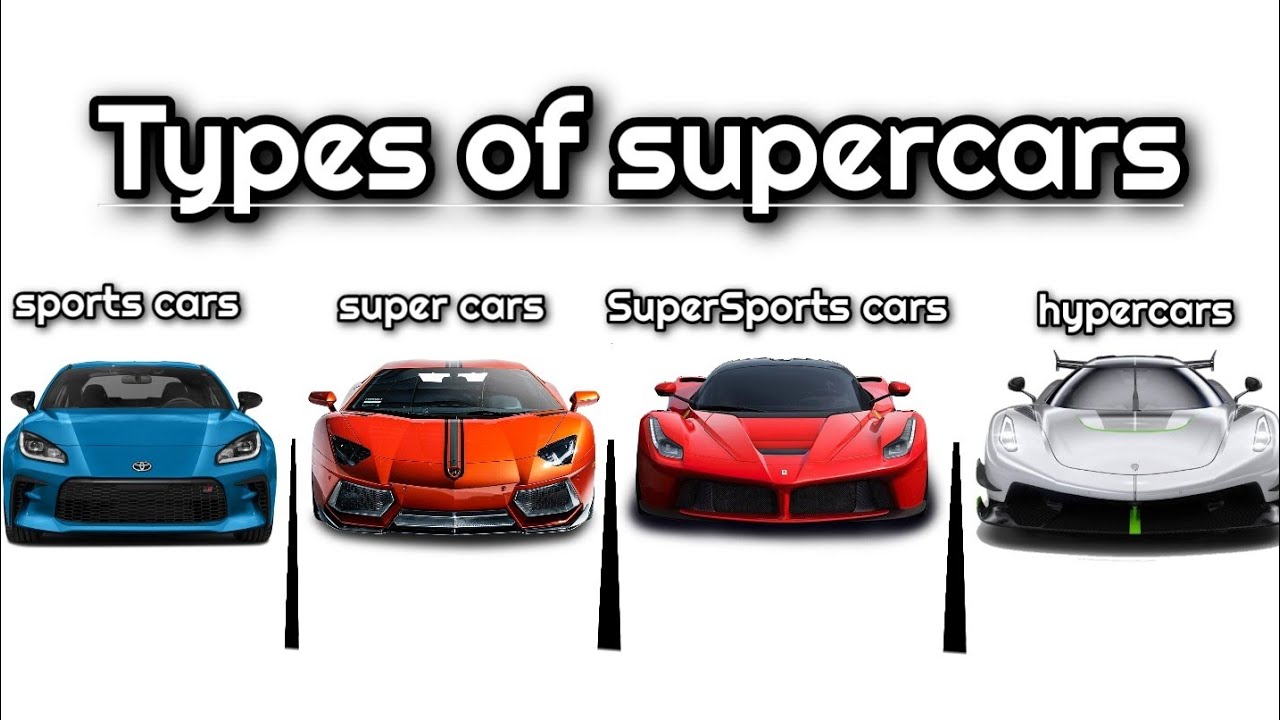
3. Supercars
Supercars push the limits of speed, design, and technology. They are often very expensive, rare, and built for extreme performance. These cars can reach speeds well over 200 mph and use cutting-edge materials like carbon fiber.
Examples: Ferrari 488 GTB, Lamborghini Huracán, McLaren 720S
Key traits:
- Exotic styling
- Very high horsepower
- Advanced aerodynamics
- Expensive and exclusive
Supercars often serve as the “halo” models for their brands. While they look amazing and are incredibly fast, they can be hard to drive on city roads and are costly to maintain.
4. Muscle Cars
The muscle car is an American classic. These cars have large, powerful engines and a straightforward, aggressive design. They’re usually coupes with rear-wheel drive and focus on straight-line speed.
Examples: Ford Mustang, Chevrolet Camaro, Dodge Challenger
Key traits:
- Big V8 engines
- Affordable performance
- Bold styling
- Focus on acceleration over handling
Muscle cars are often more affordable than European sports cars. They have a raw, exciting character that many drivers love. However, they are heavier and less agile than some other sports cars.
5. Hot Hatches
A hot hatch is a sporty, high-performance version of a hatchback. These cars are practical, with usable back seats and cargo space, but pack enough power to be fun on the road or track.
Examples: Volkswagen Golf GTI, Ford Focus ST, Honda Civic Type R
Key traits:
- Hatchback body style
- Turbocharged engines
- Front-wheel or all-wheel drive
- Everyday usability
Hot hatches are perfect for people who want a sporty drive but need a car for daily life. They’re also popular for their lower cost compared to traditional sports cars.
6. Grand Tourers (gt Cars)
Grand tourers, or GTs, are made for high-speed, long-distance driving. They combine comfort and luxury with sports car performance. GT cars often have more space and advanced features compared to pure sports cars.
Examples: Aston Martin DB11, Bentley Continental GT, Mercedes-AMG GT
Key traits:
- Powerful engines
- Luxury interiors
- Room for luggage
- Smooth ride for long trips
GT cars are heavier and less sharp in corners but are perfect for long drives across countries or continents. They offer a different kind of performance—fast, but also refined.
7. Track-focused Cars
Some sports cars are built mainly for the race track. These track-focused cars may be street-legal, but they prioritize lap times over comfort. They use lightweight materials, roll cages, and big wings for downforce.
Examples: Porsche 911 GT3 RS, Lotus Exige, Chevrolet Corvette Z06
Key traits:
- Lightweight and stripped-down
- Stiff suspension
- High-revving engines
- Minimal comfort features
Track-focused cars are thrilling for skilled drivers but can be too harsh for everyday streets. They’re popular among enthusiasts who do track days.
8. Targa And T-top Cars
A targa features a removable roof panel, while a T-top has two removable sections above the driver and passenger. These designs let you enjoy open-air driving without losing the strength of a solid roof.
Examples: Porsche 911 Targa, Chevrolet Corvette T-Top (classic models)
Key traits:
- Removable roof sections
- More structural rigidity than convertibles
- Classic design appeal
While less common today, Targa and T-Top cars offer a unique blend of coupe and convertible features.
9. Electric And Hybrid Sports Cars
The sports car world is changing with the rise of electric and hybrid technology. Electric sports cars deliver instant torque, while hybrids use both gas and electric power for better performance and efficiency.
Examples: Tesla Roadster (upcoming), Porsche Taycan, BMW i8
Key traits:
- Instant acceleration
- Low emissions
- High-tech features
- Silent operation
Electric sports cars can outperform gas models in some ways, but battery weight and range are still challenges. The Porsche Taycan, for example, is one of the fastest-accelerating four-door cars in the world.
10. Kit Cars And Replica Sports Cars
Kit cars let you build your own sports car from a kit, often using parts from other vehicles. Replica cars copy the look of famous classics but use modern parts.
Examples: Factory Five Cobra Replica, Caterham Seven
Key traits:
- Customizable and affordable
- DIY building experience
- Often lightweight and simple
Kit and replica cars are popular among hobbyists. They offer a unique experience, but the final result depends on the builder’s skill and the parts used.
—
Credit: www.youtube.com
Comparing Sports Car Types
To help you see the main differences between sports car types, here’s a simple comparison.
| Type | Seats | Engine | Main Focus | Price Range |
|---|---|---|---|---|
| Coupe | 2-4 | Gasoline | Balance | $30k–$150k |
| Roadster/Convertible | 2 | Gasoline | Fun driving | $28k–$120k |
| Supercar | 2 | High-performance | Extreme speed | $200k–$3M+ |
| Muscle Car | 2-4 | V8 | Power/acceleration | $28k–$80k |
| Hot Hatch | 4-5 | Turbo 4-cyl | Practicality | $25k–$45k |
| GT (Grand Tourer) | 2-4 | V6/V8/V12 | Luxury & speed | $90k–$350k |
| Track-focused | 2 | High-rev | Lap times | $90k–$250k |
| Electric/Hybrid | 2-4 | Electric/Hybrid | Tech & speed | $55k–$250k |
| Kit/Replica | 2 | Varies | Customization | $20k–$60k+ |
Key Factors That Set Sports Cars Apart
Understanding the differences between sports car types is useful, but what really sets them apart? Let’s look closer at the factors that make sports cars unique.
Performance
Sports cars are built for performance. This means quick acceleration, powerful brakes, and the ability to handle corners at high speed. Some focus on straight-line speed (like muscle cars), while others excel in handling (like roadsters and track cars).
- 0-60 mph times: Supercars can do this in under 3 seconds. Hot hatches may take 5–6 seconds.
- Top speed: Supercars reach over 200 mph. Muscle cars and coupes usually top out between 120–180 mph.
- Handling: Roadsters, coupes, and track-focused models have advanced suspensions for sharp turns.
Engine And Powertrain
The engine is at the heart of every sports car. You’ll find many types: turbocharged four-cylinders, big V8s, V12s, and now electric motors.
- Muscle cars use large displacement V8s for big horsepower.
- Hot hatches use small, turbocharged engines for efficiency and fun.
- Electric sports cars use multiple motors for instant power.
The layout matters, too:
- Front-engine: Most muscle cars and hot hatches
- Mid-engine: Many supercars (engine behind driver but in front of rear axle)
- Rear-engine: Porsche 911
- All-wheel drive: Some GTs and hot hatches for better grip
Weight And Materials
Lightweight cars are usually more agile. Sports cars use materials like aluminum, carbon fiber, and composites to keep weight down.
- Supercars: Carbon fiber bodies and chassis
- Roadsters: Minimal features to reduce weight
- Hot hatches: Heavier due to more features and seats
Cutting weight improves acceleration, braking, and cornering.
Design And Aerodynamics
Sports cars are designed to cut through the air. Aerodynamics affect speed, stability, and even fuel efficiency.
- Supercars: Large rear wings, diffusers, and active aerodynamics
- GTs: Sleek lines for high-speed comfort
- Hot hatches: Smaller spoilers, focus on practicality
Non-obvious insight: Some sports cars use “active” aerodynamics. For example, the Bugatti Chiron raises its rear wing at speed for extra stability, then lowers it for better fuel economy.
Driving Experience
A big reason people love sports cars is the driving experience. Low seating, precise steering, and the sound of a high-revving engine all add to the excitement.
- Manual transmissions are common in roadsters and some coupes, giving more control.
- Dual-clutch automatics are popular in supercars for lightning-fast shifts.
- Electric sports cars are quiet but offer instant acceleration.
Non-obvious insight: Some track-focused cars come without air conditioning or radios to save weight, showing just how dedicated they are to performance.
Credit: luxurysupercarsdubai.com
Sports Cars Vs. Other Performance Cars
Not every fast car is a sports car. Let’s compare sports cars to other performance vehicles.
| Category | Body Style | Main Use | Examples |
|---|---|---|---|
| Sports Car | Coupe, convertible, roadster | Fun, performance | Mazda MX-5, Porsche 911 |
| Sports Sedan | Four-door sedan | Performance + space | BMW M3, Alfa Romeo Giulia Quadrifoglio |
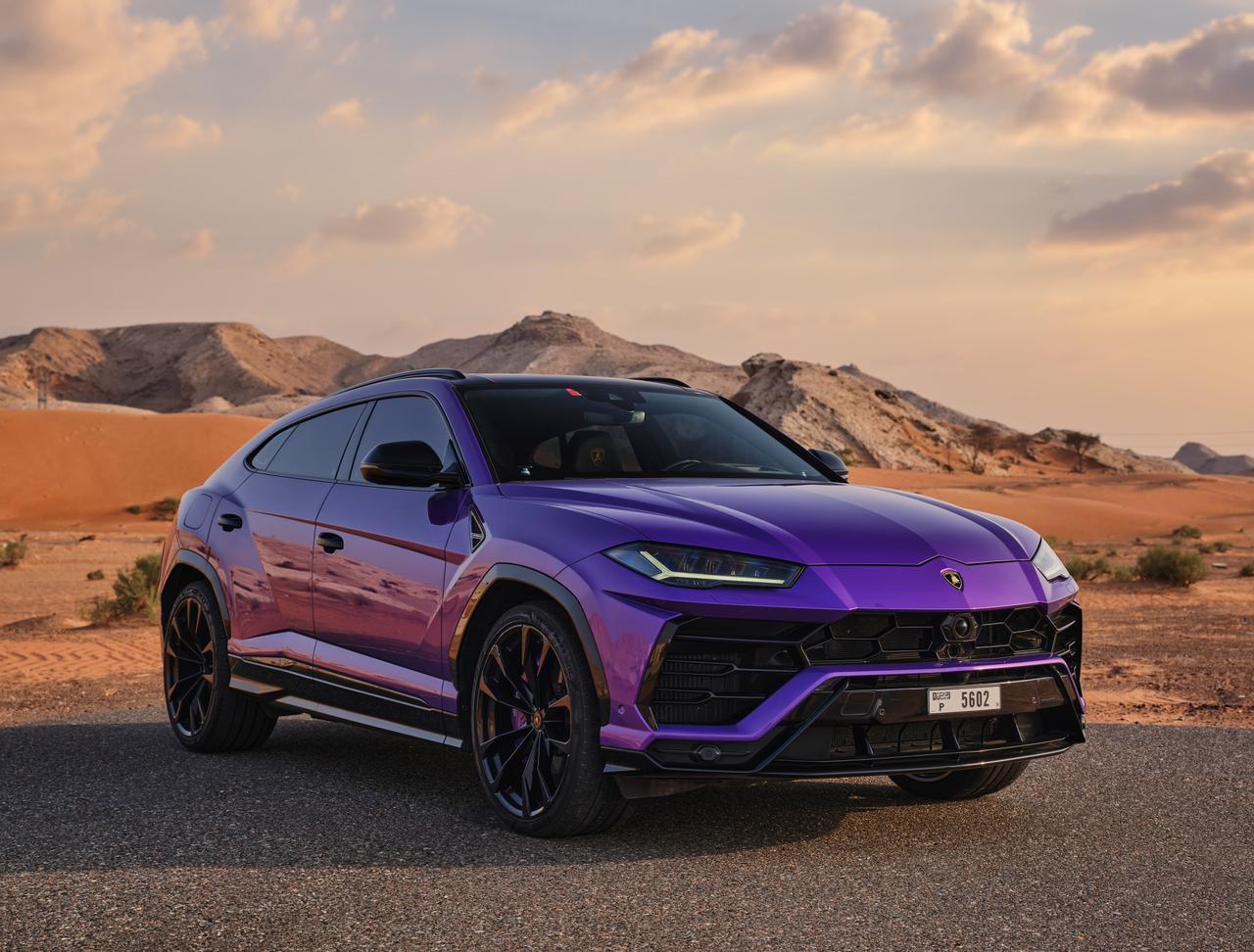
| Performance SUV | SUV | Utility + speed | Lamborghini Urus, Porsche Cayenne Turbo |
| Supercar | Exotic coupe | Extreme speed | Ferrari 488, McLaren 720S |
Sports cars are usually smaller, lighter, and more focused on driver fun. Sports sedans and performance SUVs offer more practicality but are less agile.
Choosing The Right Type Of Sports Car
If you’re thinking about buying a sports car, there are some important things to consider. The right choice depends on your budget, needs, and driving style.
Important Questions To Ask
- How will you use the car?
- Daily driving, weekend fun, or track days?
- Do you need more than two seats?
- Coupes, hot hatches, and some GTs offer rear seats.
- What’s your budget?
- Hot hatches and muscle cars are more affordable.
- Supercars and GTs are much more expensive.
- Manual or automatic transmission?
- Some sports cars no longer offer manuals.
- New or used?
- Used sports cars can offer great value but may cost more to maintain.
Common Mistakes To Avoid
- Ignoring practicality: Many sports cars have small trunks and little room for passengers.
- Overlooking maintenance costs: High-performance cars often have expensive parts and require special service.
- Buying more car than you need: Supercars are amazing but can be hard to use on normal roads.
- Not considering insurance: Sports cars often cost more to insure, especially for young drivers.
Tip: Test drive several types before deciding. The way a car feels behind the wheel is hard to judge from pictures or stats.
The Evolution Of Sports Cars
Sports cars have changed a lot over the decades. Early models like the Jaguar E-Type or Chevrolet Corvette focused on simple fun and style. In the 1980s and 1990s, technology improved, bringing faster and safer cars.
Today, sports cars use advanced electronics, lightweight materials, and even electric powertrains. The line between sports car types is also blurring, as some hot hatches are as fast as old supercars, and electric cars are rewriting the rules for acceleration.
Future trends include:
- More electric and hybrid models
- Advanced driver aids (traction control, launch control)
- Lighter materials like carbon composites
- Customization through software updates
As rules about emissions get stricter, expect more sports cars to use electric power or hybrid systems.
Notable Sports Cars Through History
Looking back, some sports cars changed the industry. Here are a few highlights:
- Mazda MX-5 Miata: The world’s best-selling roadster, famous for simple fun.
- Porsche 911: Over 1 million built, with a unique rear-engine layout.
- Ford Mustang: The original pony car, still going strong after 60 years.
- Lamborghini Miura: Considered the first true supercar.
- Ferrari F40: The last car approved by Enzo Ferrari, a legend among supercars.
- Tesla Roadster: The first electric sports car to get global attention.
Many of these icons influenced the cars we see today.
Credit: sapphireexecutivetravel.com
Sports Car Culture
Owning a sports car is about more than just driving. There’s a big community of enthusiasts who love to talk cars, join clubs, and attend events.
Car Clubs And Track Days
Most sports car owners join local or national clubs. These groups offer:
- Meetups and drives
- Track days at race circuits
- Technical support and advice
- Access to exclusive events
Track days let you safely push your car to the limit, learning your own and your car’s abilities.
Car Shows And Media
There are car shows just for sports cars, like Concours d’Elegance events. Magazines and YouTube channels also review and celebrate sports cars, helping fans keep up with trends and technology.
Tip: If you want to learn more, check out resources like Wikipedia’s sports car entry for a deeper dive.
Frequently Asked Questions
What Is The Difference Between A Sports Car And A Supercar?
A sports car focuses on fun, agility, and performance, and is often more affordable. A supercar takes everything to a higher level: more power, exotic materials, and higher price tags. Supercars are usually rarer and faster, but less practical for daily driving.
Can You Use A Sports Car Every Day?
Some sports cars, like hot hatches and certain coupes, are practical enough for daily use. Others, such as track-focused or supercars, may be uncomfortable or costly to drive every day due to low ground clearance, stiff suspension, or high maintenance.
Are Electric Sports Cars As Good As Gasoline Models?
Electric sports cars offer very quick acceleration and quiet operation. However, they may feel different due to their weight and lack of engine sound. Battery range and charging time are still concerns, but technology is improving quickly.
Do Sports Cars Hold Their Value?
Some sports cars, especially limited editions or classic models, can hold their value or even appreciate. Most, however, depreciate like regular cars. Factors include the brand, condition, mileage, and demand among collectors.
What Should Beginners Look For In Their First Sports Car?
Beginners should focus on cars with balanced handling, reasonable power, and good reliability. Models like the Mazda MX-5 Miata, Toyota 86, or Volkswagen Golf GTI are popular choices. Look for something affordable to maintain and insure, and always test drive before buying.
Sports cars aren’t just about speed—they’re about passion, engineering, and the love of driving. No matter which type you choose, owning one can turn even a simple drive into something special.