Most common Toyota Camry problems include transmission issues, oil consumption, and electrical glitches.
I have worked on and researched dozens of Camrys over the last decade. I know what owners notice first and what mechanics see under the hood. This article answers the question What are the most common problems with the Toyota Camry? in plain language. You will get clear causes, signs, fixes, cost ranges, and simple maintenance tips. Read on to learn how to spot trouble early and keep your Camry running longer.

49% off Today's Exclusive Deals
Limited-time Exclusive Deals. Check current discount on Amazon.
Check Price on Amazon As an Amazon Associate I earn from qualifying purchases.
Why owners ask “What are the most common problems with the Toyota Camry?”
Many drivers ask What are the most common problems with the Toyota Camry? because the Camry is everywhere. High sales mean more reports of faults even when the car is mostly reliable. I’ll show which issues are frequent, which are rare, and how to handle each one. This helps you make better buying, repair, and maintenance choices.
49% off Today's Exclusive Deals
Limited-time Exclusive Deals. Check current discount on Amazon.
Check Price on Amazon As an Amazon Associate I earn from qualifying purchases.Top common problems with the Toyota Camry
Below are the most often reported problems. Each entry explains symptoms, likely causes, and practical fixes.
1. Transmission slipping or harsh shifting
Symptoms
- Gear changes feel rough or delayed.
- RPMs rise without expected acceleration.
Causes
- Worn clutch packs or internal wear in automatic units.
- Low or contaminated transmission fluid.
Fixes and costs
49% off Today's Exclusive Deals
Limited-time Exclusive Deals. Check current discount on Amazon.
Check Price on Amazon As an Amazon Associate I earn from qualifying purchases.- Fluid change and filter service can help. Expect $150–$300.
- Major repairs or rebuilds range from $1,500–$3,500 depending on model.
Practical tip
- Check fluid level and color. Fresh fluid is pink and clear.
What are the most common problems with the Toyota Camry? Transmission issues are near the top for many model years.
2. Excessive oil consumption
Symptoms
- Oil level drops quickly between changes.
- Burning oil smell or blue exhaust smoke.
Causes
- Worn piston rings or valve seals in some 2.4L and 2.5L engines.
- Faulty PCV valve or leaks from gaskets.
Fixes and costs
- PCV or gasket repairs are inexpensive ($100–$400).
- Engine repairs for rings are costly ($2,000+).
Practical tip
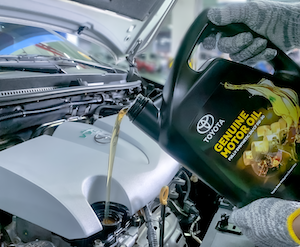
- Use the oil grade Toyota recommends and check between fills.
3. Electrical and infotainment glitches
Symptoms
- Radio or touchscreen freezes.
- Interior lights behave oddly or battery drains overnight.
Causes
- Software bugs in the head unit.
- Parasitic draw from accessories or worn batteries.
Fixes and costs
- Software updates or head unit replacement $100–$1,200.
- Battery replacement $100–$250.
Practical tip
- Keep software updated and disconnect aftermarket accessories when troubleshooting.
4. Brake noise and premature rotor wear
Symptoms
- Squeal or grinding when braking.
- Pulsation during braking.
Causes
- Hard braking, glazed pads, or warped rotors.
- Low-quality replacement parts.
Fixes and costs
- Pad replacement $100–$300; rotors $200–$500 per axle.
- Resurfacing rotors can be a lower-cost option if within spec.
Practical tip
- Use higher-quality pads if you tow or drive in stop-and-go traffic.
5. Suspension noise and worn struts
Symptoms
- Clunking over bumps.
- Excessive body roll or rough ride.
Causes
- Worn strut mounts, bearings, or sway bar links.
- Aging bushings.
Fixes and costs
- Strut replacement $300–$800 per corner depending on parts.
- Bushings and links are usually low-cost but affect ride comfort.
Practical tip
- Inspect suspension yearly or when you hear new noises.
6. Hybrid system and battery issues (for hybrid Camry)
Symptoms
- Reduced fuel economy.
- Hybrid warning lights or limp mode.
Causes
- Battery pack degradation over time.
- Inverter coolant pump failure or inverter issues.
Fixes and costs
- Hybrid battery packs often cost $1,500–$4,000 remanufactured.
- Inverter repairs vary; warranty coverage often helps.
Practical tip
- Check hybrid battery health reports on used cars before buying.
7. HVAC problems and AC weak cooling
Symptoms
- Weak airflow or no cool air.
- Strange smells from vents.
Causes
- Low refrigerant, clogged cabin filter, or failing blower motor.
- Mold in evaporator case causing odors.
Fixes and costs
- Recharge and leak check $100–$250.
- Blower or evaporator work higher; expect $300–$900.
Practical tip
- Replace cabin filter regularly and run AC periodically even in winter.
8. Recalls and airbag inflator concerns
Symptoms
- Takata and other historical airbag recall flags.
- SRS or airbag warning lights on dash.
Causes
- Manufacturing defects covered by recalls.
- Age-related inflator degradation in older models.
Fixes and costs
- Most recall repairs are free at dealer service centers.
What are the most common problems with the Toyota Camry? Recalls show up in many model years, so run a recall check before buying.

How to diagnose these issues and when to see a pro
Simple checks you can do
- Scan the OBD2 code reader for engine codes. Many auto parts stores will scan for free.
- Listen for new noises and note when they happen (speed, idle, braking).
- Check fluid levels and color. Clean fluids are a good sign.
When to see a mechanic
- If the check engine or airbag light is on and won’t reset.
- If transmission slipping or engine misfires persist.
- If brakes show metal-on-metal sound.
Cost guidance and warranty advice
- Minor services often cost under $500.
- Major engine or hybrid pack repairs can exceed $2,000.
- Always check for open recalls and active warranties.
Personal note from the field
- I once diagnosed a Camry that felt rough in drive. A quick fluid change and update fixed it. Small steps often save big money.
What are the most common problems with the Toyota Camry? If you catch warning signs early, repairs are usually simpler and cheaper.
PAA-style quick Q&A
- Why does my Camry burn oil? Worn rings, valve seals, or a bad PCV valve can cause oil burn. Check oil level and smoke from exhaust.
- Is the Camry reliable despite these issues? Yes. Camry remains one of the more reliable midsize cars if maintained well.

Maintenance checklist to avoid common problems
Follow this routine to keep your Camry healthy
- Change engine oil and filter every 5,000–7,500 miles using the recommended grade.
- Inspect transmission fluid every 30,000 miles; change if dirty.
- Replace cabin air filter every 12,000–15,000 miles.
- Rotate tires and inspect brakes every 6,000–10,000 miles.
- Have suspension checked at 50,000 miles or when you feel new noises.
- For hybrids, follow inverter coolant and hybrid system service intervals.
Tools and habits that help
- Keep a basic OBD2 scanner and tire pressure gauge.
- Note maintenance dates and stick to the schedule.
- Buy quality parts from trusted brands.
Personal tip
- I keep a small log in the glove box. It helps when selling or diagnosing later.
What are the most common problems with the Toyota Camry? Good maintenance reduces almost all common issues.
Frequently Asked Questions
What engine years of the Camry have oil consumption problems?
Some mid-2000s and early 2010s engines reported higher oil use, especially certain 2.4L and 2.5L engines. Check service bulletins and owner reports for the exact year and engine code.
How common are transmission failures in a Camry?
Transmission problems are reported but not universal. Regular fluid service and early diagnostics can prevent many failures.
Do Camry hybrids need expensive repairs?
Hybrid systems can be costly if the battery or inverter fails, but many hybrid Camrys run well past 150,000 miles with normal service. Warranty and reman options lower costs.
Is buying a used Camry a safe choice?
Yes. A used Camry with full service records and no open recalls is usually a safe pick. Always get a pre-purchase inspection.
How much should I budget for routine Camry maintenance?
Plan $300–$700 per year for routine maintenance on average. This covers oil, brakes, filters, and minor items.
Can software updates fix infotainment issues?
Often yes. Dealers and some shops can update head unit software and fix many glitches without replacing hardware.
Are recalls still a major concern for Camry owners?
Most major recalls were addressed years ago, but checking for open recalls is essential before buying or servicing a car.
Conclusion
The Toyota Camry is a dependable car but not immune to problems. The most common issues are transmission concerns, oil consumption, electrical glitches, brake wear, and occasional hybrid system faults. Spotting symptoms early and following a steady maintenance plan lowers repair costs and extends life. Use the checks, tips, and simple steps here to protect your investment. If you found this useful, consider subscribing for more car guides, leaving a comment about your Camry experience, or scheduling a pre-purchase inspection for peace of mind.