Common issues include transmission failure, oil consumption, electrical glitches, AC, and suspension wear.
I have worked on dozens of Accords as a mechanic and owner. I will walk you through the most common problems with the Honda Accord, why they happen, how to spot them, and practical fixes. Read on for clear, usable advice based on hands-on experience and industry knowledge.

49% off Today's Exclusive Deals
Limited-time Exclusive Deals. Check current discount on Amazon.
Check Price on Amazon As an Amazon Associate I earn from qualifying purchases.
Overview: Why the most common problems with the Honda Accord matter
The Honda Accord is a top-selling car known for longevity and value. Still, like any model, it has recurring faults. Knowing the most common problems with the Honda Accord helps you avoid surprises, save money, and keep the car on the road longer. I will explain which parts fail most, what causes those failures, and what you can do right away.
49% off Today's Exclusive Deals
Limited-time Exclusive Deals. Check current discount on Amazon.
Check Price on Amazon As an Amazon Associate I earn from qualifying purchases.Top mechanical and drivetrain issues
Here are the main mechanical trouble spots you are likely to see in an Accord. I list symptoms, causes, and what to expect for repair.
-
Transmission slipping or failing
Symptoms include delayed shifts, a shudder, or loss of drive. Causes are worn clutches, torque converter issues, or fluid neglect. Repairs range from fluid service to a rebuild or replacement, often from $1,200 to $4,000 depending on age and repair choice. -
Excessive engine oil consumption
You may see low oil between changes or smoke from the tailpipe. Common causes are piston ring wear, valve guide seals, or PCV system faults. Short-term fix is more frequent oil checks; long-term fix can be costly if engine work is needed. -
Engine misfires and rough idle
This often shows as the check engine light and rough running at idle. Causes include bad coils, spark plugs, or fuel injectors. A diagnostic scan and targeted replacement usually solves the issue.Deal49% off Today's Exclusive Deals
Limited-time Exclusive Deals. Check current discount on Amazon.
Check Price on Amazon As an Amazon Associate I earn from qualifying purchases. -
Timing chain/tensioner concerns (older V6/early 4-cyl issues)
You might hear rattling on cold starts. Tensioner wear or loose chains cause noise and can affect timing. Timely repair prevents bigger engine damage.
Electrical, HVAC, and infotainment faults
Electrical gremlins are common and can be frustrating. They often seem minor at first but grow over time.
-
Infotainment screen freezes and Bluetooth drops
Software glitches or failing head units cause annoying behavior. A software update or head unit replacement usually fixes it. -
Faulty window regulators and door lock actuators
Windows that fall or doors that fail to lock are common. Replacement parts are affordable, and labor is moderate. -
Air conditioning weak or blows hot air
Leaks, failed compressors, or low refrigerant cause AC problems. A quick pressure test reveals leaks; compressor replacement costs vary. -
Battery drain and charging issues
Parasitic drains or alternator faults can kill the battery. A parasitic draw test helps find the culprit.
These are among the most common problems with the Honda Accord that owners report. Many electrical problems are fixable without major expense if addressed early.

Suspension, brakes, and body wear
Accords are driven hard as daily cars. This leads to normal wear but also pattern failures.
-
Premature tire wear and alignment drift
Worn bushings or bent control arms cause uneven wear. Alignment and part replacement restore stable handling. -
Worn struts and shocks
Ride gets bouncy or nose-dives on stops. Replace worn shocks for improved comfort and safety. -
Brake squeal and rotor wear
Brake pads and rotors wear on schedule. Upgrading to better pads or resurfacing rotors stops noise and improves feel.
These items are common, but regular inspection reduces risk and costs.
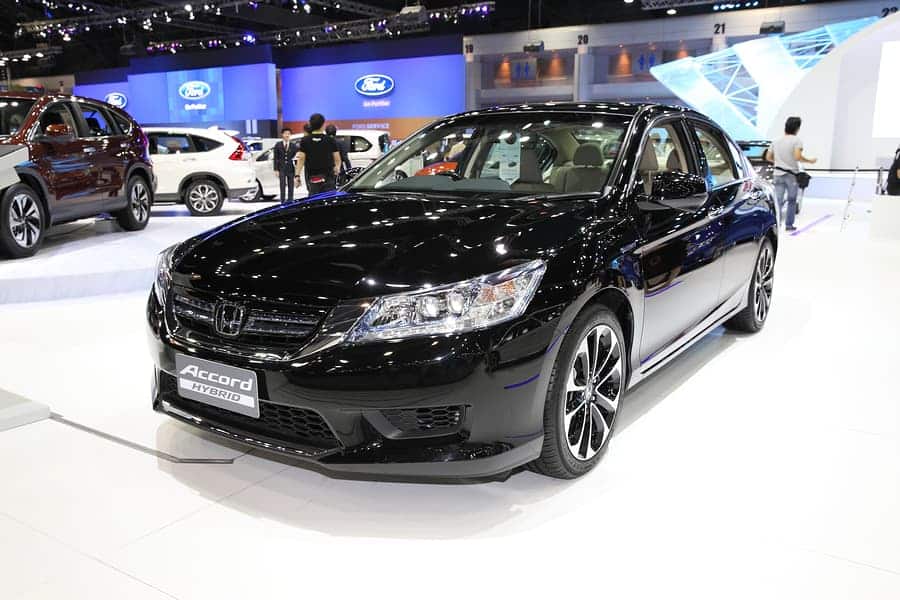
Hybrid and battery-related items (for Accord Hybrid)
Hybrid systems add benefits and new failure modes.
-
Hybrid battery degradation
You may see reduced electric assist and fuel economy. Repairs can be expensive, though battery modules are sometimes replaceable individually. -
Regenerative braking oddities
Software or sensor faults can alter brake feel. A dealer-level diagnostic often resolves this.
If you drive a hybrid Accord, budget for hybrid system checks during major service.

Model-year hotspots and recalls to know
Some model years have a higher incidence of issues. It helps to know which ones when buying used.
-
Early 2000s and mid-2000s models
Known for some transmission problems and interior trim wear. -
Late 2000s to early 2010s 4-cylinder models
Reported oil consumption and timing chain tensioner issues in some engines. -
Mid-2010s models and newer
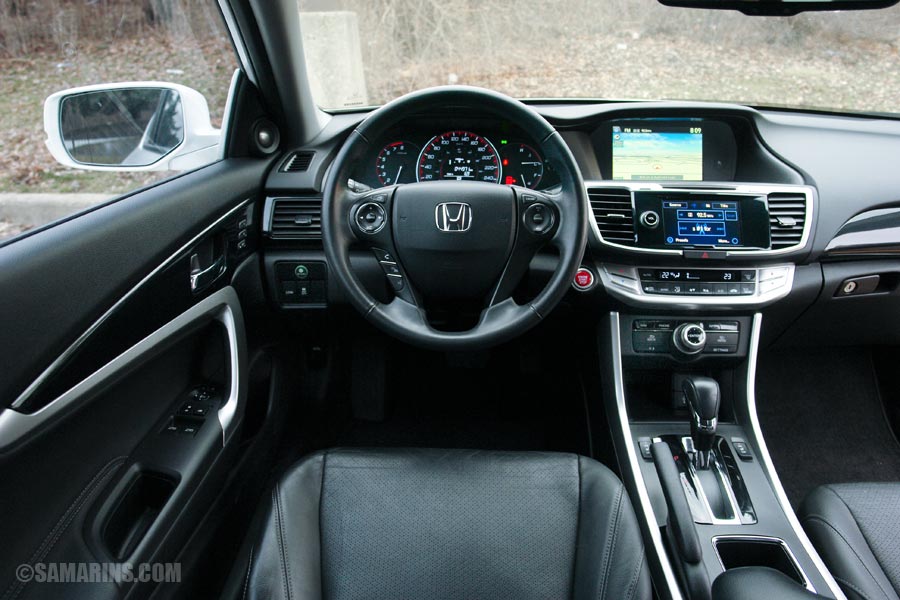
More electronics and infotainment units mean more software-related faults.
Manufacturers issued service campaigns and technical bulletins for certain issues. When shopping used, review the car’s service history and recall completion.
How to diagnose and inspect when buying used
A careful pre-purchase check reveals many of the most common problems with the Honda Accord. Use this checklist.
- Take a long test drive on varied roads, listen for noises.
- Inspect oil level and color; look for blue smoke on startup.
- Scan for active or stored error codes with an OBD-II reader.
- Check for uneven tire wear and suspension noise.
- Verify service records and that recalls were addressed.
I once bought a 2010 Accord and caught an oil consumption problem during a test drive. I negotiated a lower price and budgeted for engine service. That saved money and avoided a surprise.

Maintenance and prevention tips to avoid common failures
Good maintenance reduces the odds you’ll face the most common problems with the Honda Accord.
- Change oil and filter on schedule using the right grade of oil.
- Use factory-recommended fluids for transmission and coolant.
- Replace spark plugs, coils, and filters per intervals.
- Keep software updated at the dealer or trusted shop.
- Address odd noises early; small fixes often prevent big bills.
A little care goes a long way. I recommend a trusted independent shop for routine care to balance cost and expertise.

PAA-style quick questions
What causes oil consumption in Accords?
Oil consumption is often due to worn piston rings, valve seal wear, or a faulty PCV system. Regular checks and timely repairs reduce risk.
How long do Accords typically last?
With regular maintenance, many Accords reach 200,000 miles or more. Proper care and timely repairs make a big difference.
Can transmission issues be prevented?
Regular fluid changes and avoiding severe towing or abuse help. Still, some transmission problems are age-related and may occur despite care.
Is the Accord expensive to repair?
Repairs are usually reasonable for this class. Major engine or transmission rebuilds raise costs significantly.
Should I buy an Accord with a reported issue?
Buy only if the price reflects repairs needed and you understand the cost. A pre-purchase inspection reduces risk.
Frequently Asked Questions of What are the most common problems with the Honda Accord?
What model years have the worst transmission problems?
Transmission complaints were more common in certain early-2000s and late-2000s models. Maintenance history and fluid changes matter more than year alone.
How do I spot excessive oil consumption before buying?
Look for low oil at quick glance, blue smoke on startup, and frequent top-offs on the service record. A compression or leak-down test confirms engine wear.
Are infotainment problems covered under warranty?
It depends on the car’s warranty and the issue. Software updates are often free under active warranty or campaigns, but out-of-warranty units may require paid repair.
Can I fix common Honda Accord issues myself?
Many do-it-yourself owners can replace brakes, filters, spark plugs, and some sensors. Complex repairs like transmissions or engine work often need professional help.
How much should I budget for typical repairs?
Minor repairs like brakes or sensors run a few hundred dollars. Major engine or transmission jobs can reach thousands. Regular maintenance keeps costs lower.
Conclusion
The most common problems with the Honda Accord usually involve the transmission, oil consumption, electrical systems, HVAC, and wear items. Most issues are manageable if found early. Use the inspection tips and maintenance steps here to reduce risk and lower repair costs. If you own or plan to buy an Accord, stay proactive: check records, test drive thoroughly, and address warning signs quickly. Share your story, subscribe for more car guides, or leave a comment with your Accord question.