Common signs include slipping gears, delayed engagement, fluid leaks, grinding noises, and warning lights.
I have worked on Honda Accords for years and helped drivers diagnose and fix many transmission issues. This guide explains what are the symptoms of transmission problems in a Honda Accord, how to check them, likely causes, repair options, and simple steps you can take now to avoid costly failures. Read on to learn clear, practical signs and next steps so you can act fast and protect your car.

49% off Today's Exclusive Deals
Limited-time Exclusive Deals. Check current discount on Amazon.
Check Price on Amazon As an Amazon Associate I earn from qualifying purchases.
Why transmissions fail in a Honda Accord
Transmissions fail for many reasons. Low or dirty fluid, worn parts, or electronic faults can all cause trouble. Heat and hard driving speed up wear. Aging seals and gaskets lead to leaks. Software or sensor faults can confuse automatic controls.
Some model years have had more reports of issues. Regular maintenance and early fixes cut the risk of big repairs. Knowing what are the symptoms of transmission problems in a Honda Accord helps you spot trouble early.
49% off Today's Exclusive Deals
Limited-time Exclusive Deals. Check current discount on Amazon.
Check Price on Amazon As an Amazon Associate I earn from qualifying purchases.
Common symptoms of transmission problems
When people ask what are the symptoms of transmission problems in a Honda Accord, these signs appear often:
- Slipping gears — RPMs rise but speed does not. The car may surge or lose power when accelerating.
- Delayed engagement — The car hesitates before moving when you shift from Park to Drive or Reverse.
- Harsh or erratic shifts — Shifts feel clunky, abrupt, or rough instead of smooth.
- Grinding or whining noises — Strange sounds when shifting or while cruising indicate internal wear.
- Fluid leaks — Red or brown fluid under the car points to a leak from seals, cooler lines, or pan.
- Burning smell — A burnt odor often means overheated or degraded transmission fluid.
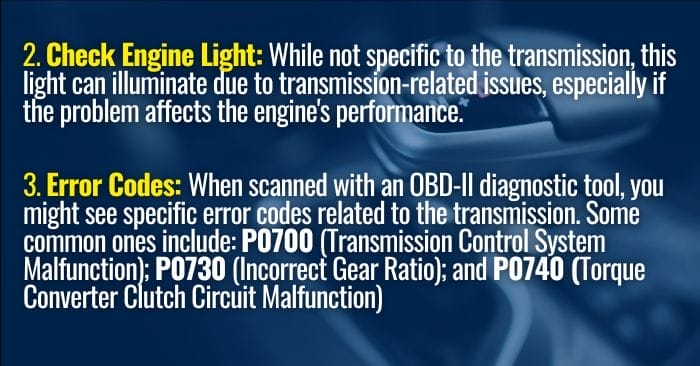
- Check Engine light or transmission warning — Codes or limp mode show the control system detected a fault.
- Gear hunting or slipping between gears — The transmission shifts up and down repeatedly.
- No movement in gear — Engine revs but the car does not move; this can indicate severe failure.
- Poor fuel economy or loss of power — Transmission inefficiency affects overall performance.
I once diagnosed an Accord that only had a slight delay from Park to Drive. The owner ignored it until the car began slipping. A quick fluid and solenoid check might have prevented the bigger repair.
49% off Today's Exclusive Deals
Limited-time Exclusive Deals. Check current discount on Amazon.
Check Price on Amazon As an Amazon Associate I earn from qualifying purchases.How to diagnose transmission issues
Start with easy checks you can do at home. Then move to professional tests if needed.
- Check transmission fluid — Look for correct level, a clear reddish color, and a light smell. Dark brown or burnt-smelling fluid signals trouble.
- Inspect for leaks — Check under the car and around the transmission cooler lines and pan.
- Scan for codes — Use an OBD-II scanner to read transmission and engine codes that point to solenoid, sensor, or control issues.
- Road test safely — Note when symptoms occur: cold start, warm engine, under load, or at steady speed.
- Listen and feel — Record noises and sensations. Note shift harshness, delays, or slips.
- Pressure and temperature tests — A shop can measure line pressure and fluid temp to confirm mechanical problems.
- Visual inspection — Technicians check mounts, linkages, and electrical connectors for damage.
If you ask a mechanic "What are the symptoms of transmission problems in a Honda Accord?" they will likely run the same checks. DIY checks catch many early problems. Still, complex cases need shop tools and experience.
Quick PAA-style questions
Why is my Accord slipping into a different gear?
Slipping can result from low or burned transmission fluid, worn clutch packs, or failing solenoids. A fluid check and scan for codes are good first steps.
Can old transmission fluid cause rough shifting?
Yes. Dirty or degraded fluid loses lubrication and pressure control. Changing fluid per Honda recommendations often restores smooth shifts.
Repair options and cost expectations
Repair depends on the cause and severity.
- Fluid and filter change — Low-cost fix that helps many problems if done early.
- Solenoid or sensor replacement — Moderate cost and common for electronic shift issues.
- Valve body repair or replacement — More involved and pricier, often needed for erratic shifting.
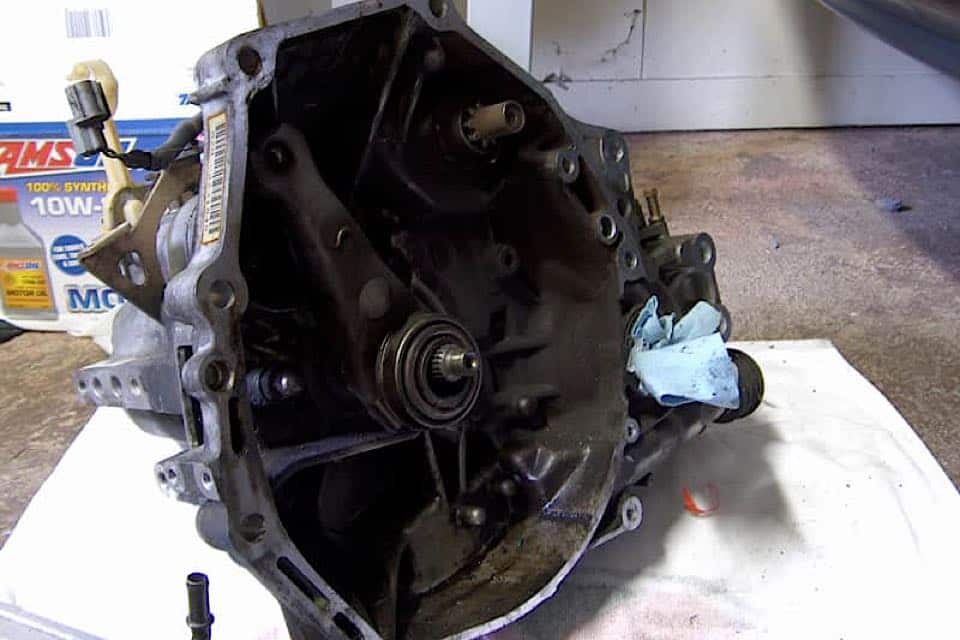
- Torque converter replacement — Expensive but required when the converter fails.
- Rebuild or replace transmission — Highest cost; chosen if internal damage is extensive.
Costs vary by region and model year. Expect a fluid service to be affordable, while rebuilds and replacements can range much higher. Always get quotes and ask about warranties.
From experience, timely fluid service and addressing codes early saved several owners from full replacement. Don’t delay once you see clear symptoms.
Maintenance and prevention tips
Good care reduces the chance you'll ask what are the symptoms of transmission problems in a Honda Accord.
- Follow Honda’s fluid change schedule — Use the recommended fluid type and intervals.
- Check fluid regularly — Look for level, color, and smell every oil change.
- Avoid towing beyond capacity — Heavy loads stress the transmission.
- Drive gently — Avoid aggressive launches and frequent hard stops.
- Keep the cooling system healthy — Overheating shortens transmission life.
- Update software and recall fixes — Ask your dealer about TSBs and software updates.
- Fix small leaks early — Small leaks become big failures quickly.
These simple steps keep shifts smooth and delay costly repairs. A little attention goes a long way.
When to visit the shop urgently
Some problems need immediate attention. Head to a shop if you notice:
- No movement when you select Drive or Reverse.
- Smoke, fire smell, or fluid streaming from the car.
- Severe grinding or metallic sounds when shifting.
- Transmission fluid drains fast due to a large leak.
- Check Engine light with limp mode and poor drivability.
Avoid driving long distances with these symptoms. Immediate checks can prevent a full failure and higher repair costs.

Frequently Asked Questions of What are the symptoms of transmission problems in a Honda Accord?
What does transmission slipping feel like in an Accord?
Slipping feels like the engine revs but the car does not accelerate as expected. It often happens during acceleration or under load and may come with a burning smell.
How often should I change transmission fluid in a Honda Accord?
Follow Honda’s owner manual, usually between 30,000 and 60,000 miles for many models, but intervals vary by year and driving conditions. Check your manual or a trusted mechanic for your exact model.
Can a low fluid level cause rough shifting?
Yes. Low fluid can reduce hydraulic pressure and cause delayed, hard, or noisy shifts. Top off with the correct Honda fluid and inspect for leaks.
Will transmission problems trigger the Check Engine light?
Yes. Transmission control issues or related sensors often set codes and illuminate the Check Engine light or a transmission warning. A scanner will show stored codes.
Is it safe to drive with transmission slipping in an Accord?
Driving with slipping can harm the transmission and worsen damage. Limit driving and seek a diagnosis soon to avoid more costly repairs.
Can software updates fix transmission issues?
Sometimes. Software updates fix shift timing and control logic, which can solve certain electronic shift problems. A dealer can tell you if updates apply to your Accord.
Conclusion
Knowing what are the symptoms of transmission problems in a Honda Accord helps you act fast. Watch for slipping, delays, rough shifts, leaks, noises, and warning lights. Start with simple checks like fluid level and a code scan, and move to professional diagnosis for serious signs. Regular maintenance and mindful driving cut the risk of big repairs.
Take action today: check your fluid, listen for odd noises, and schedule a scan if you see symptoms. If this guide helped, leave a comment or subscribe for more car care tips.