Most BMW 5 Series face solenoid, mechatronics, and fluid-related transmission problems.
I have worked on BMWs for over a decade. I know the common transmission issues in the BMW 5 Series inside out. This article explains the symptoms, causes, diagnosis steps, repair options, costs, and prevention tips. Read on to learn how to spot problems early and save time and money.

49% off Today's Exclusive Deals
Limited-time Exclusive Deals. Check current discount on Amazon.
Check Price on Amazon As an Amazon Associate I earn from qualifying purchases.
Symptoms to watch for
Drivers often notice these signs first. Early detection matters.
- Rough or jerky shifts when accelerating or slowing.
- Delayed engagement when shifting from park to drive.
- Transmission slipping at highway speeds.
- Loud whining or clunking noises from the transmission.
- Burning smell or dark, dirty transmission fluid.
- Transmission warning light, limp mode, or persistent check engine light.
These symptoms point to common transmission issues in the BMW 5 Series. Catching them early can prevent a full rebuild. Many problems start small and get worse with time.
49% off Today's Exclusive Deals
Limited-time Exclusive Deals. Check current discount on Amazon.
Check Price on Amazon As an Amazon Associate I earn from qualifying purchases.
Common causes of BMW 5 Series transmission issues
Understanding causes helps fix the root problem.
- Solenoid failures
- Solenoids control hydraulic circuits. They can stick or fail electrically.
- Mechatronics or valve body faults
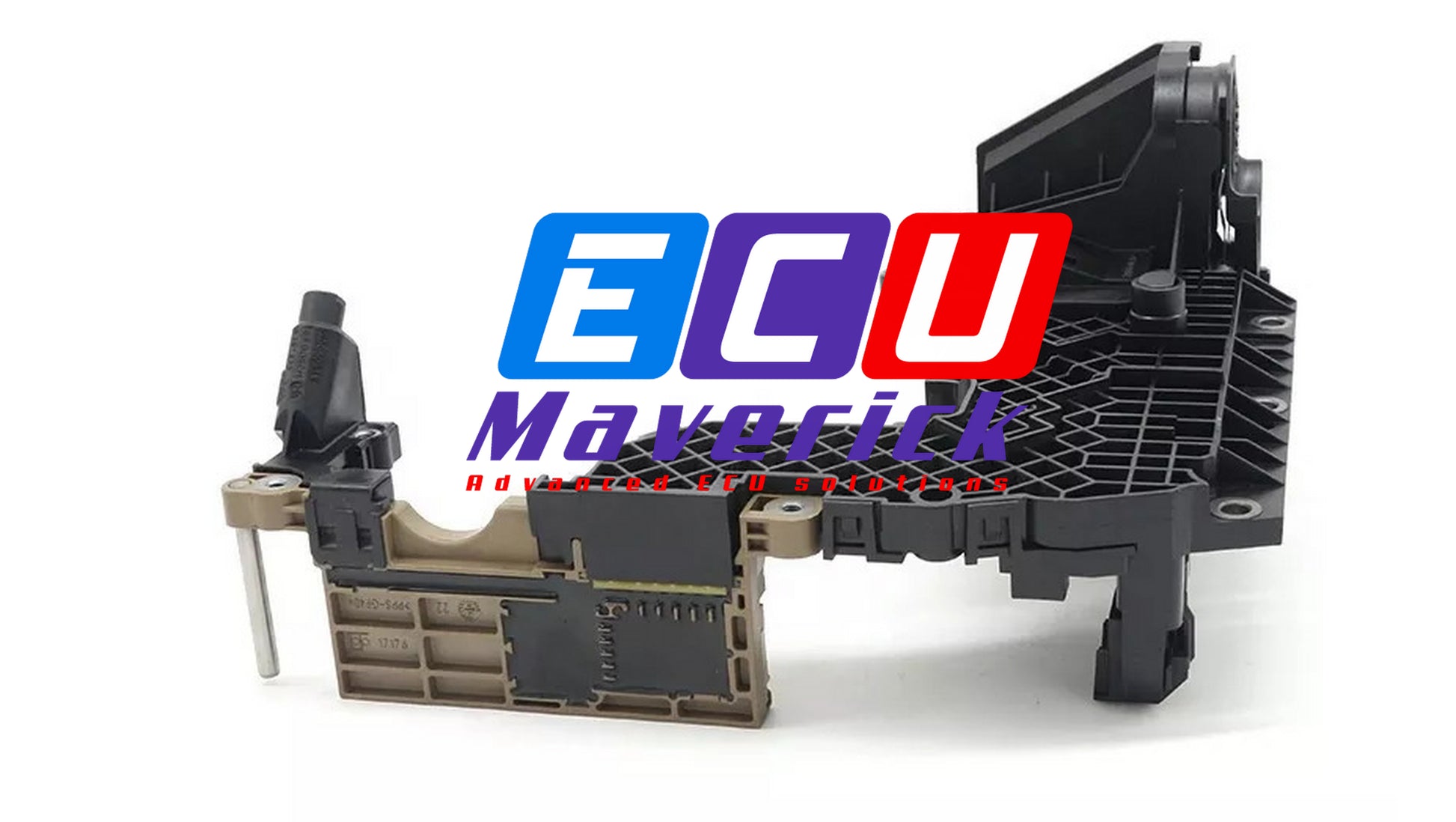
- The mechatronics unit is a common failure point on ZF automatics. It controls shifts and pressure.
- Low, contaminated, or degraded transmission fluid
- Old or wrong fluid causes wear and poor lubrication.
- Torque converter wear
- The lock-up clutch can slip or fail, causing shudder or overheating.
- Seals, gaskets, and fluid leaks
- Leaks lower fluid levels and let contaminants in.
- Electronic issues and TCM faults
- Sensors or the transmission control module can cause erratic behavior.
- Clutch or band wear (in dual-clutch or manual units)
- Friction parts wear with miles and aggressive use.
These causes explain why BMW 5 Series transmission issues are common. Many models use complex automatic systems that need exact fluids and calibration.

49% off Today's Exclusive Deals
Limited-time Exclusive Deals. Check current discount on Amazon.
Check Price on Amazon As an Amazon Associate I earn from qualifying purchases.How to diagnose transmission problems
Diagnosis follows a clear, simple path. Use tools and tests.
- Read fault codes with a BMW-capable scanner.
- Generic readers miss many TCM codes.
- Visual fluid check
- Look at color and smell. Dark, burnt fluid is a red flag.
- Road test with data logging
- Note shift points, RPMs, and temperatures.
- Pressure and leak tests
- Check hydraulic pressure and inspect lines and seals.
- Inspect mechatronics and solenoids
- Electrical tests can find failed solenoids or connections.
- Software and adaption check
- Sometimes a coding or update fixes issues.
Quick question-style checks
- Why does shifting get rough after warm-up?
- Worn torque converter or contaminated fluid often causes this.
- Can a software update fix transmission problems?
- Yes, updates can improve shift logic and fix known bugs.
- Is low fluid common in BMW 5 Series transmission issues?
- Yes, leaks and low fluid are frequent root causes.
Following these steps narrows the cause. Proper diagnosis avoids needless parts replacement.

Repair options and typical costs
Repairs vary by issue and model year. Here are realistic options.
- Transmission fluid and filter service
- Cost: $200–$500. Best first step for many issues.
- Solenoid pack or valve body repair
- Cost: $600–$2,000 depending on labor and parts.
- Mechatronics unit replacement
- Cost: $1,200–$3,500. Common on ZF automatics.
- Torque converter repair or replacement
- Cost: $800–$2,500.
- Full rebuild or replacement
- Cost: $3,500–$8,000. Consider for high-mileage failures.
- Software reflash and TCM reset
- Cost: $100–$300. Cheap and sometimes effective.
Choosing the right fix depends on diagnosis. A fluid change and software update can solve many BMW 5 Series transmission issues if caught early.

Maintenance and prevention
Small actions prevent big repairs.
- Follow BMW service intervals for transmission fluid.
- Use BMW-approved or ZF-recommended ATF only.
- Fix leaks promptly. Check under the car monthly.
- Avoid repeated hard launches and towing beyond limits.
- Keep the transmission cool. Inspect the cooler lines.
- Have software updates installed during scheduled service.
- Use a trusted shop with BMW experience for service.
Routine care reduces the chance of major BMW 5 Series transmission issues. Treat the transmission like the heart of the drive system.
Real-world experience and practical tips
I once diagnosed a 2014 535i that shifted harshly at 1,200–1,800 RPM. The car had dark fluid and a stored TCM code. A fluid change, filter service, and mechatronics cleaning fixed it. The owner saved thousands by resisting a full rebuild recommendation from another shop.
Lessons learned
- Always scan for TCM codes first.
- Inspect fluid color and smell before swapping parts.
- Get a second opinion on expensive fixes.
- Keep records of fluid type and service dates.
My hands-on work taught me that many BMW 5 Series transmission issues are avoidable. Good care and early diagnosis pay off.

Frequently Asked Questions about What are the common transmission issues in the BMW 5 Series?
What are the most common transmission failures in a BMW 5 Series?
Most failures involve solenoids, the mechatronics unit, and fluid-related wear. These lead to rough shifts, slipping, and limp mode.
How often should I change transmission fluid in a BMW 5 Series?
Follow BMW’s recommended interval and use approved fluid. Many experts suggest checking fluid and service every 50,000 miles or sooner if you tow or drive aggressively.
Can software updates fix transmission problems?
Yes. Updates and TCM reflashes can correct shift logic and adapt transmission behavior, often resolving drivability issues.
How much does it cost to fix transmission issues in a BMW 5 Series?
Minor services like fluid and filter changes run $200–$500. Major repairs like mechatronics or rebuilds cost thousands, often $1,200–$8,000 depending on severity.
Are transmission leaks common in BMW 5 Series models?
Yes. Aging seals and pan gaskets are common leak points. Leaks lead to low fluid and accelerate wear if not fixed.
Conclusion
BMW 5 Series transmission issues often start with solenoids, mechatronics faults, or fluid problems. Spotting symptoms early and using correct diagnostics can save time and money. Take action: check fluid, scan for codes, and get a second opinion on big repairs. If you own a BMW 5 Series, make routine transmission care a priority. Share your experience in the comments or subscribe for more practical tips and repair guides.