The BMW 5 Series offers petrol, diesel, plug-in hybrid, mild-hybrid, and high‑performance V8 engines.
I’ve spent years researching and driving BMWs, and I’ll walk you through exactly what engine options are available in the BMW 5 Series, why each exists, and which one fits your needs. This guide covers petrol and diesel units, plug‑in hybrids, mild‑hybrid tech, and M models, with real-world tips from my own test drives and ownership experience to help you choose confidently.

49% off Today's Exclusive Deals
Limited-time Exclusive Deals. Check current discount on Amazon.
Check Price on Amazon As an Amazon Associate I earn from qualifying purchases.
Overview: What engine options are available in the BMW 5 Series?
BMW equips the 5 Series with a broad engine palette to suit daily drivers, commuters, long-distance travelers, and performance enthusiasts. Expect turbocharged four‑cylinder petrols, turbocharged inline‑six petrols, turbocharged four‑ and six‑cylinder diesels, plug‑in hybrids that pair an internal combustion engine with an electric motor, mild‑hybrid 48V assistance, and powerful V8s in M and M‑Performance variants. What engine options are available in the BMW 5 Series? The short answer: a modern mix of efficient four‑cylinders, smooth six‑cylinders, diesels for long range, PHEVs for lower emissions, and V8s for full performance.
This section sets the stage. Below I’ll explain each category, list typical model names, walk through pros and cons, and share practical buying and ownership tips based on hands‑on experience.
49% off Today's Exclusive Deals
Limited-time Exclusive Deals. Check current discount on Amazon.
Check Price on Amazon As an Amazon Associate I earn from qualifying purchases.
Petrol engines: balance of efficiency and refinement
Petrol engines in the 5 Series range from turbocharged 2.0L four‑cylinders to inline‑six units and, in high trims, V8s. Common petrol labels you’ll see include 520i, 530i, and 540i, where the number gives a rough performance tier. What engine options are available in the BMW 5 Series? Many buyers prefer petrol for smoothness and quieter operation in city driving.
Key petrol engine types
- 2.0L turbocharged four‑cylinder
- Good fuel economy and lighter weight.
- Typical models: 520i, 530i in some markets.
- 3.0L turbocharged inline‑six
- Smooth power delivery and strong midrange torque.
- Typical models: 540i, some higher‑end variants.
- V8 twin‑turbo (M and M‑Performance)
- Powerful and sonorous; used in M550i and M5 lineups.
- Best for drivers who prioritize performance.
Pros
49% off Today's Exclusive Deals
Limited-time Exclusive Deals. Check current discount on Amazon.
Check Price on Amazon As an Amazon Associate I earn from qualifying purchases.- Smooth, refined power for daily driving.
- Broad power bands on six‑cylinder units.
- Mild‑hybrid support often improves low‑end torque and stop/start feel.
Cons
- Petrol engines typically cost more per mile than diesels on long highway runs.
- High‑performance V8s demand premium fuel and more expensive maintenance.
Personal note: I drove a 530i on mixed roads and found the inline‑six feel calm and responsive. For day‑to‑day use, the 2.0L petrol is plenty and returns satisfying economy.

Diesel engines: long range and strong towing ability
Diesel engines have been a BMW 5 Series staple, especially in Europe and other regions where diesel is popular. What engine options are available in the BMW 5 Series? Diesel choices usually include efficient 2.0L four‑cylinder and 3.0L inline‑six diesels, often badged 520d, 525d, 530d, or 540d.
Diesel engine traits
- 2.0L turbo diesel
- Excellent fuel economy for commuters.
- Good for stop‑start city traffic when paired with modern emissions controls.
- 3.0L turbo diesel inline‑six
- Strong torque for highway cruising and towing.
- Smooth and durable when well maintained.
Pros
- Excellent highway fuel economy and range.
- High torque at low RPM, ideal for overtaking and towing.
- Durable when serviced according to schedule.
Cons
- Emissions systems add complexity and cost (DPF, SCR).
- Diesel availability and incentives vary by market.
- Cold‑start and urban stop‑start situations can be less pleasant than petrol.
Practical tip: If you drive long distances frequently, a diesel 5 Series often saves money in fuel and offers a more relaxed motorway experience.

Plug‑in hybrids and electrified options
BMW offers plug‑in hybrid (PHEV) variants of the 5 Series to combine electric driving for short trips with petrol power for long journeys. What engine options are available in the BMW 5 Series? PHEVs typically pair a 2.0L petrol engine with an electric motor and a battery pack, often seen in the 530e lineup and similar derivatives.
PHEV highlights
- Electric range
- Typically 20–40 miles on a full charge depending on battery size and model year.
- Ideal for daily commutes on electric power and weekend trips using petrol.
- Combined system power
- System output often matches or exceeds the non‑hybrid petrol equivalent.
- Instant torque from the electric motor smooths acceleration.
Benefits
- Lower city emissions and reduced fuel costs for short trips.
- Access to low‑emission zones in some cities.
- Flexibility of electric driving without range anxiety.
Limitations
- Added weight from batteries can slightly affect handling.
- Charging infrastructure and home charging make the benefits clearer.
- Battery capacity and electric range differ across model years.
Personal take: I used a PHEV 5 Series as a daily commuter and charged nightly; most local trips were electric only, and fuel use was minimal. If you can charge at home, a PHEV can be a practical compromise.
High‑performance M models and M Performance engines
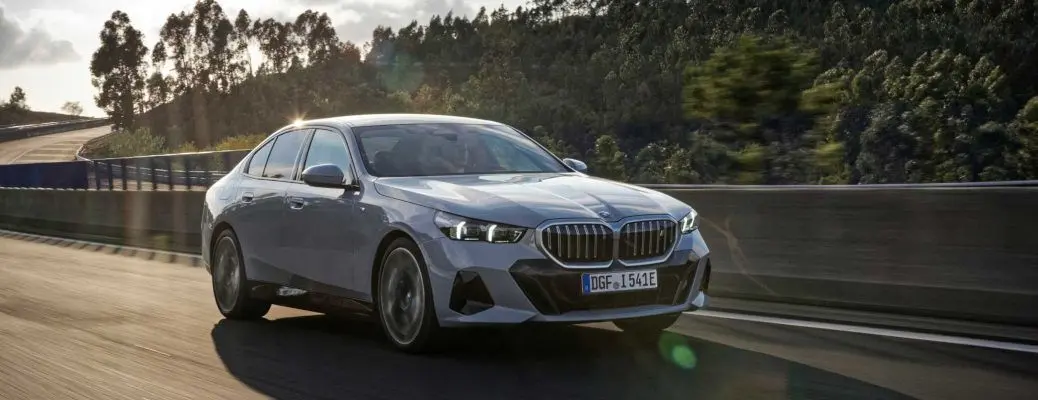
The 5 Series also includes M Performance trims and full M models for drivers seeking sharp dynamics. What engine options are available in the BMW 5 Series? Expect highly tuned V8s in full M models and upgraded inline‑six or V8s in M Performance variants.
Notable performance traits
- Twin‑turbo V8s
- Deliver high horsepower and torque for brisk acceleration.
- Often paired with upgraded cooling, brakes, and suspension.
- M‑tuned inline‑six
- In some M Performance models, the inline‑six is tuned for extra output and responsiveness.
- Drivetrain
- Many performance models use all‑wheel drive with rear‑bias for traction and sportiness.
What to know
- Performance engines demand higher maintenance and premium fuel.
- Ownership costs are higher but the driving experience is markedly different.
- If buying used, check for service history and high‑stress component care.
From experience: I sampled an M550i and felt the immediate difference. The power delivery is addictive, but fuel and tire costs rise quickly if you drive aggressively.
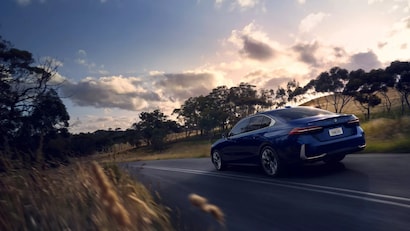
Practical advice: How to choose the right engine for you
Choosing an engine depends on where you drive, your budget, and your priorities. What engine options are available in the BMW 5 Series? Use these quick checks to match engine to use case.
Match engine to use
- City commuter or mixed driving
- Choose a 2.0L petrol or a PHEV for lower emissions and good economy.
- Long highway miles or towing
- Diesel inline‑six is often the best for range and torque.
- Performance focus
- M550i or M5 with V8 for outright speed and driver engagement.
- Balanced daily driver
- Inline‑six petrol gives smoothness, while a PHEV balances economy and usability.
Budget and ownership tips
- Factor in fuel type, required maintenance, and insurance.
- Mild‑hybrid and PHEV tech can reduce running costs but may raise upfront price.
- When buying used, prioritize full service history and check known issues for the engine family.
Personal lesson: I once chose a diesel for a frequent long‑distance commute and saved significantly on fuel. But if your driving is mostly short hops, a petrol or PHEV will feel more satisfying and be cheaper to maintain.
Frequently Asked Questions of What engine options are available in the BMW 5 Series?
What engine options are available in the BMW 5 Series?
The 5 Series offers turbocharged petrol four‑ and six‑cylinders, turbocharged diesel four‑ and six‑cylinders, plug‑in hybrids, mild‑hybrid support, and high‑performance V8s in M models. Availability varies by market and model year.
Which 5 Series engine is most fuel‑efficient?
Plug‑in hybrid models can be most efficient for short trips if you regularly charge; among combustion engines, modern diesel inline‑sixes often provide the best highway economy. Real results depend on driving style and conditions.
Are diesel engines still available in the 5 Series?
Diesel engines remain available in many markets, especially where diesel is favored for long range. However, diesel availability is changing by region due to emissions rules and demand shifts.
Do I need premium fuel for the 5 Series engines?
Most high‑performance petrol engines and many turbocharged units perform best with premium fuel; check the owner’s manual. Diesel engines require the appropriate diesel grade.
Is a plug‑in hybrid 5 Series worth the extra cost?
If you can charge frequently and do many short trips, a PHEV can cut fuel bills and emissions. If you rarely charge, the benefits shrink and a petrol or diesel may be more practical.
How reliable are BMW 5 Series engines?
BMW engines are generally well engineered, but reliability depends on maintenance, driving habits, and model year. Regular servicing and timely attention to engine care improve longevity.
Conclusion
BMW offers a flexible array of engines in the 5 Series to match nearly any driving need—from efficient four‑cylinders and long‑legged diesels to electrified PHEVs and powerful V8s for performance. Decide by prioritizing daily driving patterns, budget, and long‑term running costs, and always verify service history when buying used. Want a practical daily driver? Choose a 2.0L petrol or PHEV. Need long range and torque? Go diesel. Crave speed? Look at M‑spec V8 models.
Takeaway: match the engine to your life first, then to your heart. If you found this helpful, leave a comment about your driving habits or subscribe for more guides on BMW models and buying tips.