Owning a Honda Accord brings reliability, fuel efficiency, and comfort—but costs include repair, depreciation, and tech limits.
I’ve spent years reviewing, repairing, and driving compact sedans and midsize cars, and the Honda Accord consistently ranks near the top. In this article I’ll walk you through what are the pros and cons of owning a Honda Accord in clear, practical detail. You’ll get ownership costs, reliability expectations, safety and tech notes, real-world tips from my experience, and help deciding if an Accord fits your life and budget. Read on for a full, balanced view so you can make an informed choice.

49% off Today's Exclusive Deals
Limited-time Exclusive Deals. Check current discount on Amazon.
Check Price on Amazon As an Amazon Associate I earn from qualifying purchases.
The biggest advantages: Pros of owning a Honda Accord
What are the pros and cons of owning a Honda Accord? Let’s start with the pros. The Accord shines in several key areas that matter to most buyers.
- Reliability and longevity. Accords are known to last well past 200,000 miles with routine care. That means fewer surprises over years of ownership.
- Fuel efficiency. Modern Accord models offer strong MPG, especially the hybrid variants. This lowers daily running costs for commuters.
- Comfortable ride and roomy cabin. The Accord balances a smooth ride with supportive seats and ample rear legroom.
- Strong resale value. Historically, Accords retain value better than many rivals in the midsize class.
- Good safety and driver aids. Newer Accords include advanced driver-assist systems as standard or optional.
- Broad dealer and service network. Parts are available, and many mechanics know how to work on Hondas.
Real-life example: I owned a used Accord for five years. Routine oil changes and timely brake work kept it reliable. Fuel bills stayed reasonable even during heavy commuting months.
49% off Today's Exclusive Deals
Limited-time Exclusive Deals. Check current discount on Amazon.
Check Price on Amazon As an Amazon Associate I earn from qualifying purchases.
The main drawbacks: Cons of owning a Honda Accord
What are the pros and cons of owning a Honda Accord? Now the cons. No vehicle is perfect, and the Accord has trade-offs worth noting.
- Repair and maintenance costs can climb with age. While routine items are affordable, major repairs on high-mileage vehicles become more expensive.
- Some trims have conservative infotainment. If you want the latest connectivity and huge touchscreens, other brands may be ahead.
- Firm ride on sport trims. Sportier setups can feel stiff on rough roads.
- Higher trim pricing. Loaded Accords can approach luxury-car prices, reducing value compared to premium competitors.
- Occasional recall history. Like any model, Accords have had recalls; stay updated on safety campaigns.
From experience: I once replaced a timing component on a high-mileage Accord. The part cost was moderate, but labor increased the bill. Plan for occasional larger expenses after 100k miles.
49% off Today's Exclusive Deals
Limited-time Exclusive Deals. Check current discount on Amazon.
Check Price on Amazon As an Amazon Associate I earn from qualifying purchases.Ownership costs and real-world running expenses
What are the pros and cons of owning a Honda Accord? Cost is central to that question. Here’s a breakdown of typical costs over a 5-year span.
- Fuel costs. Accords are efficient. Expect lower spend relative to larger sedans and many SUVs.
- Insurance. Mid-range compared to segment peers; safety ratings often lower premiums.
- Maintenance. Routine checks, brakes, and tires are reasonable. Major repairs like transmission work can be costly.
- Depreciation. Better than average for midsize cars but still real—higher trims depreciate faster in dollar terms.
- Taxes and fees. Vary by state, but overall predictable.
Practical tip: Set aside an annual maintenance fund equal to about 1–2% of the car’s value. This covers routine wear and reduces stress when bigger jobs come up.

Reliability, repairs, and common issues
What are the pros and cons of owning a Honda Accord? Reliability is a cornerstone of the pros, but here are specifics to expect.
- Typical lifespan. With care, many Accords reach 200k–300k miles.
- Common service needs. Brake pads, tires, and battery are normal wear items. Higher-mileage cars may need alternators, water pumps, or transmissions.
- Hybrid considerations. Hybrid Accords reduce fuel cost but can add battery replacement concerns long-term.
- Warranty. New cars come with manufacturer coverage that lowers costs in the early years.
PAA-style question: Will a Honda Accord last 200,000 miles? Short answer: Yes, with regular maintenance and timely repairs, many Accords reach 200,000 miles.
PAA-style question: Are Accord repairs expensive? Short answer: Routine repairs are affordable, but major components can get pricey after high mileage.

Safety, tech, and comfort features
What are the pros and cons of owning a Honda Accord? Safety and tech matter to modern buyers.
- Safety ratings. Accords often earn top safety scores in crash testing.
- Driver assists. Adaptive cruise, lane assist, and collision mitigation are common on newer models.
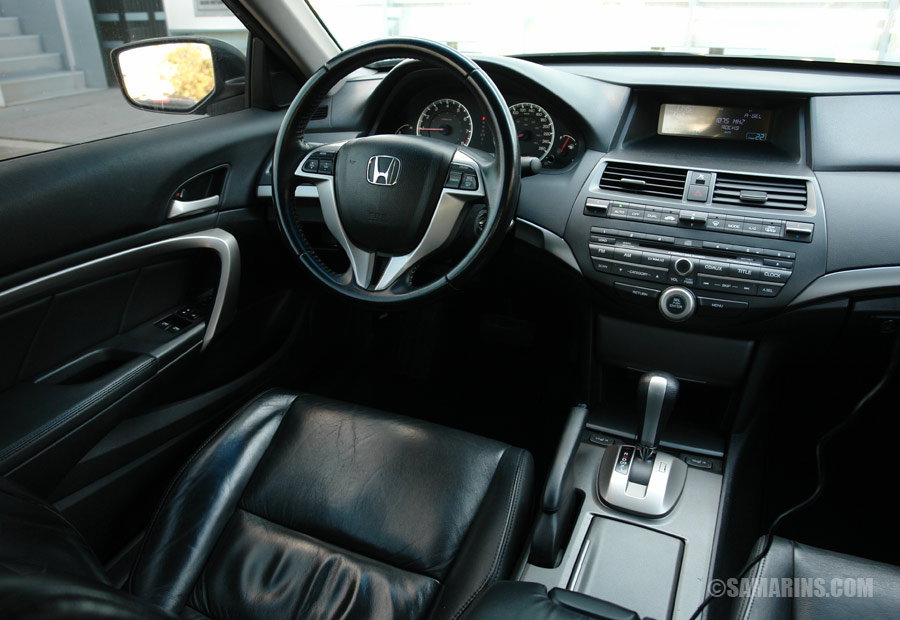
- Infotainment. Basic systems are user-friendly but not always the flashiest.
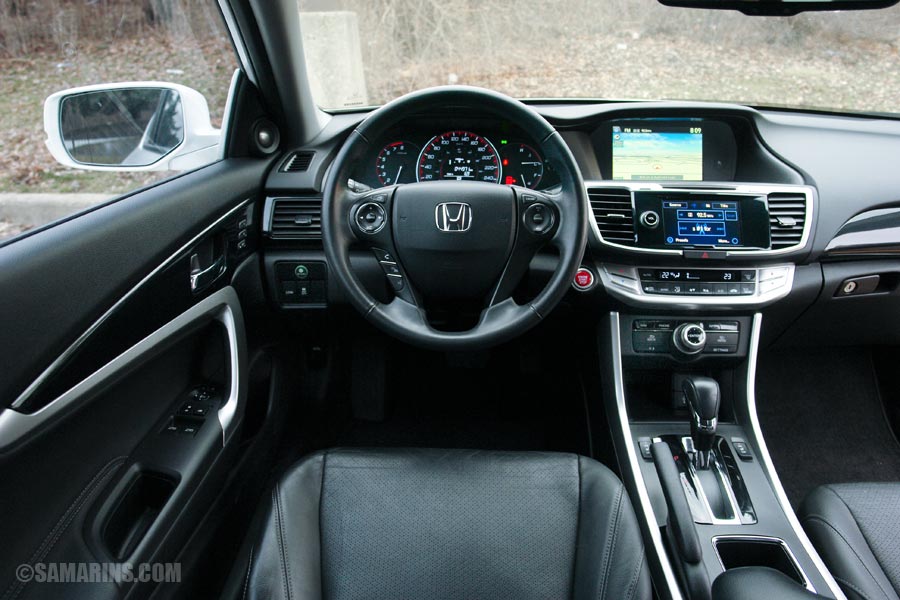
- Comfort features. Dual-zone climate, heated seats, and quality cabin materials are typical on higher trims.
From driving tests: The Accord’s steering and suspension give confident handling without being harsh. Long trips feel less tiring than in many compact rivals.
Resale value and market demand
What are the pros and cons of owning a Honda Accord? Resale and demand are important for total cost of ownership.
- Strong used-car demand. Accords sell well in the used market thanks to their reputation.
- Trim selection affects value. Mid trims often deliver best balance of price and retained value.
- Timing matters. Selling before major service milestones can keep resale higher.
Personal tip: If resale is a priority, keep maintenance records and limit aftermarket changes. Clean service history boosts buyer trust and price.

Buying advice and who should choose an Accord
What are the pros and cons of owning a Honda Accord? Here’s who benefits most and who might look elsewhere.
- Ideal for commuters and families. Roomy interior, good fuel economy, and safety make it practical.
- Not best for buyers chasing luxury. If high-end materials and ultra-modern infotainment are must-haves, look at premium brands.
- Good for value-seekers. Those who want long-term reliability and low ownership stress do well with an Accord.
- Consider hybrid for long commutes. The hybrid saves fuel but may carry a higher purchase price.
Buying checklist:
- Check maintenance history and recall status.
- Test drive multiple trims for comfort and ride preference.
- Inspect high-mileage cars for leaks or transmission issues.
- Compare insurance and expected maintenance costs.
Practical tips from experience
What are the pros and cons of owning a Honda Accord? Lessons I’ve learned over years of ownership and testing.
- Keep up with oil and brake service. Small steps prevent big bills.
- Use OEM or reputable aftermarket parts. Saves headaches later.
- Watch for small cosmetic issues. They reduce resale faster than mechanical history.
- If buying used, get a pre-purchase inspection. It often pays for itself.
Frequently Asked Questions about What are the pros and cons of owning a Honda Accord? (FAQ)
Is the Honda Accord reliable long-term?
Yes. With routine maintenance, Accords commonly exceed 200,000 miles and offer dependable daily use.
How much does it cost to maintain an Accord annually?
Maintenance varies, but expect moderate annual costs; routine service is affordable while major repairs happen less often.
Should I buy a hybrid or gas Accord?
Choose hybrid for long commutes and better fuel economy; choose gas for lower initial cost and simpler repairs.
Do Accords hold their value well?
Accords have above-average resale value in the midsize segment, especially well-maintained examples.
Are Accords expensive to insure?
Insurance is mid-range. Safety features and driver history have bigger influence than the model alone.
What trim offers the best value?
Mid-level trims often balance price, features, and resale value best. Higher trims add comfort but cost more initially.
Is the Accord a good family car?
Yes. It offers space, safety, and comfort suitable for small families and daily errands.
Conclusion
Owning an Accord gives you proven reliability, strong fuel economy, and comfortable daily driving, while trade-offs include tech limits on some trims and potential repair costs as mileage climbs. Assess what matters most: if you value long-term dependability and sensible ownership costs, an Accord is a strong choice. If cutting-edge infotainment or luxury finishes top your list, compare higher-end rivals as well. Take action: test drive the trims you like, review maintenance history if buying used, and subscribe to trusted car resources or leave a comment with your questions to get personalized advice.