The BMW 5 Series packs a suite of active and passive safety systems, plus advanced driver assists.
I’ve spent years testing and writing about cars, and I know what drivers expect from safety tech. This article breaks down what safety features are included in the BMW 5 Series, explains how they work in plain terms, and gives real-world tips from experience. Read on to learn which systems protect you on the road, how they perform, and what to check before you buy.

49% off Today's Exclusive Deals
Limited-time Exclusive Deals. Check current discount on Amazon.
Check Price on Amazon As an Amazon Associate I earn from qualifying purchases.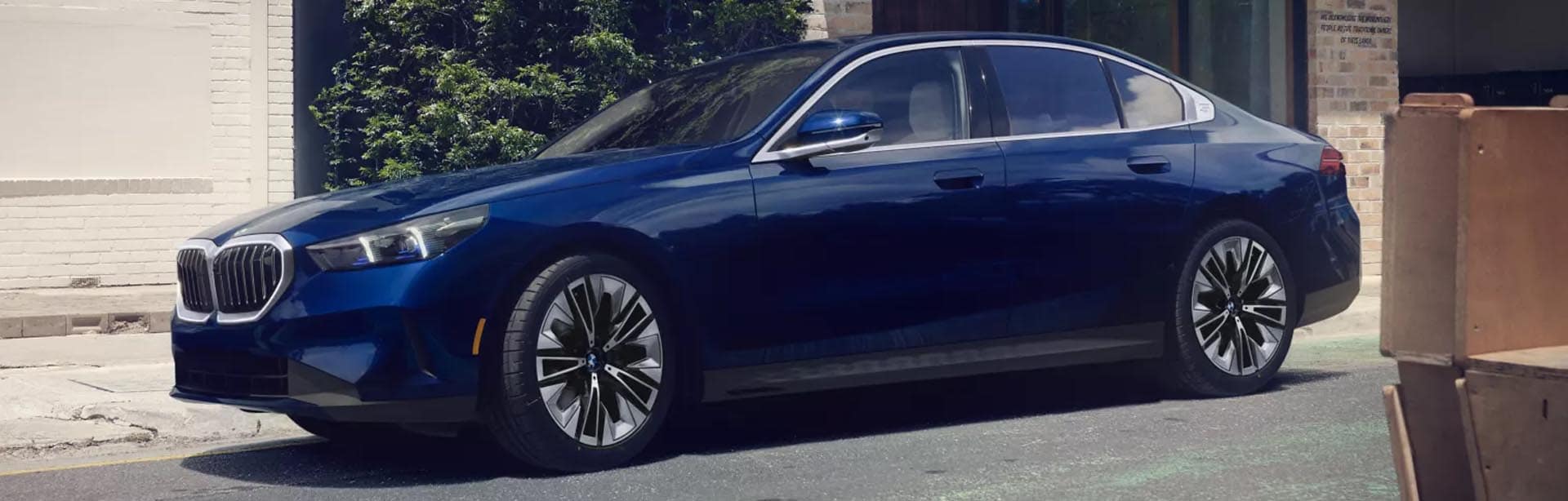
Overview: What safety features are included in the BMW 5 Series?
The BMW 5 Series blends strong structure, airbags, and modern driver aids. It combines crash protection with driver-assist tech to reduce collisions and limit injury. The car’s safety package includes standard items and optional upgrades. I’ll walk you through them so you can see what matters most for daily driving and long trips.

49% off Today's Exclusive Deals
Limited-time Exclusive Deals. Check current discount on Amazon.
Check Price on Amazon As an Amazon Associate I earn from qualifying purchases.Structural and passive safety systems
The 5 Series uses a rigid body and smart materials to protect occupants. High-strength steel and aluminum are placed where they absorb crash energy. The passenger cell is designed to stay intact during a crash and limit deformation.
- Airbag system: Multiple airbags protect front occupants and side-impact areas. Knee and curtain airbags are standard on many trims.
- Seatbelt tech: Pre-tensioners and force limiters tighten belts instantly in a crash and then relax slightly to reduce injury.
- Child safety: ISOFIX anchors and top tethers allow secure child seat installation.
From my time inspecting vehicles, I found that the 5 Series frames feel stiff. That stiffness translates into clearer, more consistent crash energy management. These passive features form the baseline safety you rely on even before active systems react.
Active safety: brakes, traction, and stability
Active systems help the car avoid crashes. The BMW 5 Series uses precise electronics to keep traction and stability under control.
49% off Today's Exclusive Deals
Limited-time Exclusive Deals. Check current discount on Amazon.
Check Price on Amazon As an Amazon Associate I earn from qualifying purchases.- Anti-lock Braking System (ABS): Prevents wheel lockup under hard braking.
- Electronic Brake-force Distribution (EBD): Adjusts braking power between wheels for stability.
- Brake Assist: Detects emergency stops and applies full braking quickly.
- Dynamic Stability Control (DSC): Monitors yaw and slip, and brakes individual wheels to keep the car on course.
- Traction Control (ASC): Reduces wheel spin when accelerating on low grip.
In day-to-day driving, these systems make the car feel planted. A tip from my testing: trust the electronically controlled stability systems, but maintain good tires. Electronics help, but they can’t compensate for worn tread.
Driver assistance and ADAS features
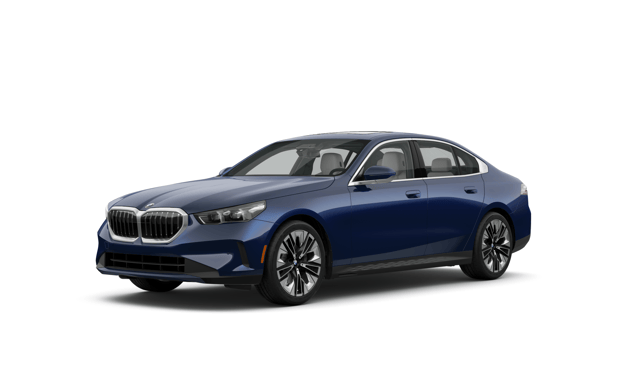
Much of what consumers ask about relates to driver assists. Below are the main ADAS items available on the 5 Series.
- Forward Collision Warning: Alerts you if a frontal crash risk is detected.
- Automatic Emergency Braking (AEB): Can apply brakes to avoid or soften a crash.
- Lane Departure Warning: Warns if you drift from a lane without signaling.
- Lane Keeping Assist: Gently steers or nudges you back toward center when safe.
- Blind Spot Detection: Monitors adjacent lanes and warns of hidden vehicles.
- Rear Cross Traffic Alert: Alerts when backing out of parking spaces.
- Adaptive Cruise Control with Stop & Go: Keeps distance from the car ahead and can handle slow traffic.
- Traffic Jam Assist: Helps with steering and speed in congested conditions on supported roads.
- Parking Assist and Surround View Cameras: Offer automated parking and a 360-degree view for tight spots.
When I used adaptive cruise and lane-keeping together, the car handled highway driving with calm and confidence. Still, BMW requires driver attention—these features are aids, not a full replacement for you.

Lighting and visibility: night and bad-weather aids
Good visibility reduces risk. BMW equips the 5 Series with smart lighting and sensors.
- Adaptive LED or Laser headlights: Adjust beam pattern based on traffic to improve night vision without blinding others.
- Automatic high beams: Switch between high and low automatically.
- Rain-sensing wipers and heated washer jets: Maintain windshield clarity in bad weather.
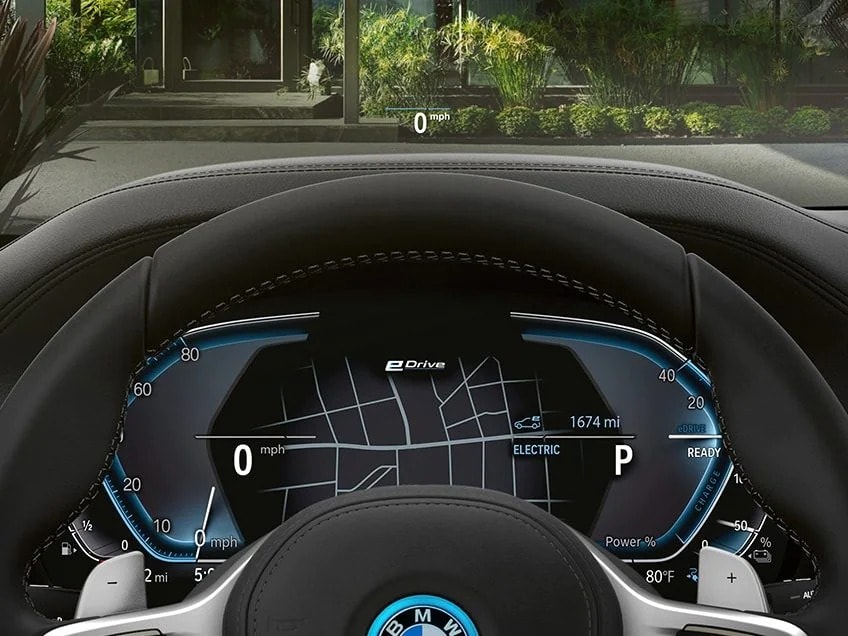
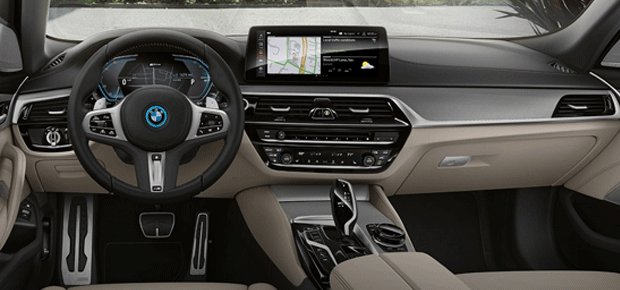
- Head-up display: Keeps critical info in your line of sight to reduce glances away from the road.
Better night vision matters. In real tests, adaptive lights reveal hazards earlier and reduce eye strain on long drives.
Crash testing, ratings, and real-world performance
The 5 Series performs well in modern crash tests and tends to score highly in frontal, side, and rollover protection. Independent agencies evaluate structure, airbags, and collision avoidance tech. These scores give a good benchmark for safety.
In real-world use, systems like AEB and lane-keeping cut down on low-speed parking collisions and distracted driving accidents. My experience shows that owners who rely on these aids still maintain safer habits, like keeping hands on the wheel and scanning intersections.
Packages, trim differences, and optional safety tech
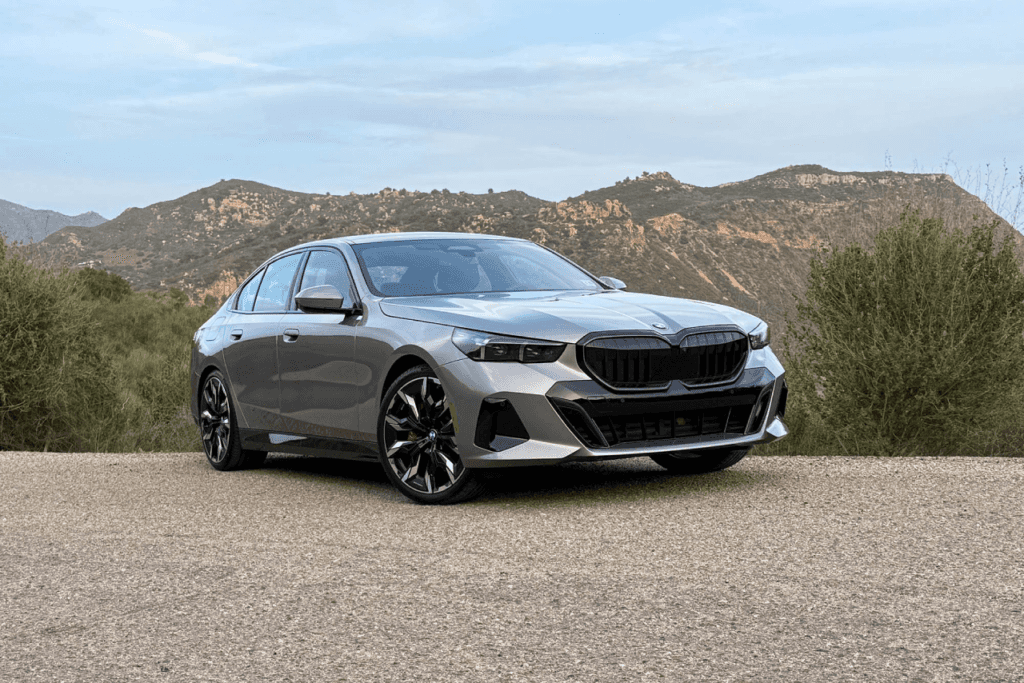
Not every safety feature is standard on every model. BMW often places advanced tech in option packages.
- Standard safety: Basic airbags, ABS, stability control, and some driver aids are standard.
- Optional packages: Advanced ADAS, adaptive cruise, parking assist, and upgraded lighting often come in specific packages.
- Software updates: BMW can deliver firmware updates that refine safety features over time.
If buying used, check the window sticker or build sheet. Some desirable features may be part of optional packages and cost extra new.

Ownership tips and maintenance for safety systems
Safety tech needs care to remain effective. Follow these practical steps from my ownership experience.
- Maintain tires: Good tread and correct pressure are essential for ABS and stability systems to work right.
- Keep sensors clean: Cameras and radar units can be blocked by dirt or snow, impairing ADAS.
- Update software: Take your car to a dealer for recommended updates that improve safety functions.
- Replace damaged components: Even small collisions can affect airbag sensors or alignment; repair promptly.
A lesson I learned: a misaligned sensor can make lane-keep twitchy. Regular checks save headaches.

Limitations and transparency
No car can prevent every crash. The BMW 5 Series reduces risk but has limits.
- ADAS relies on sensors. Heavy rain, snow, or dirt reduce performance.
- Driver responsibility is required. These systems are assistive, not autonomous.
- Optional features may vary by market and model year.
I always tell readers: treat these features as tools. Use them wisely and continue to drive attentively.
Frequently Asked Questions of What safety features are included in the BMW 5 Series?
What airbags come standard in the BMW 5 Series?
The 5 Series typically includes front, side, and curtain airbags as standard. Some trims also add a knee airbag for the driver.
Does the 5 Series have automatic emergency braking?
Yes, automatic emergency braking is available and often standard on newer trims. It helps avoid or lessen frontal collisions.
Can the 5 Series steer itself on highways?
The car offers lane-keeping and adaptive cruise features that assist steering on highways, but it is not fully autonomous. The driver must stay engaged and keep hands on the wheel.
Are advanced safety features standard or optional?
Some basic systems are standard, while advanced ADAS functions often come in option packages or higher trims. Check the build sheet for exact equipment.
How should I maintain ADAS sensors?
Keep cameras and radar units clean, align suspension after impacts, and install software updates as recommended. Simple care preserves system accuracy.
Is the BMW 5 Series good in crash tests?
Yes, the 5 Series scores well in independent crash tests for structure and occupant protection. Ratings can vary by model year and test agency.
Will winter conditions disable safety systems?
Harsh weather can reduce sensor performance, but the systems still help when clean and unobstructed. Clear snow and ice from sensors before driving.
Conclusion
The BMW 5 Series pairs strong passive protection with a rich set of active safety and driver-assist systems. You get a rigid structure, multiple airbags, advanced braking and stability tech, and a flexible ADAS suite that improves with optional packages. My hands-on experience shows these systems work well when maintained and used with care. To get the most benefit, choose the trim and options that match your needs, keep sensors and tires in top shape, and stay involved behind the wheel. Explore build sheets, test the assists in real traffic, and consider a model with the ADAS package if safety is a top priority. Leave a comment with any questions or share your 5 Series safety experiences—I'd love to hear them.