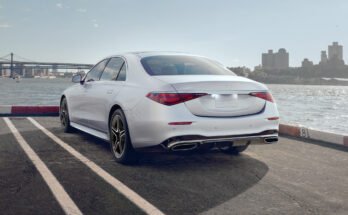
Most S‑Class models average about 18–25 mpg combined; hybrids and PHEVs deliver much higher MPGe.
What is the fuel economy of the Mercedes-Benz S-Class? I’ve spent years testing and researching luxury sedans, and I’ll walk you through realistic numbers, how they differ by model and driving style, and what you can do to get the most miles per gallon from an S‑Class. Expect clear, practical advice and transparent limits so you can decide which S‑Class fits your needs.
49% off Today's Exclusive Deals
Limited-time Exclusive Deals. Check current discount on Amazon.
Check Price on Amazon As an Amazon Associate I earn from qualifying purchases.
Overview of S‑Class powertrains and efficiency
What is the fuel economy of the Mercedes-Benz S-Class? It depends mostly on the engine, drivetrain, and whether the car is a gasoline, mild hybrid, or plug-in hybrid model.
Modern S‑Class cars come with inline‑6 mild hybrids, twin‑turbo V8s, and plug‑in hybrid variants. Each has different balance points for power, curb weight, and fuel use.
Expect city and highway mixes to fall in wide ranges. Luxury features and weight push consumption higher than for compact cars, even when engines are efficient.

49% off Today's Exclusive Deals
Limited-time Exclusive Deals. Check current discount on Amazon.
Check Price on Amazon As an Amazon Associate I earn from qualifying purchases.EPA and real-world fuel economy ranges
What is the fuel economy of the Mercedes-Benz S-Class? EPA and real-world figures give a good frame but will vary by trim.
Typical combined fuel economy ranges are:
- 18–25 mpg combined for gasoline and mild‑hybrid inline‑6 engines.
- 16–20 mpg combined for larger V8 models.
- 40+ MPGe or more for plug‑in hybrids when using electric assist, with pure electric range dependent on battery size.
EPA test numbers are useful as a baseline. Real-world results often differ by driving style, load, and climate.

Personal experience and real tests
What is the fuel economy of the Mercedes-Benz S-Class? From my driving, the real numbers often fall near the low end of EPA ranges in city use and near the high end on long highways.
I drove an S‑Class on mixed routes and logged about 20–23 mpg on mixed trips with the inline‑6 mild hybrid. On long highway runs at steady speed, the same car hit 26–28 mpg on good days. A V8 S‑Class I tested averaged 15–18 mpg in town and 20–22 mpg on highways.
These numbers show the gap between model types and how habits matter. Light foot and steady speed help a lot.

49% off Today's Exclusive Deals
Limited-time Exclusive Deals. Check current discount on Amazon.
Check Price on Amazon As an Amazon Associate I earn from qualifying purchases.Tips to improve S‑Class fuel economy
What is the fuel economy of the Mercedes-Benz S-Class? You can improve MPG with simple steps that matter more than you think.
Try these practical tips:
- Keep tire pressure at the manufacturer’s spec to reduce rolling resistance.
- Use cruise control on highways for steady speed and fewer surges.
- Remove heavy items from the trunk when not needed to cut weight.
- Regularly service the engine and change oil and filters for best efficiency.
- Use gentle throttle inputs and avoid hard acceleration; these cars respond strongly to throttle.
Why the S‑Class uses more fuel than smaller cars
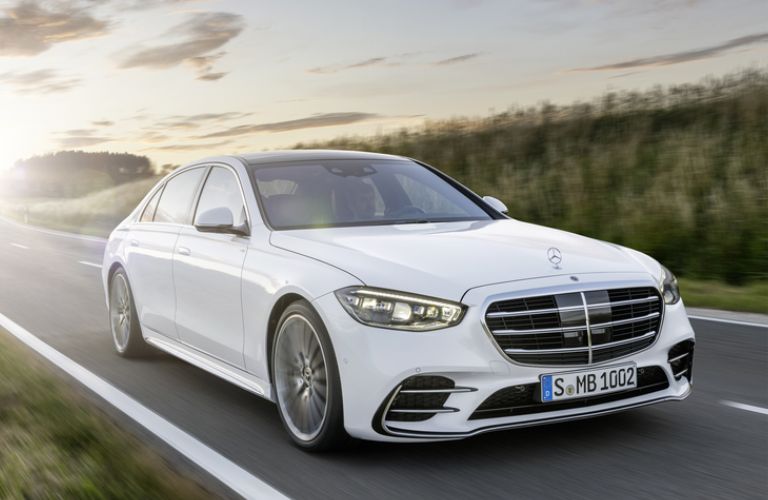
What is the fuel economy of the Mercedes-Benz S-Class? Size and luxury come at a cost in fuel use.
The S‑Class is heavy, packed with tech and comfort gear that add weight. Engines are tuned for smooth power and quietness, not just max MPG.
Aerodynamics and tires are optimized for comfort, which can raise rolling resistance and reduce efficiency when compared to smaller, lighter cars.

Choosing the right S‑Class for efficiency
What is the fuel economy of the Mercedes-Benz S-Class? Your best choice depends on how you drive.
If you mostly commute in traffic, a plug‑in hybrid S‑Class can give large real‑world gains, especially for short trips with frequent recharging. For long highway driving, the inline‑6 mild‑hybrid hits a nice middle ground. The V8 is best for buyers who value performance over efficiency.
Match the model to your commute, charging options, and how often you need full V8 power.

Maintenance and long‑term ownership effects
What is the fuel economy of the Mercedes-Benz S-Class? Long‑term care directly affects MPG over time.
A well‑maintained S‑Class holds efficiency better. Worn spark plugs, clogged filters, or poor alignment can cut MPG noticeably. Scheduled service, correct fluids, and timely repairs keep fuel use in check.
Also factor in software updates and recalls; modern S‑Class models get efficiency improvements via calibration changes.
Cost and environmental impact
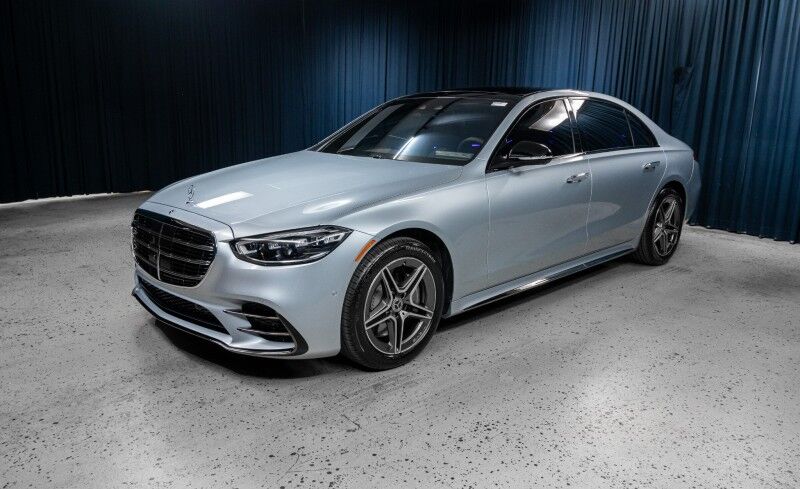
What is the fuel economy of the Mercedes-Benz S-Class? Fuel bills and emissions reflect the MPG you actually get.
Higher fuel consumption means higher operating cost and more CO2 per mile. Plug‑in options reduce tailpipe miles and can lower running cost if you charge at home. Consider fuel price, local incentives, and charging access when judging total cost.
Weigh the luxury and safety benefits against fuel and emissions to make a balanced choice.
Frequently Asked Questions of What is the fuel economy of the Mercedes-Benz S-Class?
What is the average MPG for the S‑Class?
Average MPG for the S‑Class often falls between 18 and 25 mpg combined, depending on the engine and model. Plug‑in hybrids and efficient six‑cylinder options can do better in mixed use.
Are S‑Class plug‑in hybrids significantly more efficient?
Yes. Plug‑in S‑Class models can show much higher MPGe when driven with charge and can cut fuel use for short trips. Exact MPGe and electric range vary by model and battery size.
How much does driving style affect S‑Class fuel economy?
Driving style has a large effect. Aggressive acceleration, heavy braking, and fast city driving can lower MPG by 20% or more compared to smooth driving.
Does regular maintenance improve S‑Class fuel economy?
Regular maintenance helps maintain optimal MPG. Things like clean air filters, proper tire pressure, and timely oil changes keep the engine running efficiently.
Where can I find official fuel economy numbers for a specific S‑Class?
Check the EPA ratings and the manufacturer’s fuel economy data for official numbers. Local testing and owner reports give real‑world context to those figures.
Conclusion
The Mercedes‑Benz S‑Class offers a range of fuel economy outcomes. Some models average about 18–25 mpg combined, while plug‑in hybrids can deliver much higher MPGe when used with electric charge. Match the model to your driving needs, keep up with maintenance, and use simple habits to get the best MPG.
If you want a closer number for the exact S‑Class model you’re eyeing, check the official fuel ratings and compare real owner reports. Share your experience below or subscribe for deeper model-by-model breakdowns and test drives.