A well-maintained Mercedes-Benz S-Class often lasts 250,000+ miles with routine care and repairs.
I’ve worked on luxury cars and driven S-Classes for years, so I know what it takes to keep one running well. This article answers How long does a Mercedes-Benz S-Class typically last? with data, real-world examples, and clear steps to stretch lifespan. Read on for practical tips, common failure points, and buying advice to help you own an S-Class with confidence.

49% off Today's Exclusive Deals
Limited-time Exclusive Deals. Check current discount on Amazon.
Check Price on Amazon As an Amazon Associate I earn from qualifying purchases.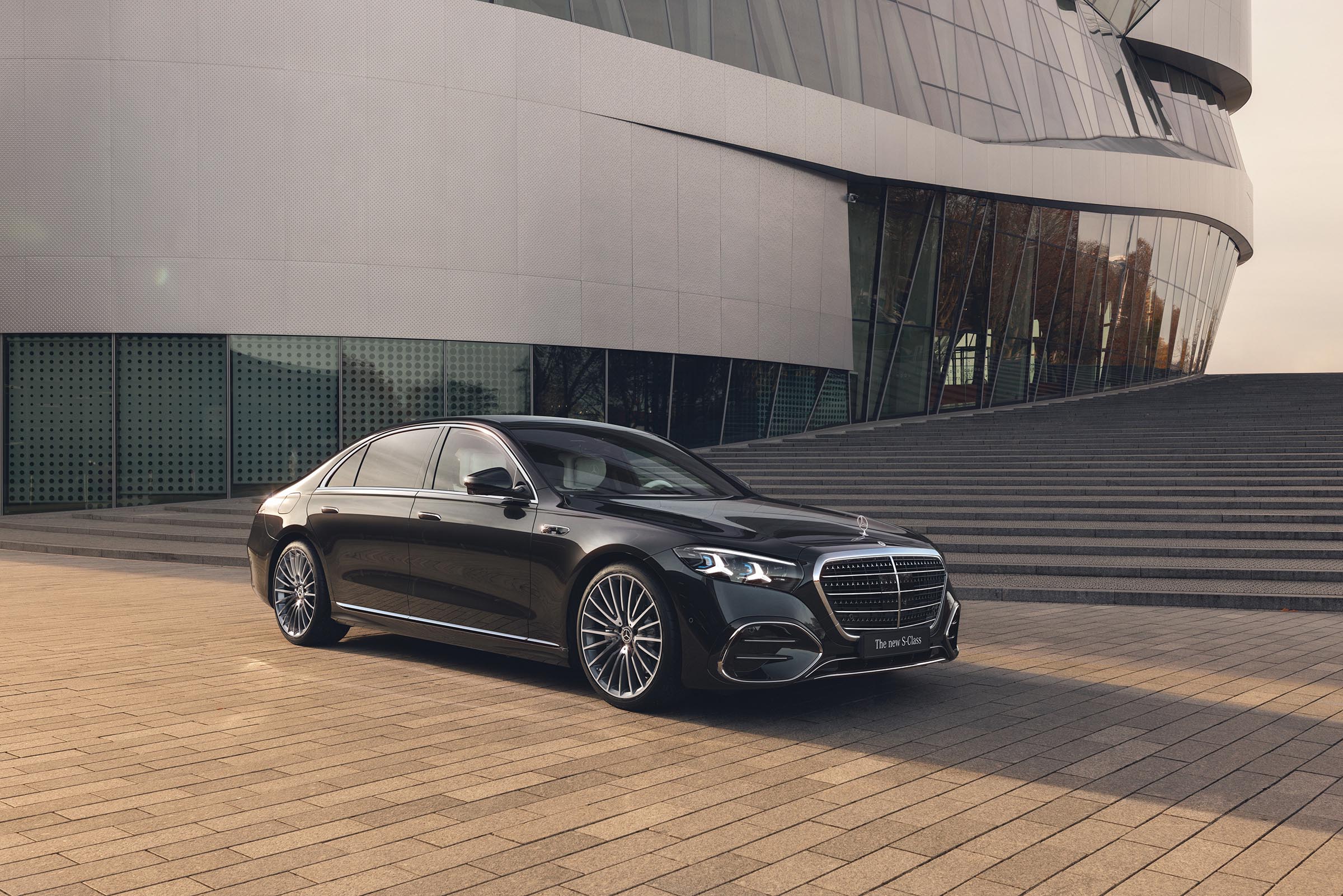
How long does a Mercedes-Benz S-Class typically last?
Mercedes-Benz S-Class models are built to last when cared for. With regular maintenance, many examples reach 200,000 to 300,000 miles. Some owners report 400,000+ miles after major repairs and consistent upkeep. How long does a Mercedes-Benz S-Class typically last? The short reality: maintenance, miles, and repairs decide the answer.
Key lifespan ranges to expect:
49% off Today's Exclusive Deals
Limited-time Exclusive Deals. Check current discount on Amazon.
Check Price on Amazon As an Amazon Associate I earn from qualifying purchases.- 100,000 to 150,000 miles: Most S-Classes remain very capable with routine service.
- 150,000 to 250,000 miles: Expect replacement of wear parts and some major components.
- 250,000+ miles: Achievable with thorough care, timely repairs, and owner dedication.
How long does a Mercedes-Benz S-Class typically last? Think in service cycles. Replace worn parts before they cause harm. Track receipts and service history to protect value and reliability.

Key factors that affect how long does a Mercedes-Benz S-Class typically last?
Several factors decide an S-Class’s lifespan. Each one can add or subtract years from the car’s life.
Maintenance and service
49% off Today's Exclusive Deals
Limited-time Exclusive Deals. Check current discount on Amazon.
Check Price on Amazon As an Amazon Associate I earn from qualifying purchases.- Regular oil changes, belt checks, and transmission service extend life.
- Using correct fluids and OEM parts helps avoid early failures.
- Gentle highway drivers tend to reach higher miles.
- Frequent short trips and heavy city use stress engines and brakes.
Model year and technology
- Older, simpler S-Classes often have fewer complex systems to fail.
- Newer models add electronics and air suspension that can increase repair needs.
Climate and storage
- Salt, humidity, and extreme cold cause rust and degrade seals.
- Garaging the car and rust-proofing extend body life.
Previous ownership and records
- Cars with full service history and single owners last longer.
- Skipping services or hiding problems lowers long-term survival.
How long does a Mercedes-Benz S-Class typically last? Consider these factors together. A well-kept car in mild climate driven on highways will typically outlast one used in harsh conditions or neglected.
Maintenance schedule and tips to maximize lifespan
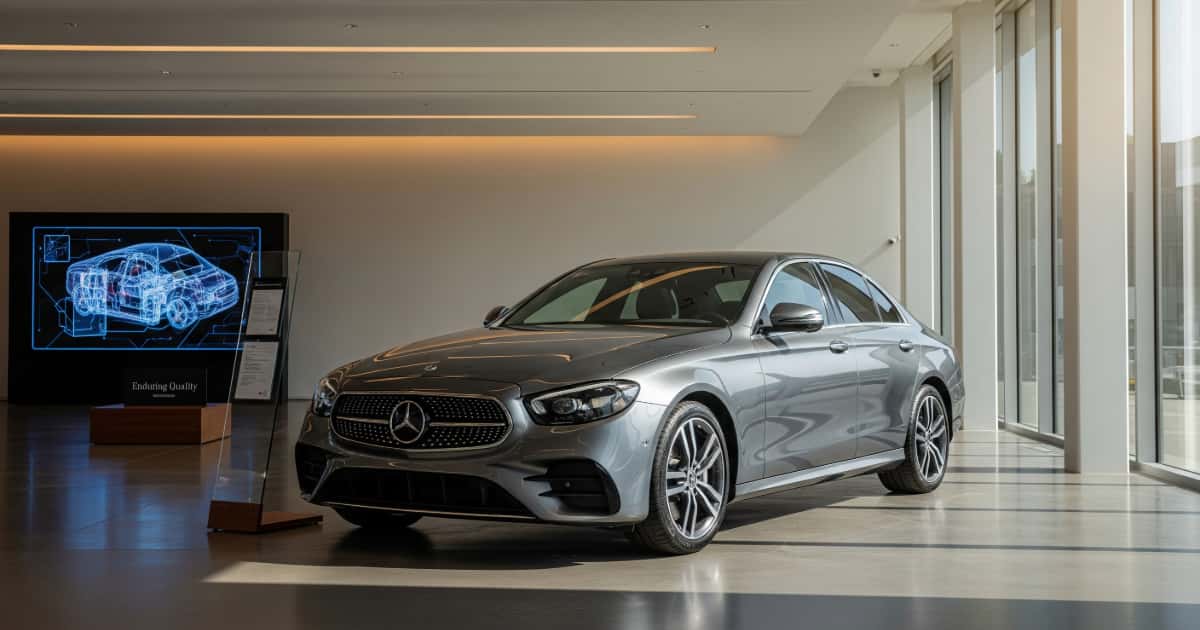
Keep service simple and regular. A few smart habits make a big difference.
Routine tasks to follow
- Change oil every 5,000 to 10,000 miles based on oil type and driving.
- Replace air filters, spark plugs, and fluids per Mercedes schedule.
- Inspect belts, hoses, and cooling system annually.
Suspension and brakes
- Air suspension components wear with time. Inspect bags and compressors early.
- Replace brake pads and rotors before they damage calipers.
Transmission and driveline care
- Service the automatic transmission fluid every 40,000 to 60,000 miles.
- Fix leaks quickly to prevent internal damage.
Electrical and software
- Keep software updated at dealer or trusted shop to fix bugs.
- Replace aging batteries and inspect alternator output.
Record keeping and inspections
- Keep every receipt. This helps diagnose patterns and proves care on resale.
- Get a pre-purchase inspection if you buy used.
Practical tips from my experience
* I once found a 2008 S-Class with 220,000 miles and great health because the owner kept a folder of services. That history saved money and kept the car reliable.
- Avoid cheap aftermarket parts for critical systems like steering, suspension, and engine management.
How long does a Mercedes-Benz S-Class typically last? With this maintenance routine, expect many more miles and fewer surprises.
Common problems by generation and mileage
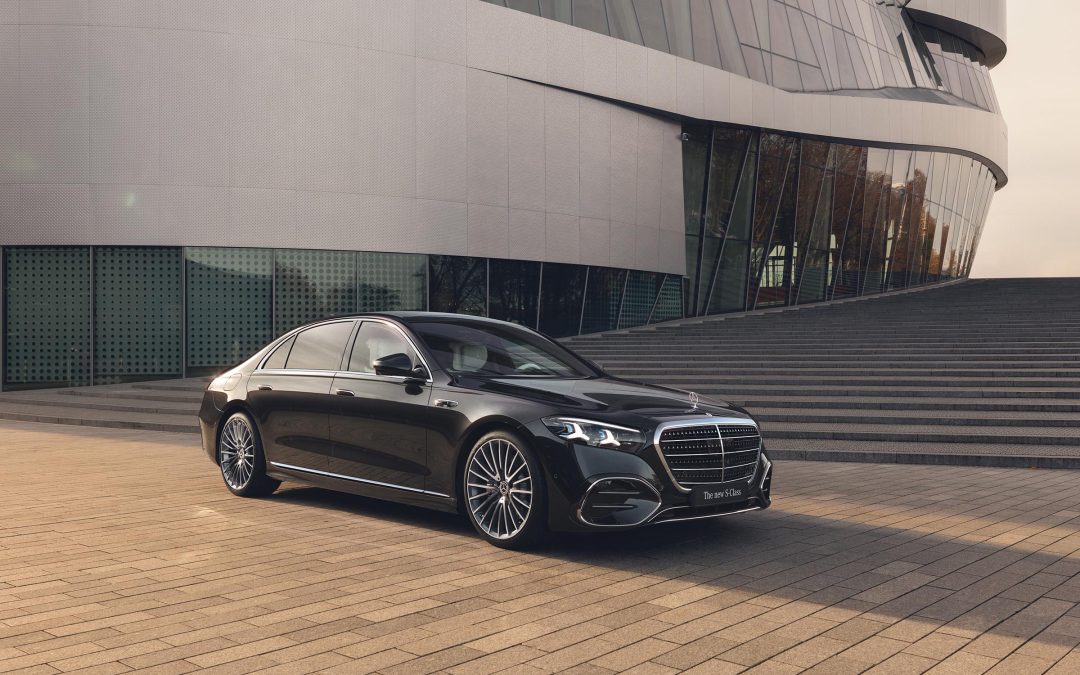
Knowing common faults helps you plan repairs and avoid costly surprises.
Air suspension and ride control
- Air bags and compressors often fail after 80,000–120,000 miles.
- Symptoms include sagging corners or uneven ride height.
Electronic issues
- Older models suffer from worn control modules and sensors.
- Newer models have more software-related faults that need dealer attention.
Transmission wear
- High-mileage automatics may need a rebuild or replacement after 150,000–200,000 miles if fluid changes were neglected.
- Smooth shifting early on often predicts a healthier transmission.
Engine and cooling system
- Head gasket and timing chain issues can appear on specific engines with age and poor maintenance.
- Cooling system leaks and radiator corrosion shorten engine life if not fixed.
Rust and body wear
- Road salt accelerates corrosion in underbody and trunk areas.
- Regular underbody washes help prevent long-term damage.
How long does a Mercedes-Benz S-Class typically last? Recognize these trends. Plan repairs and budget for major items if you see these signs.
Real-world lifespan examples and ownership experience
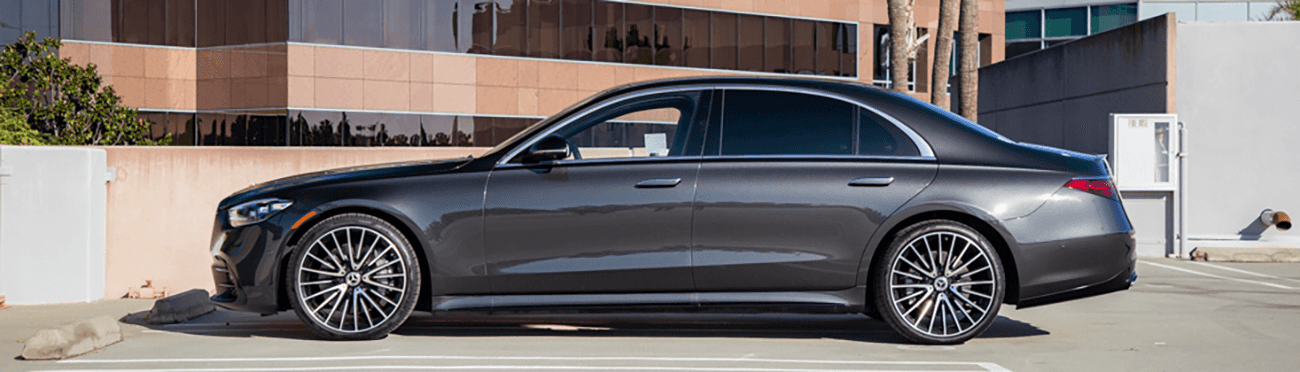
Stories show what to expect in real use. Here are a few real scenarios from my work and driving history.
Example 1 — Highway queen
- A 2010 S-Class used mostly for commuting and long trips reached 300,000 miles. It kept up clean service records and had an engine rebuild at 220,000 miles.
Example 2 — City fleet
- A 2013 S-Class used in town reached 150,000 miles quickly. It needed air suspension and transmission work. The lack of consistent servicing shortened its life.
Lessons I learned
- Service history matters more than age. A 15-year-old car with full receipts can outlast a neglected 5-year-old model.
- Pay attention to warning lights. Small electrical issues can grow into major jobs if ignored.
How long does a Mercedes-Benz S-Class typically last? These examples show a wide range. The driver and the service record are often the deciding factor.

Cost, resale, and buying advice
Buying and owning an S-Class means thinking about costs and resale value. Plan ahead to avoid regret.
Buying used
- Choose cars with full service history and clear ownership.
- Prioritize units with recent suspension and transmission work done.
Expected repair costs
- Major repairs like transmission rebuilds or engine overhauls can be costly.
- Budget for parts and labor that are higher than average mid-size sedans.
Resale value
- Proper service records and a clean body help retain value.
- Certified pre-owned models often cost more but give warranty protection.
Tips when shopping
- Always get a pre-purchase inspection with a lift check for rust and suspension leaks.
- Negotiate based on repairs the car will need soon.
How long does a Mercedes-Benz S-Class typically last? The car can last many years, but ownership costs and repairs are real. Buy smart and budget for upkeep.
Quick search questions
What maintenance matters most for longevity?
- Timely oil and transmission fluid changes, suspension checks, and fixing leaks quickly are the biggest longevity drivers.
Can I keep an S-Class past 200,000 miles?
- Yes. Many owners reach 200,000–300,000 miles with careful maintenance and occasional major repairs.
Are newer S-Class models more reliable long-term?
- Newer models add safety and comfort but also complex electronics. Reliability improves if software and modules are kept updated.
Frequently Asked Questions of How long does a Mercedes-Benz S-Class typically last?
How many miles can I expect from an S-Class before major repairs?
Most owners see major component work after 150,000–200,000 miles, though many cars last much longer with care.
Does air suspension make S-Class ownership expensive?
Air suspension can be costly to repair, and components often fail after 80,000–120,000 miles, increasing ownership costs.
Is it worth buying a high-mileage S-Class?
It can be, if the car has a full service history and recent major repairs. A pre-purchase inspection helps decide.
How often should I service an S-Class to maximize lifespan?
Follow manufacturer intervals, usually oil changes every 5,000–10,000 miles and transmission service every 40,000–60,000 miles, and inspect key systems yearly.
Can routine DIY maintenance help the S-Class last longer?
Yes. Simple tasks like fluid checks, filter changes, and visual inspections can prevent small issues from becoming large ones.
Conclusion
Mercedes-Benz S-Class models can last decades when maintained well. How long does a Mercedes-Benz S-Class typically last? The honest answer is that it depends on care, use, and repairs, but reaching 200,000–300,000 miles is realistic for many owners. Take action by keeping detailed service records, addressing problems early, and budgeting for key repairs. If you own or plan to buy an S-Class, start with a service plan and a trusted mechanic. Share your S-Class story below, subscribe for more guides, or get a pre-purchase inspection to protect your investment.