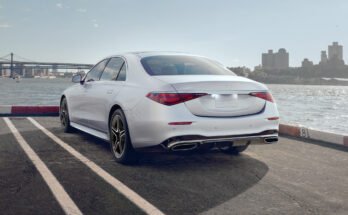
The Mercedes‑Benz S‑Class is very reliable for daily driving when well maintained and chosen carefully.
I’ve spent years testing luxury cars and advising buyers, and I know what matters for daily use. This article examines how reliable is the Mercedes‑Benz S‑Class for daily driving, from common faults to ownership costs and real-world tips. You’ll get clear facts, practical checks, and hands‑on advice to decide if an S‑Class works for your everyday life.

49% off Today's Exclusive Deals
Limited-time Exclusive Deals. Check current discount on Amazon.
Check Price on Amazon As an Amazon Associate I earn from qualifying purchases.
Reliability overview
The Mercedes‑Benz S‑Class blends advanced tech with strong engineering. Reliability depends on model year, maintenance history, and how complex features are used. Older S‑Classes are simpler and often more robust. Newer S‑Classes add more electronics and driver aids, which bring extra convenience but also more potential failure points.
Key points to know about how reliable is the Mercedes‑Benz S‑Class for daily driving
49% off Today's Exclusive Deals
Limited-time Exclusive Deals. Check current discount on Amazon.
Check Price on Amazon As an Amazon Associate I earn from qualifying purchases.- Mechanical bones are solid: engines and transmissions are durable when serviced.
- Electronics and air suspension are the main sources of problems.
- Certified pre‑owned cars with full service records reduce risk.
Real owners and shop technicians report that routine service and prompt fixes keep S‑Classes dependable for daily use. If you drive daily, expect comfort, quiet, and strong highway reliability, but plan for periodic electronic or suspension repairs.
Model years and platform differences
Not all S‑Classes are equal. Knowing the platform helps answer how reliable is the Mercedes‑Benz S‑Class for daily driving.
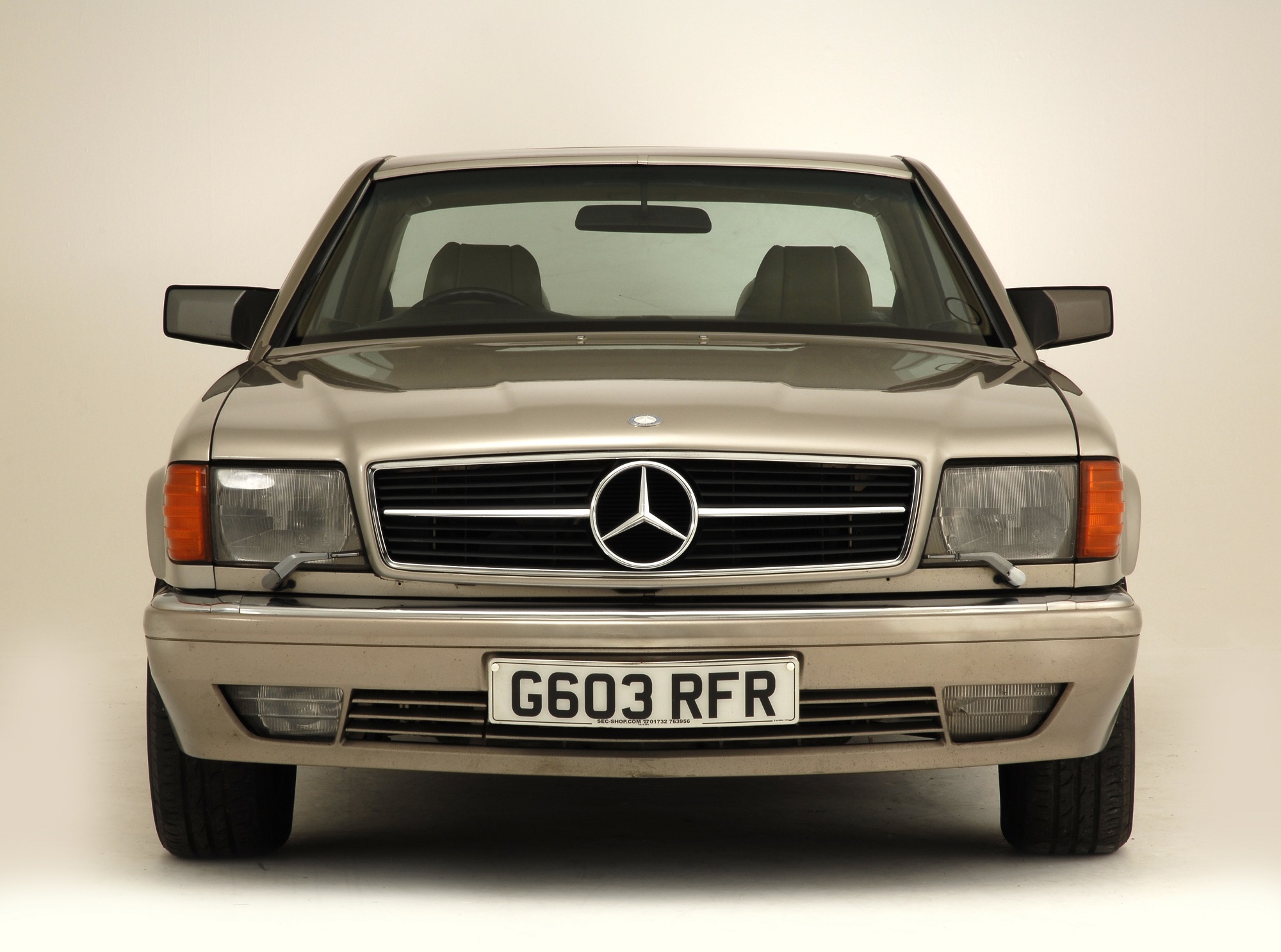
- W220 (1998–2005): Early modern luxury. Simpler tech. Common issues were electronics and rust. Parts are affordable today.
- W221 (2006–2013): Improved engines and safety systems. Air suspension and complex electronics sometimes fail. Service costs rose.
- W222 (2014–2020): Big step in tech and luxury. Strong engines and refined ride. Fewer mechanical failures, more software and sensor issues.
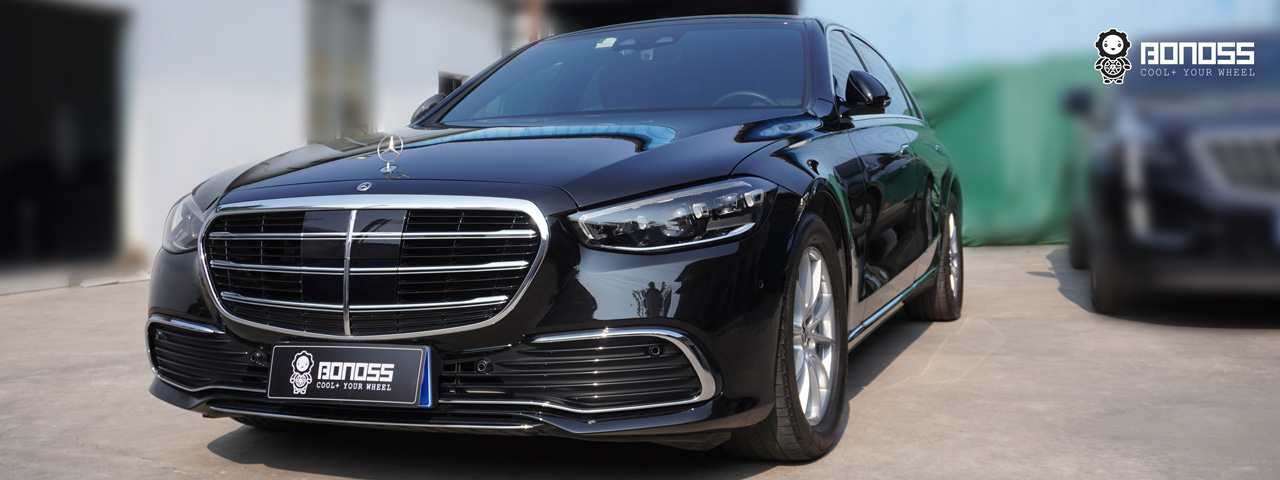
- W223 (2020‑present): Most advanced S‑Class yet. Top safety and comfort tech. Very capable but packed with systems that can need software updates and calibrations.
Choosing recent, well‑maintained models improves reliability. Older S‑Classes can be reliable and cheaper to repair but lack the newest features.
49% off Today's Exclusive Deals
Limited-time Exclusive Deals. Check current discount on Amazon.
Check Price on Amazon As an Amazon Associate I earn from qualifying purchases.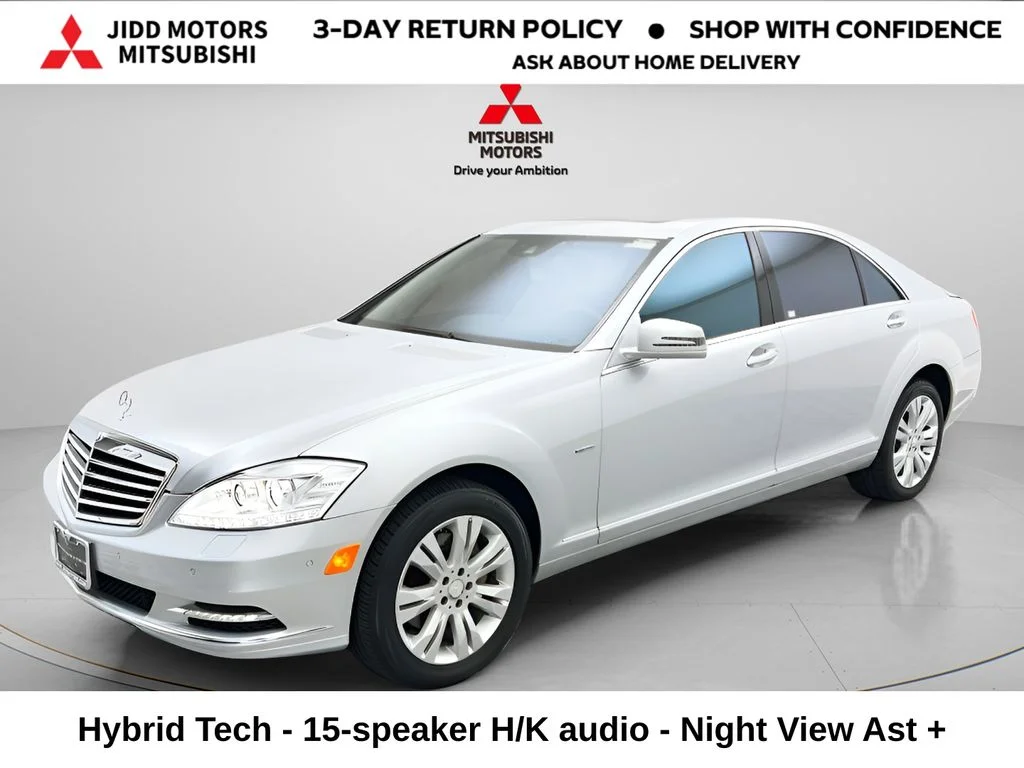
Common reliability issues and practical fixes
When assessing how reliable is the Mercedes‑Benz S‑Class for daily driving, examine these frequent trouble spots.
- Electronics and software
- Symptoms: infotainment glitches, warning lights, sensor errors.
- Fix: software updates, module resets, dealer diagnostics.
- Air suspension (AIRMATIC/ABC)
- Symptoms: sagging ride, loud compressors, uneven stance.
- Fix: replace air springs, valves, or compressors; inspect lines and reservoirs.
- Electrical accessories
- Symptoms: seat motors, window regulators, door modules failing.
- Fix: targeted part replacements; lubricate tracks to extend life.
- Engine and emissions systems
- Symptoms: DPF/clogging in diesel, misfires from coils or plugs in gasoline units.
- Fix: regular maintenance, shorter trips avoided for diesels, timely tune‑ups.
- Transmission and driveline
- Symptoms: rough shifts, delayed engagement.
- Fix: fluid service, software updates, rebuild if severe.
- HVAC and climate control
- Symptoms: weak airflow, bad odor, sensor faults.
- Fix: cabin filter changes, evaporator cleaning, sensor replacement.
Most problems are fixable. The trick is early diagnosis and using skilled technicians. This approach greatly improves how reliable is the Mercedes‑Benz S‑Class for daily driving.
Maintenance costs and ownership expenses
Owning an S‑Class is more costly than a mainstream sedan. That affects long‑term reliability and your peace of mind.
Typical costs
- Routine service and oil changes: expect higher labor and parts prices than mass‑market cars.
- Annual maintenance: budget roughly two to three times a normal sedan, depending on mileage and model year.
- Tires and brakes: premium parts cost more, and large wheel options increase wear.
- Repairs for suspension or electronics: can be expensive if major modules or compressors fail.
Ways to keep costs predictable
- Choose a certified pre‑owned car with warranty coverage.
- Keep maintenance records and follow service intervals.
- Use independent specialists who know Mercedes to save on labor rates.
- Consider an extended warranty for major electronic and suspension systems.
Understanding these costs helps you decide whether the S‑Class fits your daily driving budget and expectations.
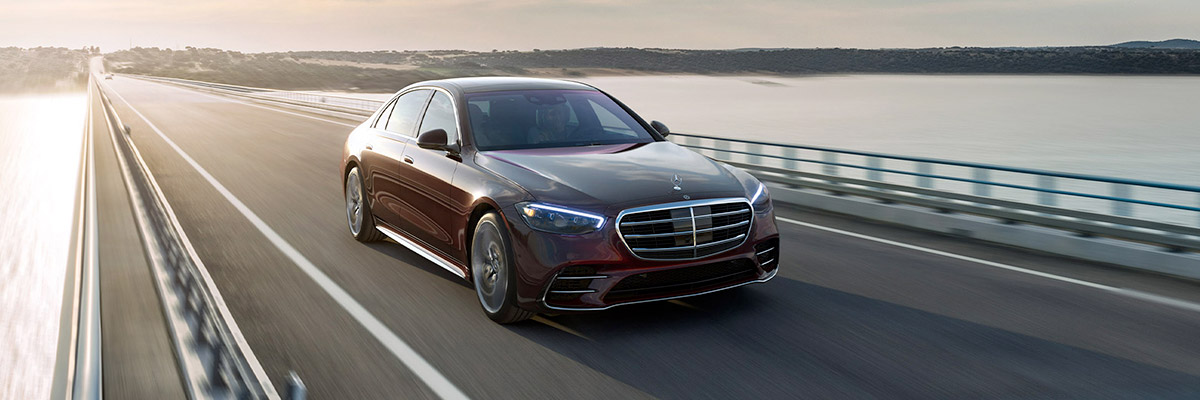
Daily driving practicality
The S‑Class was built for comfort and calm daily commutes. Here’s how it performs in common everyday scenarios.
Comfort and ride
- Exceptionally smooth on highways and rough roads.
- Air suspension soaks bumps; seats offer lumbar and massage options.
Fuel economy and efficiency
- Large engines mean moderate consumption. Hybrid and mild‑hybrid variants help in city driving.
- Diesel models return strong highway economy but need longer trips to stay healthy.
City driving and parking
- Large size can be a drawback in tight city spaces.
- Parking sensors and 360‑degree cameras ease maneuvering but add complexity.
Driver assistance and safety tech
- ADAS systems reduce stress in traffic and on long commutes.
- Keep software updated and sensors clean for reliable operation.
If you prioritize comfort and prestige for daily driving, the S‑Class delivers. If you need nimble city commuting or low running costs, compare alternatives before deciding how reliable is the Mercedes‑Benz S‑Class for daily driving in your context.

Tips to maximize reliability and value
To get the most from an S‑Class as a daily driver, follow these practical tips based on experience.
- Buy smart
- Prefer certified pre‑owned models with full service records.
- Verify air suspension and electrical history in pre‑purchase inspections.
- Maintain proactively
- Follow scheduled services. Replace wear items before they fail.
- Keep software and navigation maps updated.
- Pick the right options
- Avoid overly exotic packages that add low‑value complexity.
- Consider hybrid options for better city efficiency.
- Build a service team
- Find a trusted independent shop that specializes in German luxury.
- Keep a dealer relationship for warranty and complex diagnostics.
- Know when to repair vs replace
- Small electrical gremlins can be fixed affordably.
- Major module failures may justify warranty claims or sourced used parts.
PAA-style questions
What should I inspect before buying an S‑Class used?
- Check service history, air suspension condition, and confirm software update records. A pre‑purchase inspection by a Mercedes specialist is essential.
Is the S‑Class good for short daily commutes?
- It is exceptionally comfortable, but diesel variants need longer trips. Gasoline and hybrid models suit short commutes better.
How often do electronics fail on S‑Class models?
- Issues are more likely on high‑feature cars, but they are usually intermittent and fixable with updates or module replacement.

Frequently Asked Questions of How reliable is the Mercedes-Benz S-Class for daily driving?
Which S‑Class years are the most reliable for daily use?
Later W222 models and well‑maintained W221s offer a strong balance of reliability and tech. Newer W223s are very capable but can require more software attention.
Are air suspension problems common on the S‑Class?
Yes, air suspension issues are one of the more common problems, especially on older models; regular inspections and timely part replacement minimize downtime.
Can I afford to maintain an S‑Class as a daily driver?
Maintenance costs are higher than average, but predictable budgeting, a good independent shop, and careful buying make daily ownership feasible for many buyers.
Are hybrid S‑Class models better for city driving?
Hybrid and mild‑hybrid S‑Classes improve fuel economy in traffic and reduce strain on the engine, making them a smart choice for city commutes.
Should I buy certified pre‑owned or private sale?
Certified pre‑owned reduces risk with warranty and inspection coverage. Private sales can save money but need thorough checks and documented service history.
How long do S‑Class engines and transmissions typically last?
With regular service, engines and transmissions often exceed 200,000 miles. Longevity depends on maintenance, driving habits, and timely repairs.
Is the tech in the S‑Class more trouble than it's worth?
Advanced tech greatly improves comfort and safety, but it does add potential failure points. If you value these features, the benefits usually outweigh the added maintenance.
Conclusion
The Mercedes‑Benz S‑Class can be a very reliable daily driver when chosen and cared for wisely. Its mechanical strength, comfort, and safety make it ideal for daily commuting and long trips. Expect higher maintenance costs and occasional electronic or suspension repairs, but plan accordingly and you’ll enjoy years of luxurious, dependable driving.
Takeaway: inspect carefully, keep up with service, and build a trusted repair network. If you want a daily sedan that prioritizes comfort and prestige, test drive an S‑Class, check the service history, and see how it fits your routine. Leave a comment or subscribe to learn more about buying and owning luxury cars.