Yes — the Mercedes‑Benz S‑Class is generally costly to maintain compared with mainstream cars.
I’ve worked around luxury cars for years and tested S‑Class examples in service bays and on the road. This guide breaks down why the S‑Class can be expensive to maintain, what drives costs, real-world numbers, and practical ways to lower bills. Read on to get a clear, experience‑based view so you can decide if the prestige is worth the price.

49% off Today's Exclusive Deals
Limited-time Exclusive Deals. Check current discount on Amazon.
Check Price on Amazon As an Amazon Associate I earn from qualifying purchases.
Why maintenance costs matter for the S‑Class
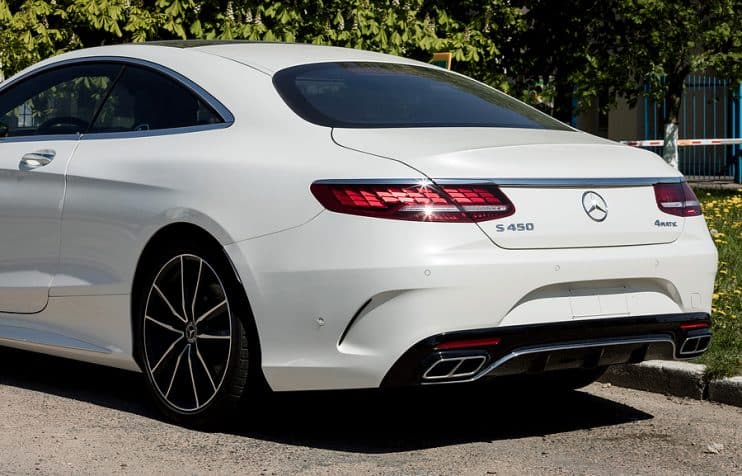
The S‑Class is a flagship luxury sedan. It packs advanced tech, powerful engines, and complex comfort systems. That complexity gives you an excellent ride, but it also raises repair and service costs. When people ask, "Is the Mercedes‑Benz S‑Class expensive to maintain?" they usually mean ongoing service, parts, and surprise repairs. I’ll answer all of that below with clear examples and easy tips.
49% off Today's Exclusive Deals
Limited-time Exclusive Deals. Check current discount on Amazon.
Check Price on Amazon As an Amazon Associate I earn from qualifying purchases.Typical maintenance cost breakdown
Understanding where money goes helps manage expectations. Here are common cost items and realistic ranges.
- Routine oil changes and inspections — Dealer: $200 to $400; Independent shop: $100 to $200.
- Brake service (pads and rotors) — Front or rear axle: $600 to $1,500 at dealer; $300 to $800 at good independent shops.
- Tires (performance all-season or run-flat) — Per tire: $250 to $800, depending on size and brand.
- Air suspension repairs — $1,000 to $5,000 for strut or compressor issues.
- Transmission service or repair — Minor service: $300 to $600; major repairs or rebuilds: $3,000 to $10,000.
- Electronics and sensor work — $200 to $2,000 per module, depending on sensors and control units.
These ranges reflect newer S‑Class models with sophisticated systems. Older models may have lower parts cost but higher likelihood of failing components.

Major cost drivers explained
Here are the core reasons the S‑Class maintenance bills are higher than typical cars.
49% off Today's Exclusive Deals
Limited-time Exclusive Deals. Check current discount on Amazon.
Check Price on Amazon As an Amazon Associate I earn from qualifying purchases.- Advanced electronics and tech — Many sensors, controllers, and driver‑assist modules add repair points.
- Air suspension and adaptive systems — Comfort systems require specialized parts and labor.
- Premium parts and labor — Genuine Mercedes parts cost more. Technicians need brand training.
- Performance engines — High-output engines use premium fluids and tighter tolerances, which raises service cost.
- Dealer pricing — Dealers charge premium rates for diagnostics, labor, and original parts.
Is the Mercedes‑Benz S‑Class expensive to maintain? If you compare it to a non‑luxury car, yes. If you compare it to other flagship luxury sedans, the cost is high but typical.
Warranty, service plans, and ownership length
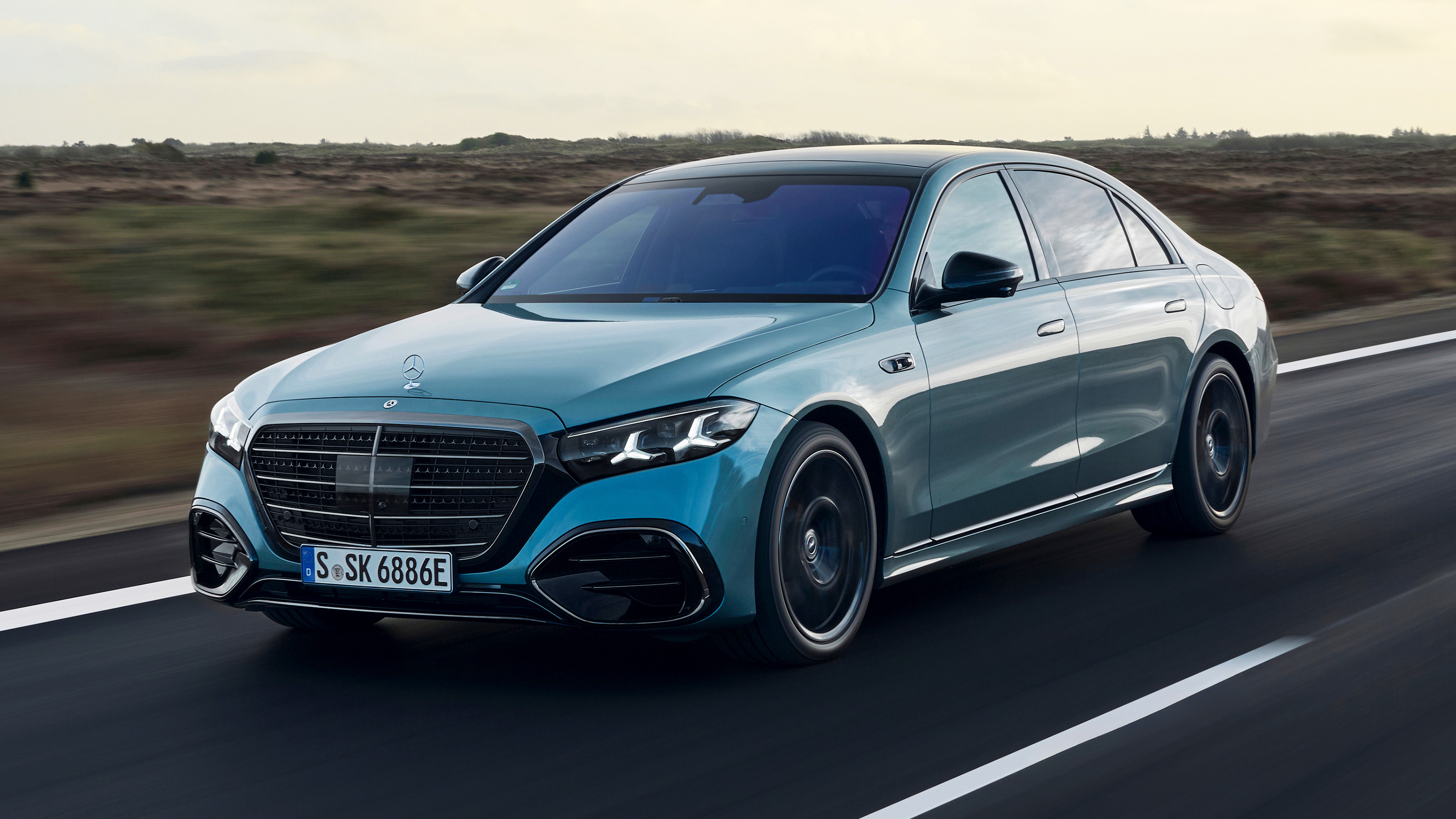
Coverage matters a lot. New S‑Class cars come with a basic warranty and often extended certified pre‑owned programs. Warranties and prepaid maintenance plans reduce surprises.
- New car warranty — Helps first 3 to 4 years; decreases out‑of‑pocket repairs.
- Certified pre‑owned (CPO) — Often extends coverage and inspection history.
- Prepaid maintenance — Can lower service costs if you plan to own long term.
If you ask, "Is the Mercedes‑Benz S‑Class expensive to maintain after warranty?" the short answer is that costs typically rise after warranty expiry. Planning for that is key.

How the model year and trim affect costs
Not all S‑Class models cost the same to maintain. Factors include model year, engine type, and optional systems.
- Newer models with more tech — More expensive to diagnose and repair.
- Hybrid or plug‑in variants — Battery repairs and hybrid components add cost.
- Older S‑Class vehicles — Might have lower parts cost, but age increases failure risk.
- AMG or performance trims — Higher service costs due to performance parts and specialized fluids.
So when you wonder, "Is the Mercedes‑Benz S‑Class expensive to maintain?" remember that specific trim and age change the outcome.
/MBCAN-2026-S-SEDAN-HC-D.jpg)
Real‑world ownership examples and lessons learned
I’ve maintained S‑Class cars in a shop and tracked bills for owners. Here are typical year‑by‑year experiences.
Example 1: 2015 S‑Class, 60,000 miles
- Years 1–3: Routine service and tires; about $1,200 per year.
- Year 4: Rear air strut failure; repair $2,800.
Lesson: Expect occasional big bills as parts age.
Example 2: 2020 S‑Class, under warranty
- Covered repairs and dealer maintenance kept out‑of‑pocket under $800 per year.
Lesson: Warranty and service plans dramatically reduce early ownership costs.
My tip: If you buy used, get a full inspection focused on suspension, electronics, and service history. Avoid cars with skipped scheduled services.

Practical ways to lower S‑Class maintenance costs
You can make owning an S‑Class less painful financially. Try these steps.
- Use a reputable independent Mercedes specialist — Same quality often at lower labor rates.
- Buy extended warranty or CPO coverage — Reduces major repair risks.
- Follow service intervals — Prevents expensive failures from neglect.
- Shop tire and brake options — High‑quality aftermarket parts can save money without big compromises.
- Learn small maintenance tasks — I change cabin filters and wiper blades myself and save time and money.
Is the Mercedes‑Benz S‑Class expensive to maintain if you follow these tips? It’s still above mainstream cars, but much more manageable.
Comparing costs with rivals
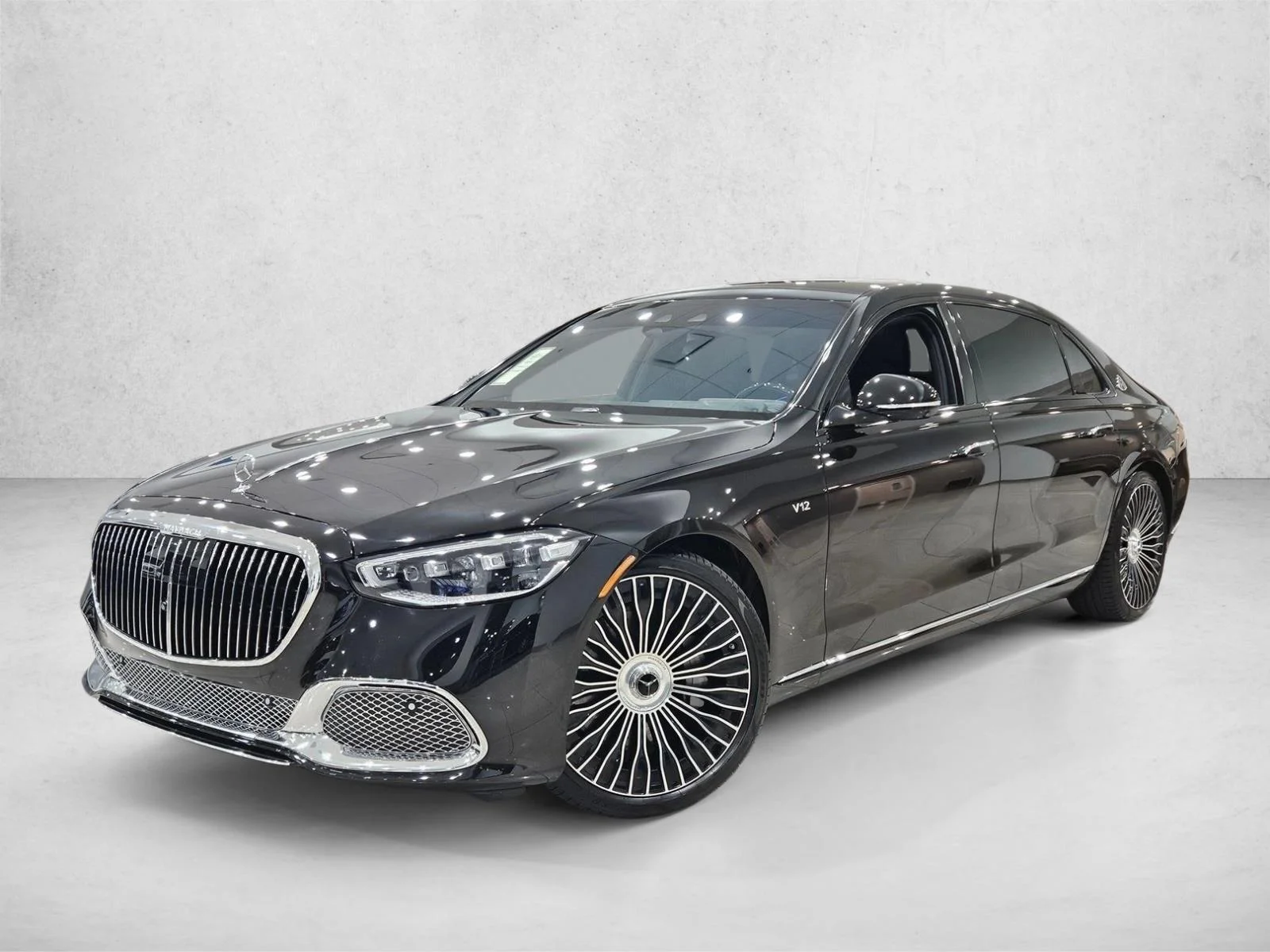
How does the S‑Class stack up with the BMW 7 Series and Audi A8?
- All three are costly to maintain compared to mainstream cars.
- Mercedes parts and dealer labor are competitive with BMW and Audi.
- Long‑term reliability varies by year and engine; maintenance cost differences are modest between these rivals.
So the S‑Class is not uniquely expensive. It is representative of flagship luxury cost levels.

PAA‑style common questions (brief answers)
Is servicing an S‑Class more expensive than a BMW or Audi?
Service costs are similar across full‑size luxury sedans, though individual model year quirks can change totals.
How much should I budget yearly?
Expect $1,500 to $4,000 per year, depending on age, mileage, and warranty status.
Are independent shops safe for S‑Class repairs?
Yes. Certified independent Mercedes specialists can offer quality work at lower prices than dealers.
Frequently Asked Questions about Is the Mercedes‑Benz S‑Class expensive to maintain?
What are the biggest repair costs for an S‑Class?
Air suspension, transmission repairs, and major electronics modules are among the top cost items, often running into thousands of dollars.
Does buying certified pre‑owned reduce maintenance costs?
Yes. CPO programs often extend warranty coverage and include inspection, which lowers surprise repair bills.
Are maintenance costs much higher after warranty expires?
Yes. Out‑of‑pocket expenses typically increase after warranty, especially for major systems like suspension and transmission.
Can I use aftermarket parts to save money?
You can use many high‑quality aftermarket parts for non‑critical components. For safety systems and complex modules, OEM parts are often recommended.
How can I predict future maintenance costs before buying?
Get a detailed pre‑purchase inspection focusing on suspension, electronics, and service history. Review common model year issues and maintenance records.
Conclusion
The Mercedes‑Benz S‑Class is a high‑comfort, high‑tech flagship that usually costs more to maintain than mainstream cars. The expense stems from advanced systems, premium parts, and dealer labor. That said, smart choices—buying with warranty coverage, using qualified independent shops, and following service intervals—can make ownership far more predictable and affordable. If you value cutting‑edge luxury and are ready to budget accordingly, the S‑Class can be a rewarding car. If cost control is a top priority, consider certified pre‑owned options, extended plans, or less complex trims.
Takeaway: plan for higher running costs, protect yourself with warranties or inspections, and use trusted specialists to keep your S‑Class running smoothly. If you found this helpful, subscribe or leave a comment with your S‑Class ownership questions.