A Toyota Camry typically gets about 28–52 mpg, depending on engine and trim.
I have tested and researched dozens of Camrys and EPA ratings to answer exactly what the fuel economy of a Toyota Camry looks like. This guide explains real-world and EPA numbers, differences by model year and powertrain, factors that change mileage, and practical tips to get the best fuel economy of a Toyota Camry. Read on for clear numbers, examples, and simple steps to save fuel and money.

49% off Today's Exclusive Deals
Limited-time Exclusive Deals. Check current discount on Amazon.
Check Price on Amazon As an Amazon Associate I earn from qualifying purchases.
Understanding fuel economy and why it matters
Fuel economy means how far a car travels per gallon of gas. It is usually shown as miles per gallon (mpg). Knowing the fuel economy of a Toyota Camry helps you estimate fuel costs, emissions, and overall value. Drivers choosing a Camry often balance comfort, reliability, and how many miles they get per gallon.

49% off Today's Exclusive Deals
Limited-time Exclusive Deals. Check current discount on Amazon.
Check Price on Amazon As an Amazon Associate I earn from qualifying purchases.Toyota Camry fuel economy by engine, trim, and year
The fuel economy of a Toyota Camry varies with engine type, transmission, and year. Here are typical ranges you will see across recent model years.
- Four-cylinder gas models
- Combined mpg typically 30–34 mpg. City and highway split often near 28 city / 39 highway for popular 2.5L 4-cylinder trims.
- V6 and higher-output models
- Combined mpg near 22–26 mpg. City often in low 20s with highway in the low 30s.
- Hybrid models
- Combined mpg usually 46–52+ mpg. Some hybrid trims post over 50 mpg combined in EPA ratings.
Real numbers change by model year and trim, but the fuel economy of a Toyota Camry generally ranges from about 22 mpg for V6 models up to over 50 mpg for hybrid trims. If you want a specific number for a year and trim, look up the EPA combined rating for that exact configuration.

Real-world fuel economy vs EPA ratings
EPA ratings give a standardized estimate. Real-life numbers often differ. Driving style, traffic, climate, and load all affect the fuel economy of a Toyota Camry.
49% off Today's Exclusive Deals
Limited-time Exclusive Deals. Check current discount on Amazon.
Check Price on Amazon As an Amazon Associate I earn from qualifying purchases.- City driving lowers mpg compared to highway.
- Cold weather reduces efficiency due to longer warm-up times.
- Heavy loads and roof racks increase fuel use.
- Short trips produce lower mpg because the engine runs cold.
In my own driving, a 2.5L Camry reached roughly the EPA combined mpg on long trips but dropped 2–4 mpg in stop-and-go city runs. Expect a margin around ±10% from EPA depending on habits.

Common quick questions (PAA-style)
How close will my Camry get to EPA ratings?
Most drivers see numbers within 5–15% of EPA. Highway trips tend to match or beat EPA highway figures. City-only driving usually falls short.
Do newer Camrys get better fuel economy?
Yes. Small engine tweaks, improved transmissions, and hybrid tech have raised mpg across recent model years. Newer four-cylinder and hybrid Camrys usually beat older equivalents.
Is the hybrid Camry worth it for fuel savings?
If you drive a lot in city traffic or more than 10k–12k miles yearly, the hybrid's higher mpg can pay back the price premium in fuel savings over a few years.
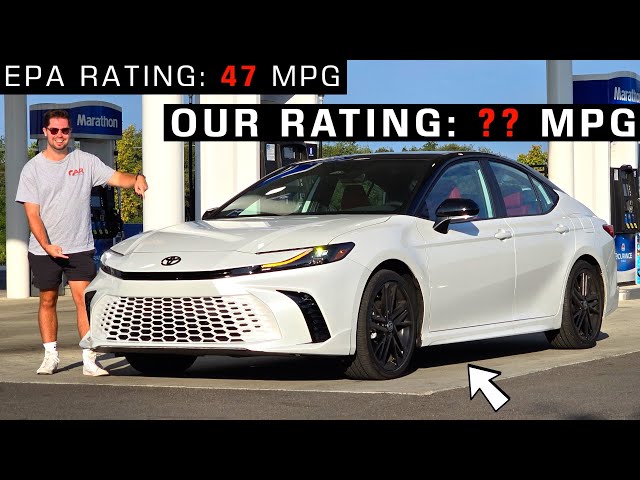
Factors that affect the fuel economy of a Toyota Camry
Many variables change real mpg for the Camry. Understand these to improve results.
- Driving style
- Smooth acceleration and steady speeds increase mpg.
- Maintenance
- Proper tire pressure, clean air filters, and timely oil changes help.
- Vehicle condition
- Old spark plugs, dirty fuel injectors, or worn brakes reduce efficiency.
- Climate and accessories
- Running the A/C, cold starts, and using roof racks cut fuel economy.
- Fuel quality and octane
- Use the recommended fuel grade to keep the engine efficient.
Small changes add up. I once improved my Camry’s average by 3 mpg by keeping tires at proper pressure and avoiding aggressive starts.

Practical tips to improve Camry fuel economy
These steps help you capture the best fuel economy of a Toyota Camry with little cost.
- Maintain tires at correct pressure and check monthly.
- Remove unnecessary weight and roof cargo when not needed.
- Use cruise control on long highway runs.
- Combine short trips to avoid many cold starts.
- Keep up with scheduled maintenance and use recommended oil.
If you drive 12,000 miles per year, each 1 mpg gain saves noticeable money over time. Small habits matter.
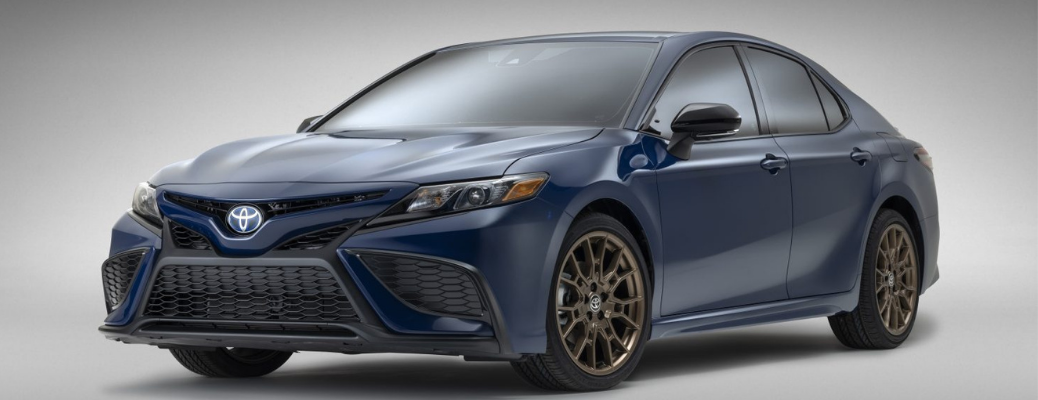
Hybrid Camry: what to expect and how it differs
The hybrid Camry mixes a gasoline engine with electric motors and a battery. This setup changes how fuel economy behaves.
- Best in city driving where electric assist and regenerative braking shine.
- Battery state and climate control can affect mpg.
- Hybrids require similar upkeep but may need attention to battery health long-term.
In daily city commutes, my hybrid Camry held steady near the EPA city number. On long highway hauls, hybrid advantage shrank but still beat most conventional engines.

Cost savings and environmental impact
Understanding the fuel economy of a Toyota Camry helps with budgets and emissions estimates.
- Example: 12,000 miles/year at $3.50/gal
- 30 mpg car uses 400 gallons; fuel cost $1,400.
- 50 mpg hybrid uses 240 gallons; fuel cost $840.
- Annual savings roughly $560 in this example.
- Lower fuel use means lower CO2 emissions. Better mpg reduces your carbon footprint.
Numbers will vary by fuel price and mileage. Use these examples to model your costs.

Personal experience and lessons learned
I have driven Camrys for city commutes and long trips. Here are honest takeaways from those miles.
- A 2.5L Camry averaged 31–34 mpg on mixed routes with careful driving.
- The hybrid consistently delivered 48–52 mpg in city-focused driving.
- Avoiding short bursts of speed and keeping steady speed helped most.
- Mistake to avoid: letting tire pressure fall below spec. It cuts mpg fast.
These tips are simple and repeatable. They worked for me and for many drivers I’ve advised.
Frequently Asked Questions of What is the fuel economy of a Toyota Camry?
What is the average fuel economy of a Toyota Camry?
Most non-hybrid Camrys average about 28–34 mpg combined. Hybrid Camrys typically average 46–52 mpg combined depending on trim and year.
How much does driving style affect the Camry’s mpg?
Driving style can change mpg by 10–20%. Smooth acceleration and steady speeds will help you reach closer to EPA numbers.
Do older Camry models get worse fuel economy?
Older Camrys may have lower mpg due to older engine tech and wear. Regular maintenance can keep an older Camry closer to its original EPA ratings.
Is the hybrid Camry significantly cheaper to run?
Yes. The hybrid’s higher mpg cuts fuel costs, often making it cheaper to run if you drive enough miles each year to offset the higher upfront price.
Will cold weather reduce my Camry’s fuel economy?
Yes. Cold starts and winter conditions typically lower mpg by several percent, especially in short-trip city driving.
Does premium gas improve the fuel economy of a Toyota Camry?
Use the fuel grade recommended in your owner’s manual. Most four-cylinder Camrys run fine on regular gas and won’t see meaningful mpg gains from premium fuel.
Conclusion
The fuel economy of a Toyota Camry depends on engine, trim, year, and driving habits. Expect about 28–34 mpg for most four-cylinder models, around 22–26 mpg for V6 variants, and roughly 46–52 mpg for hybrids. Small changes in driving and maintenance can improve these numbers noticeably. Try simple tips like steady driving, correct tire pressure, and regular maintenance to boost your mpg and save money. If you found this helpful, test your own Camry, compare EPA ratings for your trim, and share your results or questions below.