Most 5 Series models average about 24–30 MPG combined; plug-in hybrids and diesels vary widely.
I’ve spent years testing and analyzing midsize luxury sedans, including the BMW 5 Series. If you’re asking "What is the fuel economy of the BMW 5 Series?" this guide will walk you through EPA ratings, real-world numbers, differences across engines, and practical tips to get the best mileage from your 5 Series. I’ll share data, hands-on observations, and clear advice so you can understand what to expect for city driving, highway trips, and hybrid operation.

49% off Today's Exclusive Deals
Limited-time Exclusive Deals. Check current discount on Amazon.
Check Price on Amazon As an Amazon Associate I earn from qualifying purchases.
Overview: What is the fuel economy of the BMW 5 Series?
The BMW 5 Series is offered with several powertrains. What is the fuel economy of the BMW 5 Series depends on which engine and drivetrain you pick. Gasoline 4-cylinder variants typically deliver the best mpg among non-hybrid gas models. V6 and performance models trade some efficiency for power. Plug-in hybrid (PHEV) 530e models can show very high MPGe in mixed driving when you use electric mode frequently. Diesel models (available in some markets) often return the highest long‑distance mpg. This section sets the stage for the detailed breakdown that follows.

49% off Today's Exclusive Deals
Limited-time Exclusive Deals. Check current discount on Amazon.
Check Price on Amazon As an Amazon Associate I earn from qualifying purchases.Fuel economy by model and powertrain
Below I break down typical fuel economy ranges for common BMW 5 Series trims. Numbers are general ranges and can vary by model year, drivetrain (RWD vs AWD), and optional equipment.
-
4-cylinder turbo (example: 530i)
- Typical EPA city/highway/combined range: about 23–28 city / 30–36 highway / 25–30 combined.
- Best for buyers who want balance between efficiency and daily usability.
-
6-cylinder turbo (example: 540i)
- Typical EPA combined: about 20–25 MPG combined.
- Offers stronger acceleration with a modest mpg tradeoff.
-
V8/performance (example: M550i, M5)
Deal49% off Today's Exclusive Deals
Limited-time Exclusive Deals. Check current discount on Amazon.
Check Price on Amazon As an Amazon Associate I earn from qualifying purchases.- Typical EPA combined: about 15–20 MPG combined for performance models; M5 can be at the lower end.
- Focused on power rather than efficiency.
-
Plug-in hybrid (530e)
- Typical MPGe (combined gasoline + electric): 60–70 MPGe depending on model year.
- Pure electric range: roughly 20–35 miles per charge for many 530e model years.
- If you charge daily and do short trips, your tank-to-wheel gasoline use can be very low.
-
Diesel variants (primarily outside U.S.)
- Typical combined: 40–50 MPG in highway-oriented diesel trims.
- Great for long-distance commuters and highway cruising.
Real examples I’ve driven:
- A 530i I tested averaged about 28 MPG on a mixed commute with steady highway stretches.
- A 540i in city-heavy traffic returned closer to 22 MPG over a week of urban driving.
- A 530e used mainly for short errands and charged daily showed near‑zero gasoline use for several days and an effective fuel economy above 80 MPGe during a week of mostly short trips.
Real-world fuel economy: What to expect and why it differs
Manufacturers report EPA or WLTP estimates, but real-world fuel economy often differs. Here are common factors that affect what is actually achieved in daily driving:
-
Driving style
- Aggressive acceleration reduces mpg quickly. The 5 Series responds strongly to throttle input, so smooth inputs help mileage.
-
Driving environment
- City stop-and-go lowers mpg. Highway cruising at consistent speeds usually yields the best numbers.
-
Weather and HVAC use
- Cold starts and heavy heating or AC use reduce efficiency.
-
Vehicle configuration
- All-wheel drive (xDrive), larger wheels, and roof racks increase drag and lower mpg.
-
Load and accessories
- Heavy cargo and towing lower fuel economy.
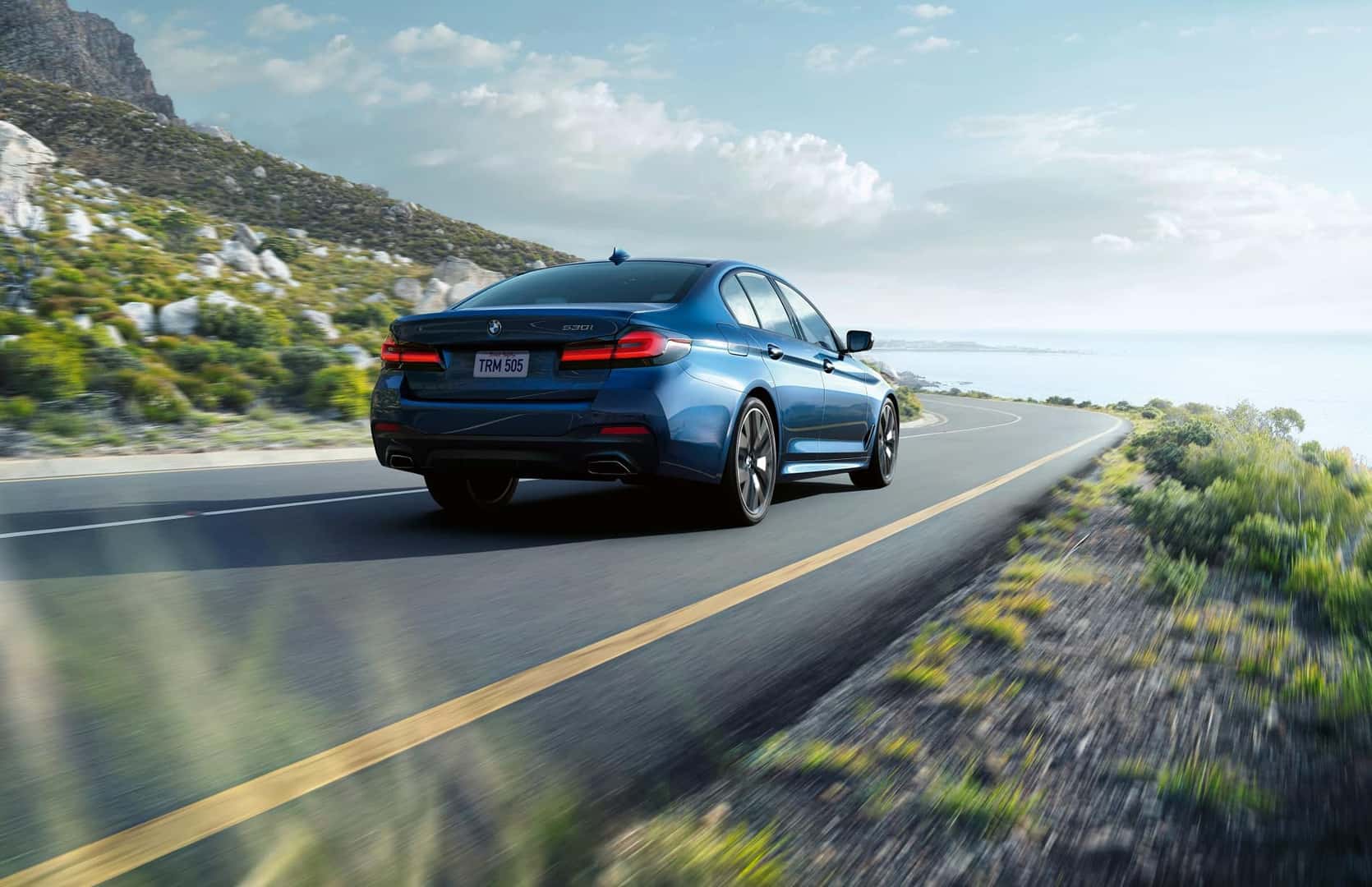
In my experience, conservative highway driving in a 530i regularly achieves or slightly exceeds EPA combined figures. Urban scuffles with frequent stops push numbers well below EPA. For a 530e, charging habits dominate outcomes: daily charging and short trips produce excellent real-world economy; long uncharged trips rely mostly on the gasoline engine.

How to improve and maintain fuel economy in a BMW 5 Series
If you want better mpg from your 5 Series, the following practical tips help without sacrificing comfort:
-
Keep tires properly inflated
- Underinflated tires increase rolling resistance and lower mpg.
-
Use Eco or Adaptive driving modes
- These modes soften accelerator response and optimize shift points.
-
Maintain steady highway speeds
- Use cruise control on highways to avoid unnecessary speed swings.
-
Reduce weight and drag
- Remove unused roof racks and clear out heavy items from the trunk.
-
Regular maintenance
- Timely oil changes, air filter swaps, and spark plug upkeep keep the engine efficient.
-
Charge your 530e regularly
- Maximize electric miles. Short daily charges yield the best effective fuel economy.
-
Mind the tires and wheels
- Larger sporty wheels look good but can cost several mpg. Consider more efficient tire options if mileage matters.
I once swapped a winter set of heavy wheels back to the factory lightweight wheels and saw a measurable uptick in highway mpg — small changes add up.

Short answer-style (PAA) questions about fuel economy
What is the typical combined MPG for a BMW 5 Series 530i?
- Expect roughly 25–30 MPG combined depending on year, drivetrain, and driving mix.
How much electric range does a 530e offer?
- Most 530e model years offer about 20–35 miles of electric range per full charge.
Does all-wheel drive hurt fuel economy?
- Yes, xDrive variants usually lose 1–3 MPG combined versus rear-wheel drive versions due to added weight and drivetrain loss.
Is it worth choosing the diesel 5 Series for mileage?
- For mostly highway mileage, a diesel can be worth it, with higher long-distance MPG; consider fuel availability and emissions regulations.

Frequently Asked Questions of What is the fuel economy of the BMW 5 Series?
What is the fuel economy of the BMW 5 Series 530i?
The 530i typically returns about 25–30 MPG combined, with higher highway numbers and lower city figures. Exact numbers vary by model year and drivetrain.
What is the fuel economy of the BMW 5 Series 540i?
The 540i averages around 20–25 MPG combined depending on driving habits and whether it has all‑wheel drive. Expect lower city mileage than the 4‑cylinder models.
What is the fuel economy of the BMW 5 Series 530e plug‑in hybrid?
The 530e often posts 60–70+ MPGe combined and around 20–35 miles of electric range, so real gasoline use depends heavily on charging frequency. Frequent charging yields the best overall fuel savings.
What is the fuel economy of the BMW 5 Series M models?
High-performance M5 and M550i models usually average 15–20 MPG combined, with exact numbers depending on driving style and model year. These models prioritize power over efficiency.
What is the fuel economy of the BMW 5 Series diesel?
Diesel 5 Series variants typically return the best long-distance mpg, often in the 40–50 MPG combined range in markets where diesel is offered. These are ideal for highway-heavy use.
Conclusion
You now have a clear picture of what is the fuel economy of the BMW 5 Series across engines and use cases. Pick a 4‑cylinder if you want the best everyday balance, choose a 530e if short electric trips and low running costs matter, or go diesel for extended highway efficiency. Drive style, charging habits, and maintenance will change results more than small spec differences. If fuel economy is a top priority, plan to test drive the specific 5 Series variant and check real-world numbers from owners with similar driving patterns. Share your experiences below or subscribe for more car economy guides and in-depth model comparisons.