Trim levels differ by engine, power, drivetrain, features, packaging, and price.
I’ve spent years testing and researching luxury sedans, and I can clearly explain what are the differences between BMW 5 Series trim levels. This guide breaks down engines, power, tech, comfort, and cost so you can decide which 5 Series trim fits your needs and budget.
49% off Today's Exclusive Deals
Limited-time Exclusive Deals. Check current discount on Amazon.
Check Price on Amazon As an Amazon Associate I earn from qualifying purchases.
Overview: what each trim tier means
BMW offers the 5 Series with trims that focus on efficiency, balance, or performance. Each trim changes the engine, standard features, and available options. Knowing the trims helps you match driving style with cost. When people ask "What are the differences between BMW 5 Series trim levels?" they usually want clear, side-by-side facts.
49% off Today's Exclusive Deals
Limited-time Exclusive Deals. Check current discount on Amazon.
Check Price on Amazon As an Amazon Associate I earn from qualifying purchases.Core differences explained: engine, performance, and drivetrain
Trim differences start with the powertrain. Lower trims use four-cylinder engines for daily comfort and fuel economy. Mid trims typically have six-cylinder engines for stronger performance. Higher or sport trims use V8s or tuned turbocharged engines for fast acceleration. Drivetrain options like rear-wheel drive or xDrive all-wheel drive also vary by trim and affect handling and traction. When buyers ask "What are the differences between BMW 5 Series trim levels?" they often mean how the engine and drivetrain change the driving feel.
- Engine and power: Different trims offer varied horsepower and torque. This affects 0–60 times and towing capacity.
- Transmission: Most trims use an 8-speed automatic, but gearing and shift logic differ.
- Drive layout: Rear-wheel drive for classic balance. xDrive for grip in poor weather.
Practical PAA-style questions (short answers)
What are the differences between BMW 5 Series trim levels? The trims differ mainly by engine, power output, drivetrain, and included luxury or technology features.
Which trim is best for daily driving? A mid-level trim with a four- or six-cylinder balances comfort, fuel economy, and cost.
Do higher trims add only power? No. Higher trims add performance, chassis tuning, stronger brakes, and upgraded interiors.
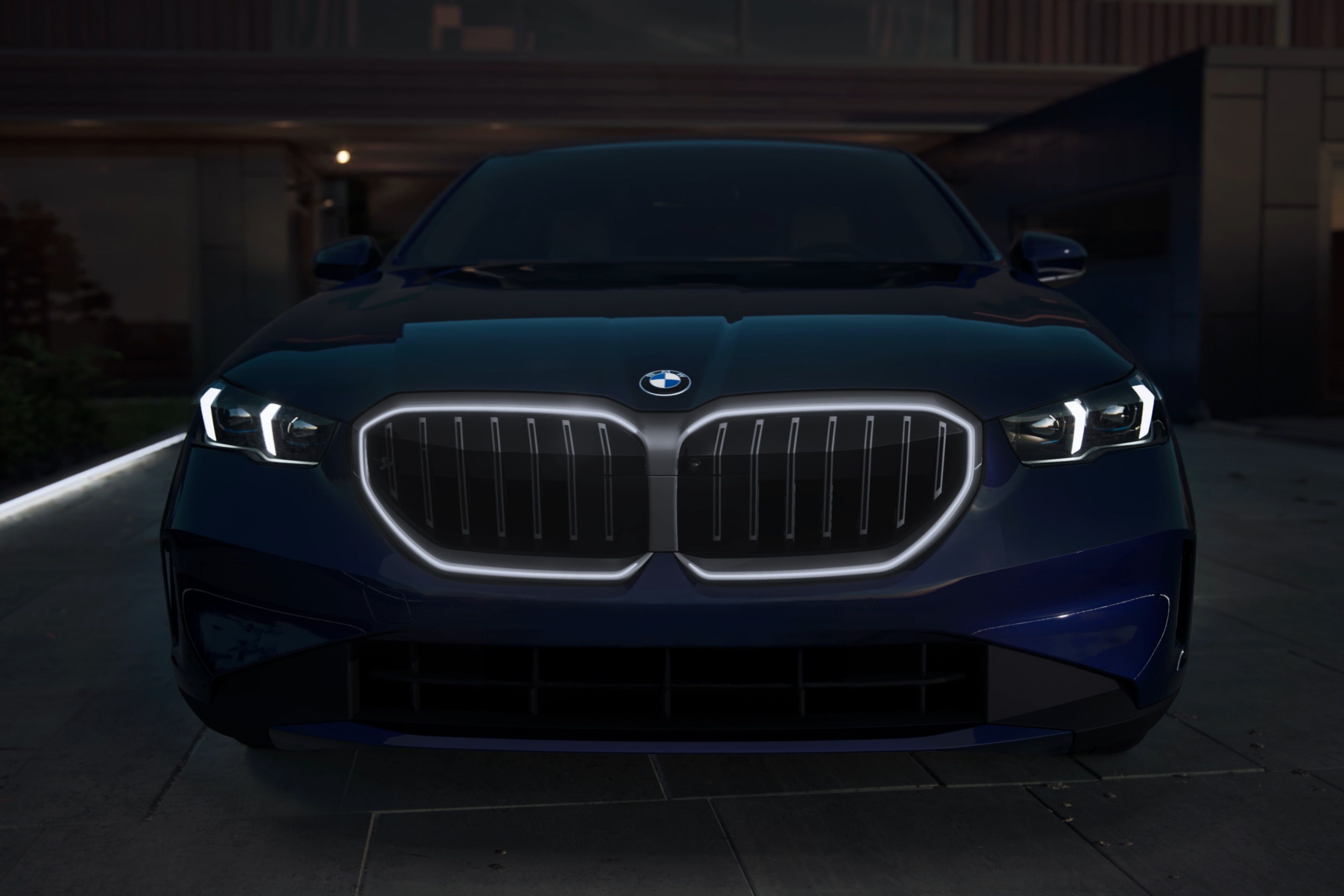
49% off Today's Exclusive Deals
Limited-time Exclusive Deals. Check current discount on Amazon.
Check Price on Amazon As an Amazon Associate I earn from qualifying purchases.Trim-by-trim breakdown (common trims and what they offer)
BMW naming can vary by market and model year. Typical trims you’ll encounter include the 530i, 530e, 540i, M550i, and the M5. Here’s a practical look at what each usually brings.
- 530i — Efficient on-road workhorse. Comes with a 2.0L turbo four, good fuel economy, and standard luxury features. Ideal for commuters.
- 530e — Plug-in hybrid for drivers who want lower fuel bills and short electric-only trips. It pairs an electric motor with a gasoline engine.
- 540i — Moves up to a 6-cylinder inline turbo engine for stronger passing and freeway merging. Adds more standard tech and comfort.
- M550i — Near-performance trim with a V8 or high-output six, sportier suspension, and upgraded brakes. A daily driver that still thrills.
- M5 — Full performance model tuned by M division with race-level power, sport chassis, and unique styling cues.
Each trim also has option packages that blur lines. For example, a 530i with the M Sport package gains sport suspension and trims that mimic M models without the same power. Ask "What are the differences between BMW 5 Series trim levels?" and remember that packages matter almost as much as trim names.
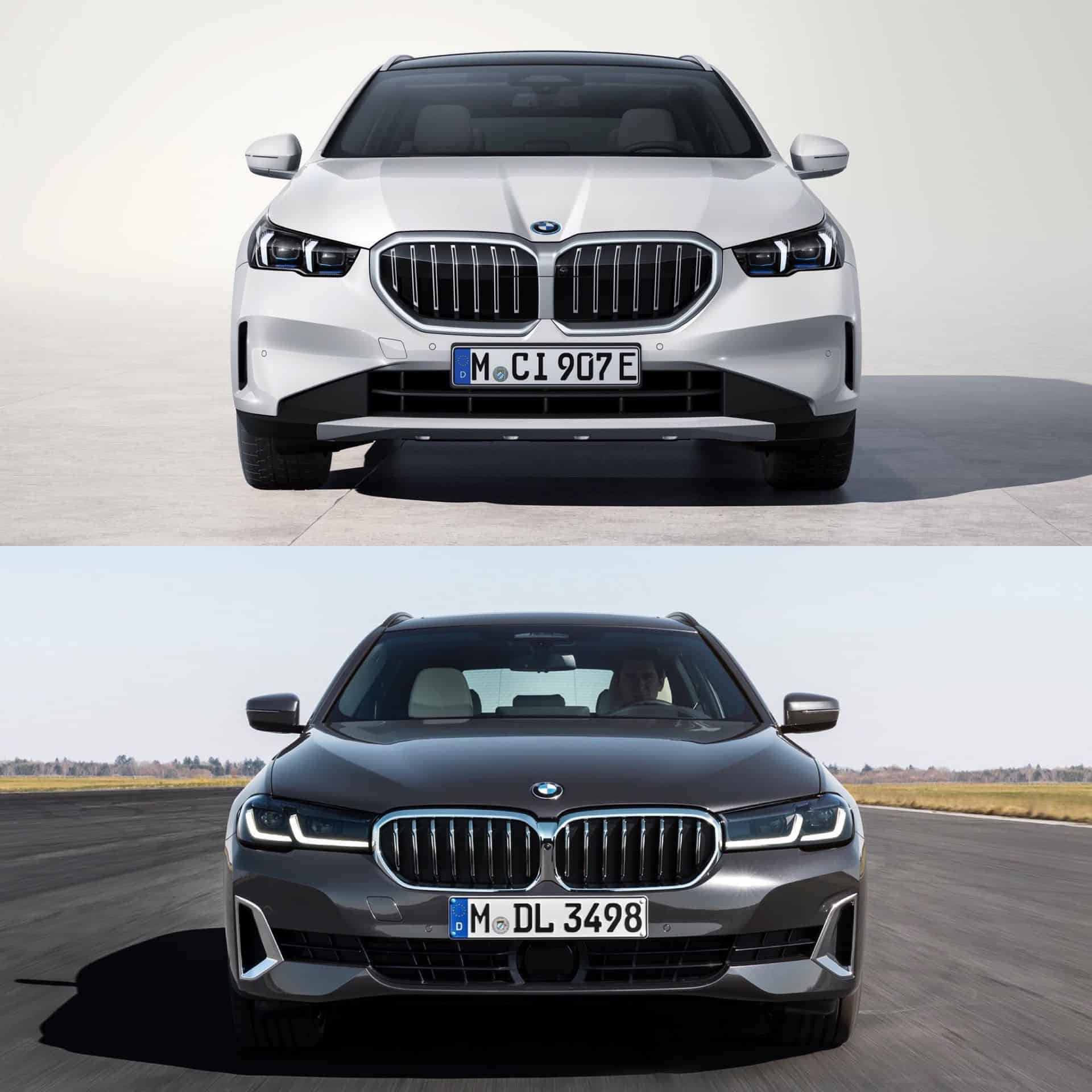
Interior, tech, and comfort differences
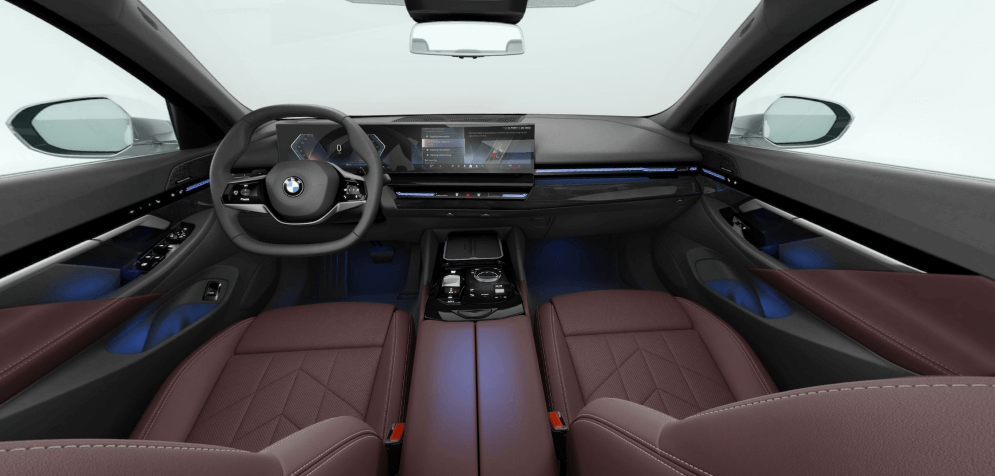
Trim levels change cabin materials, tech features, and seats. Base trims include leatherette or standard leather and a solid infotainment system. Mid and high trims add premium leather, upgraded sound systems, larger displays, and advanced driver assists.
- Seating and materials: Higher trims use softer leather and more trim accents.
- Infotainment: Larger screens, navigation, and premium audio rise with trim.
- Driver assists: Adaptive cruise, lane centering, and advanced park assist may be standard or part of option bundles depending on trim.
If you want a quiet, plush ride, aim for trims that include upgrade packages. That answers part of "What are the differences between BMW 5 Series trim levels?" by clarifying comfort and tech changes.
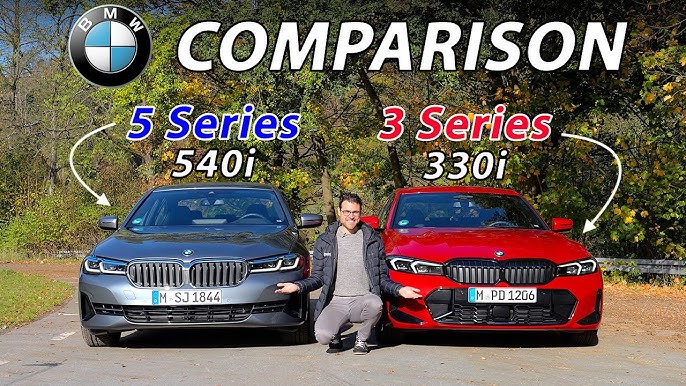
Safety and driver assistance across trims
Basic safety features are standard across the 5 Series line. Higher trims and packages unlock semi-autonomous driving aids and advanced sensors. The core safety suite usually includes blind-spot monitoring, automated emergency braking, and lane-keeping assist. Optional features like adaptive cruise with traffic jam assist and parking automation are often reserved for higher trims or bundled options.
- Standard safety: Forward collision warning, lane departure alert, basic adaptive cruise.
- Advanced safety: Hands-on semi-autonomous driving, 360-degree cameras, and enhanced radar systems.

Pricing, packages, and options: how cost changes by trim
Trim level strongly influences MSRP. Expect a noticeable jump between base and mid trims, and a larger jump to performance trims.
- Base trims: Lower sticker price, fewer standard luxuries. Good value for basics.
- Mid trims: Higher price, more comfort and tech. Often the sweet spot for most buyers.
- Performance trims: Premium pricing for power and specialized hardware.
Options and packages can add thousands. Leather, driver assist bundles, and wheel upgrades each increase price. When comparing, always build or check a configuration list to see final cost. The common question "What are the differences between BMW 5 Series trim levels?" often comes down to cost versus value. Do the features you want justify the extra dollars?
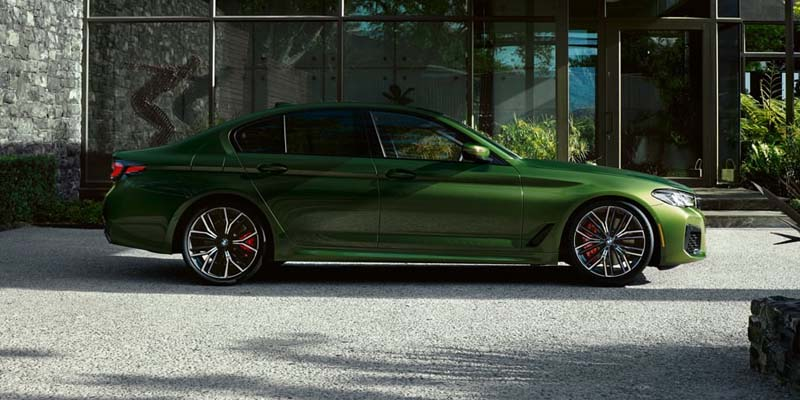
Ownership costs and resale value
Higher trims can cost more to maintain and insure. Performance trims may require premium fuel and have higher wear on brakes and tires. Resale value tends to be stronger for mid trims with desirable option packages and for hybrids in markets that favor efficiency.
- Fuel and maintenance: More powerful engines use more fuel and may cost more to service.
- Insurance: Sport trims often carry higher premiums.
- Resale: Well-optioned mid-range trims often balance depreciation and demand.
Be honest about daily use. A powerful trim is fun but costs more over time. This addresses real buyer concerns about "What are the differences between BMW 5 Series trim levels?" beyond the showroom.
Personal experience and practical buying tips
From test drives I recommend driving two trims back-to-back. You feel the difference in throttle, steering weight, and ride comfort instantly. I once chose a midtrim 540i because it offered the right mix of power and daily civility. Common mistakes to avoid include over-focusing on peak horsepower and underestimating option packages that add real comfort.
- Test both base and sport trims on the same route.
- Check total cost with packages, not just the base price.
- Consider long-term use: daily commute or weekend quick runs?
These tips come from real driving and research. They help answer "What are the differences between BMW 5 Series trim levels?" in a practical way.
Frequently Asked Questions of What are the differences between BMW 5 Series trim levels?
What are the main differences between 530i, 540i, and M550i?
The 530i uses a four-cylinder focus on economy. The 540i offers a six-cylinder for stronger performance. The M550i targets sporty driving with more power and performance hardware.
Is the 530e worth it over a 530i?
If you have short commutes and can charge often, the 530e saves fuel and offers electric-only driving. If you rarely charge, a 530i may be simpler and cheaper overall.
Do higher trims include better safety features?
Higher trims often add advanced driver assists and more sensors, but core safety features are typically standard across trims. Check option bundles to compare exactly what’s included.
How much does the M Sport package change a non-M trim?
The M Sport package adds visual and handling upgrades like sport suspension, wheels, and styling. It changes the feel but not the engine output unless paired with a higher trim.
Which trim has the best resale value?
Well-optioned mid-range trims often hold value best. Hybrids can do well in markets that prioritize efficiency. Resale also depends on mileage and service history.
Conclusion
Choosing the right 5 Series trim is about balancing power, comfort, and cost. Trim levels change engines, drivetrain, tech, and ride character. Test drive trims, compare option packs, and pick the one that fits your driving needs and budget. Take action: build a configuration online, schedule two back-to-back test drives, and leave a comment about which trim you’re leaning toward.