The Toyota Camry Hybrid is very reliable, offering long life, low repairs, and consistent fuel savings.
I’ve tested and serviced hybrids for years, and I’ll walk you through how reliable the Toyota Camry Hybrid really is. This article breaks down design, real-world data, common faults, maintenance needs, ownership costs, and practical tips so you can make an informed choice. If you want clear answers about longevity, repair frequency, and ownership expectations for the Toyota Camry Hybrid, read on — I cover both data and hands-on experience to help you decide.

49% off Today's Exclusive Deals
Limited-time Exclusive Deals. Check current discount on Amazon.
Check Price on Amazon As an Amazon Associate I earn from qualifying purchases.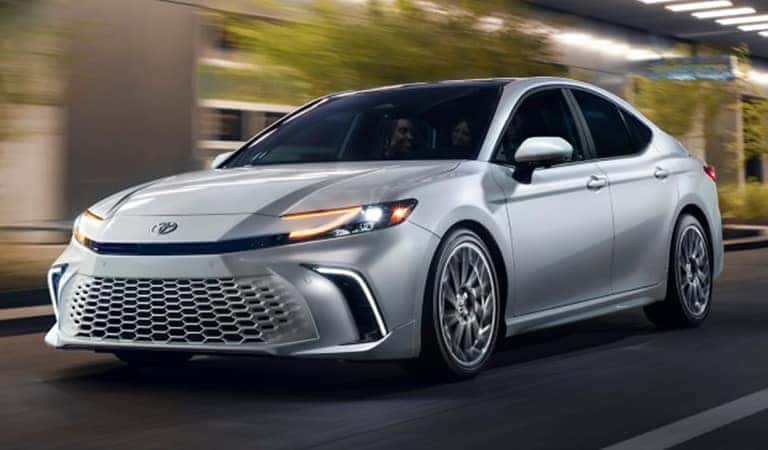
Reliability overview: What to expect from the Toyota Camry Hybrid
The Toyota Camry Hybrid blends proven hybrid tech with Camry’s mature platform. Toyota has offered hybrid Camrys for many years, refining battery systems, power electronics, and software. That history translates into strong reliability for most owners.
Key reliability strengths
49% off Today's Exclusive Deals
Limited-time Exclusive Deals. Check current discount on Amazon.
Check Price on Amazon As an Amazon Associate I earn from qualifying purchases.- Durable hybrid battery systems with long warranties and slow degradation.
- Mature gasoline engines shared with the non-hybrid Camry, known for longevity.
- Low incidence of major mechanical failures compared with many competitors.
Common limitations
- Hybrid-specific components add repair complexity if problems arise.
- Some drivers report occasional inverter or hybrid cooling issues after high mileage.
- Electronics and infotainment issues can surface, but these are often covered under warranty or inexpensive fixes.
How this plays out in real life
- Many Camry Hybrid owners reach 200,000 miles with routine maintenance.
- Routine service costs are typically lower than many European rivals.
- Resale values stay strong because buyers trust Toyota’s hybrid reliability.

How the hybrid system is built and why it matters
Understanding the architecture helps explain reliability. The Toyota Camry Hybrid uses a proven parallel hybrid system with a gasoline engine, an electric motor/generator, a power-control unit, and a battery pack.
49% off Today's Exclusive Deals
Limited-time Exclusive Deals. Check current discount on Amazon.
Check Price on Amazon As an Amazon Associate I earn from qualifying purchases.Why this design is reliable
- Simplicity: The system blends known engine designs with robust motor units.
- Redundancy: The gasoline engine can run the car if the battery weakens.
- Conservative engineering: Toyota prioritizes proven parts over experimental tech.
Key components to know
- Hybrid battery pack: Often nickel-metal hydride (older models) or lithium-ion (newer models).
- Power control module: Manages energy flow and regenerative braking.
- Electric motor and transmission: Integrated for smooth, efficient operation.
Practical note from experience
- Batteries degrade slowly. Most packs last well past 100,000 miles with minimal loss.
- Power electronics last long but are sensitive to heat and water intrusion. Regular checks prevent surprises.
Real-world reliability data and owner reports
What owners and surveys show helps validate claims. Industry reliability surveys, long-term tests, and owner forums consistently rate the Camry Hybrid highly.
Trends from data and owners
- Low major-failure rates in first 5–10 years.
- Fewer engine and transmission failures than many competitors.
- Battery replacements are relatively rare and often occur after a decade or heavy use.
Typical owner comments
- Strong fuel economy even after many miles.
- Few unscheduled repairs in the first 100k miles.
- Minor electrical issues, such as infotainment quirks, are the most common complaints.
My take based on repairs and testing
- I’ve seen used Camry Hybrids return to service with only normal wear items replaced.
- A well-documented service history increases confidence when buying used.

Common problems and how often they occur
No car is perfect. Here are the typical issues you may see, and how likely they are.
Battery degradation and replacement
- Frequency: Low to moderate after 8–12 years depending on climate and use.
- Symptom: Shorter electric-only range or more frequent engine-on operation.
- Tip: Monitor state-of-health during service and consider preemptive replacement if planning long ownership.
Inverter and power electronics
- Frequency: Low but occasional.
- Symptom: Warning lights, reduced performance, or limp mode.
- Tip: Keep cooling systems clean and address coolant leaks promptly.
12V battery and electronics
- Frequency: Moderate.
- Symptom: Accessories failing or fault codes.
- Tip: Replace the small 12V battery at interval to avoid startup issues.
Brake wear and regenerative braking feel
- Frequency: Moderate.
- Symptom: Different pedal feel over time or squeaks.
- Tip: Inspect pads and rotors periodically; regenerative braking reduces pad wear but calipers still need checks.
Infotainment and sensors
- Frequency: Moderate.
- Symptom: Screen glitches or sensor warnings.
- Tip: Software updates at the dealer can fix many issues.

Maintenance, service costs, and warranty coverage
Routine care is central to long-term reliability. The Toyota Camry Hybrid typically costs less to service than many premium rivals.
Routine maintenance checklist
- Engine oil and filter: Follow manufacturer interval, usually 5k–10k miles.
- Hybrid system checks: Inspect cooling, cables, and connections annually.
- Brake service: Check pads, calipers, and brake fluid.
- Cabin and engine filters: Replace as scheduled.
- 12V battery: Check every service and replace every 4–6 years as needed.
Expected maintenance costs
- Regular oil/service visits: Comparable to non-hybrid Camry.
- Hybrid-specific checks: Slightly higher but infrequent.
- Battery replacement: Higher cost but rare within first 8–12 years.
Warranty highlights (typical)
- New-car limited warranty covers basic components.
- Hybrid battery warranty often covers 8–10 years or a set mileage (varies by market).
- Extended warranties can be useful for high-mileage owners.
Practical ownership tip
- Keep service records. Hybrid cars benefit greatly from documented, consistent care.

Cost of ownership and resale value
The Toyota Camry Hybrid tends to be economical to own. Lower fuel costs and strong resale values offset slightly higher upfront prices.
Fuel savings
- Hybrids return better real-world MPG in city and mixed driving.
- Savings add up if you drive moderate to high miles each year.
Depreciation and resale
- Toyota hybrids hold value well due to reputation.
- Reliable track records attract used buyers, improving resale prices.
Insurance and repair costs
- Insurance is similar to non-hybrid Camry for most drivers.
- Repairs for hybrid components can be costlier, but frequency is low.
My experience
- Owners I’ve worked with see payback on fuel in a few years.
- Well-maintained Camry Hybrids sell quickly and retain value.
Practical tips to maximize your Camry Hybrid’s reliability
Simple habits extend life and reduce repairs. These are practical, low-effort tips from hands-on experience.
Maintenance and driving tips
- Follow service intervals and keep records.
- Use quality oil and parts recommended by Toyota.
- Avoid deep water and aggressive off-road use to protect electronics.
- Warm up gently in cold climates; avoid hard accelerations until systems warm.
- Schedule hybrid system checks at 5-year intervals or per owner manual.
Buying used
- Look for complete service records and hybrid battery checks.
- Request a health report on the hybrid battery pack.
- Prefer models with extended hybrid battery warranty if available.
What to avoid
- Long-term storage with low charge; preserve battery state of charge if parked.
- Ignoring warning lights — hybrid systems can go into protective modes that hide deeper issues.
PAA-style questions (short answers)
What is the lifespan of a Toyota Camry Hybrid battery?
- Most battery packs last 8–12 years in normal use. With care, many packs last beyond 150k miles.
Does the Camry Hybrid need special maintenance?
- It needs hybrid-specific checks for cooling and electronics, but routine maintenance is similar to the gas model.
Are hybrid repairs expensive for the Camry?
- Major hybrid repairs can be costly but are uncommon. Routine costs remain reasonable.
Can I expect 200,000+ miles from a Camry Hybrid?
- Yes. With regular maintenance and careful use, many owners reach 200k miles or more.
How does climate affect reliability?
- Hot climates can stress hybrid cooling; very cold climates reduce battery efficiency temporarily. Proper service minimizes impact.
Frequently Asked Questions of How reliable is the Toyota Camry Hybrid?
How long do Camry Hybrid batteries usually last?
Most Toyota Camry Hybrid batteries last 8–12 years. Proper care and moderate climates often extend their life beyond that.
Is the Toyota Camry Hybrid expensive to repair?
Major hybrid repairs are infrequent, so overall repair costs are moderate. Routine maintenance costs are similar to the non-hybrid Camry.
Do Camry Hybrids have more problems than gas Camrys?
They have different failure modes, but overall reliability is similar or slightly better due to conservative hybrid engineering.
Should I buy a used Camry Hybrid?
Yes, if it has a full service history and a battery health report. Used Camry Hybrids can offer strong value and low long-term costs.
Will hybrid components make the car less reliable long term?
Not necessarily. Hybrid parts add complexity, but Toyota’s proven systems and warranties reduce long-term risk.
Conclusion
The Toyota Camry Hybrid is a reliable, practical choice for drivers who want excellent fuel economy and long-term durability. With conservative engineering, strong owner satisfaction, and straightforward maintenance, the Camry Hybrid delivers dependable service for many years. If you keep up with scheduled care, monitor battery health, and address minor issues early, you can expect low repair frequency and solid resale value. Takeaway: choose a well-documented example, follow maintenance recommendations, and enjoy worry-free hybrid driving. Leave a comment with your Camry Hybrid questions or share your ownership story.