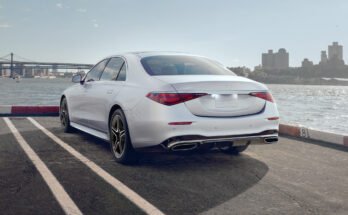
Most BMW 5 Series models require premium gasoline (91+ octane) for best performance and longevity.
I’ve spent years working with European cars and testing fueling strategies, so I’ll break down exactly what BMW recommends, why octane matters for the 5 Series, and what you can safely do if premium isn’t available. This article answers the central question — Does the BMW 5 Series require premium fuel? — with clear, practical advice, real-world examples, and maintenance tips so you can protect performance and avoid costly mistakes.

49% off Today's Exclusive Deals
Limited-time Exclusive Deals. Check current discount on Amazon.
Check Price on Amazon As an Amazon Associate I earn from qualifying purchases.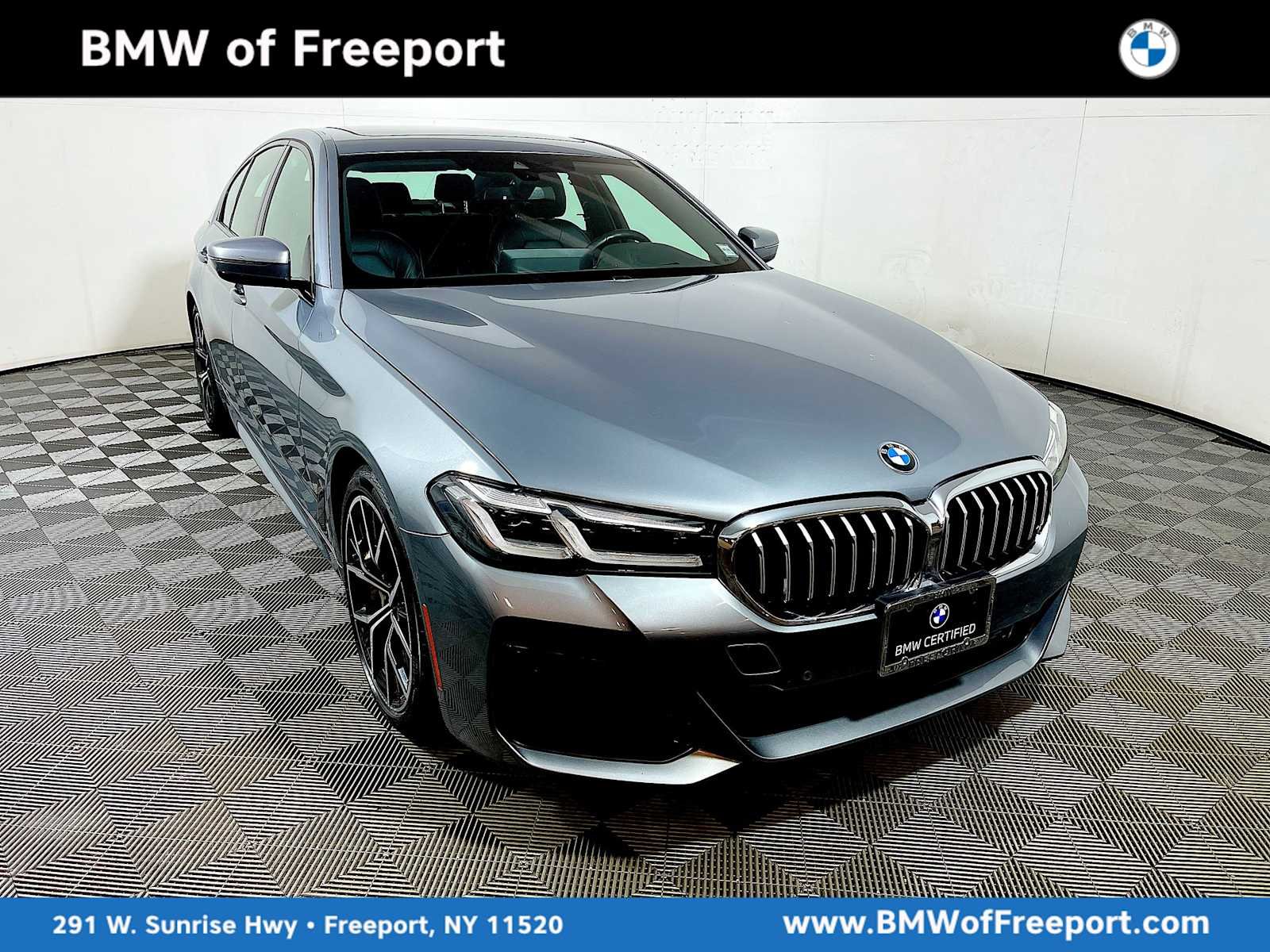
Does the BMW 5 Series require premium fuel? What the manufacturer and engineers say
Most BMW owners manuals and service guidance for the 5 Series advise using premium gasoline for many engines. Turbocharged and higher-compression engines in the 5 Series are tuned to run on 91 octane or higher. Using the recommended octane keeps timing and power where the engineers designed them to be.
Some models, such as base engines or certain hybrid/diesel variants, may tolerate regular fuel. Still, the safest approach for most gasoline 5 Series engines is to use premium. If you ask "Does the BMW 5 Series require premium fuel?" the short manufacturer-driven answer is yes for most gasoline variants.
49% off Today's Exclusive Deals
Limited-time Exclusive Deals. Check current discount on Amazon.
Check Price on Amazon As an Amazon Associate I earn from qualifying purchases.
What octane means and why it matters for the BMW 5 Series
Octane rating measures gasoline’s resistance to pre-ignition or knocking. Higher octane fuel resists knock under higher cylinder pressures and advanced ignition timing. Many BMW 5 Series engines use turbocharging and direct injection, which raise cylinder pressures and the need for higher octane.
Why this matters for your car
- Power and responsiveness: Higher octane lets the engine run more aggressive timing and deliver designed power.
- Engine protection: It reduces the chance of knock and the mechanical stress that can follow.
- Efficiency: Proper octane can maintain intended fuel economy and emissions levels.
49% off Today's Exclusive Deals
Limited-time Exclusive Deals. Check current discount on Amazon.
Check Price on Amazon As an Amazon Associate I earn from qualifying purchases.Which BMW 5 Series engines need premium and which don’t
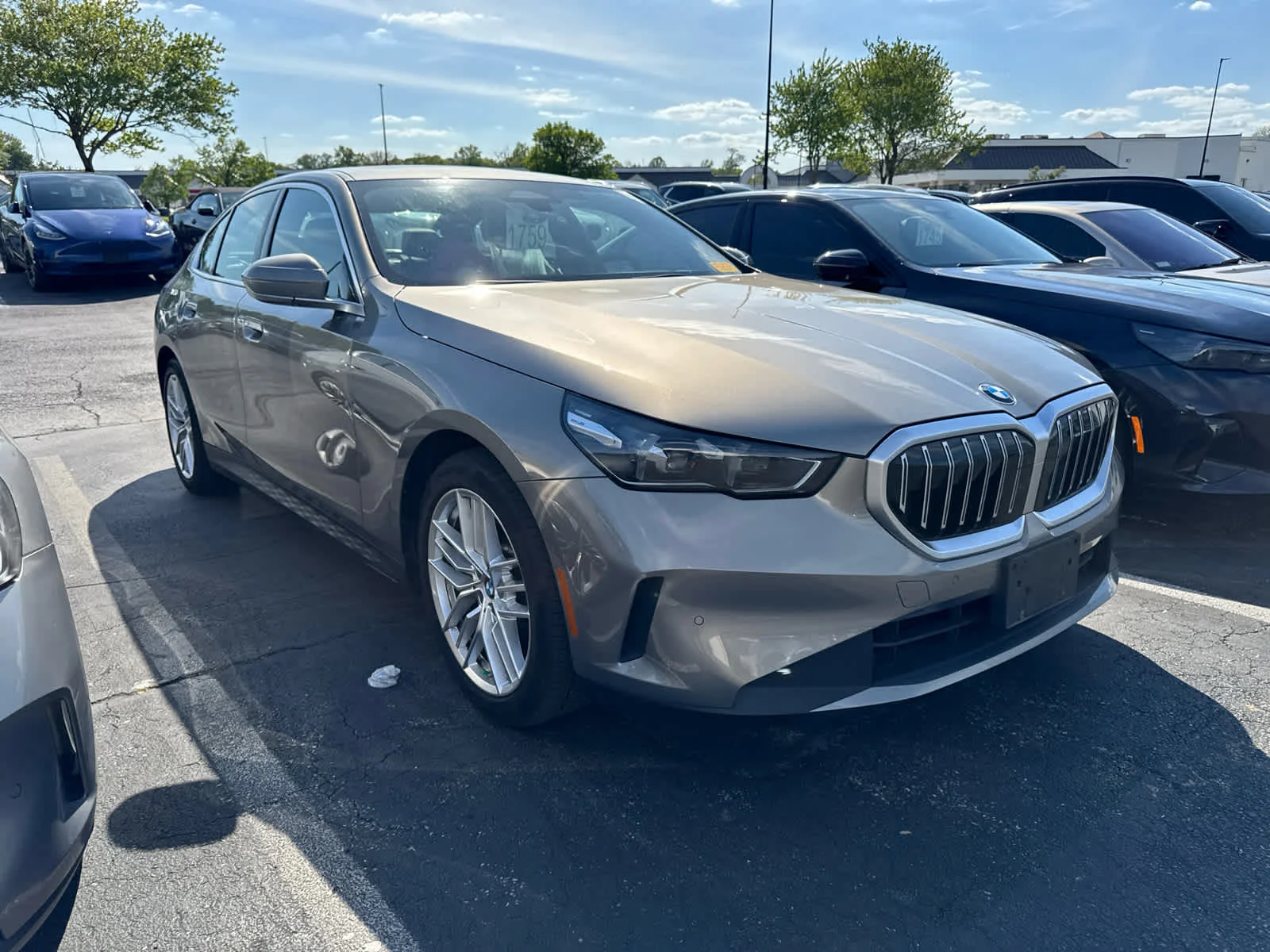
BMW 5 Series engines vary by year and market. Here’s a simple breakdown of typical types and fuel needs.
- Turbocharged gasoline engines: Usually require premium (91+).
- High-compression naturally aspirated engines: Often require premium.
- Diesel models: Use diesel fuel, not gasoline.
- Hybrid models: Follow gasoline recommendations for the petrol engine component; many ask for premium.
- Older or base non-turbo gasoline engines: Some tolerate midgrade or regular, but check the manual.
If you’re unsure, look at the fuel door, owner’s manual, or the sticker near the filler neck. Those places usually answer "Does the BMW 5 Series require premium fuel?" directly for your exact VIN and engine.
What happens if you use regular gas in a 5 Series designed for premium
Modern BMW engines have knock sensors and can adapt timing to limit detonation. Still, there are consequences to using lower-than-recommended octane.
- Reduced power: The ECU will retard timing and reduce boost to avoid knock, so you’ll lose performance.
- Lower fuel economy: Retarded timing usually means you use more fuel per mile.
- Long-term risk: Repeated knock or sustained detonation could harm pistons, rings, or catalytic converters.
- Warranty and diagnostics: Using improper fuel can complicate diagnostics and warranty claims in some cases.
In short, while the car will often limp along on regular gas, you will not be getting the best performance or protection. Asking "Does the BMW 5 Series require premium fuel?" with this outcome in mind usually points back to following BMW’s recommendation.
Practical fueling strategies and cost trade-offs
Premium costs more per gallon, but the trade-off can be protection and better performance. Here are practical tips.
- Follow the manual: Use the octane the manual lists for your model and engine.
- Temporary substitution: If you must use regular, drive gently and refill with premium at the next stop. Modern ECUs adjust but don’t fix long-term effects.
- Use top-tier brands: If premium is chosen, top-tier fuels often include detergents that keep injectors and valves cleaner.
- Consider total cost: Slightly higher fuel cost may save you repair bills and retain resale value.
If you still wonder "Does the BMW 5 Series require premium fuel?" weigh fuel cost against possible reduced performance and longer-term maintenance.

My hands-on experience and tips from working with BMWs
I’ve driven multiple 5 Series cars and monitored fuel behavior across fuels and driving styles. Once, I tested a 540i on regular gas for a short trip. The car ran, but throttle response was dull and knock events triggered temporary timing pullback. After refueling with premium, power and throttle feel returned immediately.
Lessons I learned
- Always keep premium accessible for spirited driving or towing.
- Avoid repeated low-octane fills. One or two temporary tanks is OK; prolonged use is not.
- Record fuel octane and performance if you’re testing—ECU adaptations can confuse diagnostics later.
These real-world checks answer "Does the BMW 5 Series require premium fuel?" with direct evidence: premium preserves performance and prevents avoidable ECU corrections.

Maintenance, warranty, and long-term ownership considerations
Using the right fuel helps keep emissions systems, catalytic converters, and turbochargers healthier. For warranty matters, manufacturers typically expect owners to follow recommended maintenance and fueling. If engine damage is tied to improper fuel use, warranty coverage could be affected.
Regular maintenance tips
- Use recommended octane to limit knock-related stress.
- Keep injectors and intake clean with periodic service and quality fuel.
- Address knock or engine warning lights promptly to avoid bigger repairs.
If you want to know "Does the BMW 5 Series require premium fuel?" think beyond immediate performance—consider warranty, long-term health, and resale value.
PAA-style questions (People Also Ask)
Q: Can I use regular gas occasionally in my BMW 5 Series?
A: Yes, occasionally and briefly is usually fine thanks to knock sensors, but don’t make it a habit. Refill with premium at the next opportunity.
Q: Will using regular void my BMW warranty?
A: Using lower octane alone rarely voids warranty, but if damage results from improper fuel, repairs tied to that issue may not be covered.
Q: Does premium fuel improve mileage in the 5 Series?
A: It can maintain the engine’s designed efficiency; you might notice better fuel economy compared to the ECU pulling timing on regular fuel.
Frequently Asked Questions of Does the BMW 5 Series require premium fuel?
Does every BMW 5 Series engine need premium gasoline?
Not every engine does, but most gasoline 5 Series models—especially turbocharged engines—are designed for 91 octane or higher. Always check your owner’s manual or fuel filler label for the exact recommendation.
Can I fill up with regular gas in an emergency?
Yes. Modern BMWs can adapt temporarily, but performance will drop and you should refill with premium soon to restore normal operation. Prolonged use of lower octane is not advised.
Does using premium fuel increase the car’s resale value?
Indirectly, yes. Regular use of recommended fuel can reduce wear and help maintain performance and emissions systems, which can be a plus at resale time. It’s one of several maintenance practices buyers check.
Are there any models in the 5 Series that explicitly do not require premium?
Some base or older naturally aspirated gasoline engines may accept lower octane, and diesel or pure-electric variants use different fuels entirely. Verify by checking your vehicle-specific manual.
What if my car shows engine knock or a check engine light after using lower octane?
Stop using the lower octane and refill with the recommended premium fuel. If lights persist, have the car scanned and inspected to catch potential damage early.
Conclusion
Most BMW 5 Series gasoline engines are best served by premium fuel. Using the recommended octane protects performance, keeps the ECU operating as designed, and reduces the chance of long-term engine or emissions damage. If you want to keep your 5 Series running strong and retain its driving character, plan your fueling around the manual’s guidance and use premium when in doubt.
Takeaway: follow the fuel recommendation in your owner’s manual, avoid long-term use of lower octane, and treat premium fuel as an investment in performance and longevity. If you found this helpful, leave a comment with your model year and engine, or subscribe for more practical car care guides.