Most BMW 5 Series models use fully synthetic oil meeting BMW Longlife specifications, commonly 0W-30 or 5W-30.
As a long-time BMW technician and enthusiast, I’ll walk you through exactly what oil the BMW 5 Series uses, why those oils matter, and how to pick the right oil for your model year and engine. This guide covers recommended specs, viscosities, oil capacities, change intervals, common mistakes, and real-world tips from hands-on experience to help you protect your BMW 5 Series engine and get the best performance and longevity.

49% off Today's Exclusive Deals
Limited-time Exclusive Deals. Check current discount on Amazon.
Check Price on Amazon As an Amazon Associate I earn from qualifying purchases.
Understanding BMW 5 Series engine families and oil needs
The BMW 5 Series spans many generations and engines. Engines include 2.0L turbocharged four-cylinders, 3.0L inline-sixes, V8s, diesel variants, and hybrid systems. Each engine has slightly different oil needs, but modern BMWs share common rules.
BMW 5 Series oil choice depends on engine design, turbocharging, emissions gear, and year. Turbo engines need oils that handle higher heat and shear. Diesel engines often need low-SAPS oils that meet diesel emission system requirements.
49% off Today's Exclusive Deals
Limited-time Exclusive Deals. Check current discount on Amazon.
Check Price on Amazon As an Amazon Associate I earn from qualifying purchases.BMW manuals and dealer service specs are the final word. Still, most owners benefit from following BMW Longlife specifications and choosing a high-quality synthetic oil suited to their climate and driving style.

Recommended oil types and BMW specifications
BMW approves oils that meet BMW Longlife specs. The most common specs you’ll see are:
- BMW Longlife-01 for many petrol engines built before mid-2010s.
- BMW Longlife-01 FE for fuel-economy oriented engines.
- BMW Longlife-04 for many diesel engines and gasoline engines with particulate filters.
Common viscosities for BMW 5 Series oil:
49% off Today's Exclusive Deals
Limited-time Exclusive Deals. Check current discount on Amazon.
Check Price on Amazon As an Amazon Associate I earn from qualifying purchases.- 0W-30 and 0W-40 for modern turbocharged gasoline engines.
- 5W-30 and 5W-40 for older petrol and some V8 engines.
- 5W-30 low-SAPS for diesel variants when Longlife-04 is required.
Match oil to the BMW specification in your owner’s manual. If your manual states a specific Longlife number, choose a fully synthetic oil that carries that approval. This prevents warranty issues and protects turbochargers and emissions systems.

Choosing viscosity: climate, engine, and real-world choices
Viscosity affects cold starts and oil film protection at operating temperature. Keep choices simple:
- 0W-30 or 0W-40 for cold climates and modern turbo engines. These flow well at low temps.
- 5W-30 or 5W-40 for mild climates or older engines. These still protect at high temps.
- Low-SAPS 5W-30 when the engine requires Longlife-04.
My experience changing oil across several 5 Series models shows 0W-30 is a safe, common pick for newer engines. If you live in extremes, lean toward a 0W grade for winter and check the manual for high-temp recommendations.

PAA-style quick questions
What oil grade is best for a BMW 5 Series in winter?
Use 0W-30 or 0W-40 for cold starts in winter. They keep oil pressure up quickly and protect the turbo.
Can I use 5W-30 all year in a BMW 5 Series?
Yes in mild climates and for many engines, but confirm the BMW Longlife spec in the manual first.

Synthetic vs conventional oils and why BMW prefers synthetics
BMW 5 Series engines typically require fully synthetic oil. Reasons:
- Synthetics resist breakdown under high heat and shear.
- They flow better on cold starts, reducing wear.
- They keep turbos clean and protect modern engine components.
I’ve seen cars switched from conventional to synthetic run smoother and show less oil consumption. For BMW 5 Series oil, picking a branded synthetic that meets BMW Longlife specs is best practice. Avoid mixing oil types unless necessary; stick with one quality, approved oil.
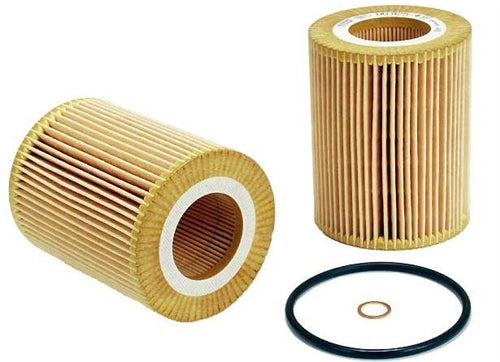
Oil capacity and change intervals for BMW 5 Series
Oil capacity varies by engine:
- 2.0L 4-cylinder engines: about 5 to 6 liters.
- 3.0L inline-6 engines: about 6 to 7 liters.
- V8 engines: about 7 to 9 liters.
These are approximate. Always verify the exact capacity in your owner’s manual or service guide.
Change interval guidance:
- BMW’s oil life monitor may allow up to 10,000–15,000 miles, depending on driving habits.
- For longevity, many technicians recommend changing oil every 7,500 miles or 12 months.
- Severe driving (short trips, heavy towing, track use) calls for shorter intervals, often 5,000–7,500 miles.
From working on many 5 Series cars, a 7,500-mile interval with a full synthetic BMW-approved oil provides a good balance of cost and engine health.

Practical tips for buying and changing oil
Checklist before an oil change:
- Choose fully synthetic oil that lists the BMW Longlife spec your car needs.
- Buy a new OEM or high-quality aftermarket oil filter.
- Have the correct oil quantity and a clean drain plug washer.
- Use proper tools and torque specs for the drain plug and oil filter cap.
Step-by-step tips:
- Warm the engine slightly for better drainage, then turn it off.
- Drain oil, replace the filter, install a new washer, and refill with the correct liters.
- Reset the oil service indicator if applicable.
- Check for leaks and verify the oil level after a brief run and cool-down.
Personal tip: Keep a small log of oil brand, viscosity, date, and miles. It helps spot trends like increased oil consumption.

Common mistakes and signs you used the wrong oil
Common mistakes to avoid:
- Using non-approved oil specs that harm emissions systems.
- Extending oil changes too long just to save money.
- Ignoring oil leaks or burning oil signs.
Signs of wrong oil or problems:
- Excessive smoke from the tailpipe.
- Oil consumption above normal rates.
- Knock or unusual engine sounds after an oil change.
- Warning lights or a persistent oil pressure warning.
If you see these signs, stop driving and inspect. Using the wrong BMW 5 Series oil can affect turbo life and emissions control parts.
Maintenance habits to extend engine life
Simple habits that help:
- Use approved BMW 5 Series oil and quality filters.
- Follow a sensible change interval based on driving style.
- Check oil level monthly and top up with the same spec if needed.
- Keep service records and use diagnostics when a fault appears.
From my experience, owners who log service and use approved oils avoid most long-term engine issues. Treat oil as preventive care, not an afterthought.
Frequently Asked Questions of What type of oil does the BMW 5 Series use?
What oil specification does a BMW 5 Series require?
Most BMW 5 Series require fully synthetic oil meeting BMW Longlife specifications such as Longlife-01 or Longlife-04. Check your owner’s manual to confirm the specific Longlife rating for your engine.
Which oil viscosity is best for a newer BMW 5 Series?
Newer BMW 5 Series engines commonly use 0W-30 or 0W-40 synthetic oils. The exact recommended viscosity depends on engine type and climate; follow the manual.
Can I use any synthetic oil in my BMW 5 Series?
You should use synthetic oils that explicitly meet the BMW Longlife specs listed in your manual. Generic synthetics without the BMW approval risk poor performance or warranty issues.
How often should I change the oil in my BMW 5 Series?
Typical guidance is every 7,500 miles or 12 months for routine driving, though BMW’s oil life monitor may allow longer intervals. Short trips and heavy use require more frequent changes.
How much oil does a BMW 5 Series take?
Oil capacity depends on the engine; expect roughly 5–6 liters for 2.0L engines, 6–7 liters for 3.0L inline-sixes, and 7–9 liters for V8s. Verify exact capacity in your vehicle manual.
Conclusion
Choosing the right BMW 5 Series oil means matching the BMW Longlife specification, using a high-quality fully synthetic oil, and picking the correct viscosity for your engine and climate. Regular oil checks, sensible change intervals, and OEM-quality filters protect turbochargers and emissions equipment and keep your 5 Series performing well for years. Take action: check your owner’s manual, pick an approved synthetic oil, record each change, and if you’re unsure, consult a trusted BMW technician or service center. If this guide helped, leave a comment with your 5 Series model and the oil you use — I’ll share tailored tips.