Sport Utility Vehicles, or SUVs, have become a symbol of versatility in the automotive world. Whether you’re looking for a family car, a rugged off-roader, or a luxurious road cruiser, there’s probably an SUV that fits your needs. Over the past few decades, SUVs have surged in popularity, with millions sold every year. This demand has led carmakers to design many types of SUVs, each with unique features and purposes. Choosing the right SUV can feel overwhelming, especially with so many options and terms. In this guide, you’ll discover the key types of SUVs, how they compare, and insights that help you find the best match for your lifestyle.
What Makes An Suv?
Before exploring the types, it’s helpful to know what defines an SUV. Originally, SUVs were built on truck frames, offering high ground clearance, four-wheel drive, and strong towing abilities. Today, the term covers a broad range of vehicles. Many newer SUVs are built on car-like frames (unibody), making them more comfortable but sometimes less rugged. Still, all SUVs share a few things: a higher driving position, more space than sedans, and the ability to handle different road conditions.

49% off Today's Exclusive Deals
Limited-time Exclusive Deals. Check current discount on Amazon.
Check Price on Amazon As an Amazon Associate I earn from qualifying purchases.Compact Suvs
Compact SUVs are the fastest-growing segment in many countries. They combine the benefits of a small car with the perks of an SUV, making them perfect for city life and small families.
- Examples: Toyota RAV4, Honda CR-V, Mazda CX-5
- Typical seating: 5 passengers
- Cargo space: 25 to 40 cubic feet (behind second row)
- Fuel efficiency: 25-35 miles per gallon (mpg) on average
Compact SUVs are popular because they’re easy to drive and park but still offer decent cargo space. Most models come with either front-wheel drive or optional all-wheel drive. They tend to be more affordable than larger SUVs, both in price and fuel costs.
Not-so-obvious Insights
Many buyers think compact SUVs can’t handle rough weather or mild off-roading. While not as capable as full-size SUVs, some compact models with all-wheel drive can manage snow or gravel roads quite well. Also, compact SUVs often have better resale value compared to sedans in the same price range.
49% off Today's Exclusive Deals
Limited-time Exclusive Deals. Check current discount on Amazon.
Check Price on Amazon As an Amazon Associate I earn from qualifying purchases.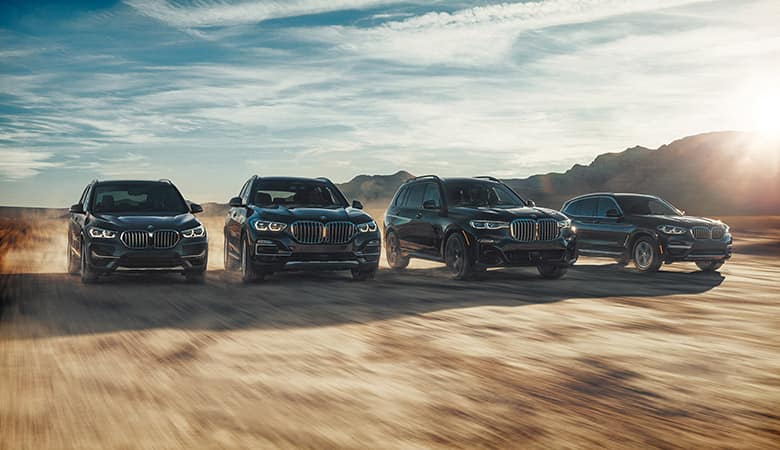
Credit: www.bmwofbloomington.com
Midsize Suvs
Midsize SUVs are the middle ground between compact and full-size. They offer more space, stronger engines, and often third-row seating.
- Examples: Ford Explorer, Hyundai Santa Fe, Jeep Grand Cherokee
- Typical seating: 5 to 7 passengers
- Cargo space: 30 to 80 cubic feet (depending on seating configuration)
- Fuel efficiency: 18-27 mpg
Midsize SUVs appeal to larger families or those who need extra space for gear. Some models are available with powerful engines and towing capacities up to 5,000 pounds. They’re more comfortable on long trips and offer advanced safety and tech features.
Not-so-obvious Insights
A common mistake is assuming all midsize SUVs have lots of third-row space. In many models, the third row is only suitable for children, not adults. Another detail: midsize SUVs often have better road noise insulation than compacts, making highway drives quieter.
49% off Today's Exclusive Deals
Limited-time Exclusive Deals. Check current discount on Amazon.
Check Price on Amazon As an Amazon Associate I earn from qualifying purchases.Full-size Suvs
Full-size SUVs offer maximum space, strength, and capability. These are the largest SUVs you’ll see, often built on truck frames (body-on-frame construction).
- Examples: Chevrolet Tahoe, Ford Expedition, Toyota Sequoia
- Typical seating: 7 to 8 passengers
- Cargo space: 80 to 120 cubic feet with rear seats folded
- Fuel efficiency: 14-20 mpg
Full-size SUVs are chosen by large families, those who tow trailers or boats, or people who need lots of cargo room. They can handle tough jobs and rough roads, but they are harder to park and use more fuel.
Not-so-obvious Insights
Insurance costs for full-size SUVs can be higher than you expect. Their weight and power mean more expensive repairs in accidents. Also, while these SUVs are great for towing, many require special towing packages to reach their maximum capacity.
Subcompact Suvs
Subcompact SUVs are the smallest in the SUV family. They’re perfect for city drivers who want a higher driving position without the bulk.
- Examples: Hyundai Kona, Honda HR-V, Mazda CX-30
- Typical seating: 5 passengers
- Cargo space: 15 to 25 cubic feet
- Fuel efficiency: 28-35 mpg
These SUVs are affordable, easy to park, and often very stylish. They usually offer front-wheel drive, with all-wheel drive as an option. Interior space can be tight, but they make up for it with agility and low running costs.
Not-so-obvious Insights
Subcompact SUVs often have similar ground clearance to larger SUVs, which can help in floods or snow. However, their lighter weight can reduce stability in strong winds or at high speeds.
Crossover Suvs
You may hear the term crossover SUV often. Crossovers are built on car platforms (unibody construction) and focus on comfort, efficiency, and style.
- Examples: Nissan Rogue, Subaru Outback, Volkswagen Tiguan
- Typical seating: 5 to 7 passengers
- Cargo space: 25 to 75 cubic feet
- Fuel efficiency: 23-32 mpg
Crossovers handle more like cars and provide smoother rides. Most SUVs sold today are technically crossovers. They’re suitable for families, commuters, and anyone who wants flexibility in one vehicle.
Not-so-obvious Insights
Crossovers usually have lower towing abilities compared to truck-based SUVs. Also, some crossovers offer advanced all-wheel drive systems that work well in rain and snow but may not handle serious off-roading.
Off-road Suvs
Off-road SUVs are designed for tough terrain. They have features like four-wheel drive, locking differentials, and high ground clearance.
- Examples: Jeep Wrangler, Toyota 4Runner, Land Rover Defender
- Typical seating: 5 to 7 passengers
- Cargo space: 30 to 90 cubic feet
- Fuel efficiency: 15-22 mpg
These vehicles can climb steep hills, cross streams, and handle mud or sand. They are perfect for adventurers but can feel stiff or noisy on city roads.
Not-so-obvious Insights
Not all 4WD SUVs are true off-roaders. Some have basic systems meant for snow, not rock crawling. Another tip: off-road tires improve grip but reduce fuel efficiency and increase road noise.
Luxury Suvs
Luxury SUVs combine premium materials, advanced technology, and powerful engines. They focus on comfort and status.
- Examples: Mercedes-Benz GLE, BMW X5, Lexus RX, Range Rover
- Typical seating: 5 to 7 passengers
- Cargo space: 25 to 80 cubic feet
- Fuel efficiency: 16-27 mpg
Luxury SUVs offer features like heated and ventilated seats, adaptive cruise control, and high-end sound systems. Some are also surprisingly capable off-road.
Not-so-obvious Insights
Repair and maintenance costs for luxury SUVs can be much higher than for mainstream brands. Also, luxury models often depreciate faster in the first few years, so leasing can sometimes be smarter than buying.
Three-row Suvs
Many families need more than five seats, but don’t want a minivan. Three-row SUVs are the answer.
- Examples: Honda Pilot, Kia Telluride, Toyota Highlander
- Typical seating: 6 to 8 passengers
- Cargo space: 15 to 80 cubic feet
- Fuel efficiency: 19-27 mpg
Three-row SUVs balance passenger needs and cargo space. Some are midsize, others full-size. Look at how easy it is to access the third row and how much space is left for luggage.
Not-so-obvious Insights
In some three-row SUVs, folding or removing the third row creates much more cargo space. Many buyers overlook this feature. Also, air conditioning may not reach the third row well in cheaper models.
Hybrid And Electric Suvs
As fuel prices rise and environmental concerns grow, hybrid and electric SUVs are becoming more common.
- Examples: Toyota RAV4 Hybrid, Ford Escape Hybrid, Tesla Model Y, Hyundai Ioniq 5
- Typical seating: 5 to 7 passengers
- Cargo space: 25 to 70 cubic feet
- Fuel efficiency: Hybrids: 35-40 mpg; Electrics: 200-330 miles per charge
Hybrid SUVs use both gasoline and electric power to save fuel. Electric SUVs run only on battery power, producing zero emissions. Charging infrastructure is growing, making EVs more practical for many people.
Not-so-obvious Insights
Cold weather can reduce electric SUV range by up to 30%. Also, hybrid SUVs can be a better choice for long-distance drivers who want lower fuel costs without worrying about charging stations.

Credit: www.reddit.com
Performance Suvs
A small but exciting segment, performance SUVs offer sports car speed and handling in an SUV body.
- Examples: Porsche Cayenne Turbo, BMW X5 M, Alfa Romeo Stelvio Quadrifoglio
- Typical seating: 5 passengers
- Cargo space: 20 to 60 cubic feet
- Fuel efficiency: 15-20 mpg
Performance SUVs have powerful engines, sport-tuned suspensions, and advanced all-wheel drive. They can reach 0-60 mph in under 4 seconds, rivaling many sports cars.
Not-so-obvious Insights
High-performance tires on these SUVs wear out quickly and are expensive to replace. Also, the stiffer ride can be uncomfortable for daily commuting.
Family Suvs
Family SUVs focus on safety, comfort, and space. While many types can serve families, some are designed with them in mind.
- Examples: Subaru Ascent, Ford Explorer, Hyundai Palisade
- Typical seating: 7 to 8 passengers
- Cargo space: 20 to 80 cubic feet
- Fuel efficiency: 18-27 mpg
Family SUVs often have multiple USB ports, rear-seat entertainment, and advanced safety systems. They are known for high safety ratings and easy-to-clean interiors.
Not-so-obvious Insights
Some family SUVs offer built-in booster seats or easy-clean materials, which parents appreciate but often miss when shopping. Also, rear-door alert systems remind you if a child or pet is left in the back seat.
Body-on-frame Vs Unibody Suvs
A key difference among SUVs is their construction type. This impacts ride quality, safety, and capability.
| Type | Main Advantage | Common Use |
|---|---|---|
| Body-on-Frame | Durability, towing, off-road | Full-size, Off-road |
| Unibody | Comfort, handling, fuel efficiency | Compact, Crossover, Luxury |
Body-on-frame SUVs are built like trucks, with the body sitting on a separate frame. They handle heavy loads better but ride less smoothly. Unibody SUVs have the body and frame as one piece, like cars, giving a quieter, more comfortable drive.
Not-so-obvious Insights
Many off-road fans prefer body-on-frame SUVs, but for daily city driving, unibody models are usually better. Some newer SUVs use a mix of both to improve strength and comfort.
Two-row Vs Three-row Suvs
How many seats do you need? This choice affects your comfort and cargo space.
| Rows | Seating Capacity | Cargo Space (max) | Examples |
|---|---|---|---|
| Two-row | 5 passengers | 70 cubic feet | Mazda CX-5, Ford Edge |
| Three-row | 6-8 passengers | 80 cubic feet | Kia Sorento, Toyota Highlander |
Two-row SUVs are more comfortable for five people and have more cargo space when all seats are in use. Three-row SUVs can carry more people, but the third row can be cramped, especially in midsize models.
Towing And Payload: Which Suvs Excel?
If you need to tow a trailer, boat, or camper, SUV choice matters.
| SUV Type | Max Towing (lbs) | Best For |
|---|---|---|
| Compact | 1,500-3,500 | Small trailers, bikes |
| Midsize | 3,500-5,000 | Light boats, campers |
| Full-size | 6,000-8,400 | Large trailers, boats |
| Off-road | 2,000-7,000 | Off-road gear, campers |
For heavy towing, always choose a full-size or body-on-frame SUV. Make sure to check if towing packages are standard or optional.
Safety Features In Modern Suvs
Safety is a key reason many people buy SUVs. Today’s SUVs offer advanced features:
- Automatic emergency braking
- Blind-spot monitoring
- Lane-keeping assist
- Rear cross-traffic alert
- Adaptive cruise control
- Surround-view cameras
Some features are standard; others cost extra. It’s wise to check crash-test ratings from the National Highway Traffic Safety Administration (NHTSA) or Insurance Institute for Highway Safety (IIHS) before buying.
Not-so-obvious Insights
Weight and size can give SUVs an edge in accidents, but they also take longer to stop. Some buyers forget to check if safety tech is included or optional.
Choosing The Right Suv For Your Needs
Selecting the best SUV comes down to your priorities. Here’s how to match SUV types with common needs:
- City driving: Subcompact or compact crossover
- Large families: Three-row midsize or full-size SUV
- Off-roading: Body-on-frame or dedicated off-road SUV
- Towing: Full-size, body-on-frame SUV
- Luxury: High-end midsize or full-size luxury SUV
- Fuel efficiency: Hybrid or electric SUV
Also, think about parking, insurance, and long-term costs. Test-driving a few models in each category can help you decide what feels right.
Practical Tips
- Measure your garage or parking space before buying. Some full-size SUVs won’t fit in standard garages.
- Check rear visibility—larger SUVs often have bigger blind spots.
- Ask about maintenance costs, especially for luxury, off-road, or performance models.
- Consider resale value—some brands and types hold value better than others.
- Look for flexible seating and cargo options like split-fold seats or sliding second rows.
Environmental Impact And Future Trends
SUVs are often criticized for higher fuel use and emissions. However, carmakers are improving efficiency every year. Hybrid and electric SUVs are now widely available, with many brands pledging to go all-electric by the 2030s.
According to the International Energy Agency, electric SUV sales doubled from 2021 to 2022, and now account for more than 20% of new electric car sales globally. You can read more in this IEA Global EV Outlook.
Not-so-obvious Insights
Some plug-in hybrid SUVs can drive 20–40 miles on battery power alone, covering most daily commutes without gasoline. Also, government incentives are available for electric SUVs in many regions, which can lower purchase costs.

Credit: www.reddit.com
Frequently Asked Questions
What Is The Difference Between An Suv And A Crossover?
An SUV was traditionally built on a truck frame (body-on-frame), making it stronger for towing and off-roading. A crossover uses a car-like frame (unibody), which is more comfortable and efficient. Today, most new SUVs are actually crossovers, but the terms are often used interchangeably.
Are Suvs Safer Than Cars?
SUVs are generally considered safer in collisions due to their size and weight. However, they can be harder to maneuver and may roll over more easily than cars. Modern SUVs have many safety features, but it’s important to look at crash-test ratings for each model.
Can I Use A Compact Suv For Off-roading?
Most compact SUVs can handle light off-road conditions, like gravel or snowy roads, especially with all-wheel drive. However, they aren’t built for serious off-roading. For rocky trails or deep mud, a dedicated off-road SUV is better.
Do Electric Suvs Have Enough Range For Long Trips?
Electric SUVs now offer 200–330 miles of range per charge, which works for many road trips. However, cold weather, speed, and heavy loads can reduce range. Planning charging stops is important for longer journeys.
How Do I Choose Between Two-row And Three-row Suvs?
Choose a two-row SUV if you mostly carry five people or need more cargo space. Choose a three-row SUV if you often carry more than five people. Test the third row in person—some are tight for adults.
SUVs come in many shapes and sizes, each designed for different lifestyles. By understanding the main types and their unique strengths, you can choose the SUV that truly fits your needs. Whether you want efficiency, space, power, or adventure, there’s an SUV out there waiting for you.