Car brakes grinding usually means worn pads, damaged rotors, or debris trapped in the brake system.
If you hear grinding from your brakes, don’t ignore it. I’ve seen this noise start as a tiny squeal and turn into a costly repair fast. In this guide, I’ll walk you through what car brakes grinding really means, the most common causes, how serious it is, what to do next, and how to prevent it from happening again.

49% off Today's Exclusive Deals
Limited-time Exclusive Deals. Check current discount on Amazon.
Check Price on Amazon As an Amazon Associate I earn from qualifying purchases.
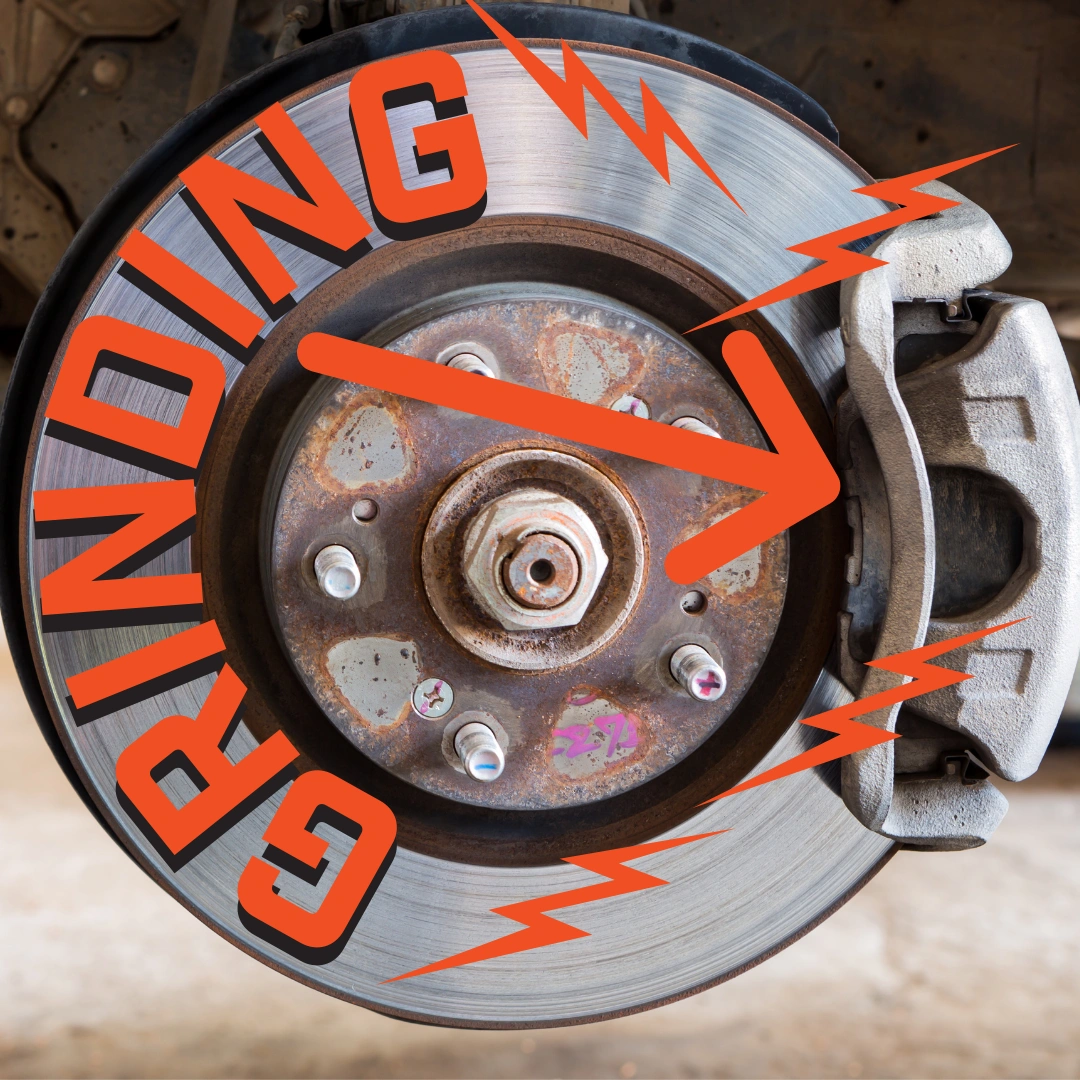
What car brakes grinding means
Car brakes grinding is a harsh metal-on-metal sound that usually happens when the brake pads are worn down too far. In simple terms, something in the braking system is rubbing the wrong way. That sound is often your car’s way of saying, “Stop and check me now.”
In many cases, grinding means the brake pad material is gone and the backing plate is touching the rotor. It can also mean rocks, rust, or damaged parts are interfering with normal braking. Either way, car brakes grinding is not a sound to brush off.
49% off Today's Exclusive Deals
Limited-time Exclusive Deals. Check current discount on Amazon.
Check Price on Amazon As an Amazon Associate I earn from qualifying purchases.Here’s the key thing I’ve learned over the years: brake noise is often the first warning, but grinding is usually a late warning. By the time you hear it, the damage may already be starting.
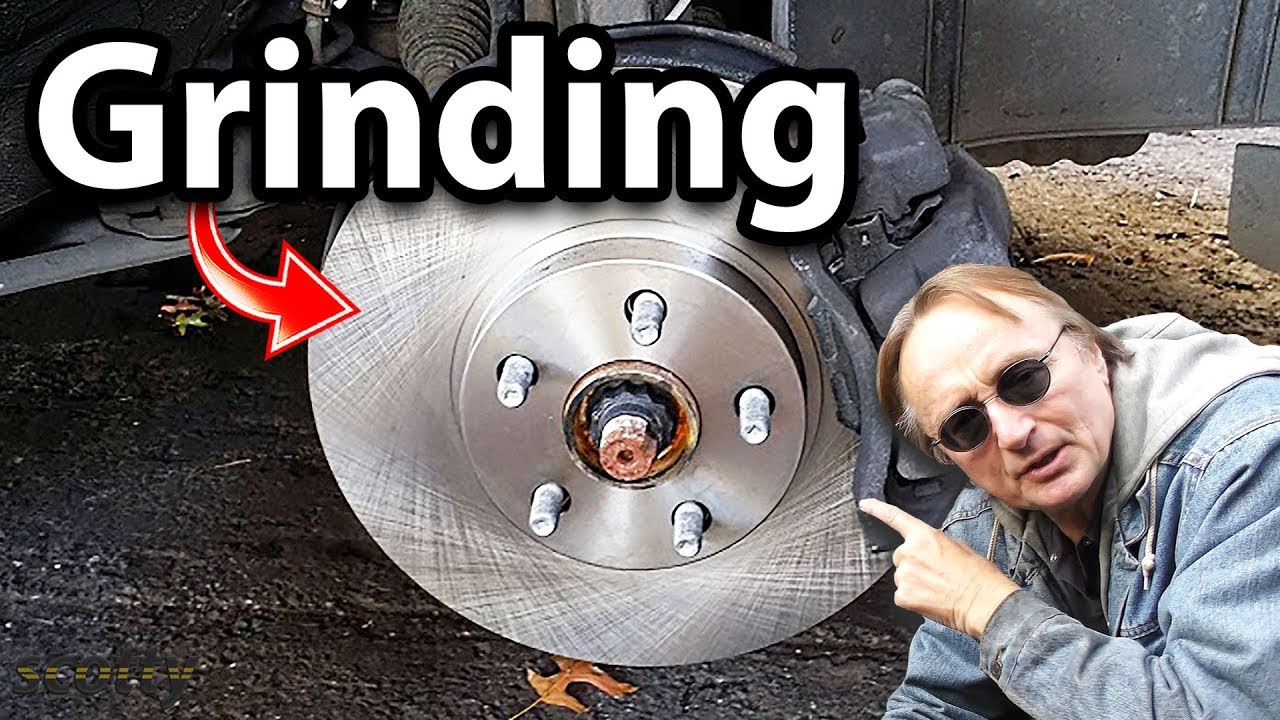
Common causes of car brakes grinding
There are several reasons car brakes grinding can happen. Some are simple and cheap to fix. Others point to more serious wear.
Worn brake pads
This is the most common cause. Brake pads are designed to wear out over time, and once they get too thin, metal parts can start scraping the rotor.
49% off Today's Exclusive Deals
Limited-time Exclusive Deals. Check current discount on Amazon.
Check Price on Amazon As an Amazon Associate I earn from qualifying purchases.Many pads have a small wear indicator that squeals first. If that warning is ignored, the sound can turn into grinding. I’ve seen drivers wait “just a few more weeks” and end up needing pads plus rotors.
Damaged rotors
Rotors can become scored, warped, or rusted. When that happens, the pad may not glide smoothly across the surface.
If the rotor is badly worn, grinding can happen even with new brake pads. That’s why a proper inspection matters. Replacing pads alone does not always solve car brakes grinding.
Debris trapped in the brakes
Small stones, dirt, or road debris can get stuck between the pad and rotor. This can cause a grinding or scraping sound, especially after driving on gravel roads or through rough weather.
Sometimes the noise disappears after the debris falls out. But if it keeps happening, something else may be damaged.
Rust buildup after sitting
If a car sits for a few days, light surface rust can form on the rotors. A brief scraping sound during the first stops is often normal.
But if the grinding stays after a few drives, it may not be just surface rust. Deep rust can create rough spots and uneven contact.
Faulty brake hardware
Brake clips, calipers, and pad shims help the system work smoothly. If one of these parts is loose, bent, or seized, it can cause abnormal contact and noise.
A stuck caliper can be especially serious. It can make one pad wear much faster than the others and create heat, noise, and reduced braking power.
Lack of lubrication in the right places
Brake parts need special high-temperature lubricant in certain contact points. If hardware is dry or installed poorly, the pads may chatter or grind.
This is one reason brake jobs should be done carefully. A quick install is not always a good install.
How serious car brakes grinding really is
Car brakes grinding should be treated as urgent. In many cases, the noise means the brake system is already beyond normal wear. That can affect stopping distance and safety.
If the backing plate is rubbing the rotor, you may be losing braking efficiency. You may also be damaging expensive parts that could have been saved earlier. From a practical point of view, the longer you drive with grinding brakes, the more the repair bill can grow.
Think of it like walking on a shoe with no sole left. You can keep going for a while, but the damage spreads fast.
What the grinding sound can tell you
Not all brake noises mean the same thing. The sound itself gives clues about what may be wrong.
Grinding while braking
This usually points to worn pads, damaged rotors, or a problem in the brake assembly. If the noise happens only when you press the brake pedal, the brakes are the likely source.
Grinding at low speeds
If the sound is louder at slow speeds, the pads or rotors may be uneven or heavily worn. This is common when the system is near the end of its life.
Grinding without braking
If your brakes grind even when you are not pressing the pedal, the issue may be related to loose hardware, debris, or a part dragging against the rotor. That should be checked right away.
Grinding after pad replacement
This one surprises a lot of people. New pads can still grind if the rotors are too worn, the hardware was installed wrong, or the wrong pad type was used.
I once saw a case where a driver replaced pads but kept hearing noise. The real problem was a badly grooved rotor that was never resurfaced or replaced.
What to do when your car brakes grinding
If your car brakes grinding, act fast. Don’t wait for the sound to get worse.
Follow these steps:
-
Reduce driving as much as possible
Drive only if needed. Avoid highways, heavy traffic, and steep hills. -
Check for obvious warning signs
Look for brake warning lights, vibration, pulling, or a soft pedal. -
Listen for when the noise happens
Note whether it occurs while braking, turning, or driving straight. -
Have the brakes inspected soon
A trained mechanic can check pads, rotors, calipers, and hardware. -
Replace damaged parts as needed
In many cases, pads and rotors may need to be replaced together for a proper repair.
If you are not sure how bad it is, it is better to assume the issue is serious until proven otherwise.

Can you keep driving with grinding brakes?
Technically, a car may still move with grinding brakes. But that does not mean it is safe to keep driving it. Braking performance can drop fast, and the damage can get worse in a short time.
I always tell people this: if your brakes are grinding, treat your car like it is warning you before a breakdown. A short trip to a shop is far cheaper than driving until the rotor or caliper fails.
If the pedal feels strange, the car pulls to one side, or stopping takes longer, do not keep driving. Tow it if needed.
How a mechanic diagnoses car brakes grinding
A good brake inspection is pretty straightforward. The mechanic will usually look at pad thickness, rotor condition, caliper movement, and hardware fit.
They may also test drive the car to hear the noise under real conditions. In some cases, they’ll measure rotor thickness or look for heat damage. These checks help separate a simple wear issue from a more serious problem.
A proper diagnosis matters because grinding is not always the same fix. Swapping parts without checking the root cause can waste money.
Repair options for car brakes grinding
The right repair depends on the cause. Here are the most common fixes.
Brake pad replacement
If the pads are worn down, they need to be replaced. This is the most common solution.
Rotor replacement or resurfacing
If the rotors are scratched, thin, or warped, they may need to be replaced. Some rotors can be resurfaced, but only if they still meet safe thickness limits.
Caliper repair or replacement
If a caliper is sticking, it may need to be rebuilt or replaced. A stuck caliper can destroy pads and rotors quickly.
Cleaning debris
If a rock or debris is the cause, the system may just need cleaning and a careful inspection for damage.
Hardware replacement
Clips, shims, and other brake hardware may need to be replaced during the repair. Small parts matter more than most people think.
How to prevent car brakes grinding
You can’t stop brake wear forever, but you can reduce the chances of grinding.
Use these habits:
- Get your brakes inspected during routine maintenance
- Replace pads before they wear completely down
- Fix squealing early instead of waiting
- Avoid hard braking when possible
- Wash off road salt and grime in winter
- Use quality brake parts that match your vehicle
- Don’t ignore vibration, pulling, or new noises
In my experience, early action is the biggest money saver. Most grinding problems start small, but they grow when people keep driving and hoping the sound goes away.
Related brake problems that can sound similar
Sometimes people think they have car brakes grinding when the real issue is different. Knowing the difference can save time.
Brake squealing
A high-pitched squeal often means pad wear or pad vibration. It is usually an earlier warning than grinding.
Brake scraping
Scraping can happen from light rust, loose shields, or debris. It may not always mean severe damage, but it still needs checking.
Brake pulsation
If the pedal pulses or the steering wheel shakes, warped rotors may be the problem. This is different from grinding, but it can happen at the same time.
Wheel bearing noise
A bad wheel bearing can make a growling or grinding sound that seems like a brake issue. The noise often changes with speed and turning.
When brake grinding is an emergency
Some signs mean you should stop driving right away.
Watch for these red flags:
- The brake pedal feels soft or sinks
- The car pulls hard to one side
- The grinding is loud and constant
- You smell burning
- The brake warning light is on
- Braking takes much longer than normal
If any of these happen, do not assume it is “just noise.” Brake failure is one of those problems that can go from annoying to dangerous very quickly.
Frequently Asked Questions of car brakes grinding
Why do my brakes grind when I stop?
Brake grinding when stopping usually means the brake pads are worn out or the rotors are damaged. It can also happen if debris is trapped in the brake system.
Is it safe to drive with grinding brakes?
It is not a good idea to keep driving with grinding brakes. The sound often means parts are wearing metal-on-metal, which can reduce stopping power and cause more damage.
Can new brakes still grind?
Yes, new brakes can still grind if the rotors are worn, the hardware is installed wrong, or debris is stuck in the system. A proper inspection can find the exact cause.
How much does it cost to fix grinding brakes?
The cost depends on the problem. Simple pad replacement may be affordable, while rotor and caliper repairs can cost more if damage has spread.
Do grinding brakes always mean new rotors?
Not always, but often yes if the rotors are scratched, thin, or damaged. A mechanic should measure them before deciding whether they can be reused.
Can rust cause brake grinding?
Yes, light rust can cause a brief scraping sound after the car sits. If the noise keeps going, the rotors may need more than a normal drive to clear up.
Conclusion
Car brakes grinding is one of those warning signs you should never ignore. It often points to worn pads, damaged rotors, trapped debris, or a brake part that is not working the way it should. The earlier you check it, the more likely you are to save money and stay safe.
If your brakes are making noise now, schedule an inspection soon and pay attention to any changes in pedal feel or stopping power. A small repair today can prevent a much bigger problem tomorrow. If this guide helped, keep learning about your brake system and share it with someone who needs a safety reminder.



11 Comments on “Car Brakes Grinding: Causes And Fixes”