If you’re reading this, chances are your Hyundai Tucson steering problem just made itself known. Maybe the wheel clunks when you turn into a parking spot. Maybe it fights you on the highway.
Or the EPS light came on and you’re wondering if it’s safe to drive. You’re not imagining things, and you’re not alone. These failures follow documented patterns across many Tucson model years.

49% off Today's Exclusive Deals
Limited-time Exclusive Deals. Check current discount on Amazon.
Check Price on Amazon As an Amazon Associate I earn from qualifying purchases.In our research, most cases trace back to the electric power steering (EPS) system, which Hyundai calls Motor-Driven Power Steering (MDPS). Hyundai’s 5-year/60,000-mile basic warranty covers steering components, so checking your coverage before paying out of pocket makes sense. Let’s walk through this the way a good mechanic would: start with the symptom, then move to the fix.
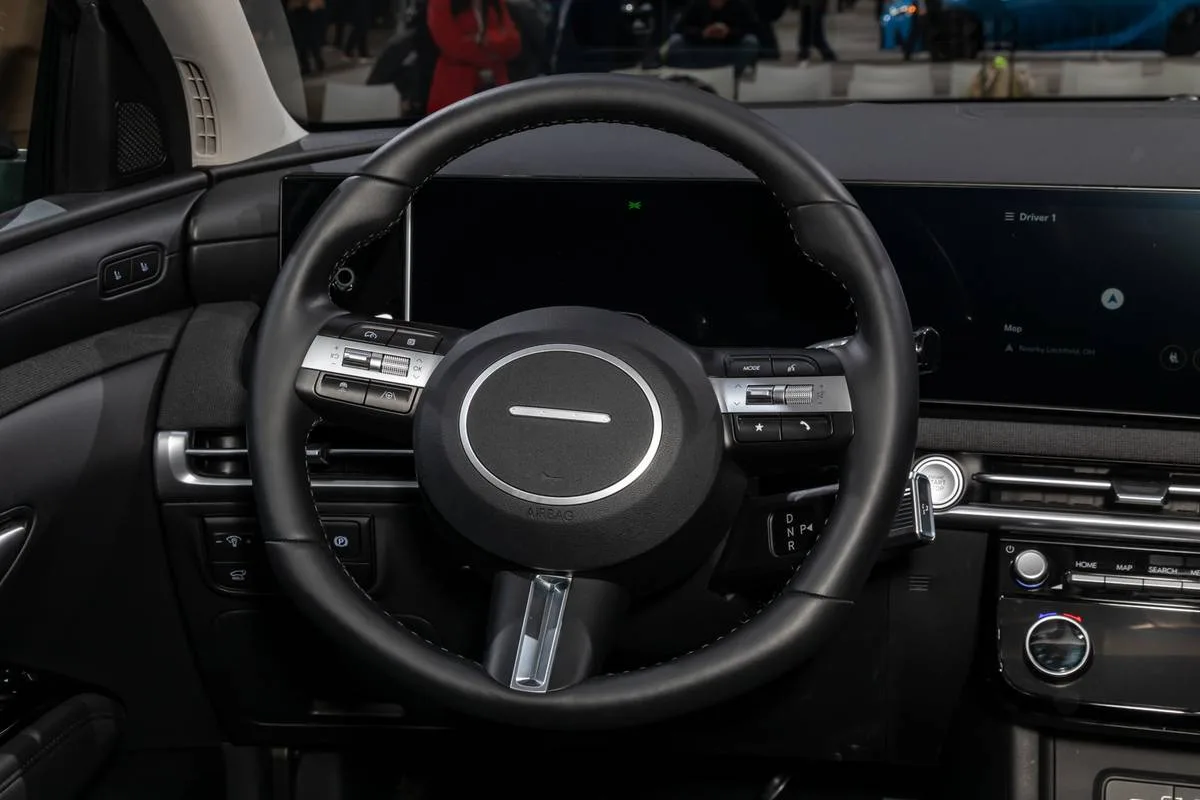
Image source: Bing (Web (fair-use with source credit))
49% off Today's Exclusive Deals
Limited-time Exclusive Deals. Check current discount on Amazon.
Check Price on Amazon As an Amazon Associate I earn from qualifying purchases.What’s Going On With Your Tucson Steering? The 30-Second Answer
The Hyundai Tucson steering problem usually falls into one of four patterns: clicking, stiffness, highway vibration, or an EPS light. Most causes are documented and repairable. Many fixes are affordable.
A quick diagnostic saves money.
You’re not looking at a mystery. You’re looking at a parts list.
Step 1: Nail Down the Exact Symptom Before You Touch Anything
Before spending any money, pin down exactly what the car does. The wrong guess can turn a $60 repair into a $900 mistake. Ask yourself three questions: When does it happen?
49% off Today's Exclusive Deals
Limited-time Exclusive Deals. Check current discount on Amazon.
Check Price on Amazon As an Amazon Associate I earn from qualifying purchases.Where does it happen? What does it feel or sound like?
| Symptom | When It Happens | What It Feels Like |
|---|---|---|
| Clunking or clicking | Low-speed turns, parking lots | A dull knock or click in the column |
| Stiff steering | Intermittent, mostly at low speed | Wheel fights your input, then suddenly releases |
| Vibration | 55 to 70 mph, or when braking | Steering wheel shakes or shimmies |
| Pulling | Constant while driving straight | Car drifts left or right without input |
| EPS warning light | Varies | Steering may feel heavy or normal |
If the vibration only shows up while braking, suspect the brakes first. Warped rotors can send the exact same shake through the wheel. If the noise happens only during low-speed turns, you’re likely dealing with the steering column itself.
Record the behavior in a short video. Technicians listen to clunks faster than they read written descriptions.
The Decision Tree: Match Your Symptom to the Fix
Use the if/then logic below. This is where most Tucson owners finally get clarity.
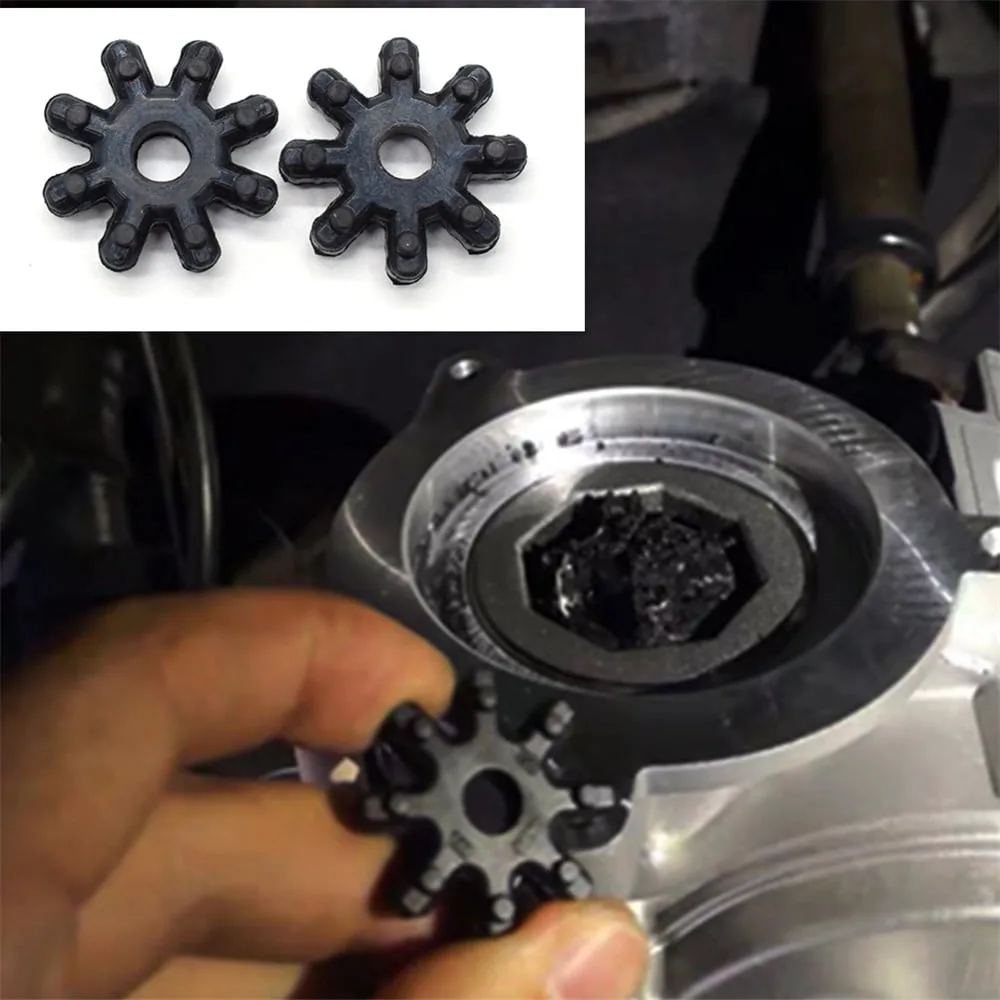
Image source: Bing (Web (fair-use with source credit))
Clunking or Clicking When Turning
Most likely the steering coupler. This rubber-and-clay gear connects the EPS motor to the column. It dries out and cracks with age.
A new part costs around $40, and an independent shop can install it for $150 to $300. The intermediate shaft can also make noise, but the coupler is far more common.
Stiff Steering or Sudden Loss of Assist
Electronics are the usual suspect. A failing torque sensor sends incorrect data to the steering control module, which then cuts power assist. Treat this as a safety issue.
If the wheel stiffens at speed, pull over and call a tow. Replacement generally means a new steering column assembly, installed at $800 to $1,400.
Vibration at Highway Speed or Pulling to One Side
Check wheels first. Tire balance, alignment, and uneven wear cause most shakes between 55 and 70 mph. A hard pothole can knock everything out of spec.
Start with a rotation and balance, then get a four-wheel alignment if the pull remains.
EPS Warning Light or Center Warning on the Dash
An EPS light means the system stored a fault code. You need an OBD-II scanner to read it. The code usually points to the torque sensor, the steering angle sensor, or the motor circuit.
Clear it, test drive, and see if it returns. If it returns, repair before driving long distances.
Quick Checks to Run Before You Pay for a Diagnostic
Don’t pay a dealer $150 to tell you what you can check in your driveway. Run these first. As of 2026, dealer diagnostic fees commonly land between $100 and $180, so a few minutes of work is worth it.
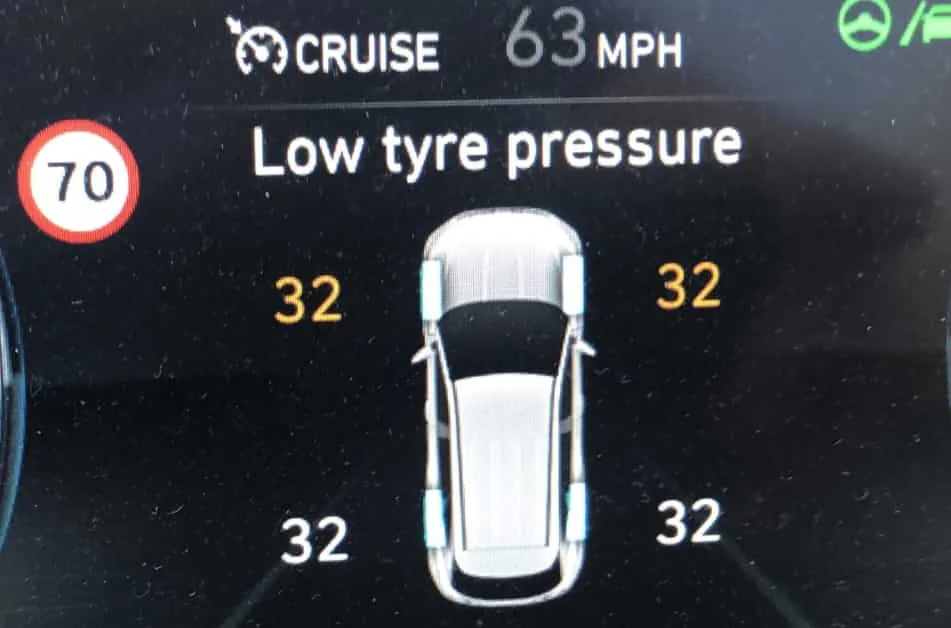
Image source: Bing (Web (fair-use with source credit))
- Check tire pressure and tread condition. Uneven wear points to alignment issues.
- Inspect the steering coupler if you can reach it. Look for cracks or a dry, hard feel.
- Wiggle the steering column while parked. Excessive play points to a loose intermediate shaft.
- Read fault codes with an OBD-II scanner. A basic code reader costs less than one diagnostic visit.
- Search for your model year and symptom against Hyundai TSBs. Known bulletins give you leverage.
- Look up open recalls via the NHTSA recall lookup. It’s free and takes two minutes.
If the shake happens only while braking, inspect the brake hardware before touching the steering. Warped rotors and uneven pads can send the exact same vibration through the wheel. Our guides on brake grinding and brake squealing cover what to look for.
If anything feels dangerously loose, don’t drive it. Park the car and arrange a tow. A steering failure at speed is a serious risk, just like brake failure.
What a Repair Actually Costs: Parts, Labor, and Hyundai Dealer Fees
Prices vary by region and shop, but these ranges reflect real-world repair data. As of 2026, independent shops charge about $100 to $130 per hour. Dealerships run $150 to $180 per hour.
Getting a second opinion can save you hundreds.
| Symptom | Common Repair | Parts + Labor Estimate |
|---|---|---|
| Clunk on turning | Steering coupler replacement | $150 to $300 |
| Stiff steering, EPS code | Steering column assembly | $800 to $1,400 |
| Vibration at highway speed | Tire balance / alignment | $80 to $150 |
| Pulling to one side | Alignment + possible tire rotation | $80 to $200 |
| EPS light with sensor fault | Torque or angle sensor replacement | $200 to $450 |
Check your warranty before authorizing work. Hyundai’s 5-year/60,000-mile basic coverage includes steering components. Some states enforce longer coverage on specific parts.
Call a dealer with your VIN to confirm what applies to your car.
Common Mistakes That Turn a Simple Fix Into a Big Bill
The biggest mistake Tucson owners make is replacing parts before confirming the cause. A steering column assembly costs over $1,000. A coupler costs under $50.
Guessing wrong means paying for both.
Skipping the simple checks is a close second. Tire pressure and alignment cause plenty of false steering problems. Fix those first and you may never touch the rack.
Brake issues fool owners too. A wheel shake under braking can come from warped rotors, not the steering rack. Compare the noise under braking versus turning before committing to any repair.
- Guessing wrong and replacing the rack when only the coupler is worn.
- Using cheap aftermarket couplers instead of OEM-quality parts.
- Letting a dealer sell you a full column for a $40 part.
- Ignoring a clunk for months until it damages the steering rack.
- Clearing the EPS warning code without fixing what set it.
FAQ: Hyundai Tucson Steering Issues, Answered
These are the questions Tucson owners ask most when the steering starts acting up.
Is it safe to drive with the EPS light on?
No, not if the steering feels stiff or unresponsive. The EPS light means the system logged a fault. Power assist can cut out mid-turn.
Park the car and call a tow.
Why does my Tucson steering click when turning?
A worn steering coupler causes that click. It is a rubber-and-clay part inside the steering column. It dries out and cracks over time.
Replacement costs $150 to $300 at an independent shop.
How much does Hyundai charge to fix a steering coupler?
Dealers usually quote $300 to $500, including diagnostics and higher labor rates. An independent shop does the same job for $150 to $300. Check your warranty first, because steering repairs are often covered.
Does Hyundai warranty cover steering problems?
Hyundai’s 5-year/60,000-mile basic warranty covers steering components. Some states extend coverage for specific parts. Recalls are always fixed free.
Call a dealer with your VIN to confirm.
Can I replace the steering coupler myself?
Yes, if you’re comfortable with basic wrench work. The coupler sits in the steering column under the dash. Many Tucson owners do this job in an afternoon.
Budget around $40 for the part and a couple of hours of your time.
Final Verdict: When to Drive, When to Park, When to Repair
If the wheel only clunks and assist feels normal, you can drive short distances. Book the repair soon. A worn coupler won’t fix itself, and ignoring it can damage the steering rack.
If the wheel suddenly stiffens at speed, park the car now. Call a tow. Losing power assist on the highway is a serious safety event.
No repair bill justifies that risk.
If the Tucson pulls, vibrates, or sits off-center, it is safe to drive short-term. Have the alignment and tires checked within a few days. This is the one symptom that rarely strands you.
| Condition | Safe to Drive? | Recommended Action |
|---|---|---|
| Clunk when turning | Yes, short trips | Replace steering coupler soon |
| EPS light and stiff wheel | No | Tow to the shop immediately |
| Highway vibration | Yes | Check balance and alignment |
| Pulling to one side | Yes | Align and rotate tires within days |
Most Tucson steering problems have known fixes with predictable costs. Match the symptom to the cause. Check the cheap stuff first.
Get a second opinion on anything over $500.
When you call a shop, describe the exact symptom, the speed, and whether the EPS light is on. Accurate descriptions shorten diagnosis time. They also lower the labor bill.
If you’re ever unsure whether your specific issue is a safety risk, the NHTSA complaint database for your model year is the right place to look. You can also verify open recalls there for free.



2 Comments on “Hyundai Tucson Steering Problem”