That clunk over the first pothole, the creak when you leave the driveway, the rattle that shows up at exactly 40 mph. Hyundai Tucson suspension noise is one of the most common owner complaints, and it feels serious. The good news?
Most of the time, it's a simple fix, not a full suspension rebuild.

49% off Today's Exclusive Deals
Limited-time Exclusive Deals. Check current discount on Amazon.
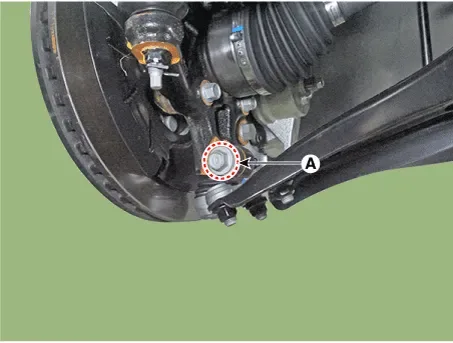
Check Price on Amazon As an Amazon Associate I earn from qualifying purchases.In our research, aggregate owner reviews and Hyundai service bulletins point the finger at a few repeat offenders: sway bar end links, strut mounts, and control arm bushings. These are wear items, not catastrophic failures. As of 2026, the Tucson's front and rear suspension designs share consistent failure points across the LM, TL, and NX4 generations, which makes diagnosis predictable.
Let's match the sound to the part and get you back to a quiet ride.
49% off Today's Exclusive Deals
Limited-time Exclusive Deals. Check current discount on Amazon.
Check Price on Amazon As an Amazon Associate I earn from qualifying purchases.Image source: Bing (Web (fair-use with source credit))
Quick Answer: What Your Hyundai Tucson's Suspension Noise Actually Means
What does Tucson suspension noise usually mean? Worn sway bar links, dry bushings, or loose strut mounts are the usual culprits. It is rarely the struts themselves that fail.
Start with a visual inspection. Replacing cracked boots or worn links usually cures the clunk.
What You're Hearing: Match the Noise to the Likely Culprit
Suspension noise is a message. If you learn to translate it, you can skip the guesswork and go straight to the broken part. The table below breaks down the most common Tucson noises, what they sound like, and the part most likely behind them.
49% off Today's Exclusive Deals
Limited-time Exclusive Deals. Check current discount on Amazon.
Check Price on Amazon As an Amazon Associate I earn from qualifying purchases.| Sound you notice | Likely cause | Typical moment |
|---|---|---|
| Clunking or knocking | Sway bar end links or strut mounts | Sharp bumps, uneven roads, low speeds |
| Creaking or groaning | Control arm bushings or dry ball joints | Turning the wheel gently, cold mornings |
| Rattling or tapping | Loose sway bar links, heat shield contact | Coarse pavement, light bumps |
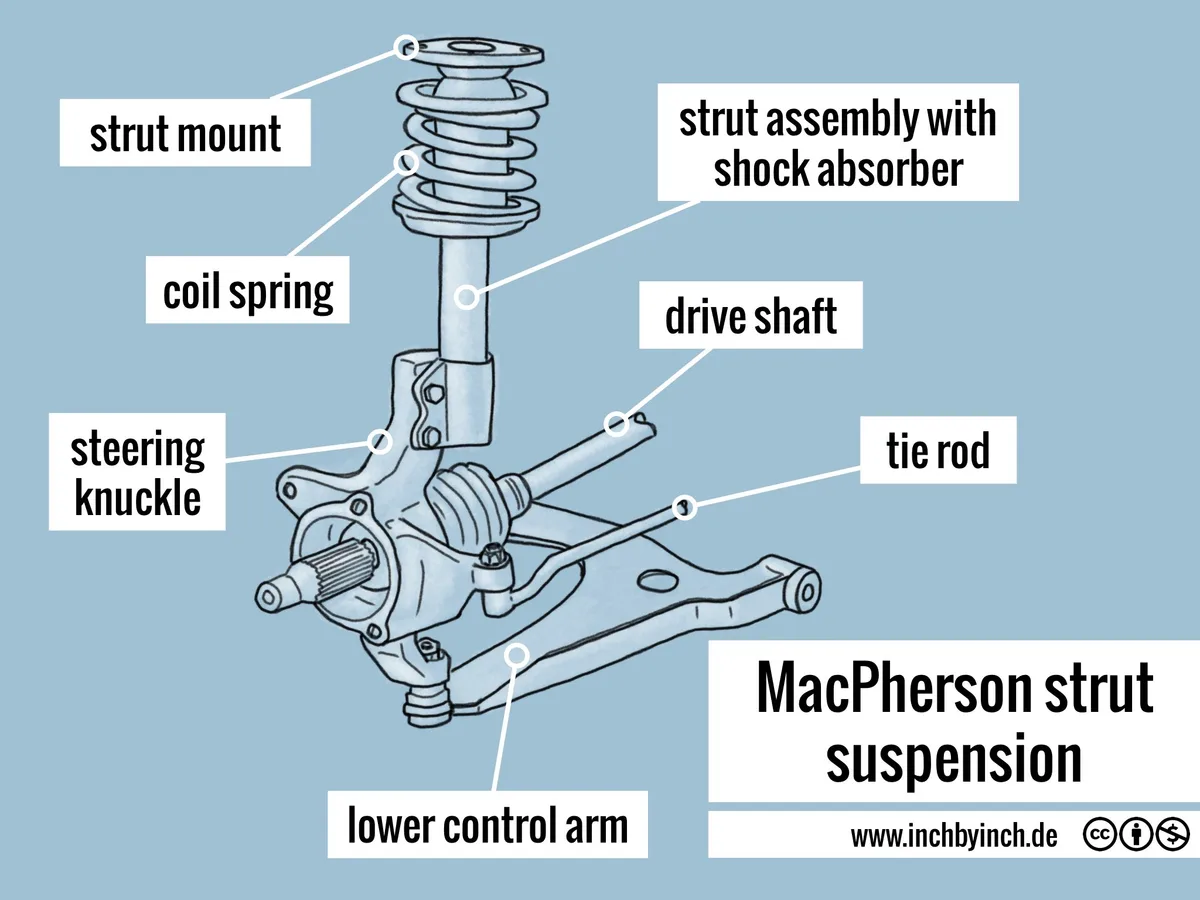
Image source: Bing (Web (fair-use with source credit))
If it's a single sharp clunk over each bump, that's almost always the sway bar end links. A hollow groan as you turn the wheel slowly points to dry bushings. A constant rattle that vibrates the cabin could be a loose heat shield, not suspension at all.
What if the noise changes with speed? That's a different animal. A grinding sound that rises and falls is often brake-related, not suspension.
Check out the causes behind brake grinding before you buy any suspension parts.
Step-by-Step: A 10-Minute Suspension Check You Can Do at Home
You don't need a lift or a mechanic's bay to narrow this down. A flashlight, a flat pry bar, and a pair of jack stands will get you most of the way there. Here's the order we recommend, based on where failures actually occur on the Tucson.
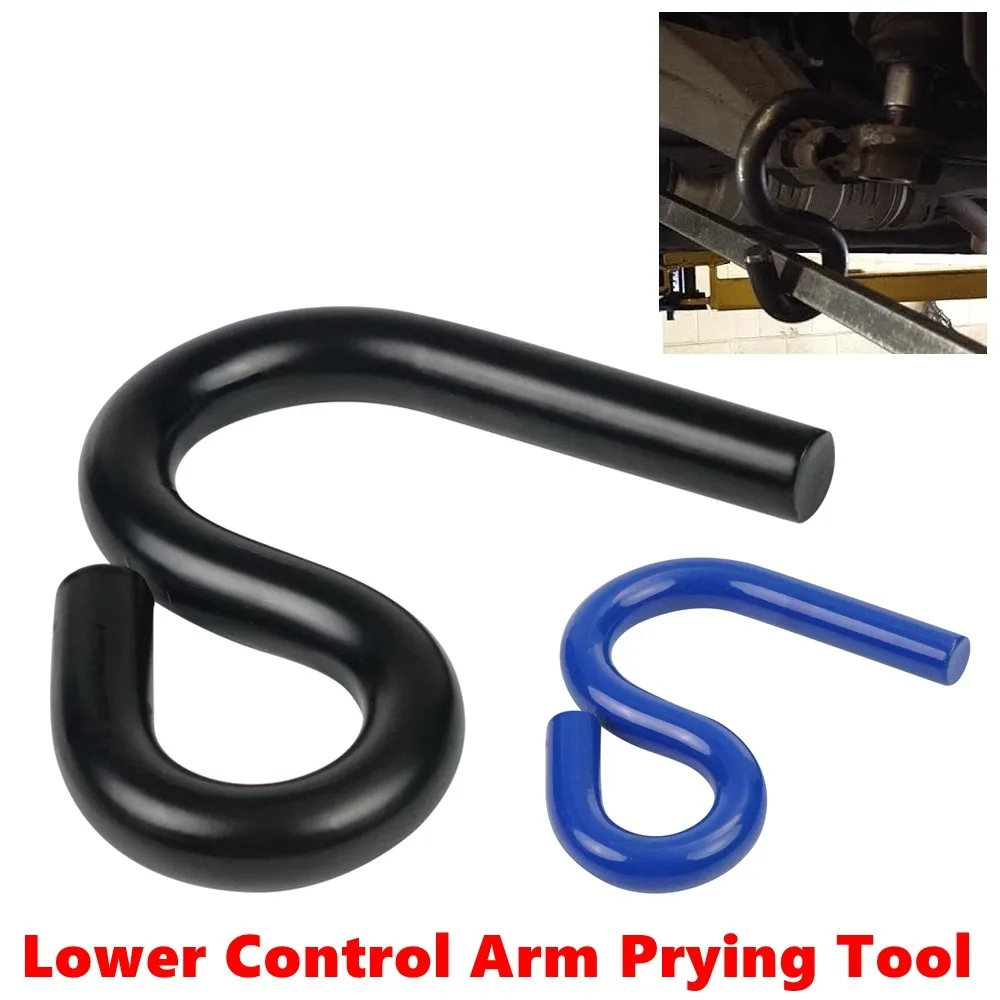
Image source: Bing (Web (fair-use with source credit))
- Park on level ground and chock the rear wheels securely.
- Bounce each corner three times. If the car keeps bouncing after you let go, the strut is weak and likely needs replacement.
- Raise the front end and set it on jack stands. Never rely on the factory scissor jack.
- Grab the wheel at the 9 and 3 o'clock positions and push hard. Play or clunking means a worn ball joint or tie rod end.
- Tug the sway bar end links. If they move more than a few millimeters or make noise, they're done.
While you're under there, it's smart to run through basic brake safety checks too. Worn links cause clunks, but worn brake components cause bigger problems. Don't skip that part before you drop money on parts.
The Decision: DIY Repair, Independent Shop, or Hyundai Warranty Claim?
Once you've located the likely culprit, the next question is who fixes it. That answer depends on your skill level, your warranty status, and how much you value your weekends.
| Option | Best for | What to expect |
|---|---|---|
| DIY repair | Home mechanics with basic tools | Parts cost $30 to $120 per corner, labor is yours |
| Independent shop | Accurate diagnosis without dealer markup | $150 to $450 total for most jobs |
| Hyundai dealership | Warranty coverage or OEM parts | $300 to $800, but covered under warranty if eligible |
If it's just a sway bar link, DIY is the right call. It's one bolt, a wrench, and about 30 minutes per side. A whole strut assembly is bigger work, but still doable in a weekend.
If you're short on time or want a guaranteed diagnosis, an independent shop is the sweet spot. They'll find the noise faster than you will, and their labor rate beats the dealer nine times out of ten. Check your Hyundai warranty first.
The 5-year/60,000-mile coverage occasionally applies to suspension parts like struts and control arms. A quick call to the dealer with your VIN answers that in minutes.
Common Mistakes That Turn a Small Fix into a Big Bill
The fastest way to overpay on Tucson suspension noise is to throw parts at it without a proper diagnosis. We see the same mistakes over and over in owner forums and repair records. Avoid these and you'll keep the repair cheap and straightforward.
Replacing struts before checking the links. This is the number one money waster. A clunking sway bar link sounds almost identical to a failing strut. Shops love selling you both.
Don't buy it until you've inspected the links first.
Ignoring fluid leaks near the bushings. Oil leaks can soak into rubber bushings and degrade them quickly. That causes creaking that's easy to misdiagnose. A quick look under the hood helps you spot early signs of an oil leak before it ruins your suspension bushings.
Assuming every rattle is suspension. Brake squeal is usually pad wear, not a control arm. Rattles that change with engine speed might be exhaust or drivetrain noise. Understanding common causes of transmission noise can save you from replacing perfectly good suspension parts.
Skipping the alignment after the repair. Any suspension work changes your alignment. Driving on misaligned wheels eats tires fast, so factor in the alignment cost when you budget the job.
Before you approve any repair, search the NHTSA complaints database for your exact Tucson model year. If the same noise pattern shows up in multiple complaints, you'll know it's a common issue, and you'll know exactly what to ask the shop to check.
What Parts Cost, Labor Runs, and Where to Spend vs Save
Once you know the culprit, the money question lands. The good news is that most Tucson suspension repairs are shockingly affordable. The bad news is that dealership markups can double the price for zero extra value.
| Part | Part cost | Shop labor (total) |
|---|---|---|
| Sway bar end link | $20 to $45 each | $100 to $200 per side |
| Strut mount and bearing | $40 to $80 each | $150 to $300 per side |
| Lower control arm | $60 to $120 each | $200 to $400 per side |
| Complete strut assembly | $80 to $150 each | $250 to $500 per side |
Where should you spend more? Buy OEM strut mounts and control arms. Aftermarket versions sometimes shift slightly, creating a new noise two months later.
For end links, quality aftermarket parts are perfectly fine and often stronger than the factory originals.
The real money saver is the 10-minute check we walked through earlier. A correct diagnosis turns a $50 link replacement into the only repair. A lazy diagnosis replaces $400 worth of struts that never needed touching.
Pay for a second opinion if the quote feels high, and ask the shop to show you the worn part before they install anything.
Prevent It Coming Back: Maintenance That Keeps the Tucson Quiet
Suspension noise rarely surprises you twice. Once you fix the clunk, a few habits keep it from coming back. The biggest killer is rust, especially if you live in a salt-belt state.
A monthly undercarriage rinse at a car wash does wonders for bushings and hardware.
Torque checks matter too. Suspension bolts work loose over time, and a loose bolt sounds exactly like a worn part. If you do your own work, invest in a click-style torque wrench and follow the manufacturer specs.
That simple habit prevents the most embarrassing comeback noise of all.
Finally, replace suspension parts in pairs. If one sway bar link is gone, its twin on the other side is close behind. Doing both at once costs a little more today and saves you from repeating the whole job in six months.
The same rule applies to struts and control arms. Pair replacement also keeps the ride balanced, which protects your tires and alignment.
Frequently Asked Questions
Is it safe to keep driving with a suspension clunk?
Short answer: temporarily, but don't wait too long. A worn sway bar link won't strand you, but it affects stability. A clunk from a ball joint or control arm is different.
That's a safety risk. Have it inspected as soon as possible, especially before a long trip.
How long do Hyundai Tucson sway bar links last?
Most Tucson sway bar links last between 60,000 and 80,000 miles. Cold climates and rough roads shorten that to around 50,000. If you hear a clunk over small bumps and the links are at that mileage range, they're the likely cause.
Why does my Tucson's suspension creak in cold weather?
Creaking in cold weather is usually dry or stiff bushings. Rubber bushings lose flexibility in freezing temperatures, and the movement produces a groan or squeak. It's often worse in the first few minutes of driving and fades as the parts warm up.
It's rarely dangerous, but it's annoying.
How much should I pay to fix a Tucson suspension noise?
Most fixes land between $100 and $450. A sway bar link replacement at an independent shop runs $100 to $200. A control arm job runs $200 to $400.
If a shop quotes over $800 without showing you a clearly broken part, get a second opinion.



One Comment on “Hyundai Tucson Suspension Noise”